The Grand Canal begins its working life at Grand Canal Dock in Dublin 2, where the Olympic Theatre and the Bord Gáis Energy Theatre sit beside the water and the Liffey meets the docks. From here you can walk the towpath west through Portobello and Harold's Cross, a flat, traffic-free route of roughly six kilometres. The surface is a mix of asphalt and gravel, fine for trainers in any month, though sections between Portobello and Rialto can hold water after rain. Allow two to three hours at an easy pace with stops.
Walking the Canal Line from the City Outward
The most rewarding stretch for a first visit runs from Portobello Harbour to the Rialto Bridge, taking in the lock gates and the low stone bridges that give the canal its character. Beyond Rialto the path continues toward Clondalkin and on into south Kildare, where the canal becomes genuinely rural. If you want the full day, take the train to Sallins and walk back toward Hazelhatch, about eight kilometres of quiet towpath with herons and the occasional barge. Bring water; waterside taps are not reliable.
Locks, Bridges and the Best Places to Pause
The lock keeper's cottages between Portobello and Rialto are some of the prettiest buildings on the route, and the lock at Harold's Cross is a natural halfway point. Culture vultures should detour slightly to the Irish Museum of Modern Art at Royal Hospital Kilmainham, a ten-minute walk from the Rialto Bridge, or to the National Concert Hall off Earlsfort Terrace. In Kildare, the canal passes close to Carton House demesne near Maynooth, though access to the estate grounds is limited and best checked locally.
Skip the stretch between Grand Canal Dock and Leeson Street if you are short on time; it is busy with commuters and less scenic than the western reaches. The best months are May, June and September, when the towpath is dry and the hedgerows are in leaf. July and August bring more hire boats and busier locks, but the atmosphere is lively. Winter walks are quiet and often misty, but daylight is short and some sections are unlit, so plan to finish before four o'clock.
Waterside Pubs and Where to Eat
Portobello is the obvious base for food and drink. The pubs along the canal here are traditional, low-ceilinged and busy at weekends, and you will find everything from a decent pint of stout to a Sunday carvery. A short walk toward Camden Street opens up a wider choice of restaurants and cafés, including good spots for breakfast before you set out. Expect main courses in the mid-teens to low twenties in euro; a pint runs around six to seven euro in this part of the city.
Further out, Sallins and Monasterevin in Kildare have canal-side pubs that serve food at lunchtime and are handy for walkers finishing the rural stretch. Do not expect much on Mondays and Tuesdays, when several kitchens close. My own choice would be to walk the Portobello to Rialto loop, eat in Portobello, and keep the Kildare stretch for a separate day with a car or a train from Heuston. That gives you two good days rather than one rushed one.
Staying Near the Canal
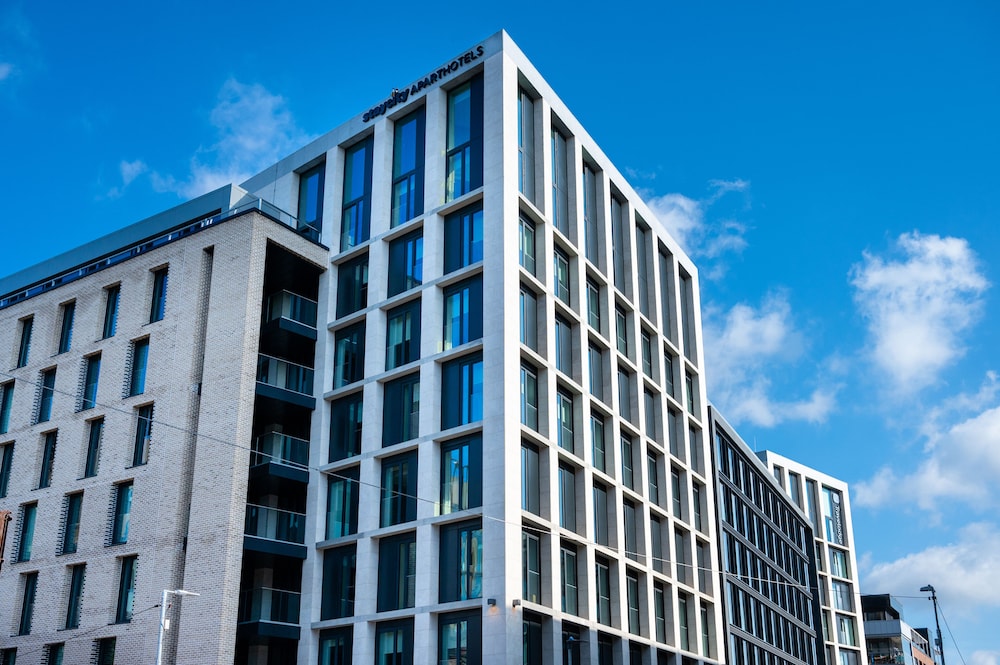
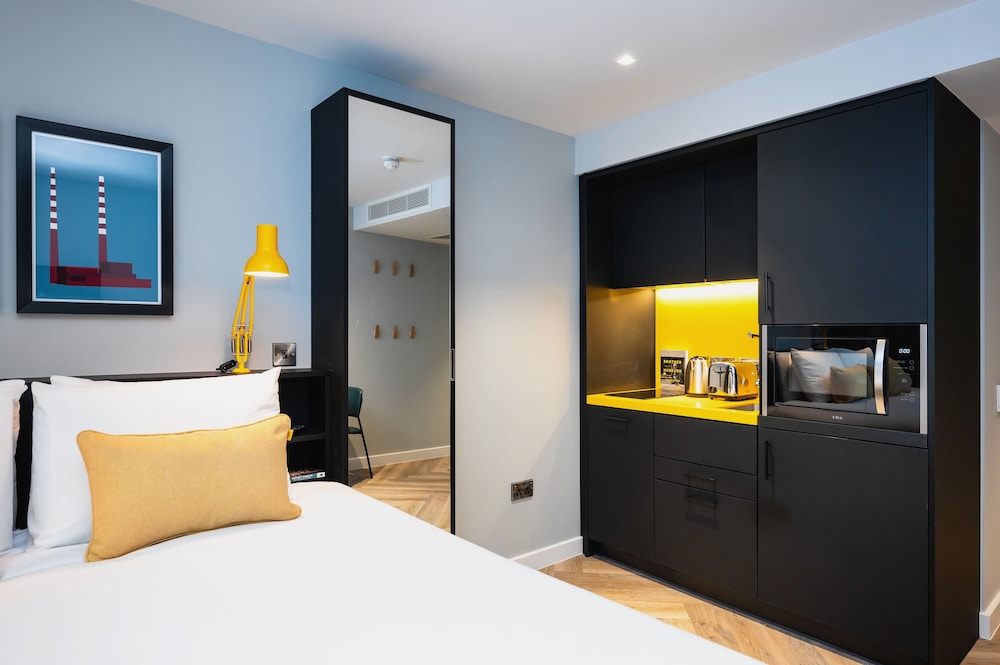
For a Dublin base, the streets between Baggot Street and Portobello put you within ten minutes of the towpath and twenty minutes' walk of St Stephen's Green. Hotels here range from small Georgian townhouse conversions to larger modern properties near Grand Canal Dock, close to the Docklands and the Aviva Stadium. Prices in Dublin are highest on Friday and Saturday nights and during major rugby fixtures at the Aviva; midweek is noticeably cheaper. Book a room with a canal view only if the weather is warm enough to sit out.
If you want to walk the Kildare section, base yourself in Naas or Maynooth, both of which have train stations on the Dublin to Sligo and Dublin to Cork lines and taxi access to the towpath. Naas is about ten minutes' drive from Sallins and has the better choice of hotels and restaurants. Skip staying in Monasterevin unless you are specifically walking that section, as the accommodation is limited and the town is quiet in the evening. From either town, a train to Heuston takes roughly thirty to forty minutes.