15 regions across 4 provinces
Pick a base, not a route. Stay three or four nights in one region, walk its coast or its hills, and let the next place wait. Every distance on this page is a straight line from Dublin Airport, computed from coordinates; the roads are longer.
Leinster
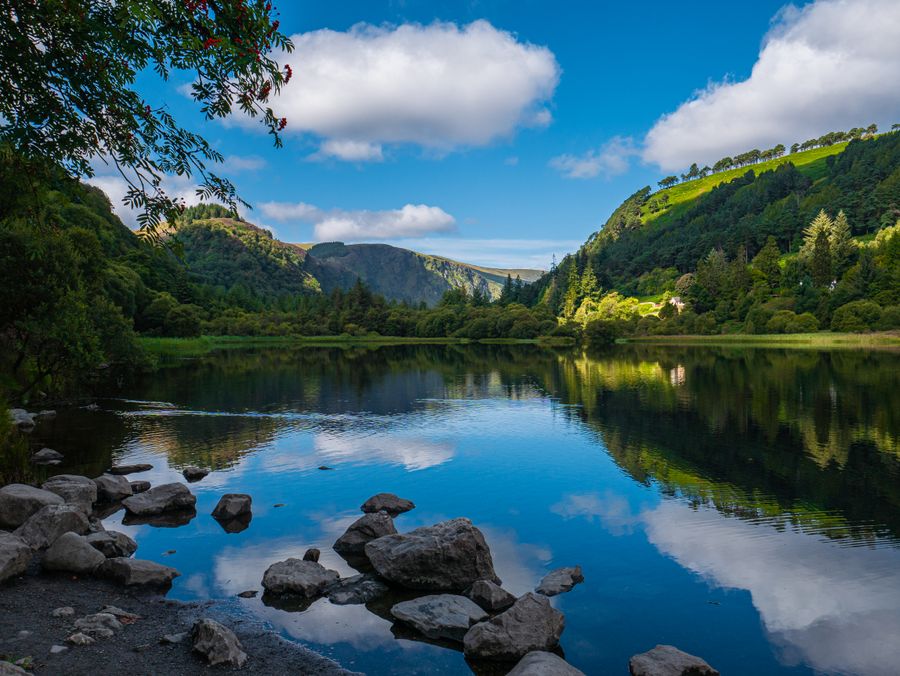
Dublin and the counties around it: the capital, the Wicklow Mountains and the medieval towns of the southeast.
3 regions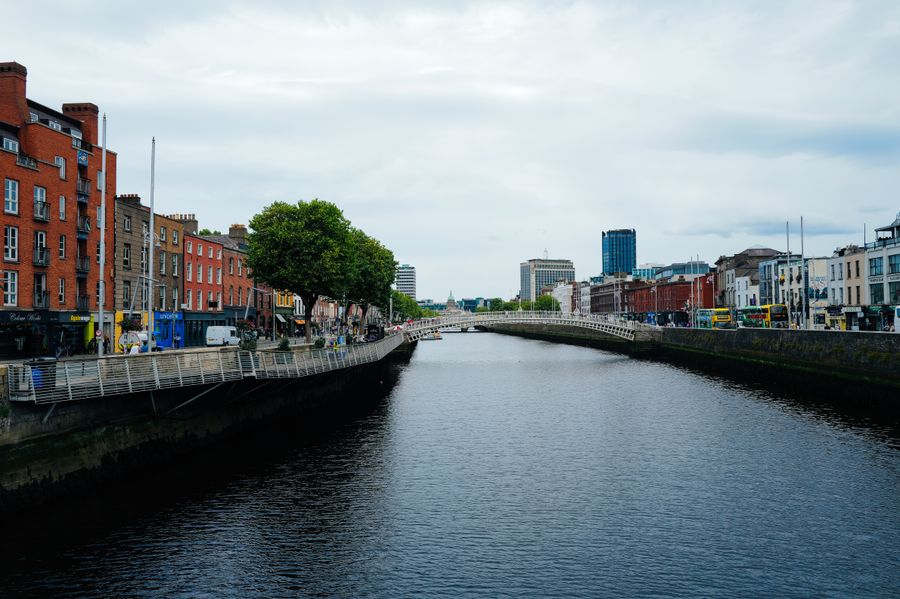
Munster
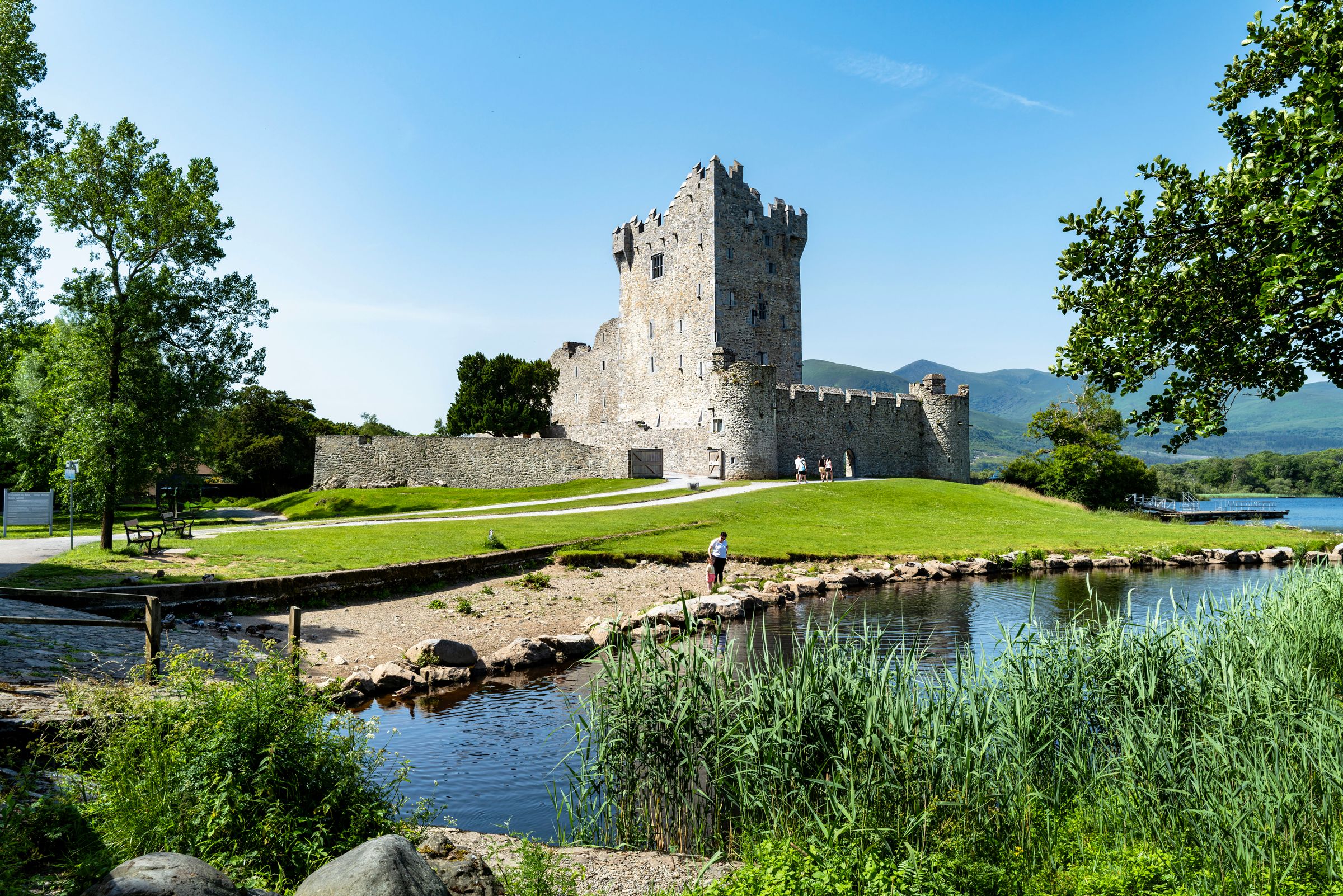
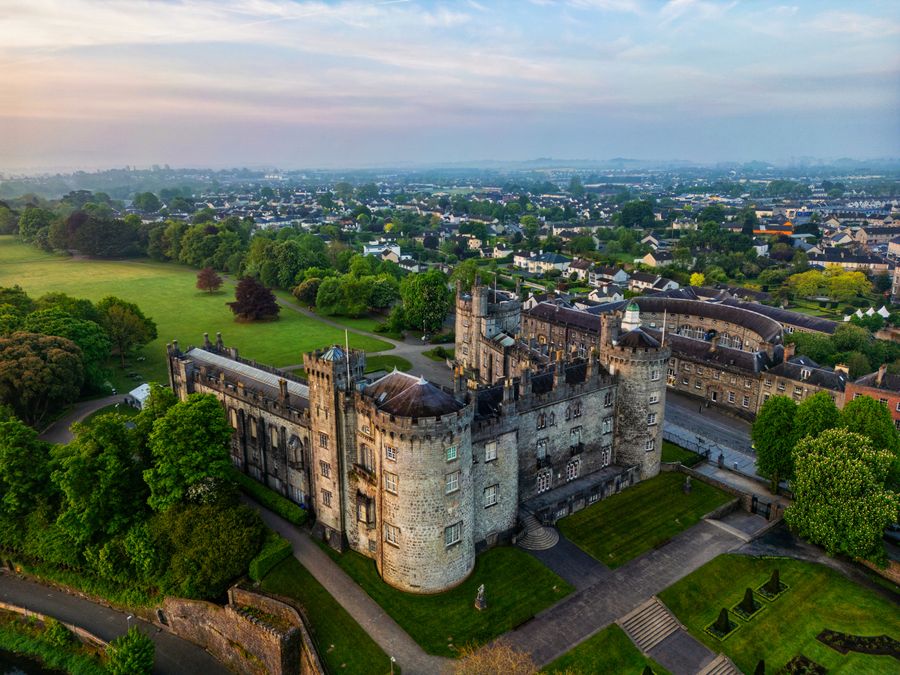
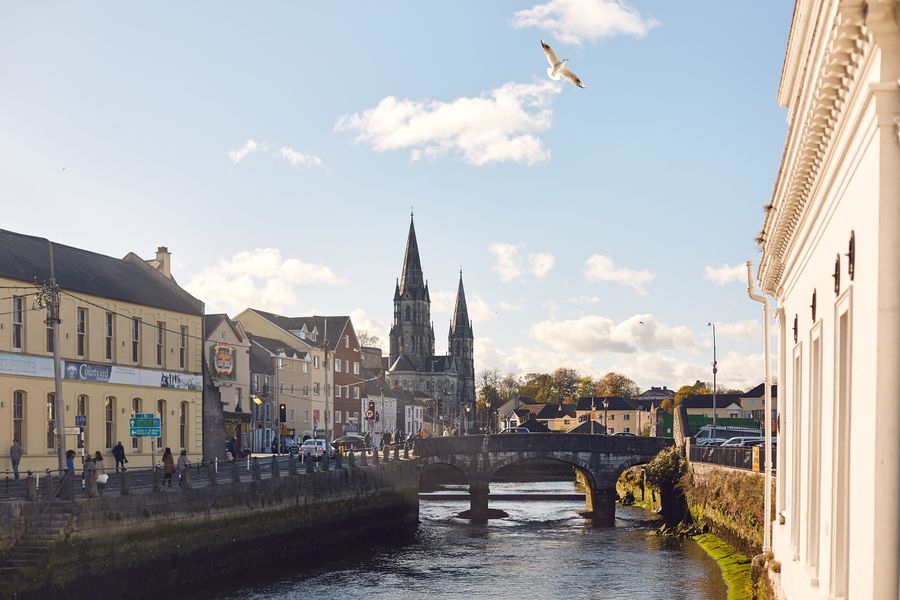
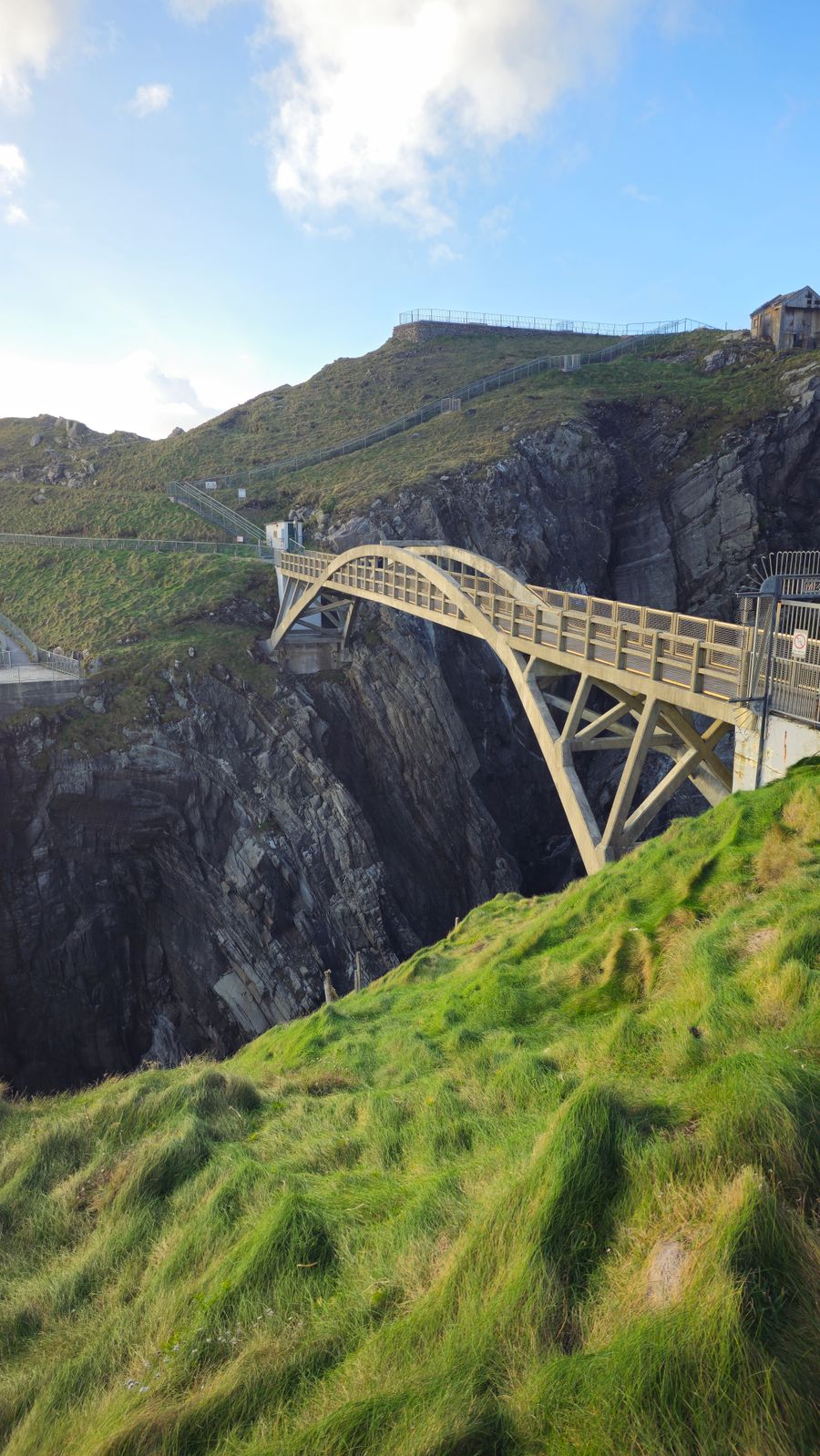
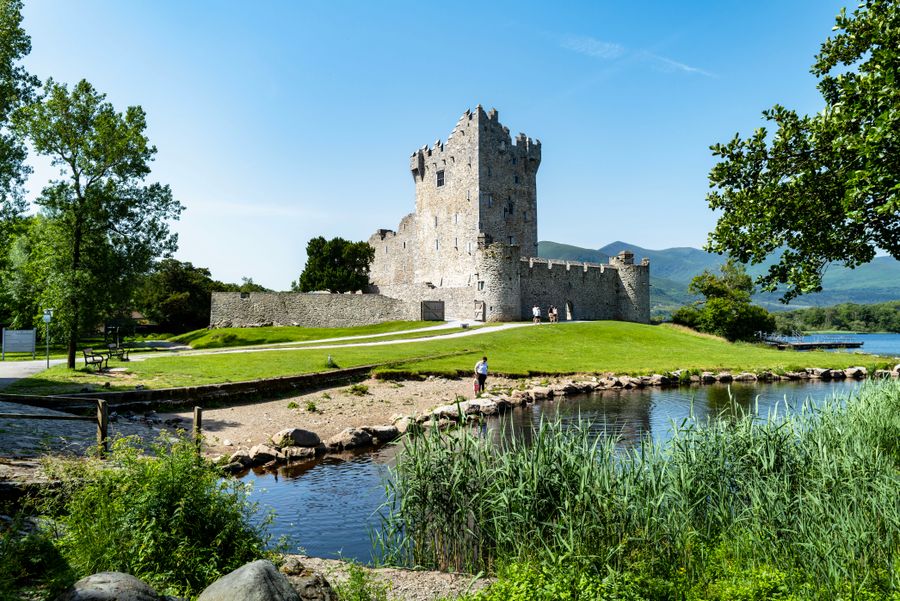
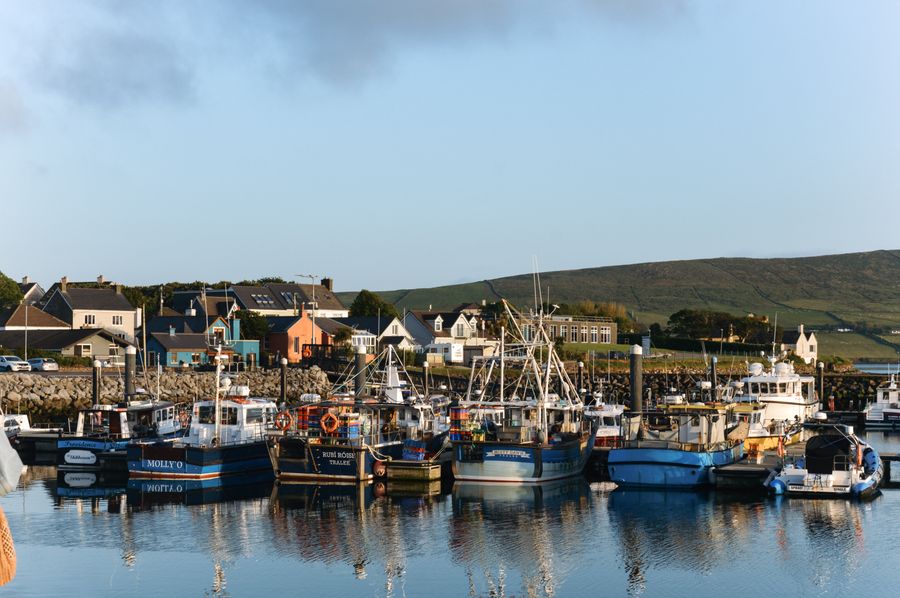
The south and southwest: Cork's food, the Kerry peninsulas and the Clare coast.
6 regions
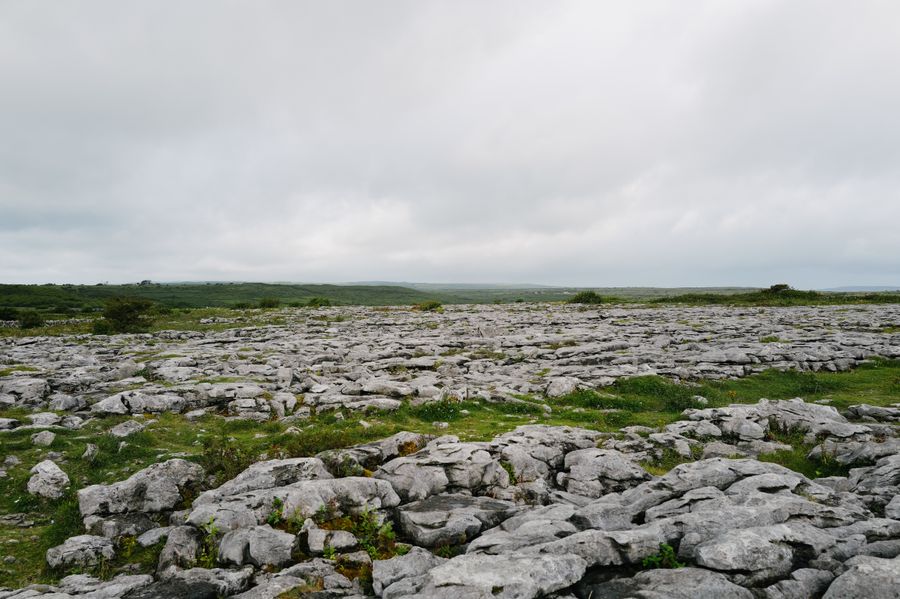
Connacht
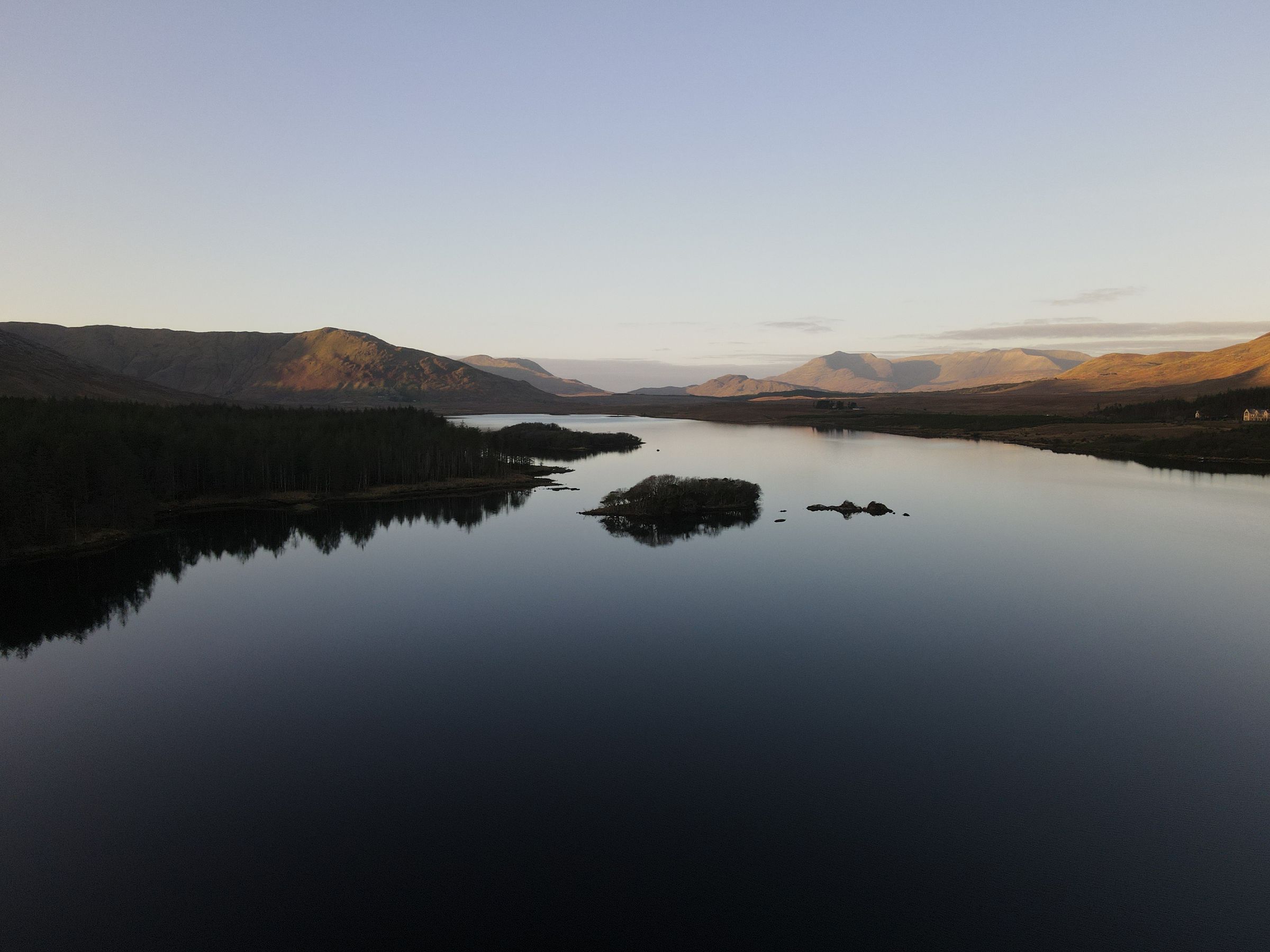
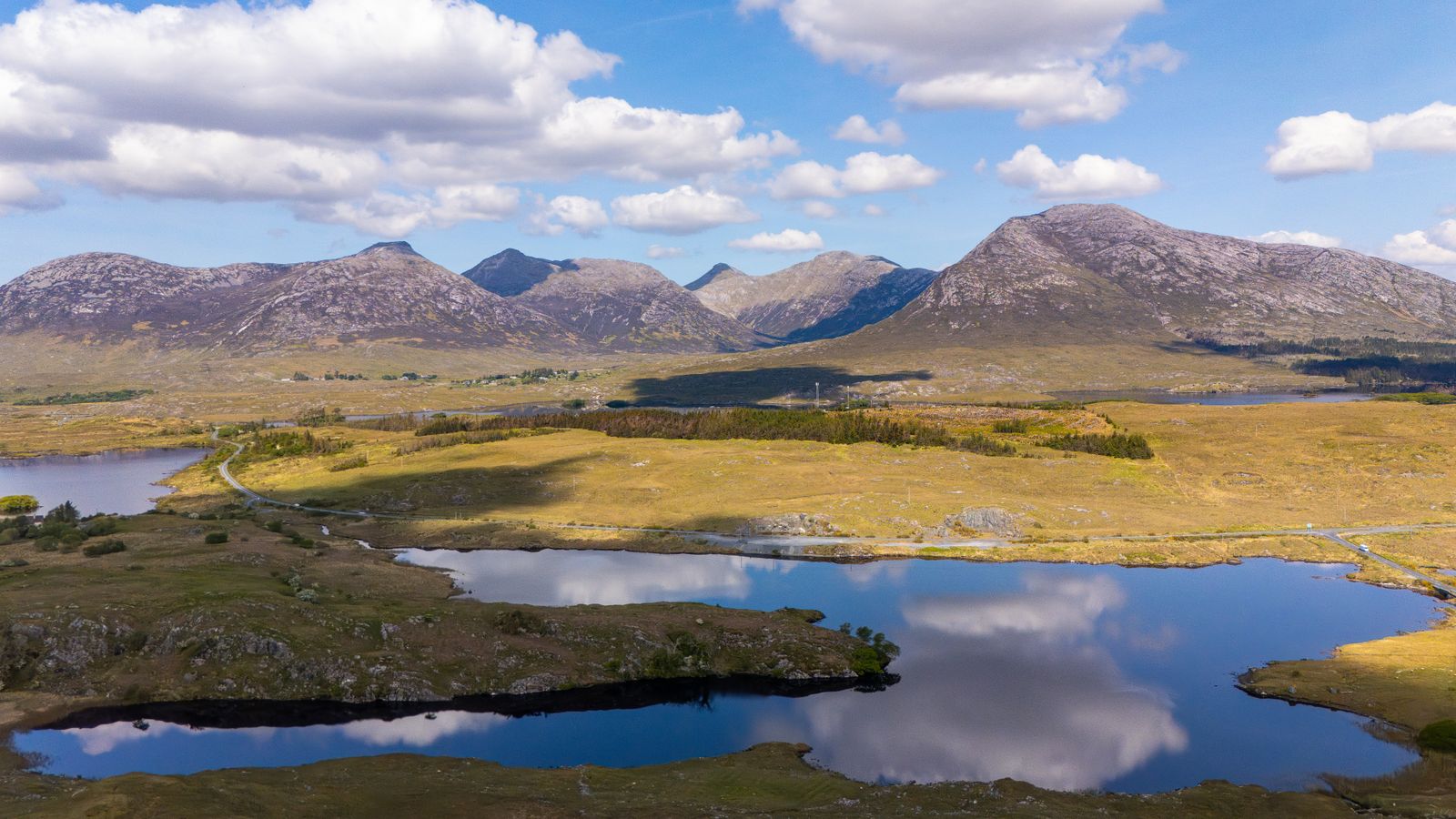
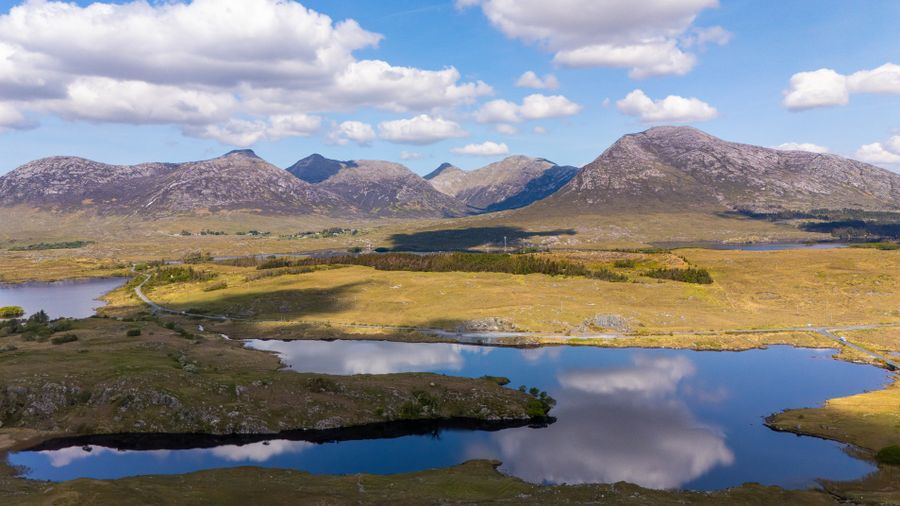
The far west: Galway's streets, the lakes and mountains of Connemara, and the Mayo and Sligo coasts.
4 regions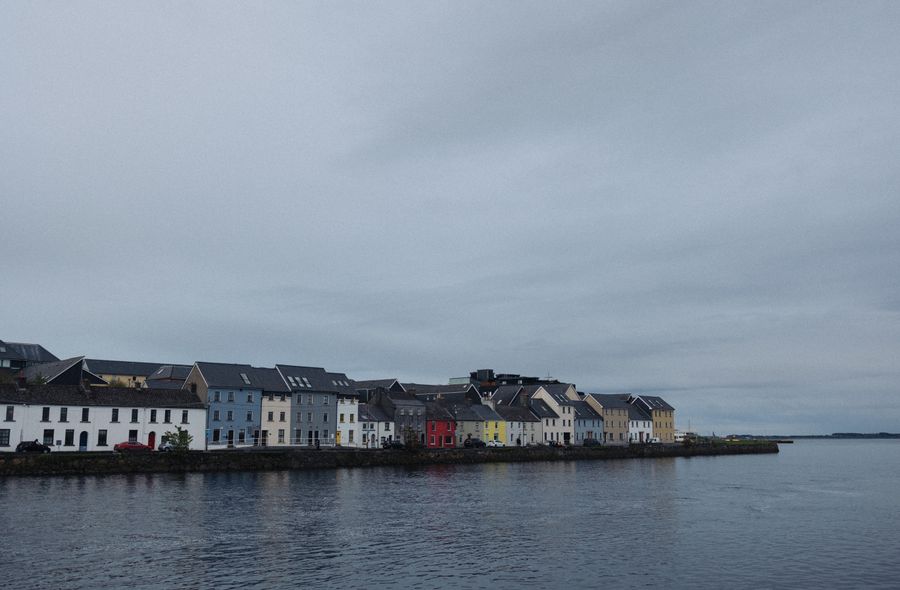
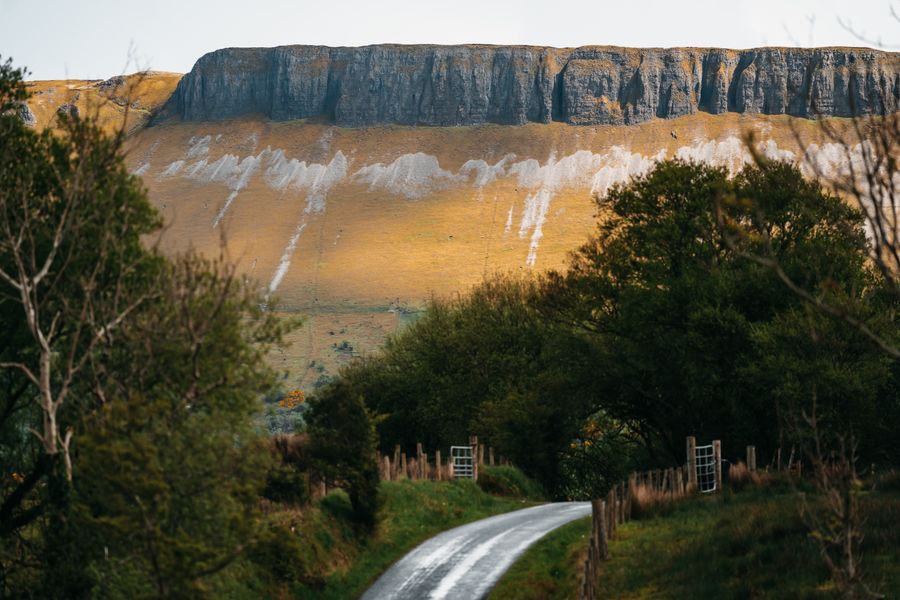
Ulster
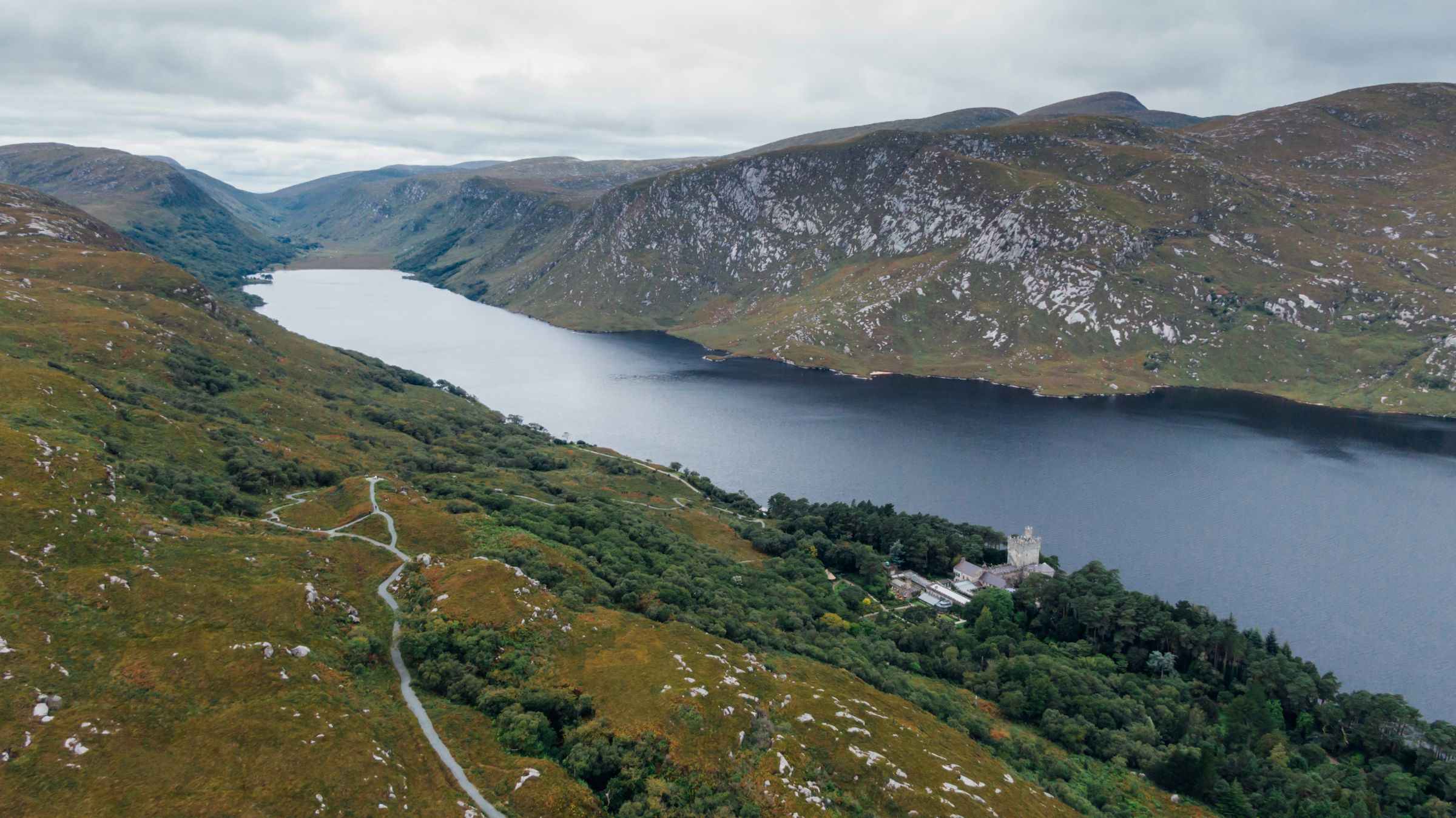
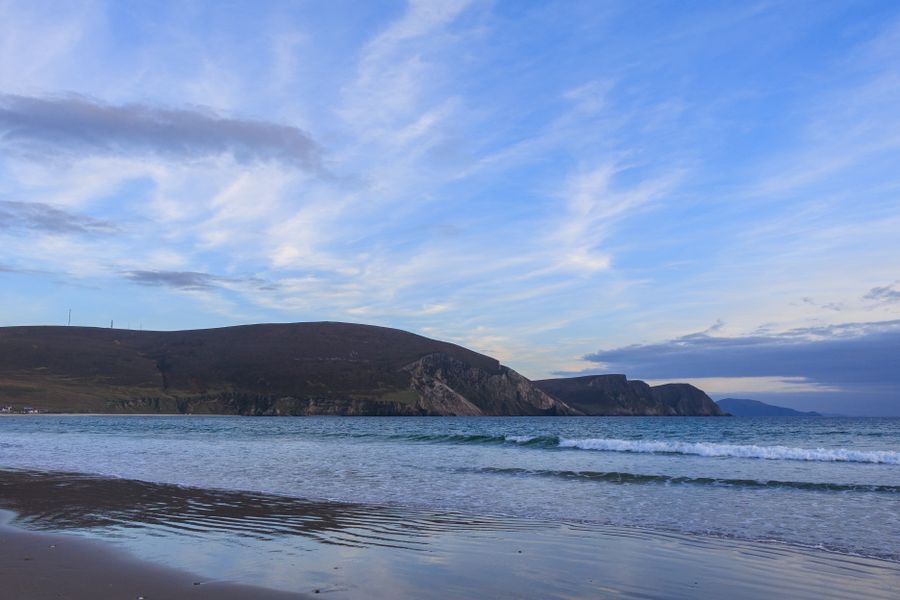
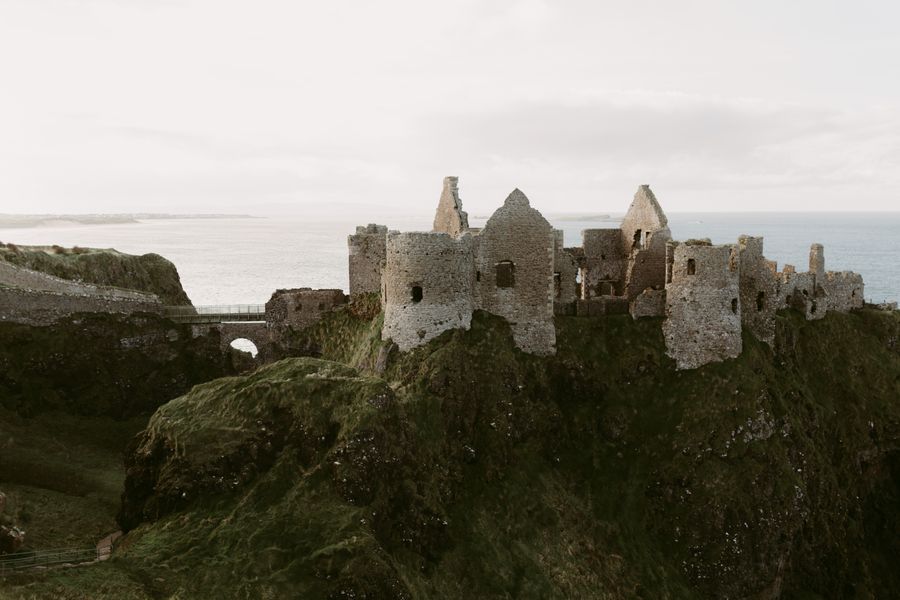
Donegal's cliffs and the Causeway Coast. Ulster spans the border: Antrim is in Northern Ireland, part of the UK.
2 regions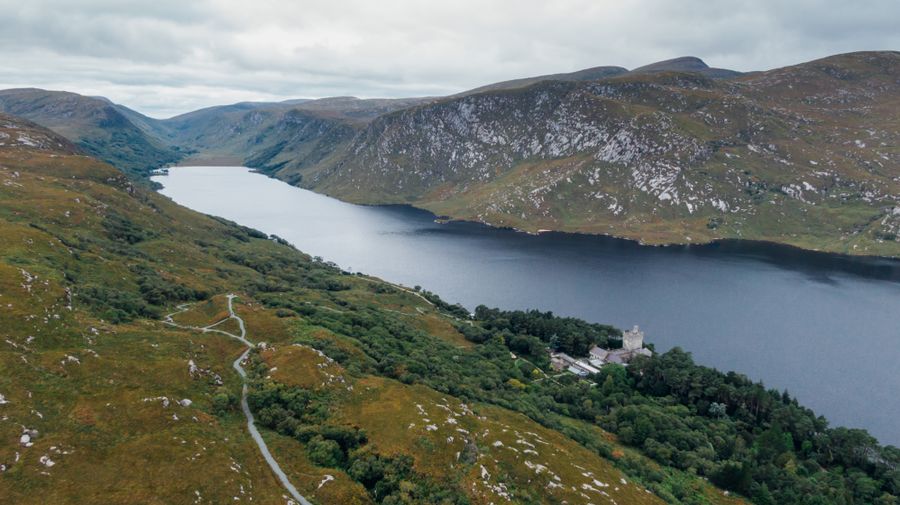
Réigiúin · RegionsChoosing a region Crossing the border.
Ireland is small on the map but the regions differ in landscape, pace and currency. Pick a base by what you want within a day's reach, then allow for the border if your plans cross into Northern Ireland, which is part of the United Kingdom.
The four provinces
The island is divided into four provinces: Leinster in the east and south east, Munster in the south west, Connacht in the west and Ulster in the north. Leinster holds Dublin and the softer farmland and hills around it. Munster takes in Cork, Kerry and Clare, with long peninsulas and mountain country. Connacht runs from Galway through Mayo to Sligo and Leitrim, facing the Atlantic. Ulster spreads across nine counties, six of them in Northern Ireland.
The provinces are old groupings rather than modern administrative units, and the counties do most of the practical work. A base in one county can put several others within an easy drive. Killarney, for example, sits close to the Cork and Clare borders, and Sligo reaches into Leitrim and Mayo. Thinking in counties helps when you plan day trips, because road distances are short but driving times are often longer than the map suggests.
Choosing a base
Choose a base by the day trips it allows, not by the number of sights nearby. A city base suits short trips and public transport, with Dublin, Cork and Galway each giving access to a wide ring of countryside. A town base suits touring, with Westport, Kilkenny and Sligo placing you on good roads in several directions. A coastal or peninsular base suits slower travel, but the roads out to the ends of peninsulas are narrow and slow.
Weather decides more than most visitors expect. The west and the hills are wetter than the east, so a week in Connemara may bring more rain than a week in Wicklow. Build in a spare day for the outdoor plans that matter most, and keep an indoor option ready. If you plan to move between bases, fewer moves with longer stays usually work better than a new town every night.
Getting between regions
Rail links the main cities: Dublin to Cork, Galway, Limerick, Waterford, Sligo and Belfast, with Iarnród Éireann running services in the Republic and the Enterprise linking Dublin and Belfast. Coaches reach many towns the trains do not, with Bus Éireann and private operators on the main corridors and TFI Local Link buses on rural routes. Timetables change, so check with the operator before you commit to a plan.
By car, the motorway network radiates from Dublin and the main routes between cities are good. Once off those routes, expect single-carriageway roads, slow traffic behind farm vehicles and longer times than the distance suggests. Traffic drives on the left everywhere on the island. In the Republic distances are in kilometres and speeds in km/h; in Northern Ireland they are in miles and mph. Transport for Ireland has a journey planner for public transport.
The border and Northern Ireland
The border between the Republic of Ireland and Northern Ireland runs from Carlingford Lough in the north east to Lough Foyle in the north west. Northern Ireland is part of the United Kingdom, so it uses pounds sterling, miles and mph. There are no routine checks on roads crossing the border, but the currency and the road signs change as you cross. Carry the right money and check your route before setting out.
The Causeway Coast in County Antrim is in Northern Ireland, and so is the Giant's Causeway, cared for by the National Trust. Entry rules depend on your passport: check the Irish Immigration Service for the Republic and gov.uk for Northern Ireland. Emergency numbers are 112 or 999 on both sides, and plugs are the three-pin type G throughout. The Causeway Coastal Route runs between Belfast and Derry~Londonderry.
Ceisteanna · QuestionsAsked often.
How do the four provinces of Ireland differ?+
Leinster in the east and south east holds Dublin and gentler farmland and hills. Munster in the south west takes in Cork, Kerry and Clare, with peninsulas and mountains. Connacht in the west runs from Galway to Sligo and Leitrim, facing the Atlantic. Ulster in the north spreads across nine counties, six of them in Northern Ireland, which is part of the United Kingdom.
How do I choose a base region for a first trip?+
Choose by the day trips a base allows rather than by nearby sights. A city base such as Dublin, Cork or Galway suits short trips and public transport. A town base such as Westport, Kilkenny or Sligo suits touring by car. Fewer bases with longer stays usually work better than a new town every night.
Is the Causeway Coast in the Republic of Ireland?+
No. The Causeway Coast is in County Antrim, Northern Ireland, which is part of the United Kingdom. It uses pounds sterling, miles and mph, not euro and kilometres. There are no routine checks on roads crossing from the Republic, but the currency and road signs change as you cross. Check entry rules on gov.uk before travelling.
How do I travel between regions without a car?+
Rail links the main cities, with Iarnród Éireann in the Republic, NI Railways in Northern Ireland and the Enterprise between Dublin and Belfast. Coaches reach many towns the trains do not, including Bus Éireann and private operators, with TFI Local Link buses on rural routes. Timetables change, so check with the operator and use the Transport for Ireland journey planner.
What changes when I cross the border into Northern Ireland?+
Northern Ireland is part of the United Kingdom, so currency changes to pounds sterling and road distances and speeds to miles and mph. There are no routine checks on the roads crossing the border. Emergency numbers are 112 or 999 on both sides and plugs are the three-pin type G. Entry rules depend on your passport, so check gov.uk.
Which region is wettest in Ireland?+
The west and the hills are wetter than the east, so Connacht and the Atlantic counties see more rain than Leinster. Rain is possible in every month across the island. A week in Connemara may bring more rain than a week in Wicklow. Keep a spare day for the outdoor plans that matter most and an indoor option ready.
Do I need a car to see the regions?+
A car gives the most freedom, especially in the west and on peninsulas where public transport is thin. Without one, base in a city or large town with rail and coach links, and take day trips from there. Traffic drives on the left everywhere. In the Republic distances are in kilometres; in Northern Ireland they are in miles.
Where will you wake up?
Pick a region and your dates. The search opens live availability with IMPT in a new tab.