26 guides in 3 topics
Guides for planning a stay: where to base yourself, how to get around with or without a car, and the long routes along the coast. Each names the official source to check, because timetables and rules change.
Planning
Where to base yourself, when to go, and what changes at the border.
11 guides

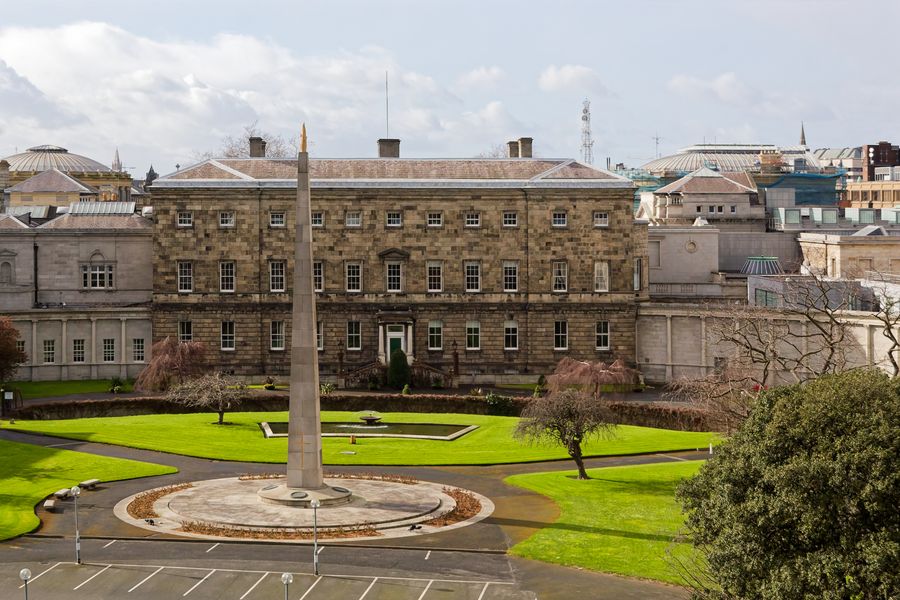
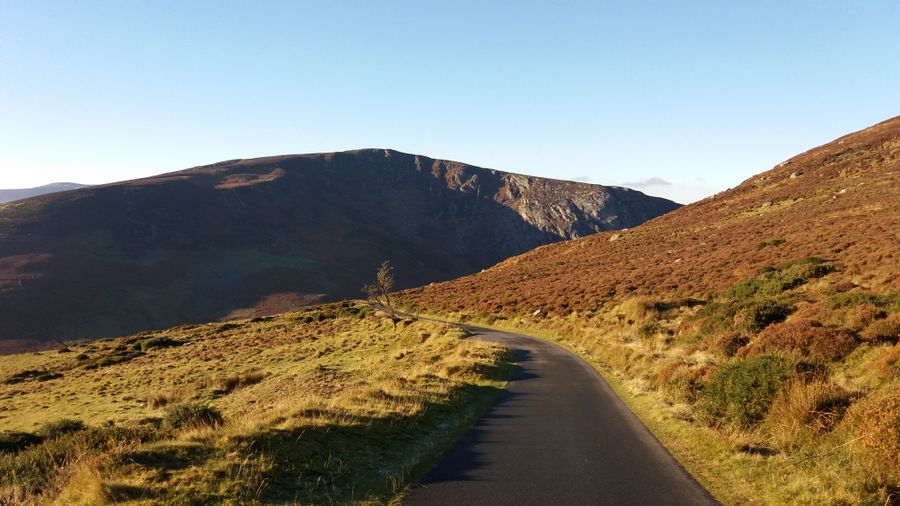
Getting around
Trains, buses, ferries and the roads, and who runs what.
6 guides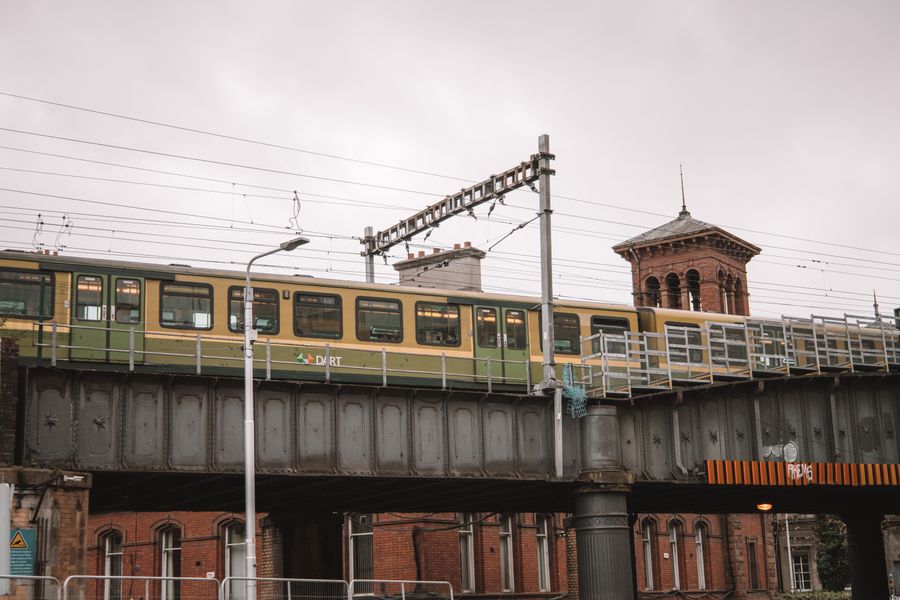
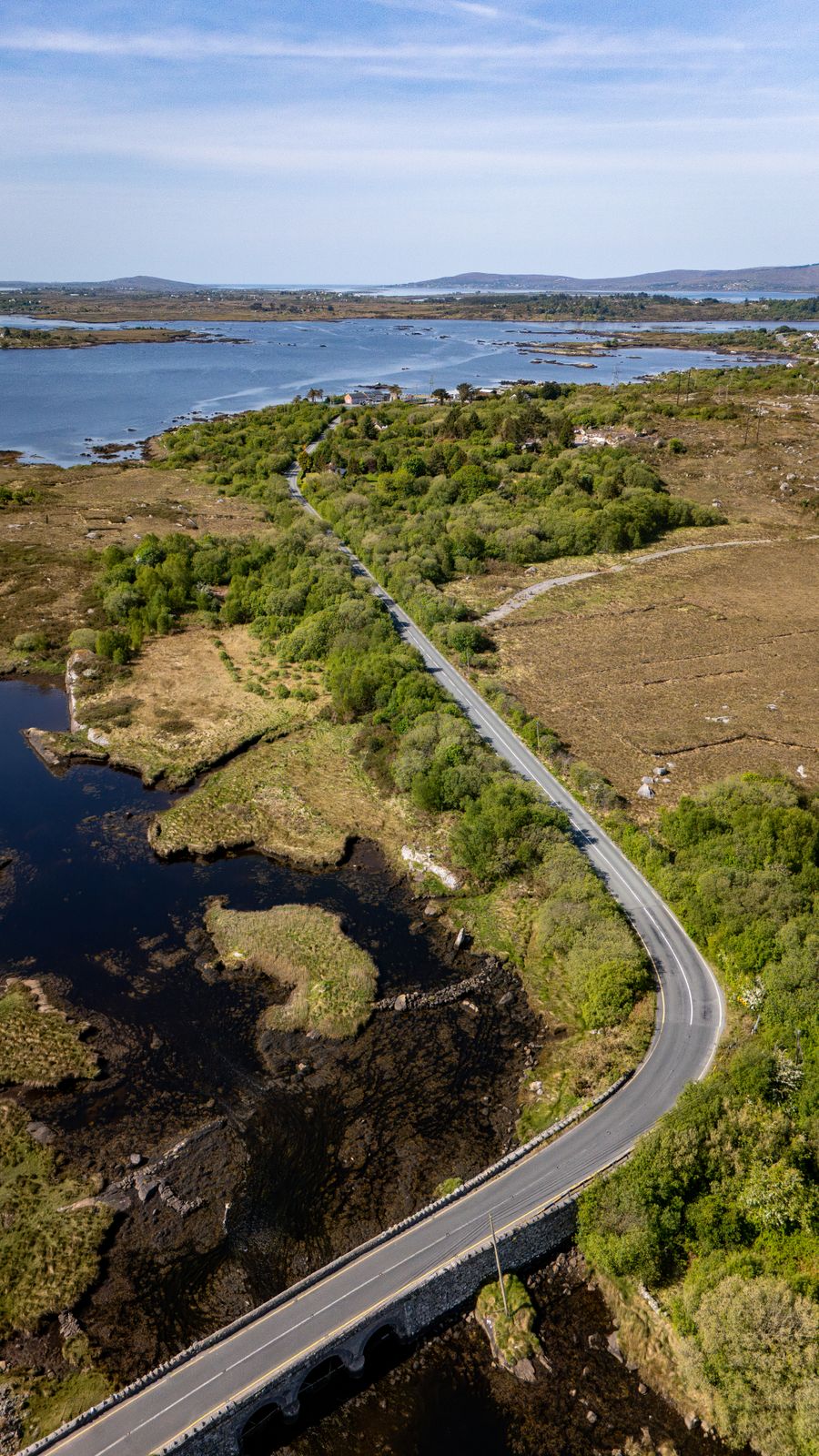
Routes
The long drives and coastal roads, broken into stages.
9 guides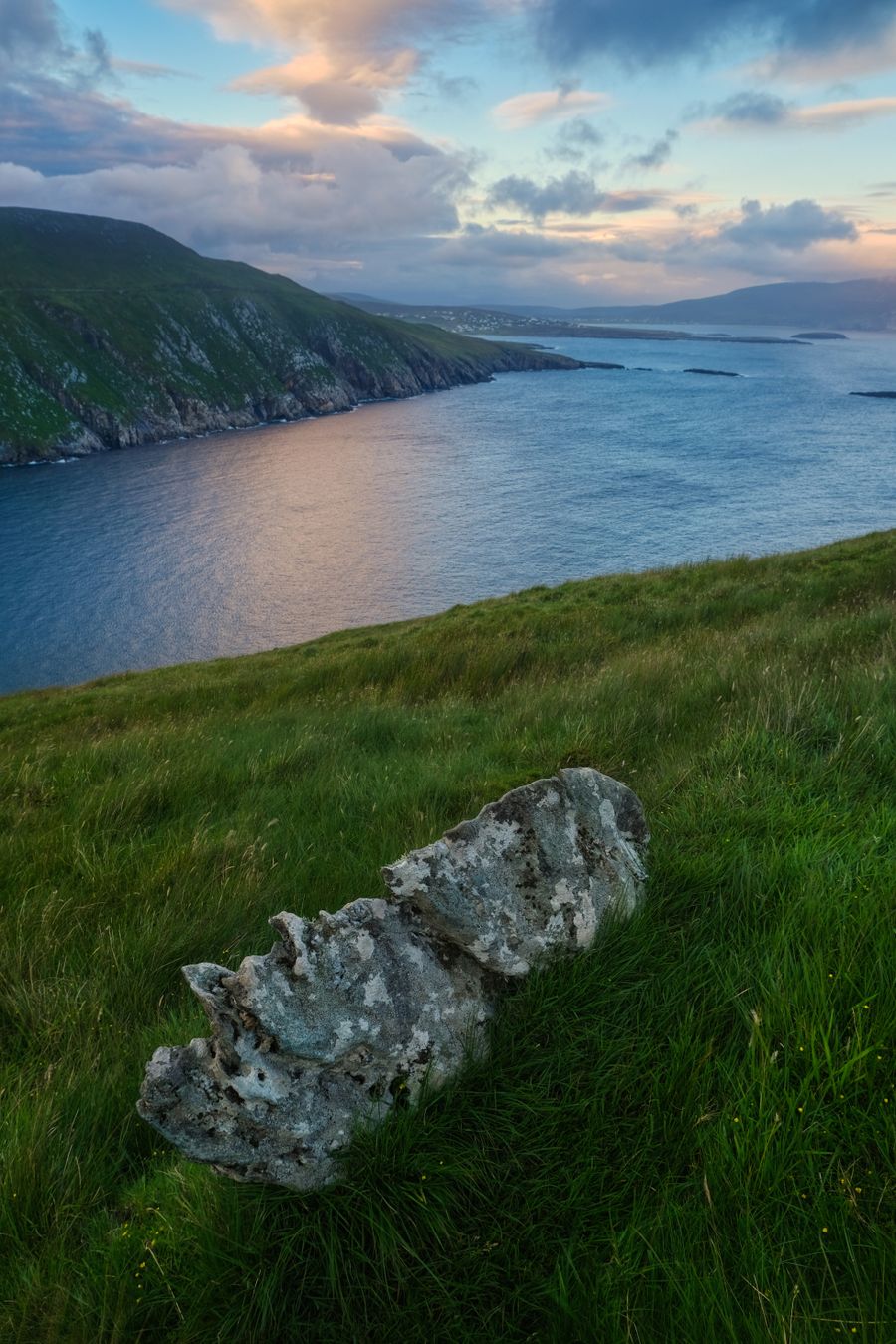
Treoir · GuidesPlan the journey Routes and regions.
The guides cover the practical side of an Irish trip: when to come, how to move between regions, and what the long signed routes ask of a driver. Read them before booking transport and before fixing a daily plan.
Choosing a base
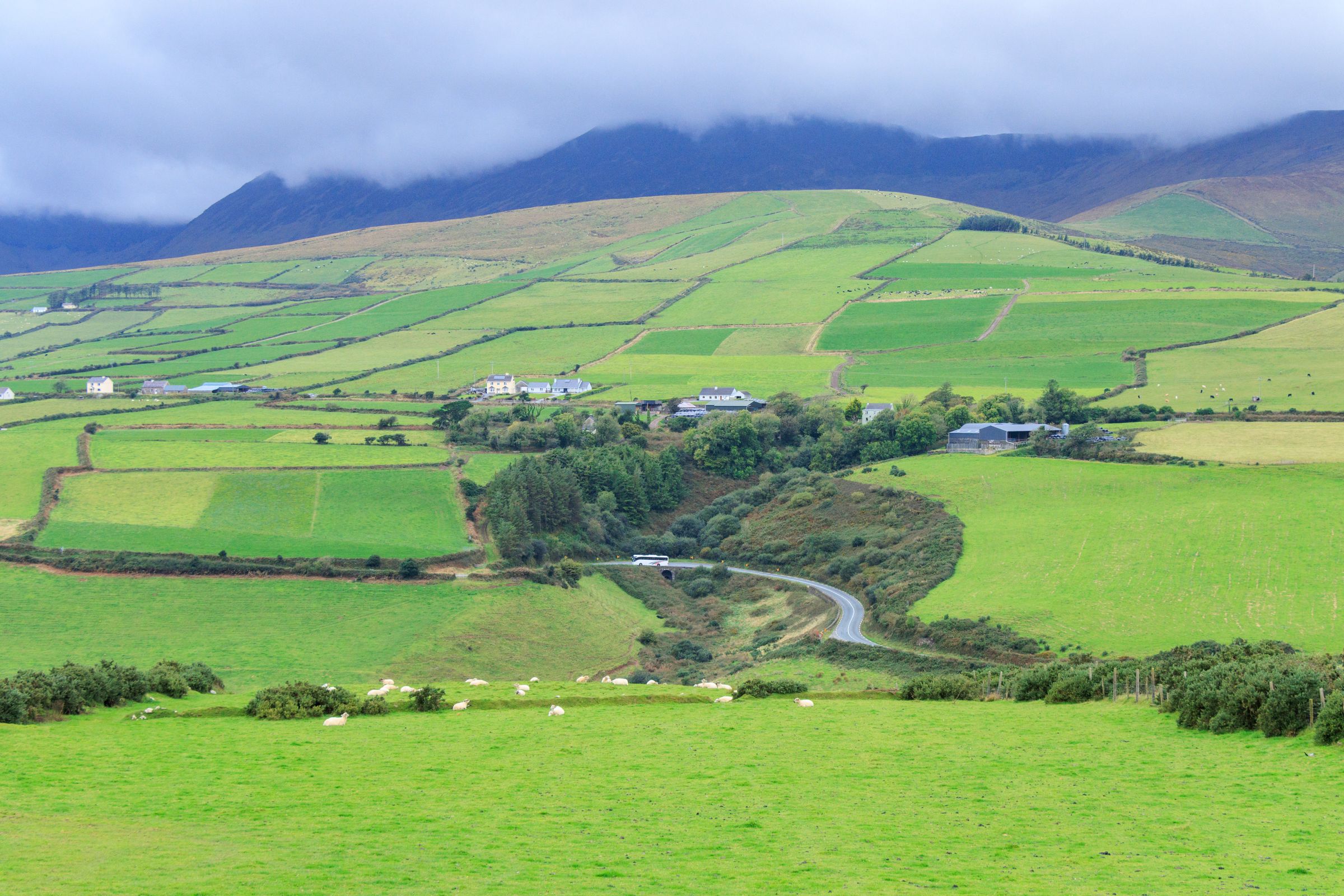
Most first trips work better with two or three bases than with a new bed every night. The west and the south reward time in one place, and the cities suit a stay of a few days each. The guide to where to base yourself on a first trip weighs the options against travel time and against what you want to see. It assumes you will move between regions rather than tour the whole island at once.
The area pages cover each region in turn, and the things to do entries sit inside them. Use the guides for the practical frame, then the area pages for what fills the days. A common shape is Dublin first, then west or south by rail or coach, with a car hired for a coastal stretch. The long routes work best as a spine for a trip rather than a checklist to finish.
Seasons and daylight
Ireland has a temperate oceanic climate, with mild winters, cool summers and rain possible in every month. The west and the hills are wetter than the east. Daylight in Dublin runs from about 17 hours around the June solstice to about 7.5 hours in late December, which changes what a day can hold. The season by season guide sets out what each part of the year is like.
Late spring and early autumn suit many first trips: daylight is long enough for a full day out, and the main sites are quieter than in midsummer. Winter days are short, so keep to one area and plan around the light. Whatever the season, carry waterproofs and check opening seasons with the site or operator before fixing dates, as these change.
Trains, buses and cars
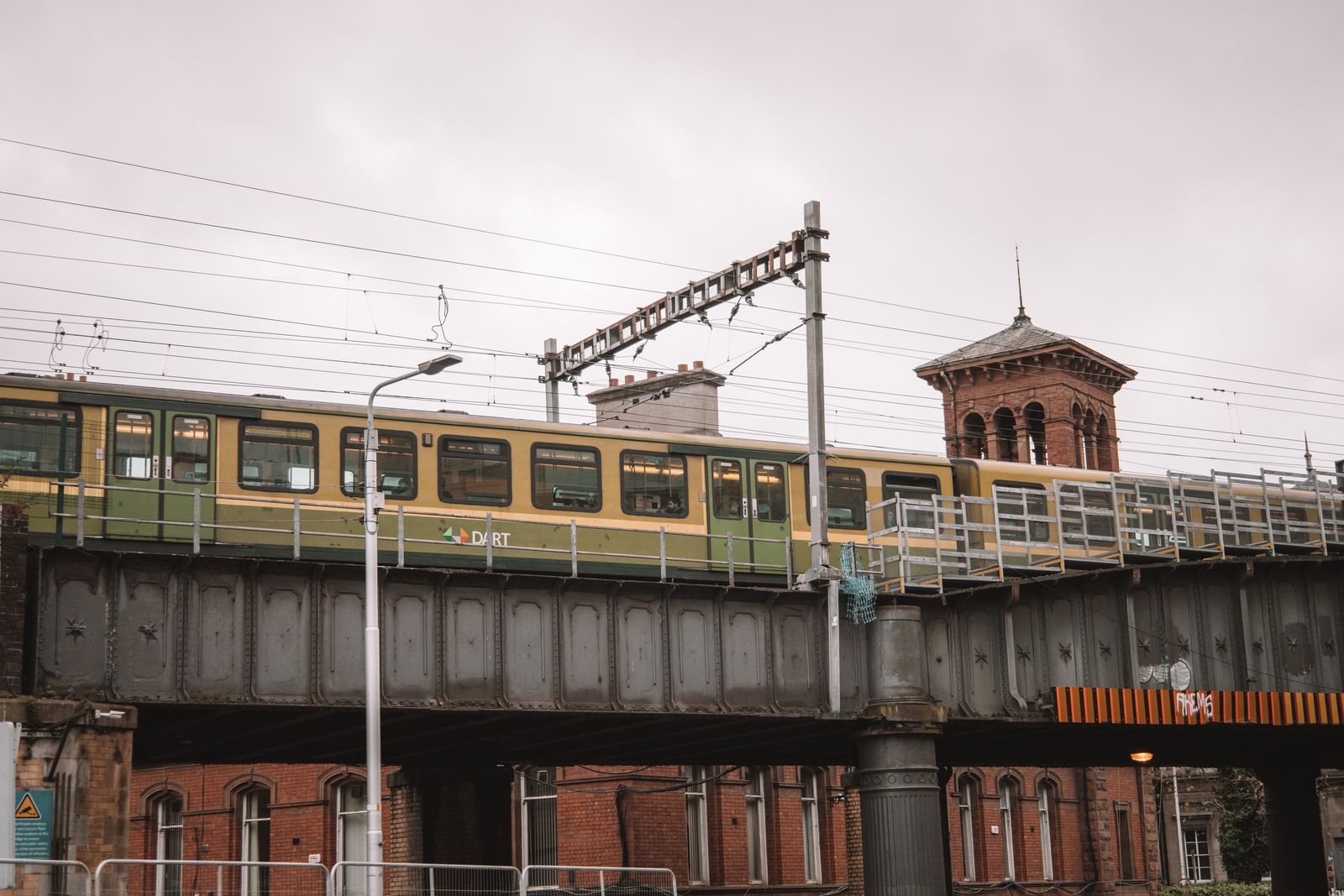
Iarnród Éireann runs trains in the Republic, NI Railways runs them in Northern Ireland, and the Enterprise links Dublin and Belfast. Bus Éireann and private coaches cover many intercity routes, and TFI Local Link buses serve rural areas. Dublin has Dublin Bus, Luas trams and DART coastal trains, and Transport for Ireland has a journey planner. Timetables change, so check with the operator.
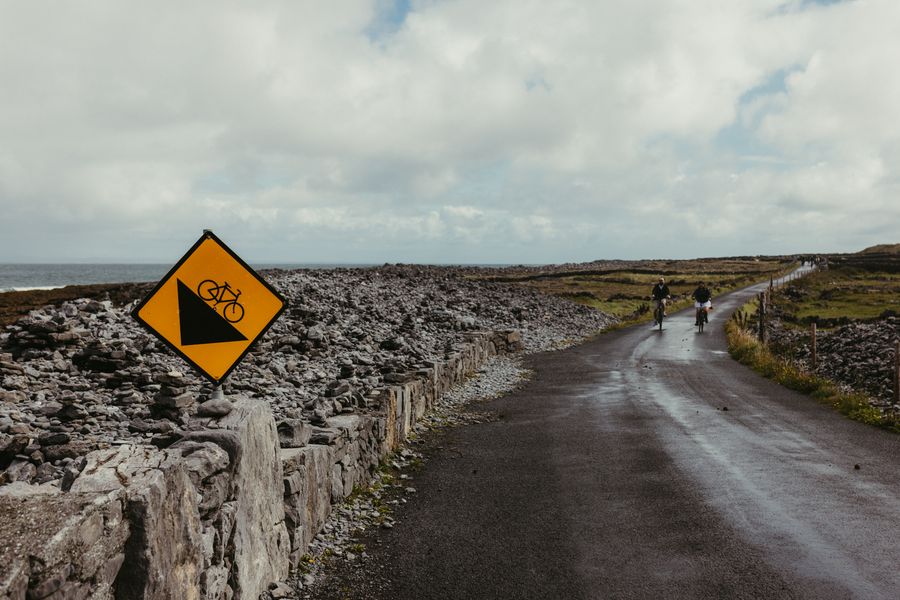
Traffic drives on the left everywhere on the island. The Republic uses kilometres, km/h and the euro. Northern Ireland is part of the United Kingdom and uses miles, mph and pounds sterling. There are no routine checks on roads crossing the border. The driving guide covers rules and road types, and the guide to getting around without a car sets out rail, coach and local bus options.
The long routes
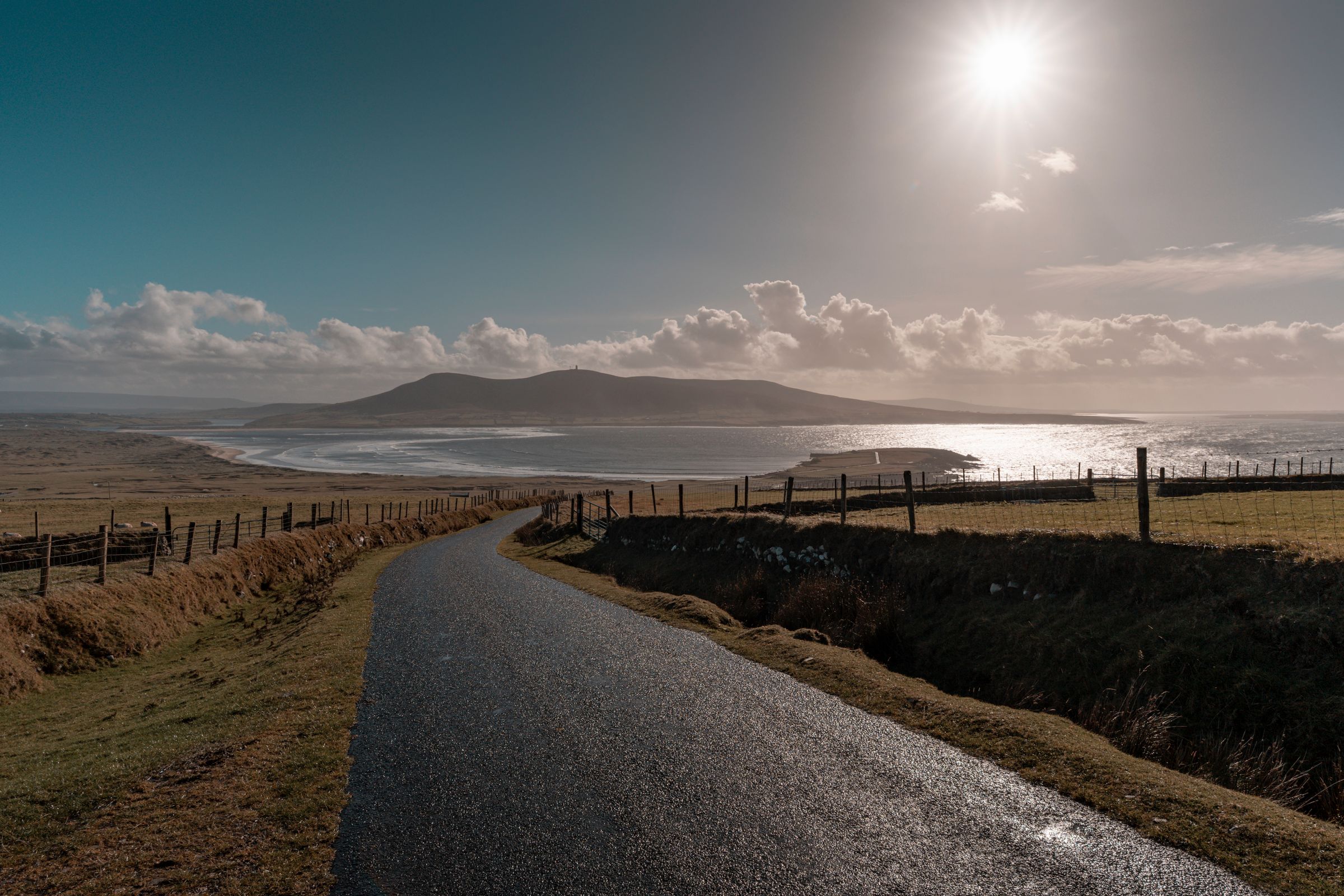
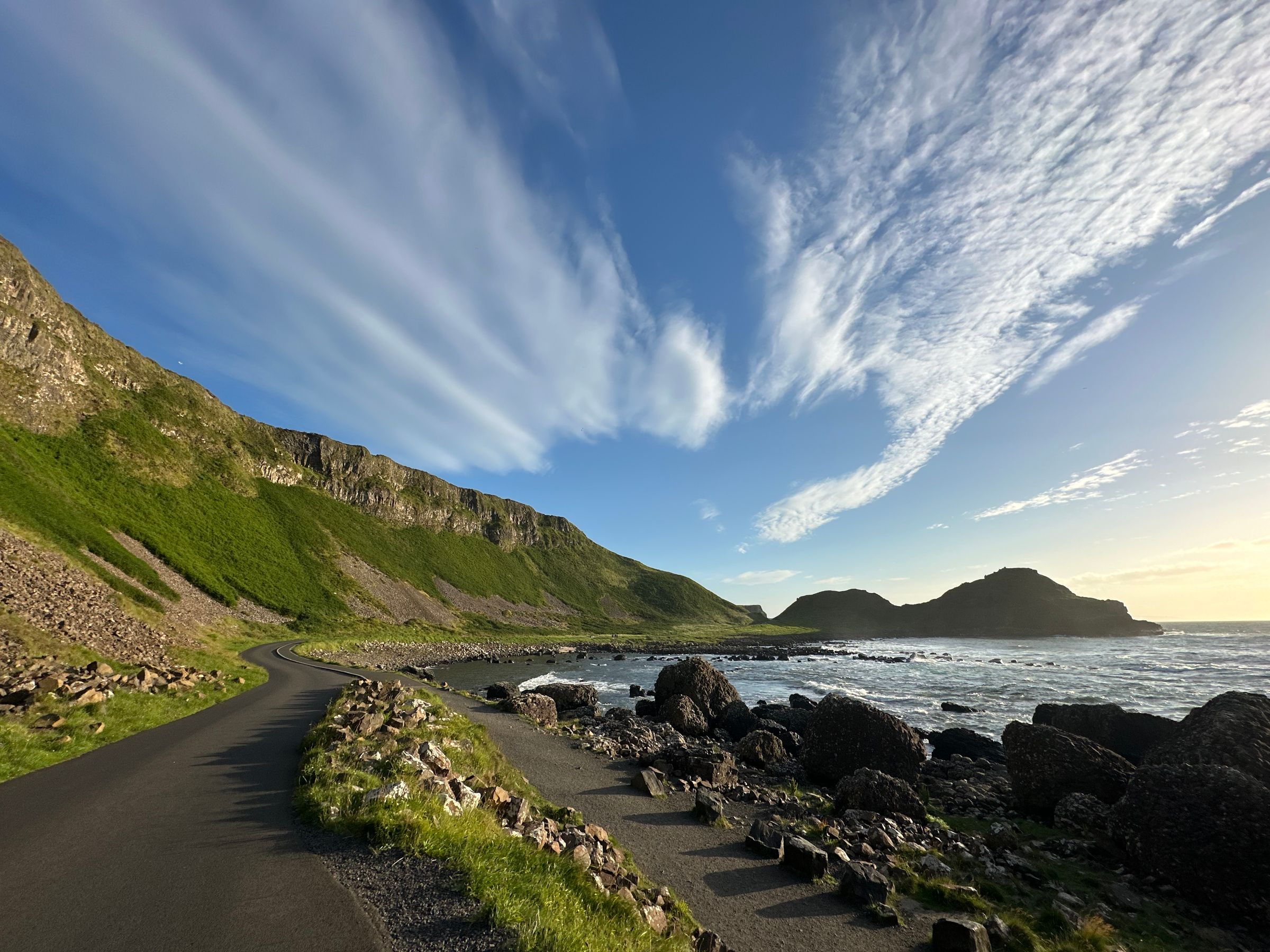
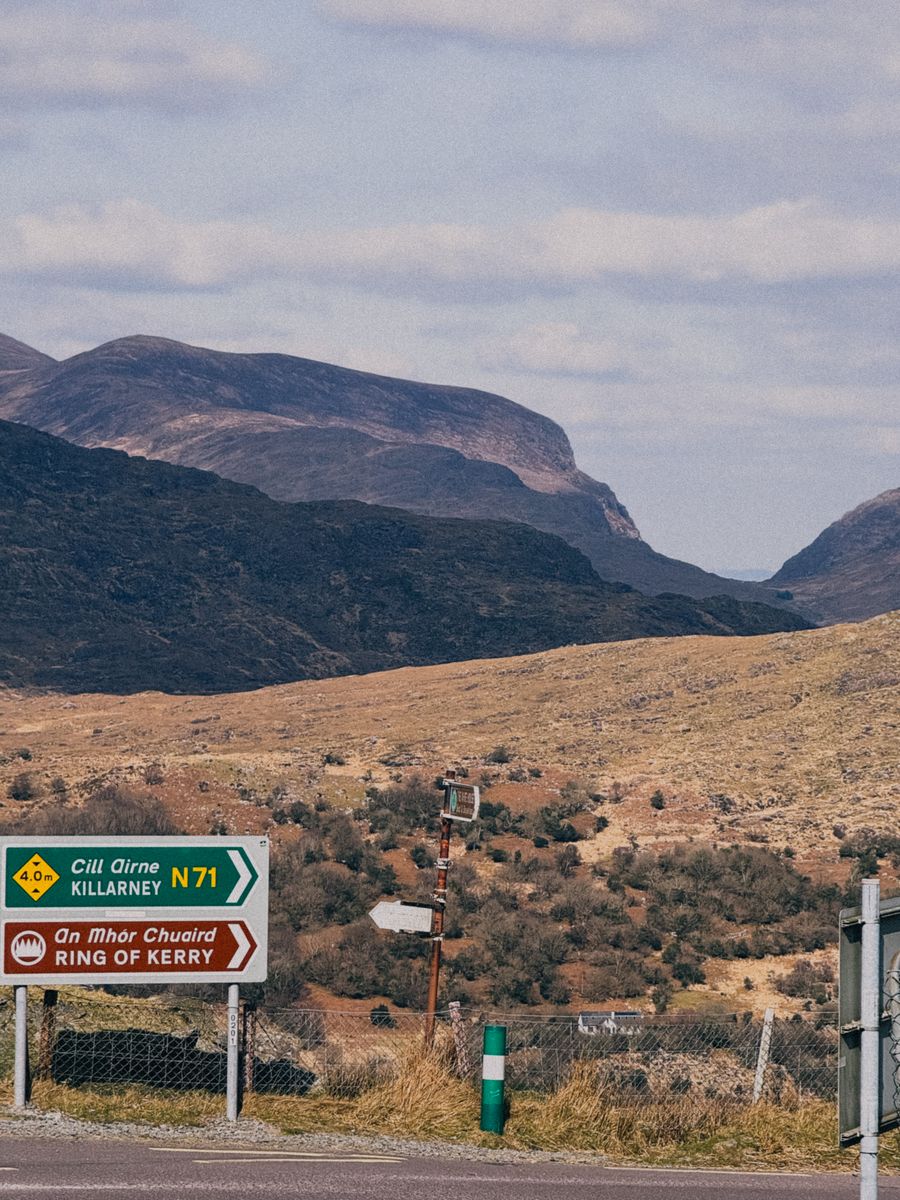
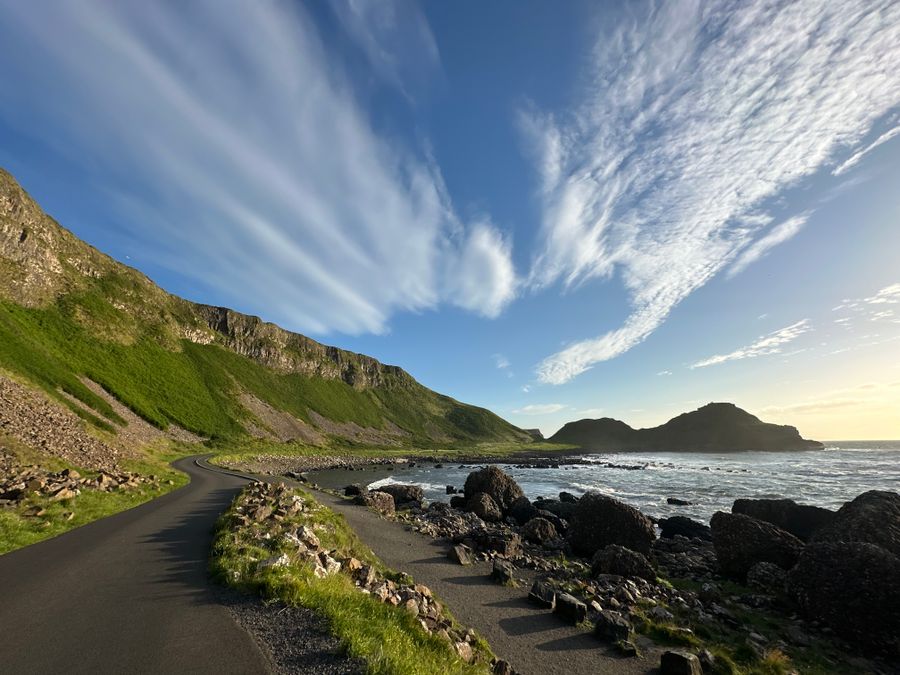
The Wild Atlantic Way is a signed coastal touring route along the west coast from Inishowen in Donegal to Kinsale in Cork. The Ring of Kerry loops the Iveragh Peninsula from Killarney. The Causeway Coastal Route runs between Belfast and Derry~Londonderry. Each can be driven in a day, but that leaves little time to stop. Two or more days suits each of them, and coach tours cover parts of all three.
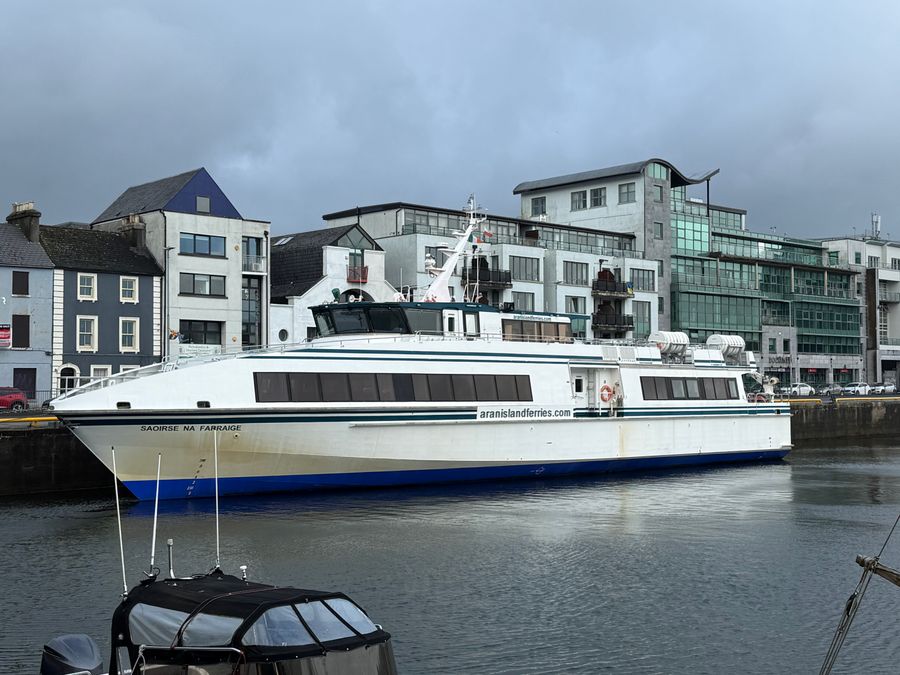
Ferries reach the islands, and the guide to ferries to the islands covers the main sailings. Skellig Michael landings run only in the summer season, weather permitting, with a limited number of licensed boats, so check with the Office of Public Works. Sailings can be cancelled for weather at any time of year, so keep a spare day in the plan and confirm details with the operator.
Ceisteanna · QuestionsAsked often.
When is the best time of year for a first trip to Ireland?+
Late spring and early autumn suit most first trips. Daylight is long enough for a full day out, and the main sites are less busy than in midsummer. Rain is possible in every month, so pack waterproofs whenever you come. Check opening seasons with the site or operator before fixing dates, as these change through the year.
How much daylight is there in Ireland in summer and winter?+
Around the June solstice Dublin gets about 17 hours of daylight. In late December that falls to about 7.5 hours. The difference matters for planning: summer allows long evenings of walking or driving, while winter days are short and best kept to one area. The further north you go, the more pronounced the change.
Can you see Ireland without a car?+
Yes, on the main corridors. Trains and coaches link the cities and many towns, and TFI Local Link buses serve rural routes. Some coastal and mountain places are awkward without a car. Timetables change, so check with the operator, and allow more time than a car would need. The guide to getting around without a car sets out the options.
Do you need a car for the Wild Atlantic Way?+
A car gives the most freedom on the Wild Atlantic Way, which follows the west coast from Donegal to Cork. Parts can be reached by coach or rail with local links, but coverage is patchy. The full route takes several days. Check road and weather conditions locally, and allow for slow stretches on narrow roads.
What is the difference between driving in the Republic and in Northern Ireland?+
Traffic drives on the left on both sides. The Republic uses kilometres, km/h and the euro. Northern Ireland is part of the United Kingdom and uses miles, mph and pounds sterling. There are no routine checks on roads crossing the border. Speed limits and signs follow each jurisdiction, so watch for the change after crossing.
Are the Ring of Kerry and the Causeway Coastal Route day trips?+
They can be driven in a day, but that leaves little time to stop. The Ring of Kerry loops the Iveragh Peninsula from Killarney, and the Causeway Coastal Route runs between Belfast and Derry~Londonderry. Both reward two or more days. Coach tours cover parts of each, and timetables change, so check with the operator.
How far ahead should ferries and island trips be booked?+
Book well ahead for island sailings in summer, when demand is highest. Skellig Michael landings run only in the summer season, weather permitting, with a limited number of licensed boats, so check with the Office of Public Works. Sailings can be cancelled for weather at any time of year, so keep a spare day in the plan.
Where will you wake up?
Pick a region and your dates. The search opens live availability with IMPT in a new tab.