Ireland has two currencies. The Republic of Ireland uses the euro. Northern Ireland is part of the United Kingdom and uses pounds sterling. Cards are accepted almost everywhere on both sides, but a little cash helps for rural buses, small shops and places that prefer it.
Two currencies
The island of Ireland holds two jurisdictions. The Republic of Ireland, with 26 counties, uses the euro. Northern Ireland, with 6 counties including Antrim, is part of the United Kingdom and uses pounds sterling. The border is open, with no routine checks on roads, but the money changes when you cross it.
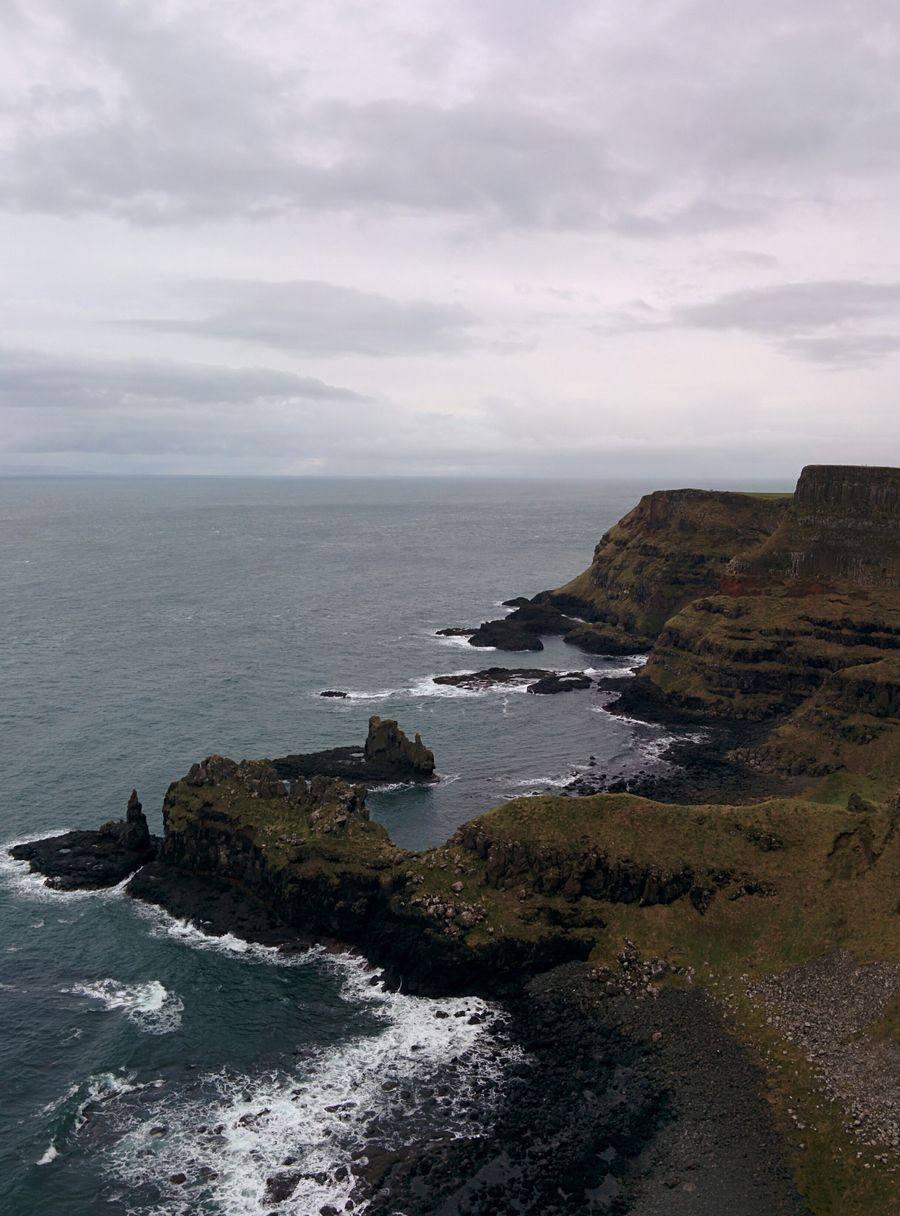
This matters most on touring routes that cross the border more than once. The Inishowen 100 in Donegal runs close to County Londonderry. The Causeway Coastal Route is entirely in Northern Ireland. A drive from Dublin to Belfast passes from euro to pounds without a sign to mark it.
Shops near the border sometimes accept the other currency, but the rate is rarely favourable and change may come in the local currency. It is simpler to hold a small amount of each and pay in the currency of the jurisdiction you are in.
Check the current exchange rate with the Central Bank of Ireland before you travel, and budget separately for the Republic and Northern Ireland.
Cards and contactless
Debit and credit cards are accepted in most shops, cafes, hotels and petrol stations on both sides. Contactless payment is common, and many places take it for small amounts. Visa and Mastercard are the most widely accepted. American Express is less common, especially outside cities.
In rural areas, card machines can be less reliable, and some small businesses prefer cash. A card that charges a foreign transaction fee will add to the cost of every purchase. Check with your bank before travelling and consider a card that does not charge for use abroad.
Some card terminals in the Republic may offer to charge you in your home currency rather than in euro. This is called dynamic currency conversion. Paying in the local currency is usually cheaper, though the difference varies.
Cash and ATMs
Cash is still useful. Rural buses, some taxis, small shops and market stalls may prefer it. A modest amount of euro and pounds covers the gaps. ATMs are found in towns and cities on both sides, though they are thinner on the ground in remote areas.
ATMs in the Republic dispense euro. ATMs in Northern Ireland dispense pounds. Your bank may charge for withdrawals abroad, and the ATM operator may add a fee. Check the screen before confirming a withdrawal.
Banks on both sides can exchange currency, but not every branch handles it, and rates vary. Post offices in the Republic and Northern Ireland also offer currency exchange. Airport exchange desks are convenient but usually offer poorer rates.
Withdraw cash from an ATM during opening hours in a town or city, and keep a small reserve in each currency for rural stretches.
Pounds in the north
Northern Ireland uses pounds sterling. Banknotes issued by banks in Northern Ireland and Scotland circulate alongside Bank of England notes. They are legal currency in the UK, but some businesses in Great Britain may be less familiar with them.
If you are travelling on to the Republic, note that Northern Ireland banknotes are not accepted there. Spend or exchange them before crossing the border. The reverse is also true: euro is not accepted in Northern Ireland, except occasionally at a poor rate near the border.
Cards work the same way in Northern Ireland as in the Republic, though your bank may treat a transaction in pounds as a foreign currency purchase. Check whether your card charges for purchases in sterling.
Where cards work
Hotels, larger shops, restaurants and petrol stations on both sides generally accept cards. Smaller cafes, market stalls and rural pubs may be cash only or have a minimum spend for cards. It is worth asking before ordering.
Public transport is increasingly cashless. Dublin Bus and the Luas accept Leap Cards and contactless payment. Iarnród Éireann and Bus Éireann sell tickets online and at stations. In Northern Ireland, Translink sells tickets online and at stations, and some services accept contactless.
Heritage sites run by the Office of Public Works in the Republic and by the Department for Communities in Northern Ireland accept cards at staffed sites. Smaller sites may have an honesty box or no charge at all.
Budgeting for a trip
Prices in the Republic are in euro. Prices in Northern Ireland are in pounds. When comparing costs, convert to a single currency. The difference in value between the two currencies changes, so check before you travel.
Accommodation, car hire and tours are often priced in the currency of the jurisdiction. A booking made for a hotel in Dublin will be in euro. A booking in Belfast will be in pounds. Your card provider will convert at its own rate if you pay in a different currency.
Tipping is not compulsory. In restaurants, a tip of around ten per cent is common if service is not included. In pubs, rounding up is usual. Taxi drivers are often given a small tip. Check the bill for a service charge.
Keep a rough record of spending in both currencies, and check your card statement for foreign transaction fees after the first few days.
If something goes wrong
If a card is lost or stolen, contact your bank immediately. Most banks have a 24-hour emergency number. In the Republic, you can also report the loss to the Garda Síochána. In Northern Ireland, report it to the Police Service of Northern Ireland.
If an ATM retains your card, contact the bank that operates the machine. Keep the receipt if one is issued. If you are overcharged or a payment is declined, ask the business for a receipt and check with your bank.
The emergency number on both sides of the border is 112 or 999. For non-emergency police matters in the Republic, contact the local Garda station. In Northern Ireland, use the non-emergency number for the Police Service of Northern Ireland.