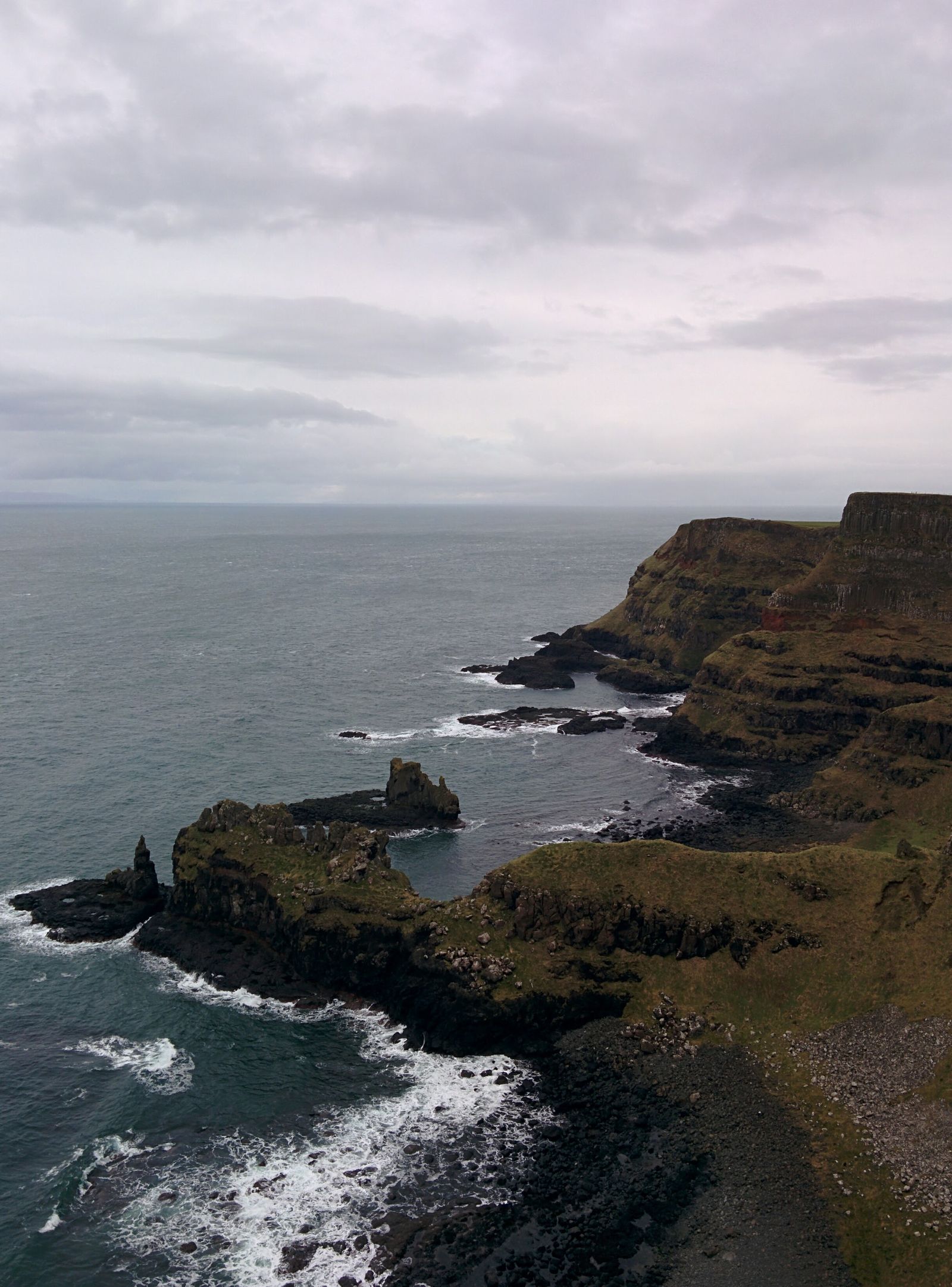
Northern Ireland is the six-county part of the island that belongs to the United Kingdom. It shares a land border with the Republic but has its own currency, road signs, transport operators and heritage bodies. A trip across is straightforward, provided you know what changes.
Two jurisdictions
The island of Ireland holds two jurisdictions. The Republic of Ireland covers 26 counties and uses the euro, kilometres and km/h. Northern Ireland covers six counties, including Antrim, Down, Armagh, Tyrone, Fermanagh and Derry~Londonderry, and is part of the United Kingdom. It uses pounds sterling, miles and mph.
There are no routine checks on roads crossing the border. You drive through without stopping. Signs change from kilometres to miles, and speed limits change with them, so watch the roadside markers as you approach.
The border runs between Donegal and Derry~Londonderry, between Leitrim and Fermanagh, and between Louth and Armagh and Down. Roads cross it in many places, often without any marker at all beyond a change of sign. Some minor roads are narrow and winding, so allow extra time on cross-border journeys.
Money and payments
Northern Ireland uses pounds sterling, not the euro. Banknotes issued by Northern Irish banks circulate alongside Bank of England notes, and shops on both sides of the border generally accept the other currency at their own exchange rate, though the rate is rarely favourable.
Cards are widely accepted in towns and at larger sites. Smaller places, rural car parks and some market stalls may be cash only, so it helps to carry a little sterling. Cash machines are common in towns.
If you hold euro and plan to spend time in the north, change money at a bank or use a cash machine rather than relying on shop exchange. Check with your own bank about card fees before you travel.
Entry rules depend on your passport. Check the Irish Immigration Service for the Republic and gov.uk for Northern Ireland before booking.
Driving and signs
Traffic drives on the left everywhere on the island, so that does not change at the border. What changes is the unit: speed limits in Northern Ireland are posted in miles per hour, and distance signs are in miles.
Road signs in Northern Ireland follow UK practice, with different colours and shapes from those in the Republic. Direction signs are green for primary routes and white for others. Warning signs are triangular.
Hire cars can generally be taken across the border, but tell the hire company if you plan to do so and check the insurance terms. Fuel is sold in litres on both sides, though prices differ. Parking rules and blue badge arrangements are set separately in the north.
Check road conditions and any closures with Trafficwatch NI before setting out, and with the PSNI for incidents on the day.
Entry and passports
Ireland is not in the Schengen area, and Northern Ireland sits within the UK's own arrangements. Entry rules depend on the passport you hold, and the two jurisdictions apply different rules even though the land border is open.
For the Republic, check the Irish Immigration Service. For Northern Ireland, check gov.uk. Common Travel Area arrangements give British and Irish citizens particular freedoms, but other nationalities should check both sets of rules if the trip crosses the border.
If you need a visa for one jurisdiction and not the other, plan the route carefully. A short trip that crosses the border counts as entering both countries, so both sets of requirements apply. Keep any documents to hand, as carriers may ask to see them even where the land border is unchecked.
Trains, coaches and ferries
The Enterprise train links Dublin and Belfast, run jointly by Iarnród Éireann and NI Railways. NI Railways (Translink) runs trains and buses within Northern Ireland, including the coastal line from Belfast towards Derry~Londonderry. The coastal line passes close to the Causeway Coast and is useful for reaching Portrush and Coleraine without a car.
Coach services link Dublin and Belfast and continue to towns further north. Cross-border coach routes are run by Bus Éireann and private operators, with separate ticketing from Translink services. Fares and timetables are set by each operator, so a ticket bought for one network does not carry over to the other.
Ferries cross from Great Britain to Belfast and Larne. Timetables change by season, so check with the operator before booking. Transport for Ireland's journey planner covers the Republic; Translink covers the north. Allow time at either end, as port transfers and check-in add to the crossing.
Who looks after what
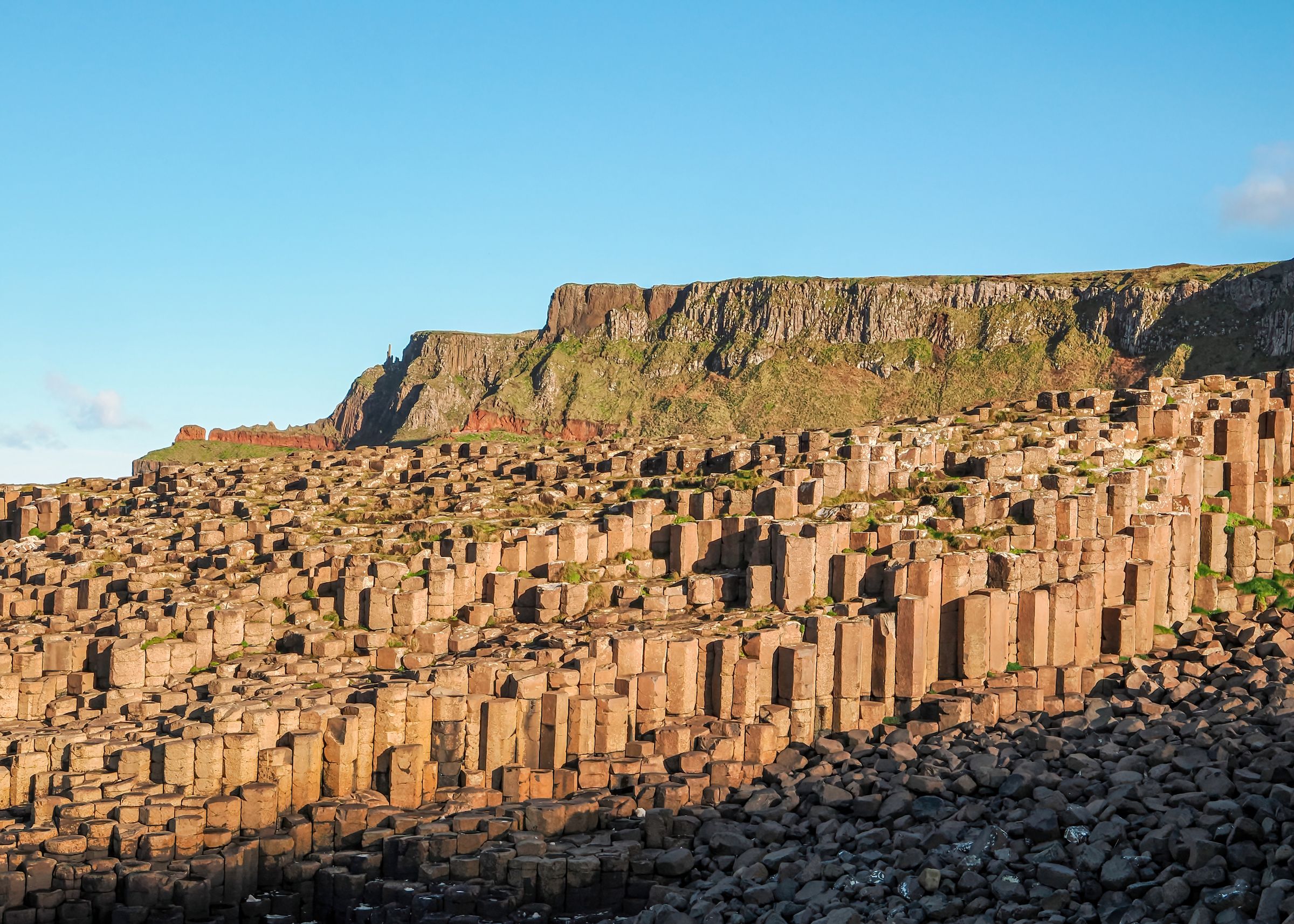
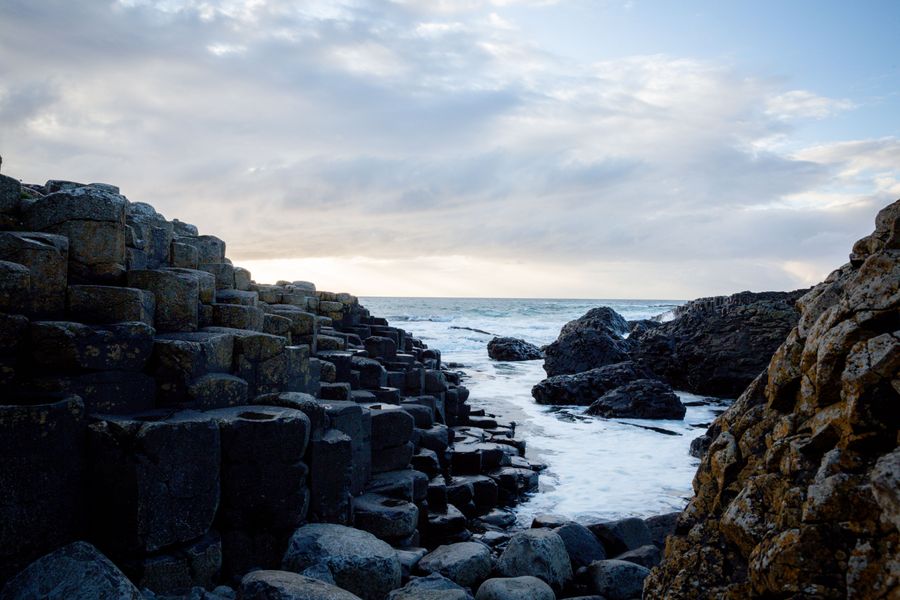
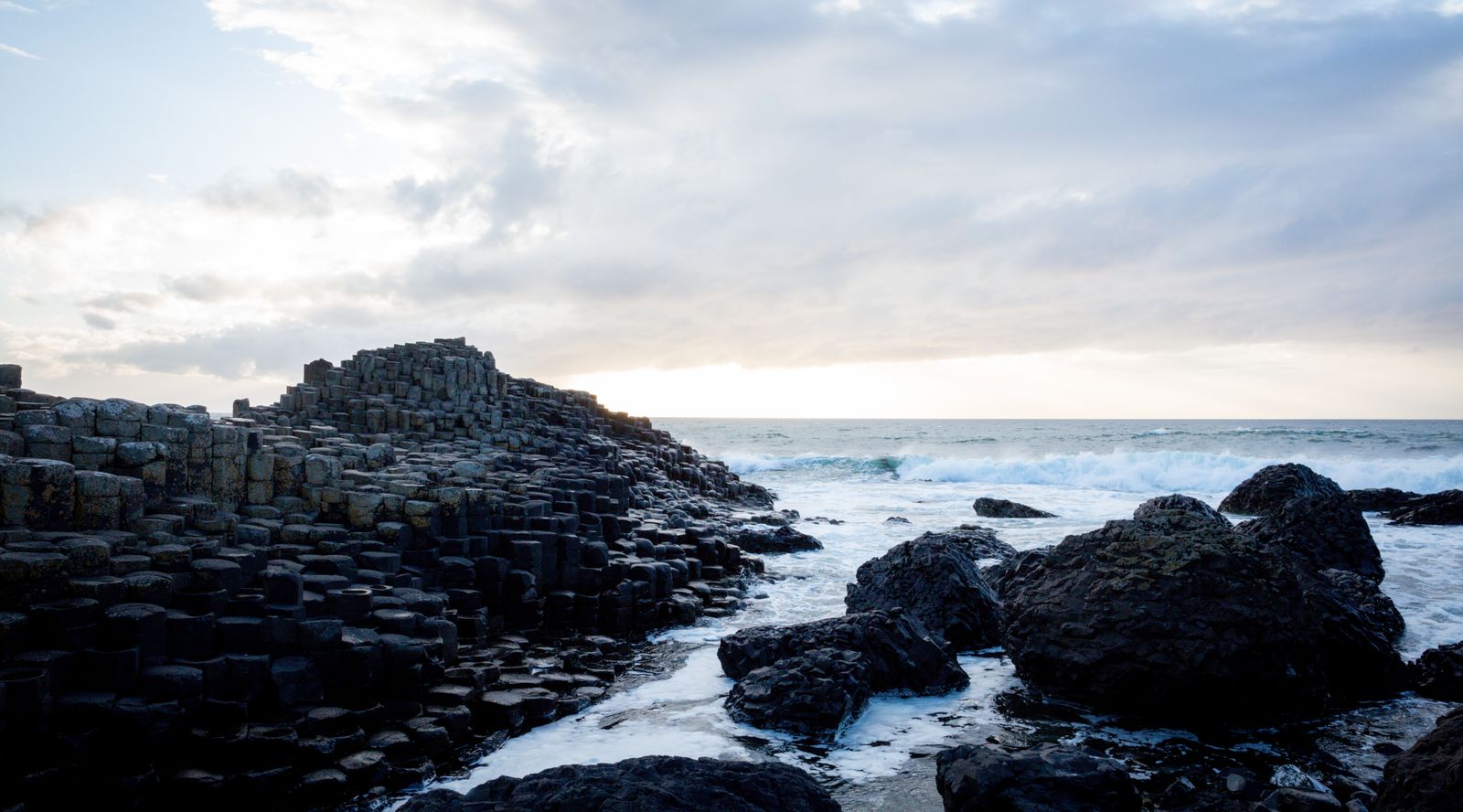
Heritage in Northern Ireland is managed differently from the Republic. The Giant's Causeway and its coast are cared for by the National Trust. State monuments are the responsibility of the Department for Communities.
In the Republic, many heritage sites are run by the Office of Public Works through Heritage Ireland, and the national parks by the National Parks and Wildlife Service. A membership or pass for one system does not cover the other.
The Giant's Causeway and Causeway Coast is a UNESCO World Heritage Site. So are Skellig Michael and Brú na Bóinne, both in the Republic. Each is managed by its own body, with its own booking arrangements.
Basing on the Causeway Coast
The booking search on this page is set to the Causeway region. The nearest towns that make a good base are Bushmills, Portrush, Portstewart, Coleraine and Ballycastle. Each has its own character and its own access to the coast.
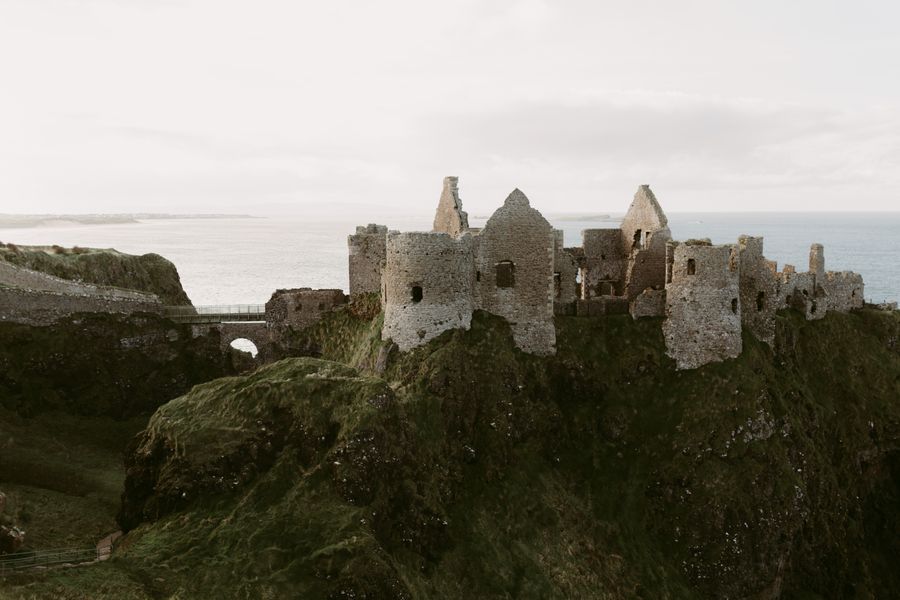
Bushmills sits closest to the Giant's Causeway and Dunluce Castle, with the coast road running through. Portrush and Portstewart have beaches and a busier town centre. Coleraine is larger and has rail links. Ballycastle sits at the eastern end, near the rope bridge at Carrick-a-Rede.
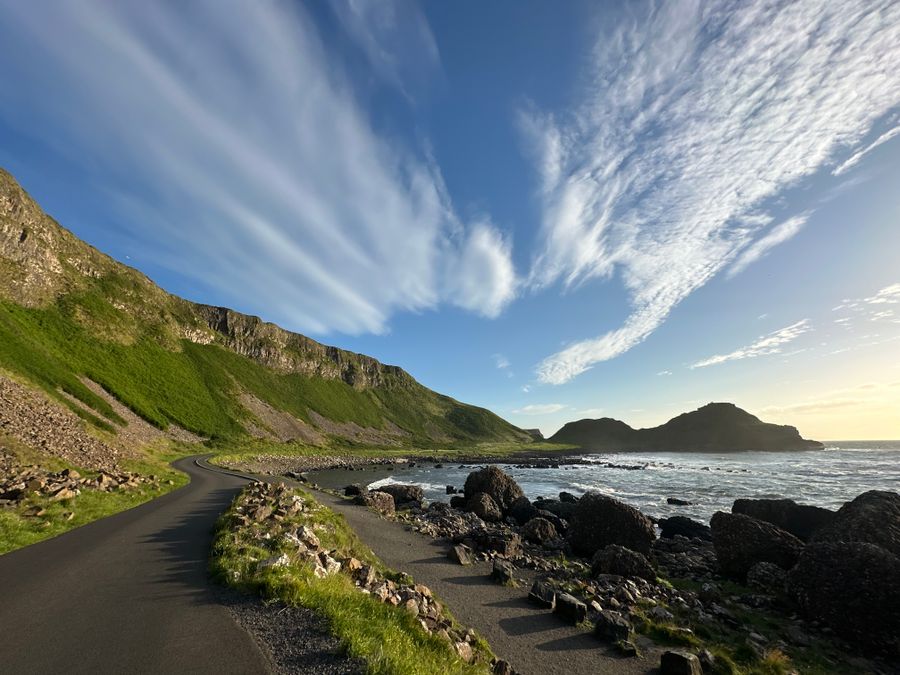
The Causeway Coastal Route runs between Belfast and Derry~Londonderry, and the towns along it are linked by rail and bus. A car gives the most freedom, but the train from Belfast reaches Portrush and Coleraine, and buses fill in the rest. Check timetables with Translink, as services thin out at weekends and in winter.
Practical differences
Plugs are the three-pin type G on both sides of the border, so adapters bought for the Republic work in the north. The emergency number is 112 or 999 throughout the island.
Public holidays differ. Northern Ireland follows UK bank holidays, while the Republic has its own set. Shops and transport may run different hours around them, so check before planning a day.
Daylight is the same across the island, from about 17 hours around the June solstice to about 7.5 hours in late December in Dublin. The climate is temperate oceanic everywhere, with rain possible in any month and the west wetter than the east.