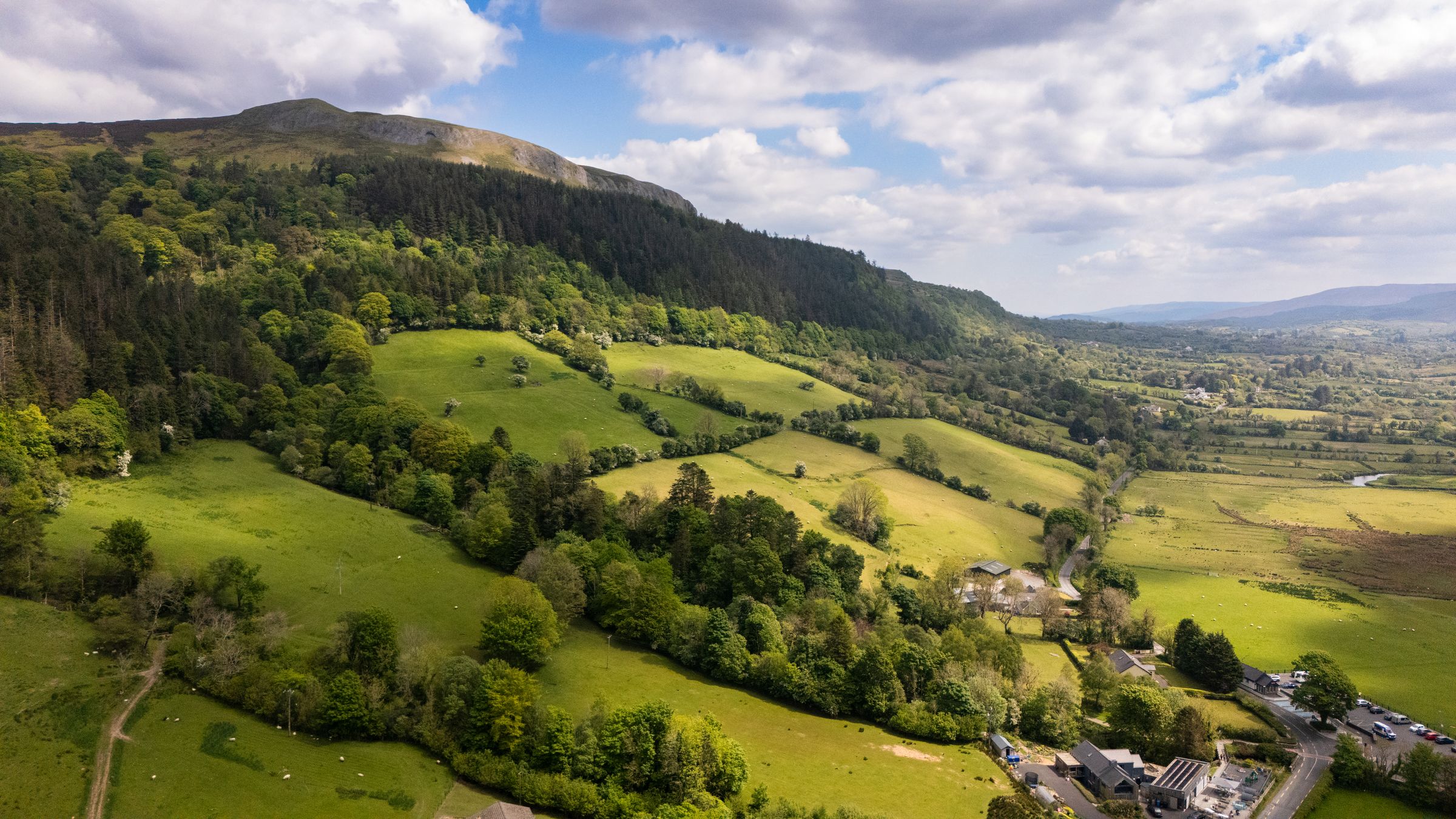
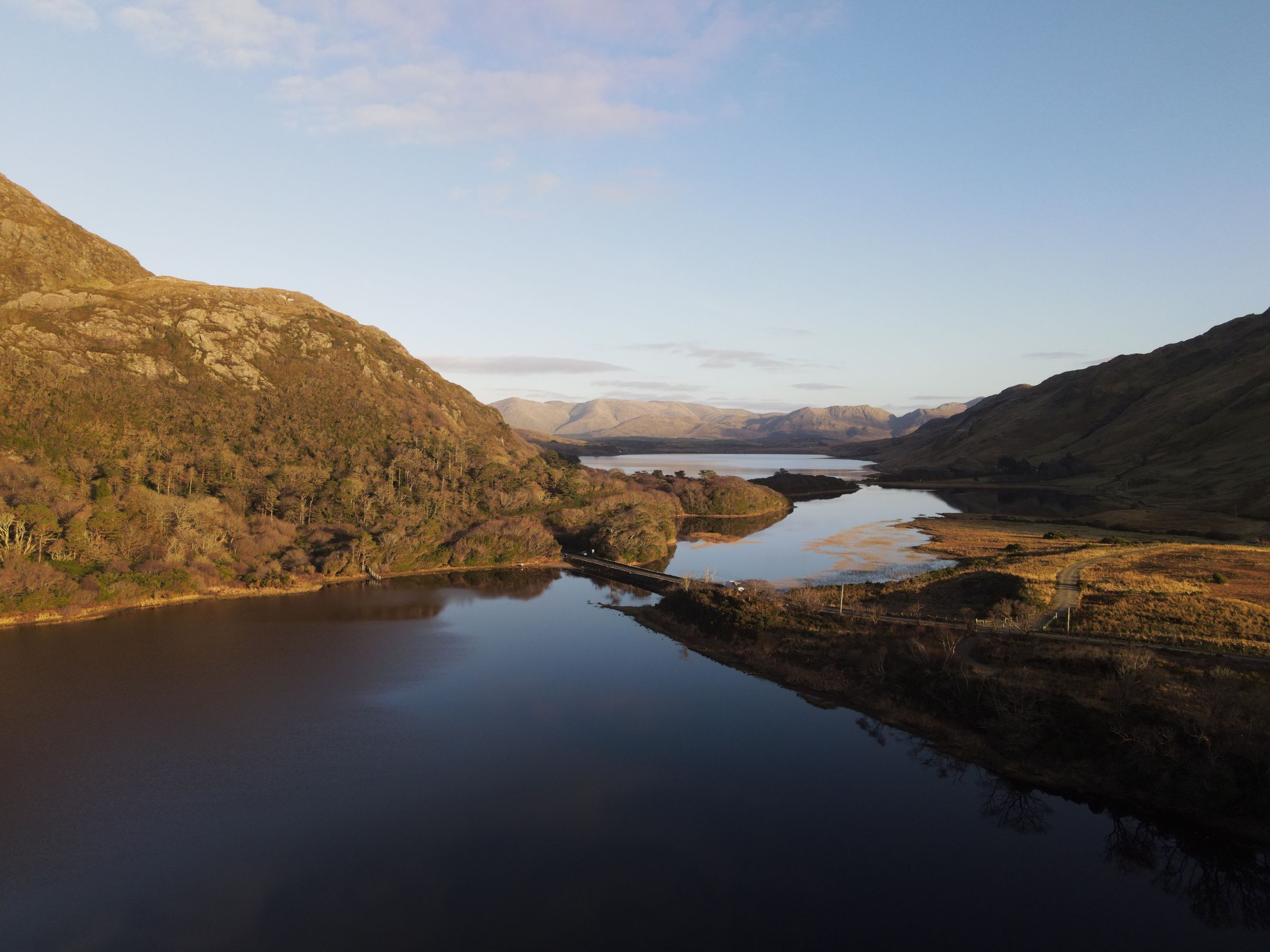
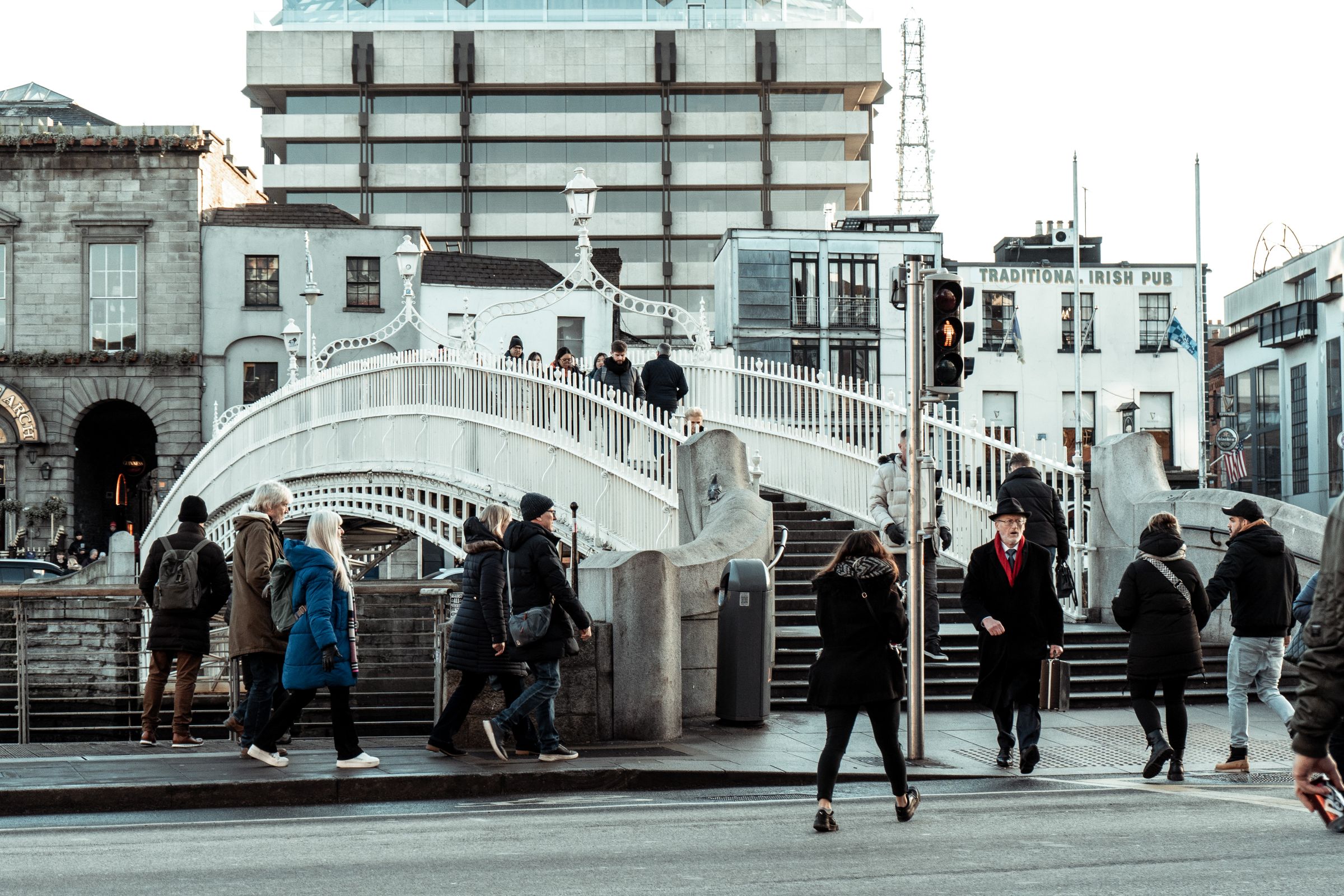
36 stories in 3 themes
Shorter pieces on the things that make Ireland what it is: the weather, the green, the music in the pubs and the language on the road signs.
Nature
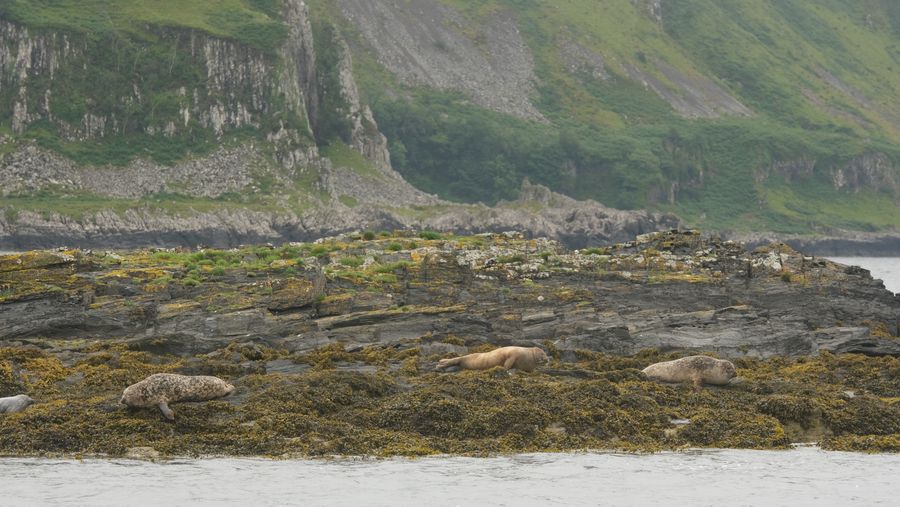
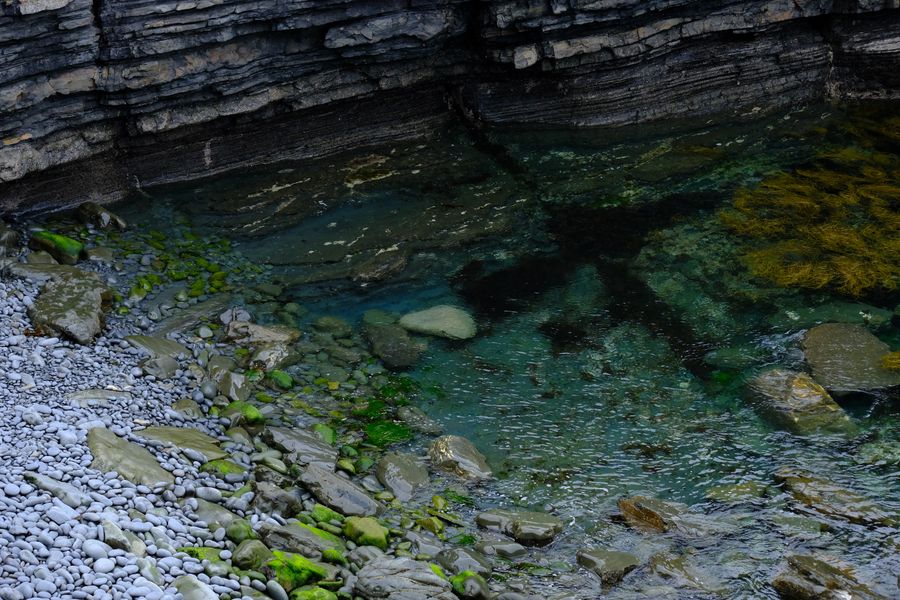
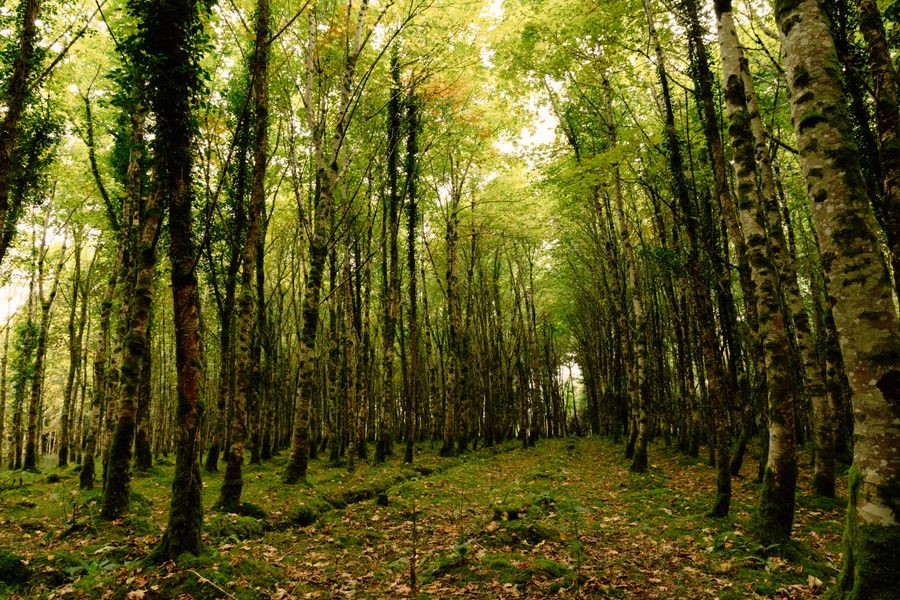
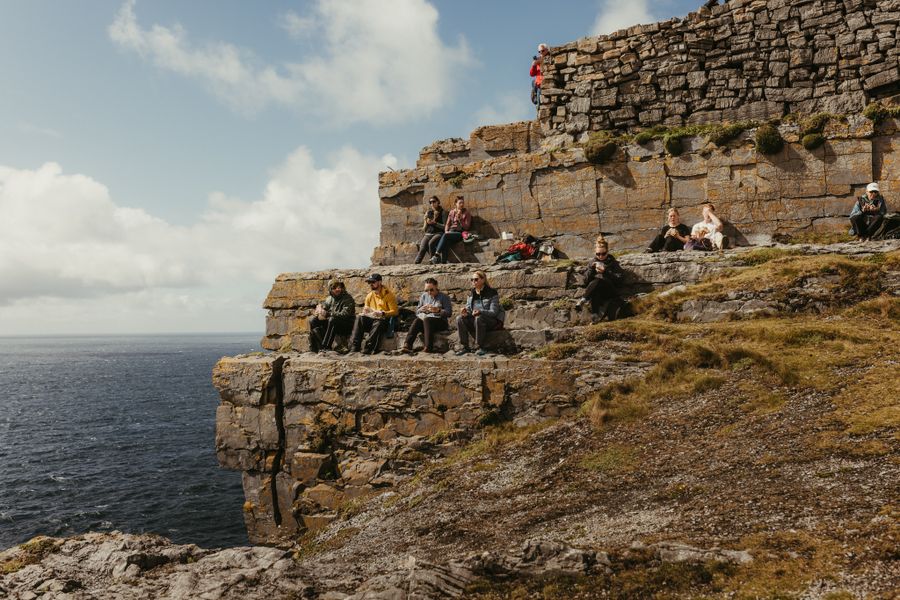
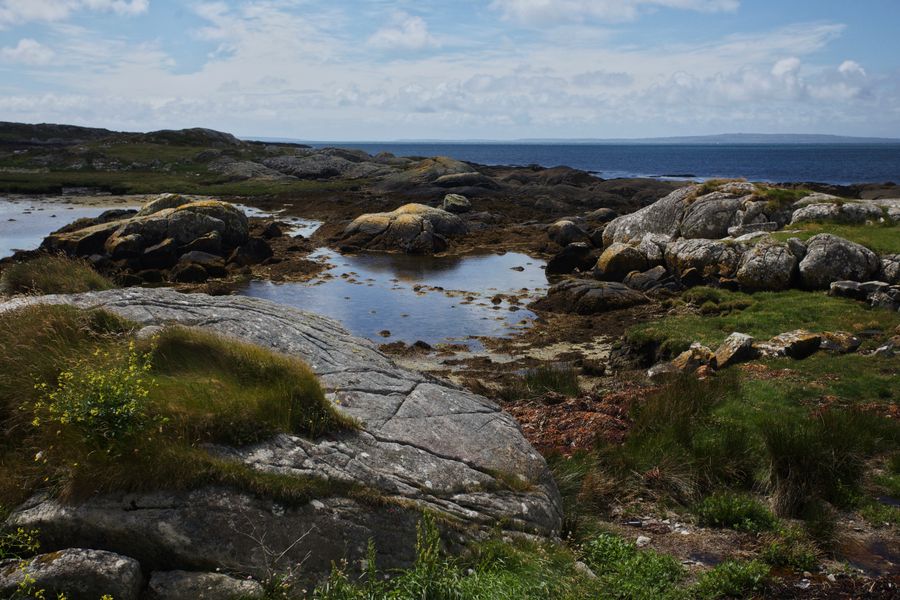
Weather, wildlife and the shape of the land.
12 stories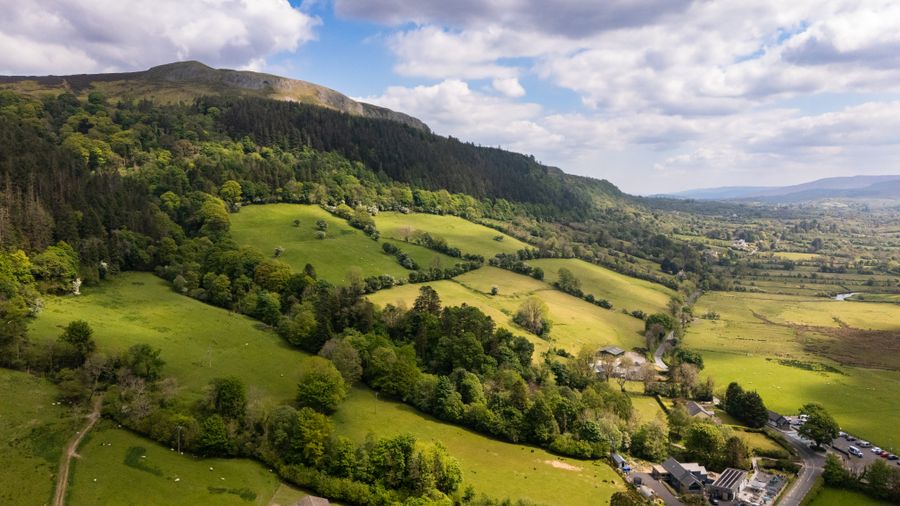
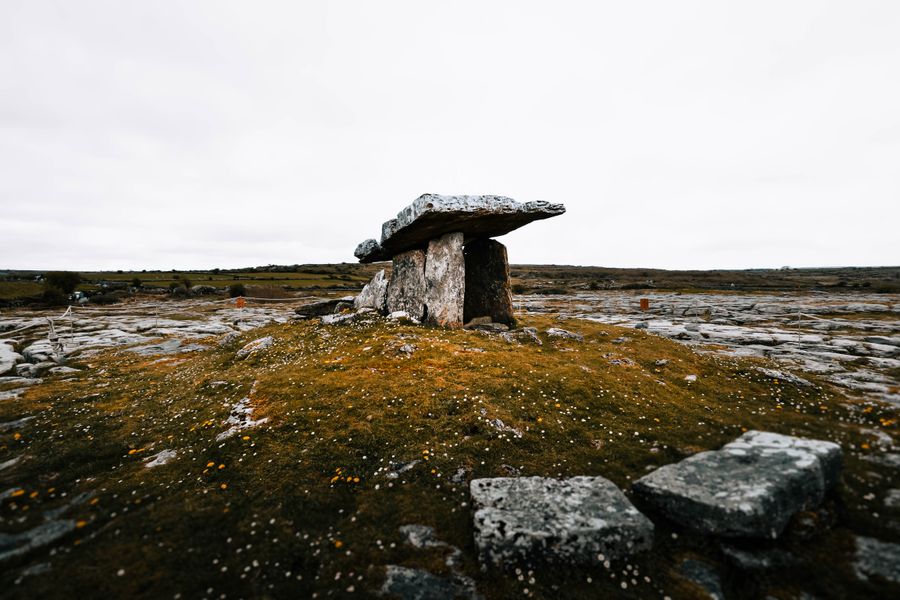

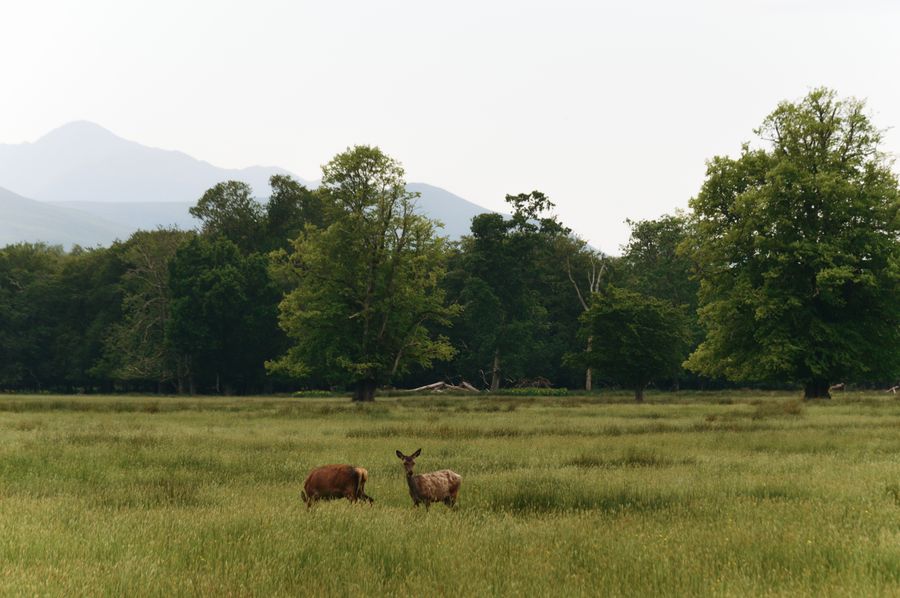
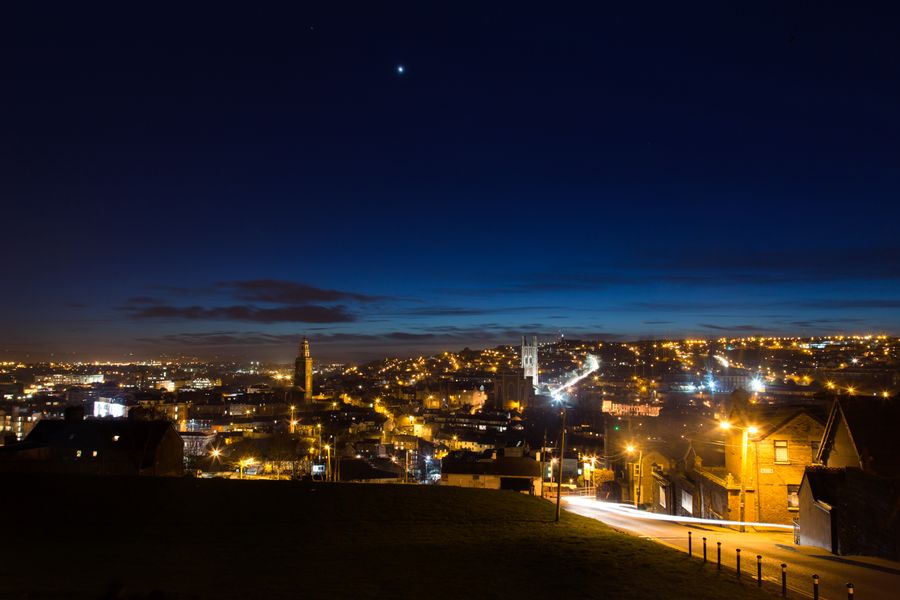
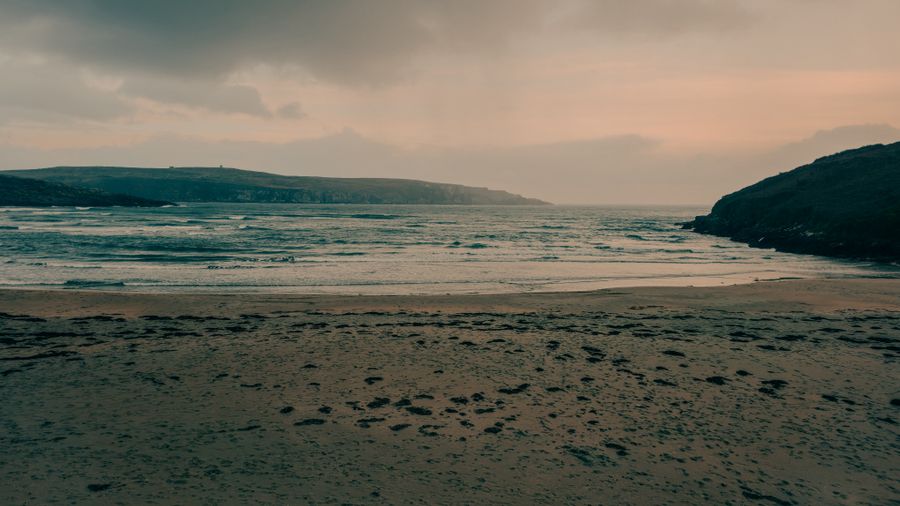
Culture
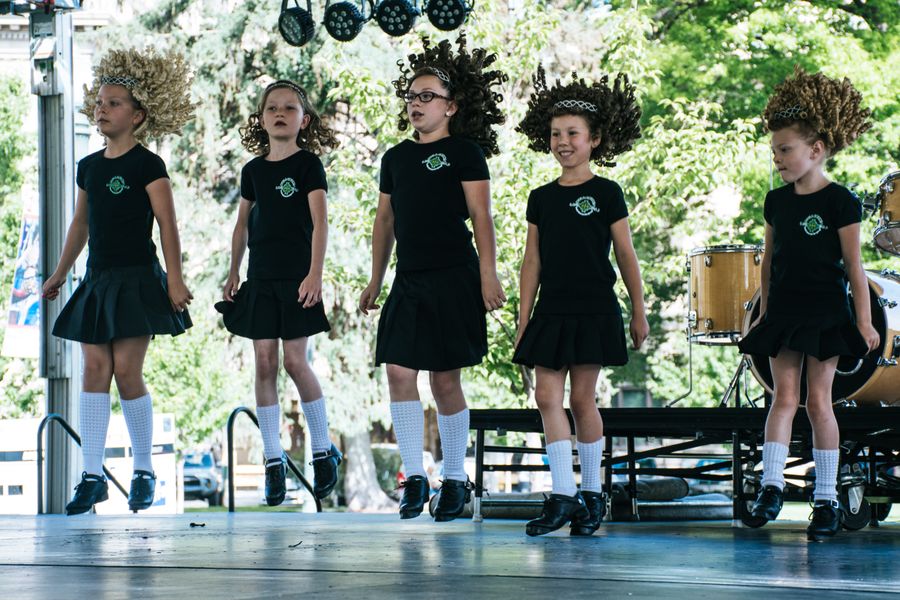
Language, music and the buildings of the cities.
17 stories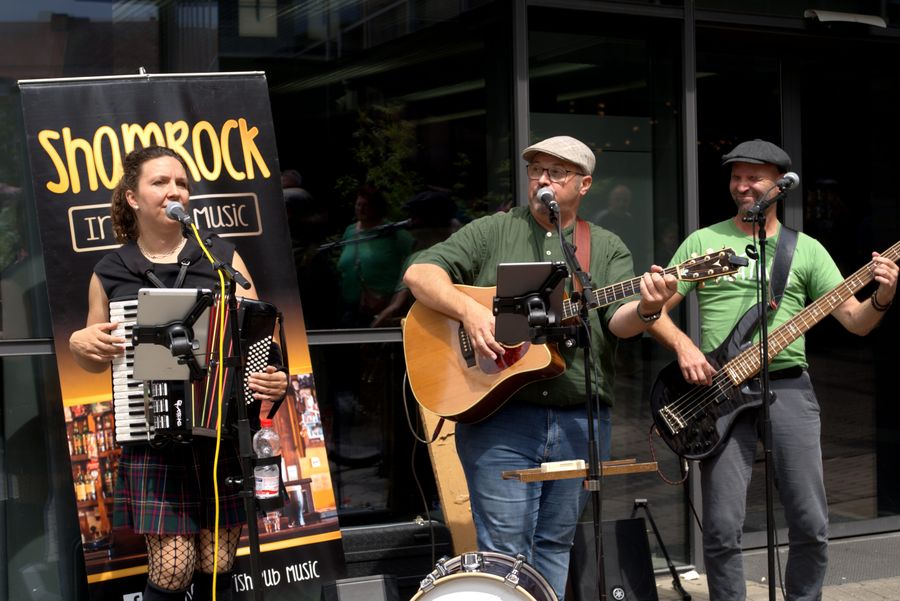
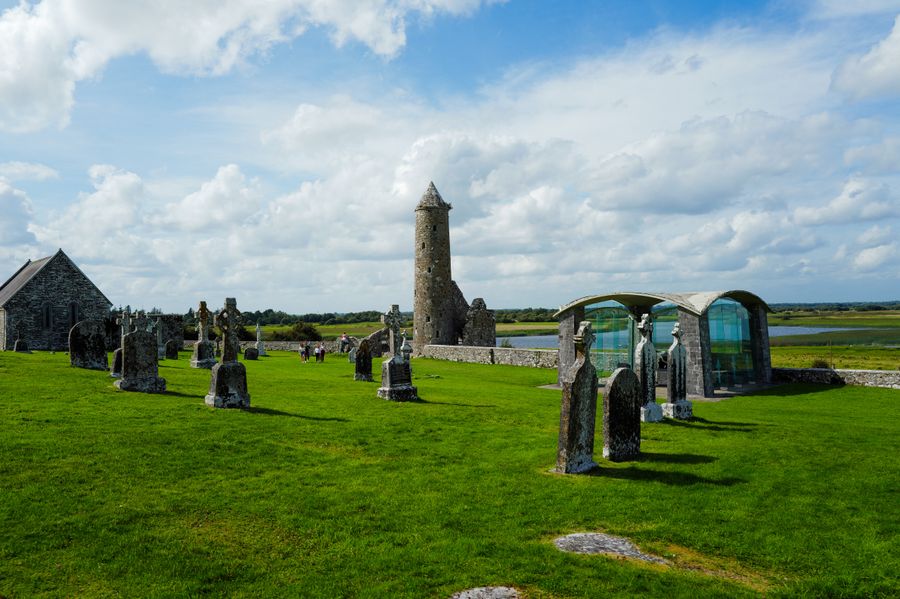
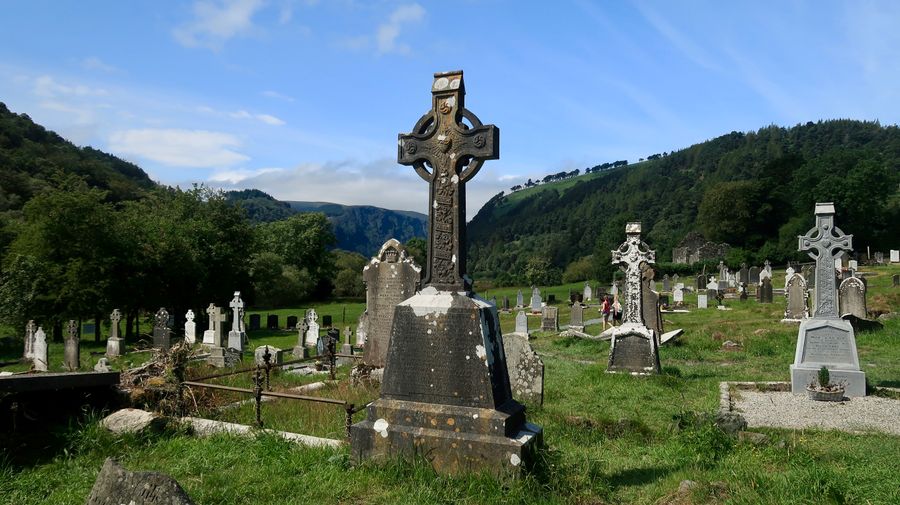
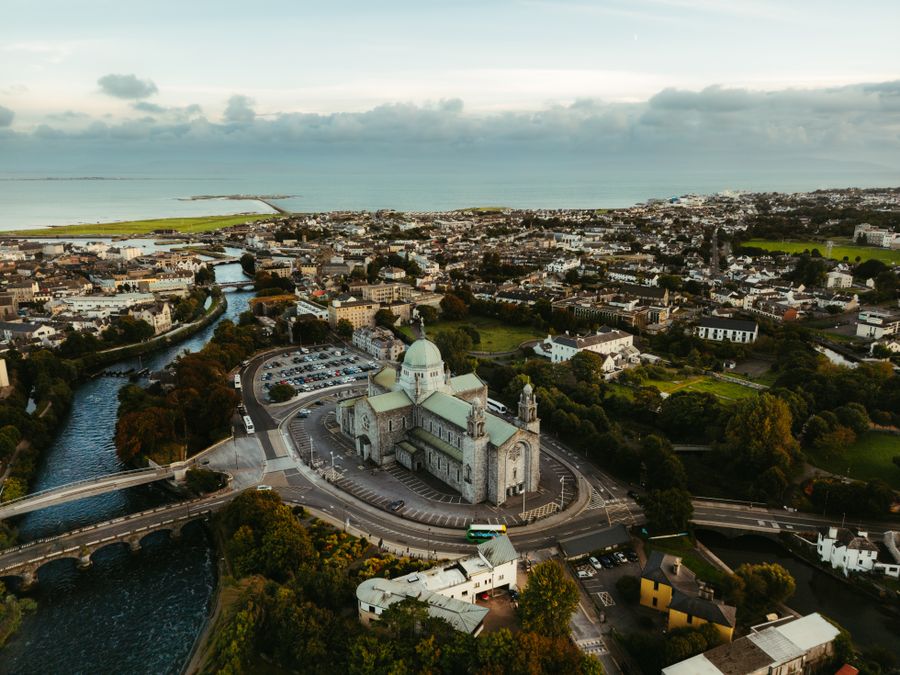
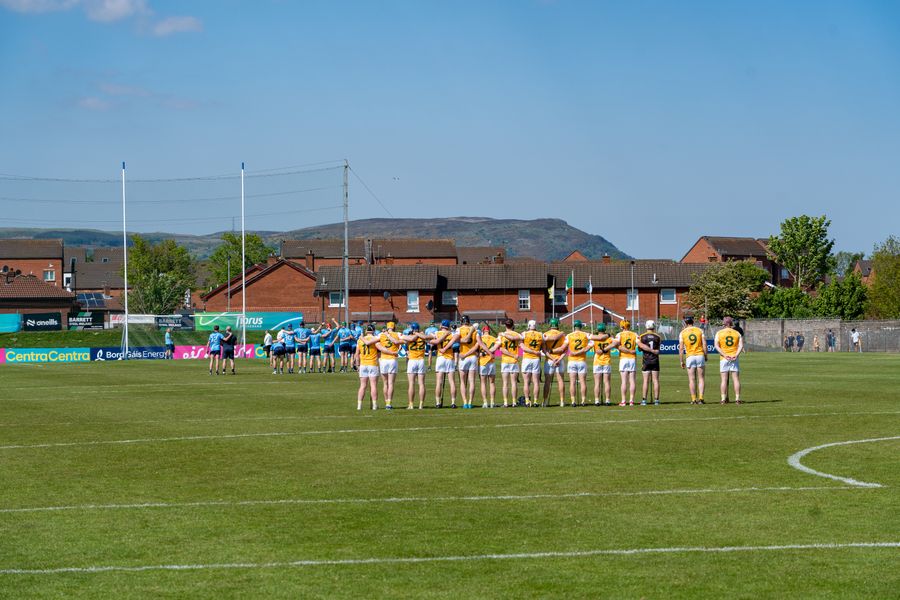

Seasons
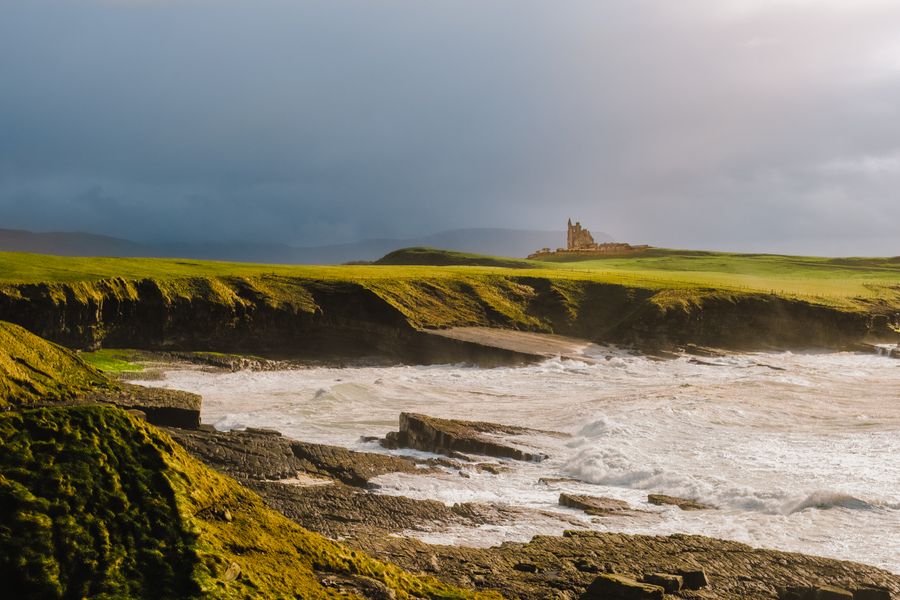
What changes through the year.
7 stories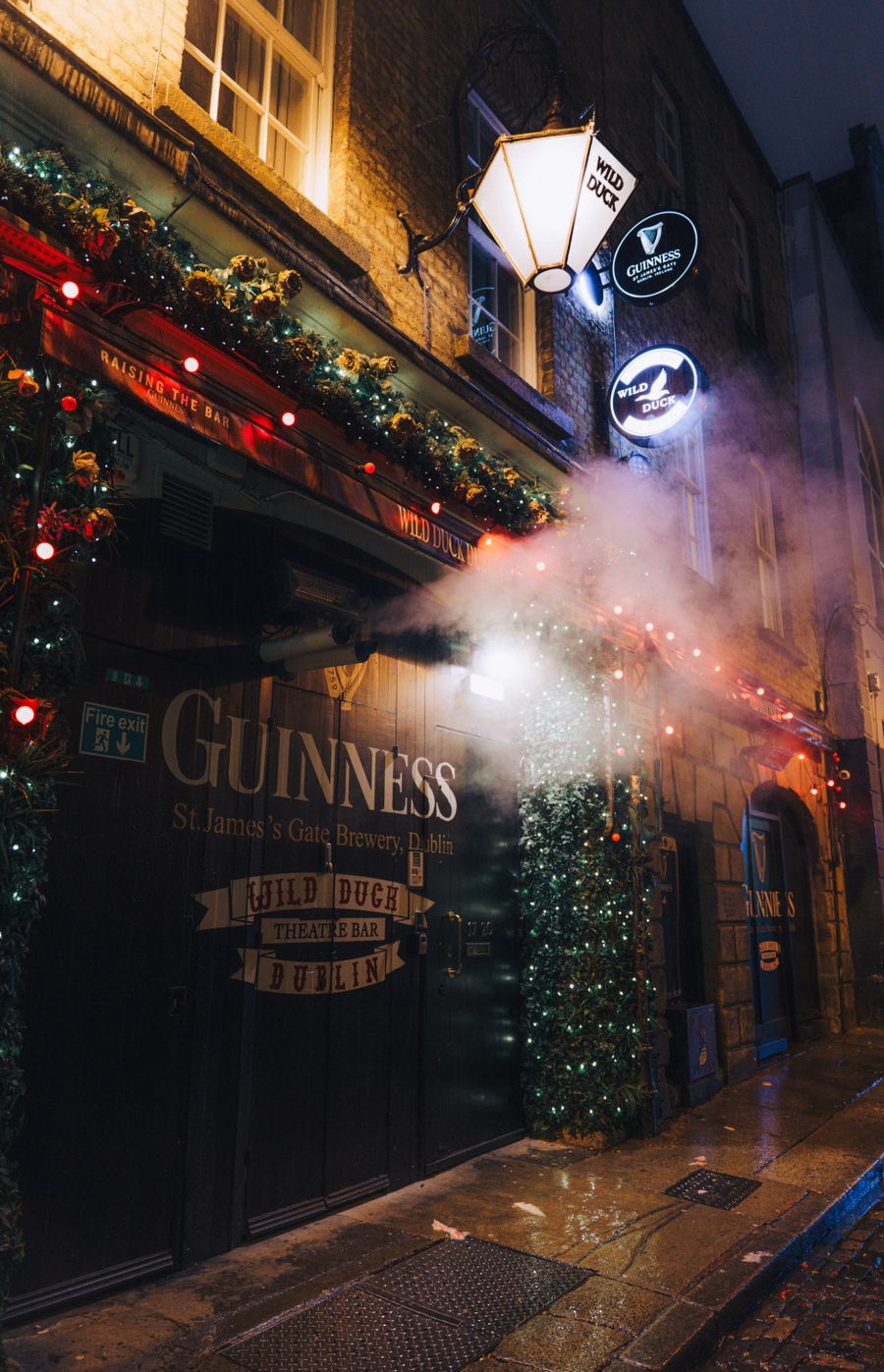
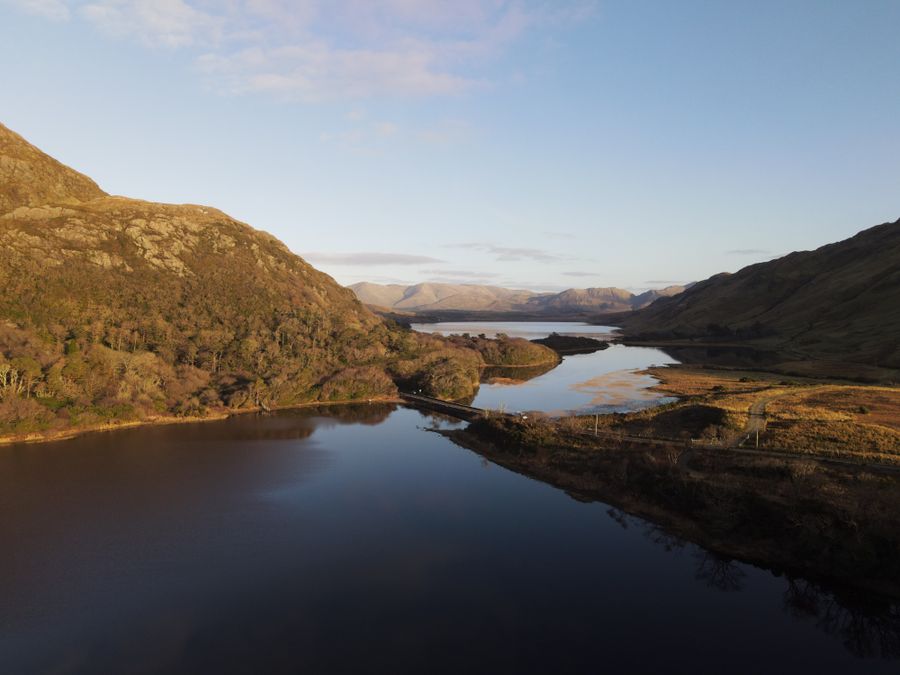
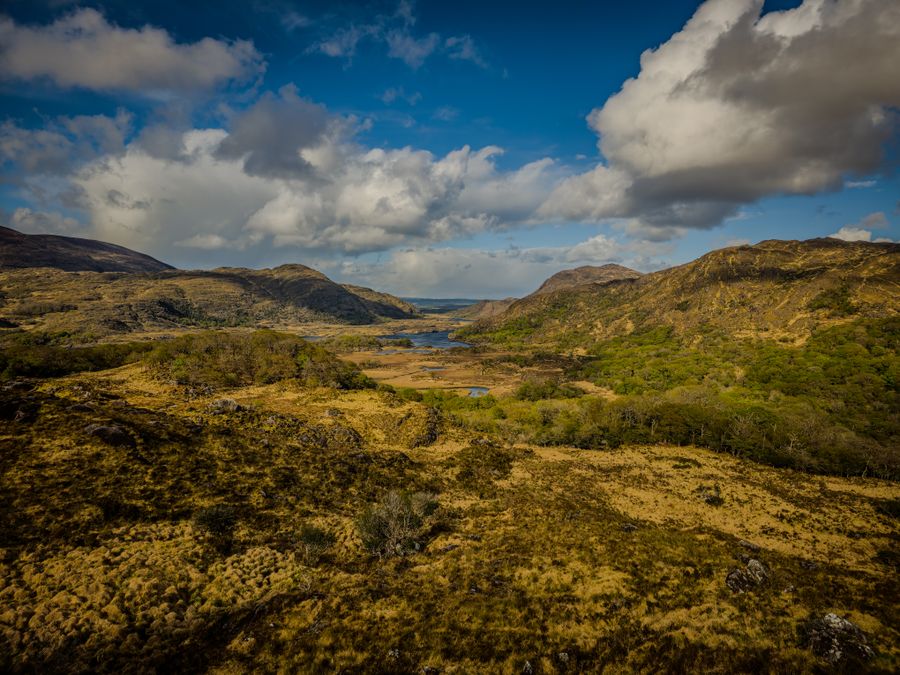
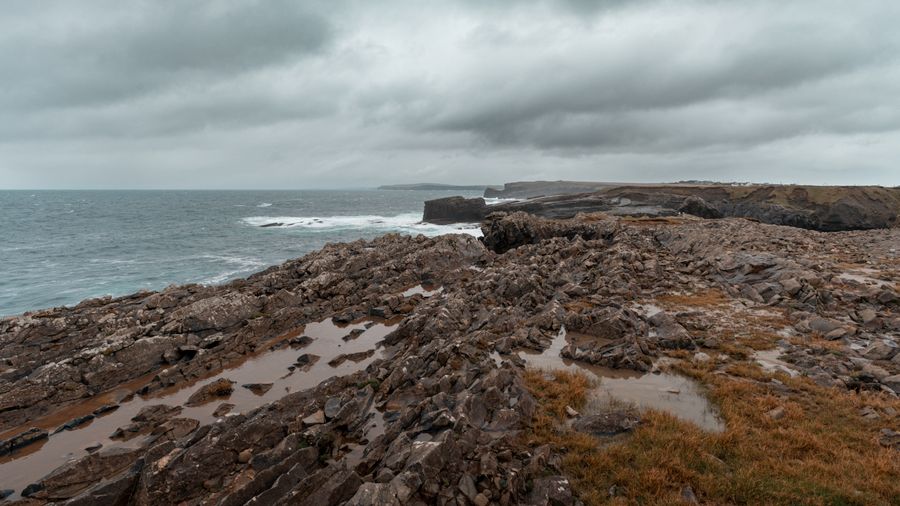
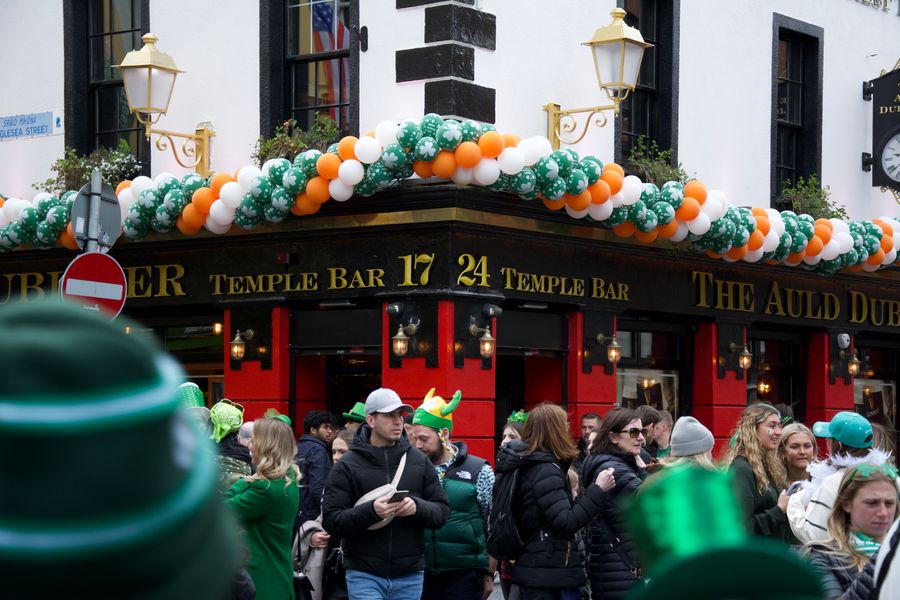
Blag · The BlogShort Reads Nature, culture, seasons.
The blog carries short reads on Irish nature, culture and the seasons. Pieces cover weather and bogs, seabirds and puffins, traditional music sessions and the Irish language, Georgian Dublin and the long summer evenings. Each one gives background for a trip rather than a route.
Nature and weather
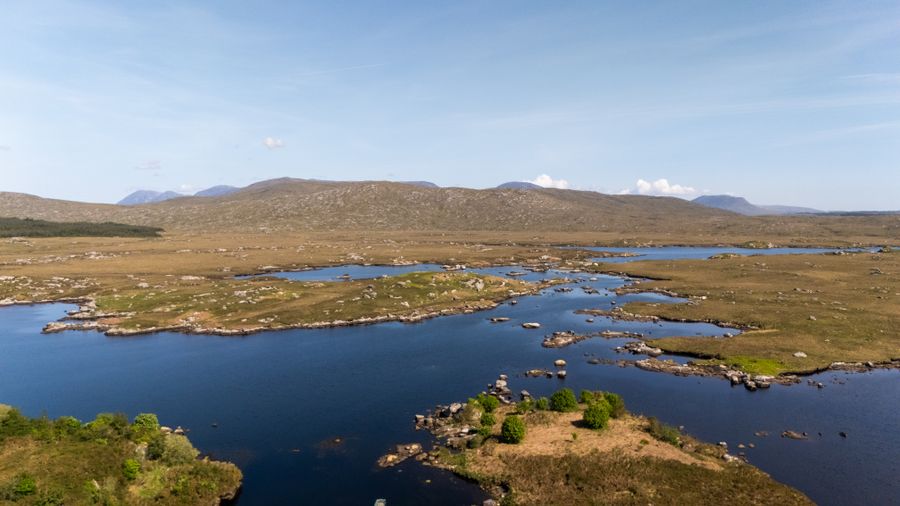
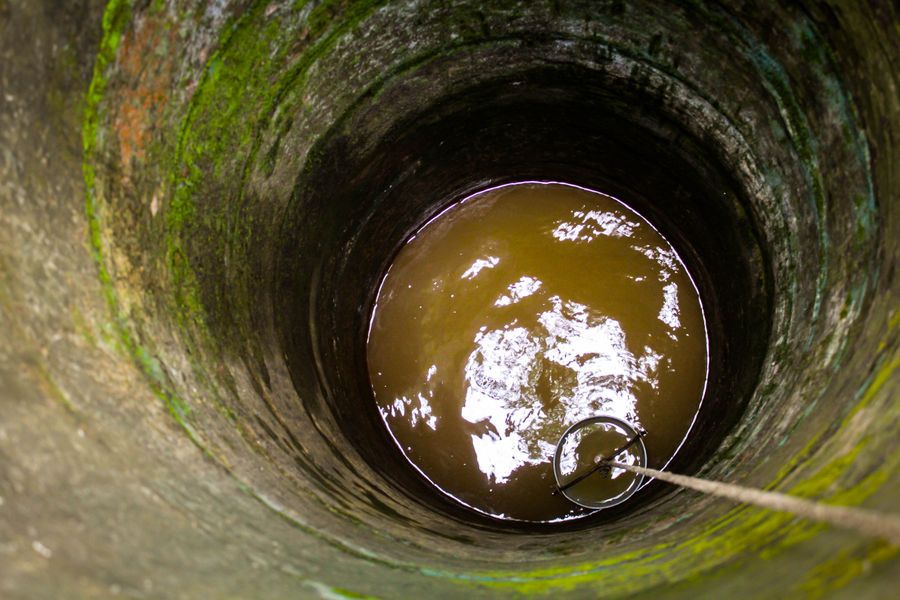
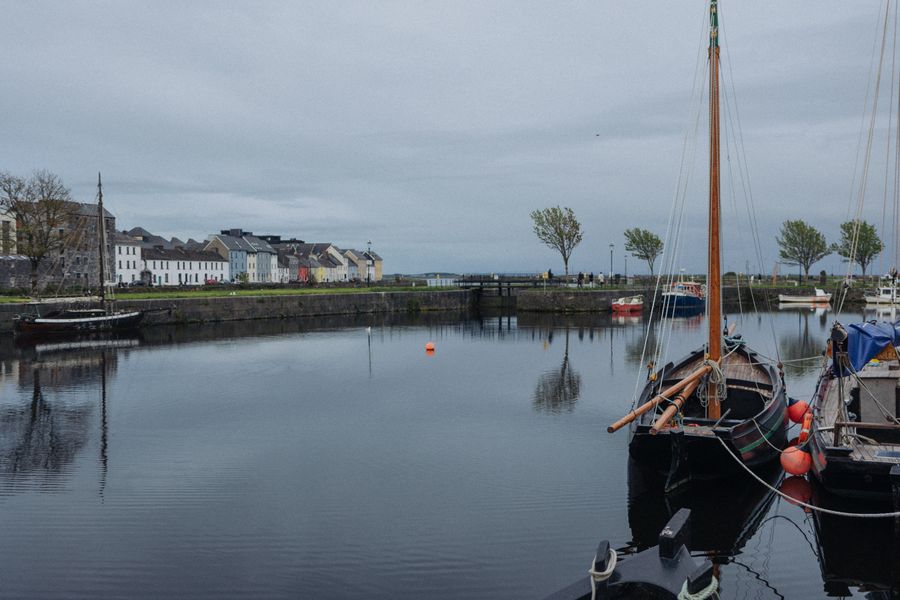
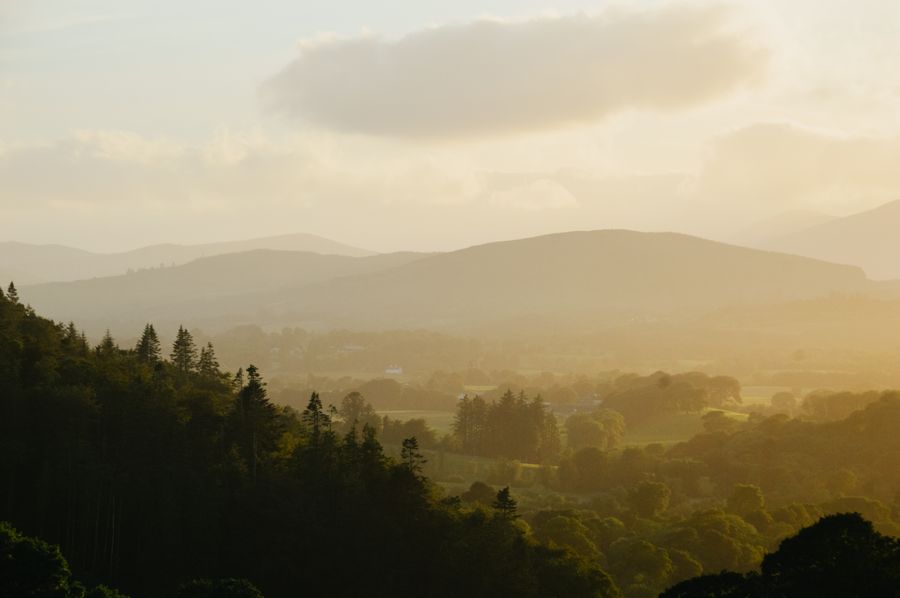
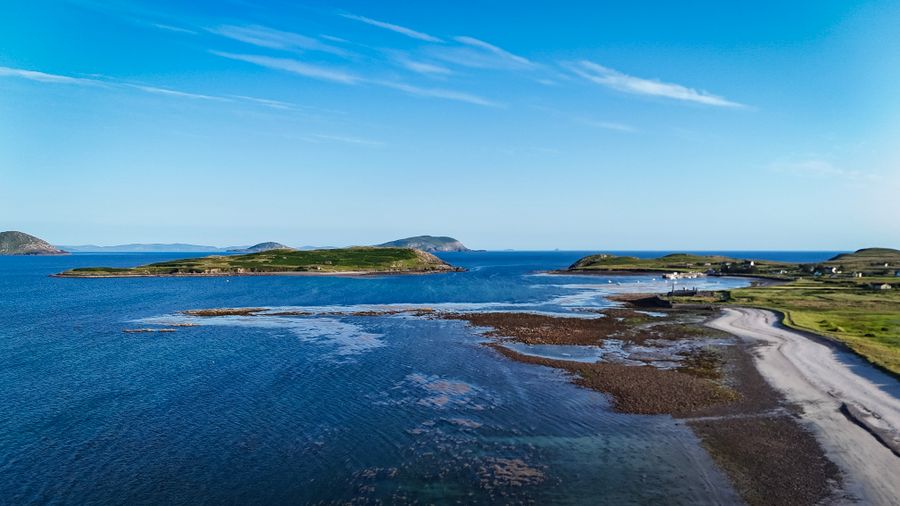
Ireland's greenery follows from its climate. Rain falls in every month, the west and the hills take more of it than the east, and mild winters mean grass keeps growing through the year. A piece on why the island is so green sets out the pattern without overstating it. Another explains how to read a bog: the raised and blanket bogs hold layers of plant remains that record centuries of rainfall, and cutting faces show the sequence.
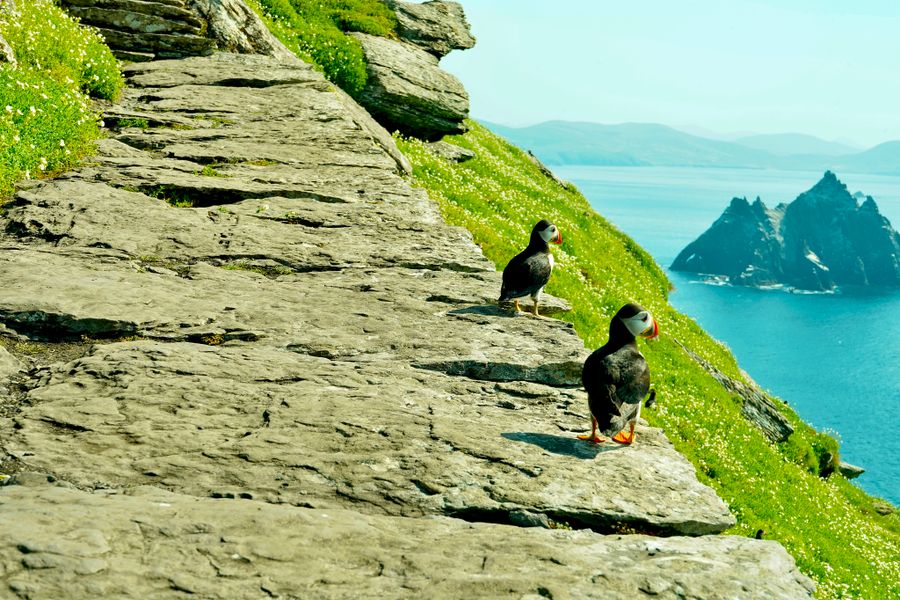
Seabirds follow the coast and its islands. Puffins nest on Atlantic cliffs and islands roughly from late spring to midsummer, and the dates shift with the weather and the colony. A blog entry on where to see puffins keeps to general guidance and points to BirdWatch Ireland in the Republic and the RSPB in Northern Ireland for current advice. Binoculars and a little distance serve both birds and visitors.
Music and language
Traditional music is played in pubs and at festivals across the island, and a session has its own etiquette. A piece on how a trad session works explains the circle of players, the role of the session leader, how tunes are set and why listeners sit quietly. Instruments vary from fiddles and flutes to accordions and bodhráns, and the mood ranges from relaxed to focused. Visitors are welcome to listen, and joining in is best left to those who know the tunes.
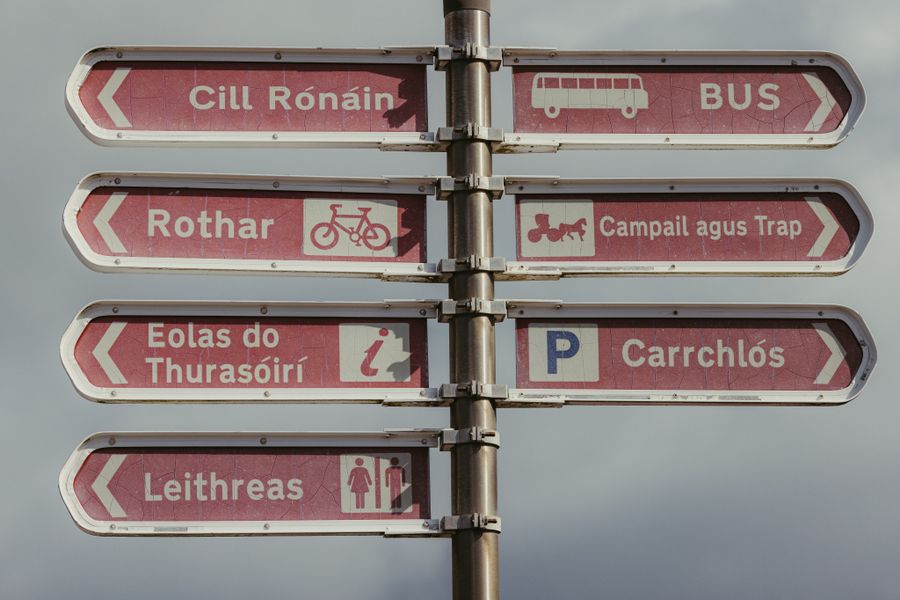
Irish is an official language of the Republic and is spoken daily in the Gaeltacht areas of Donegal, Mayo, Galway, Kerry, Cork, Waterford and Meath. A blog entry on where Irish is spoken maps those districts and notes that road signs there are in Irish only. Place names across the whole island carry Irish roots, so a little vocabulary helps with signposts and maps.
City and streets
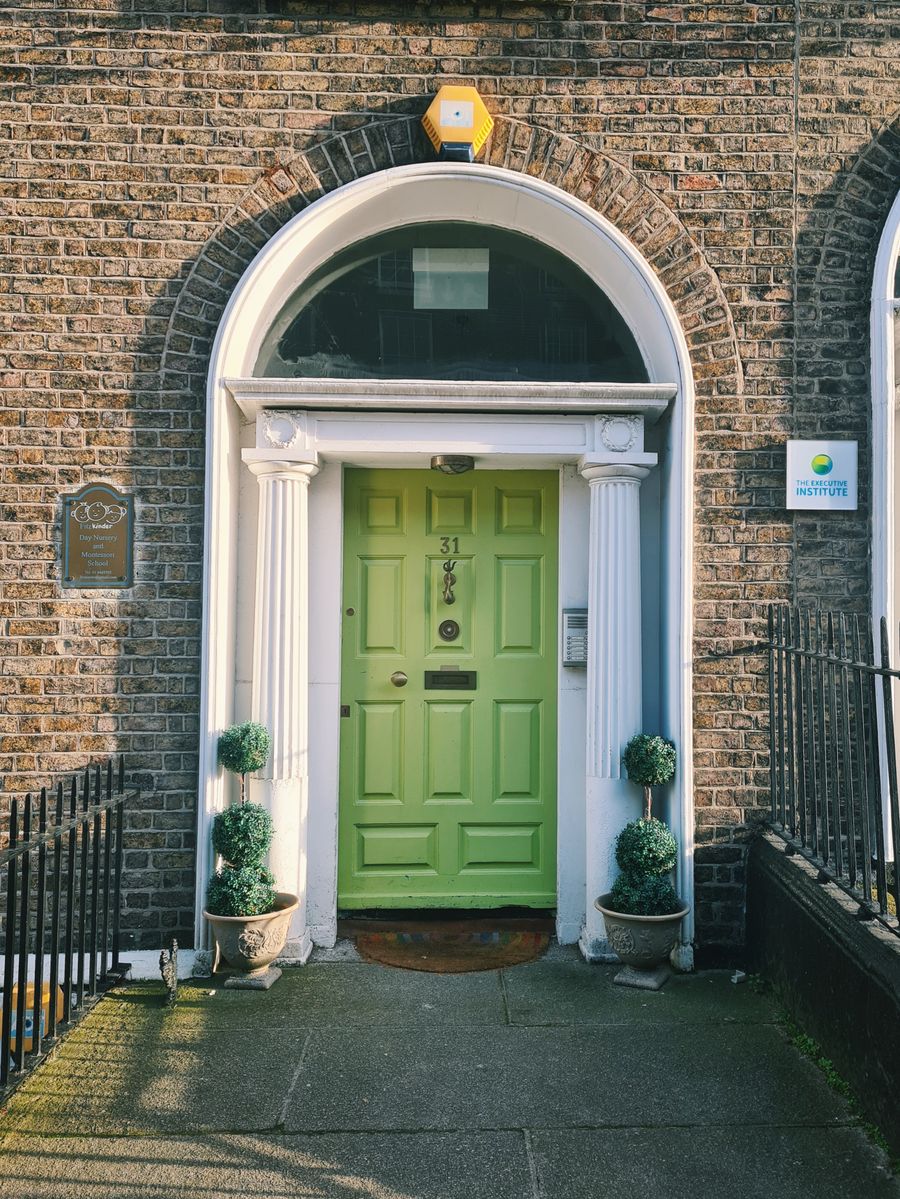
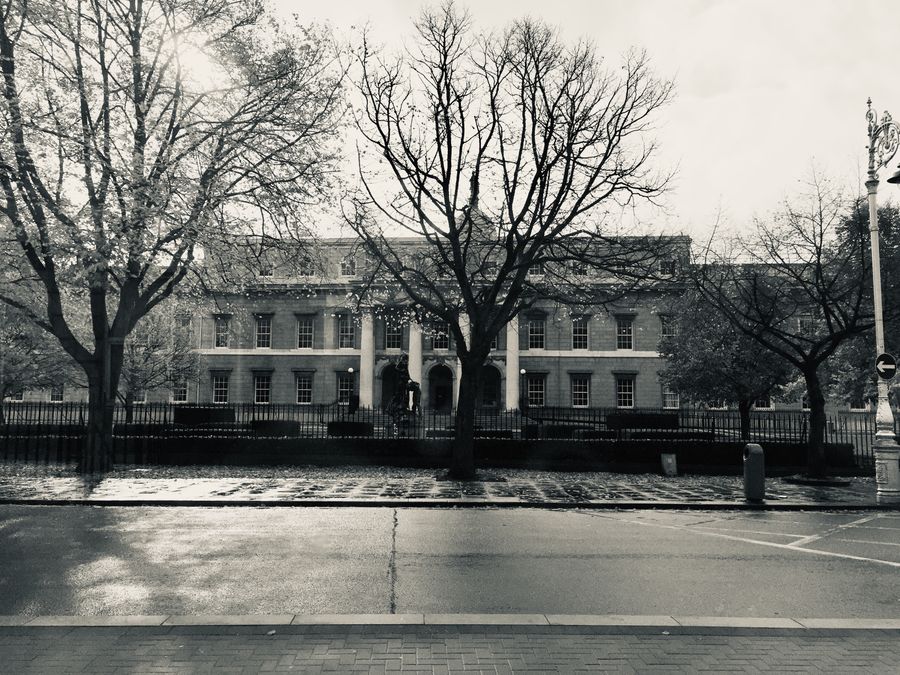
Georgian Dublin left a grid of terraces, squares and doorways on the north and south sides of the city. A piece on the doors of Georgian Dublin looks at the fanlights, doorcases and painted panels that mark those streets, and at how the buildings have been reused. Walking the terraces costs nothing and gives a sense of the city's eighteenth-century layout. Some houses open to the public, and a charge may apply at those.
A winter weekend in Dublin has its own rhythm. Daylight in late December runs to about seven and a half hours, so indoor stops matter: museums, galleries, churches and covered markets. The city stays busy, and evenings suit music and food. The piece keeps to what is open in the darker months and suggests checking opening hours with the individual sites, since these change through the year.
The seasons
Daylight shapes any visit. Around the June solstice Dublin has about seventeen hours of light, and the long summer evenings stretch late into the night. A blog entry on those evenings covers what can be done after an evening meal, from coastal walks to music in the city, and notes that the further west you go the later the light lingers. Weather remains changeable, so a layer and a waterproof are sensible at any hour.
The season-by-season guide sits alongside the blog and covers the year in more detail. Spring brings growth and nesting birds, summer brings the longest days and the busiest coasts, autumn brings colour and quieter roads, and winter brings short days and a lower sun. Timetables, ferries and opening hours change with the seasons, so check with the operator or the site before travelling.
Ceisteanna · QuestionsAsked often.
What does the blog cover?+
The blog carries short reads on Irish nature, culture and the seasons. Nature pieces cover weather, bogs and seabirds. Culture pieces cover traditional music sessions, the Irish language and Georgian Dublin. Seasonal pieces cover winter weekends in the city and the long summer evenings. Each entry gives background for a trip rather than a route or an itinerary.
Are the blog posts guides or background reading?+
They are background reading. Route planning sits in the guides section, which covers where to base yourself, driving, public transport, ferries, the Wild Atlantic Way, the Ring of Kerry and the Causeway Coastal Route. The blog explains how things work and why the island looks and sounds as it does, so it pairs well with the area and thing-to-do pages.
How often are new posts added?+
There is no fixed schedule. New entries are added when a subject is ready and checked, and the index shows what is currently published. Anything that changes, such as nesting dates, session times or opening hours, is kept general in the posts and pointed to the relevant official body or operator for confirmation.
Do the posts name pubs, venues or businesses?+
No. The blog does not name private businesses of any kind. Posts describe how a session works, where Irish is spoken or how to read a bog in general terms, and they point to public places, official bodies and maps instead. That keeps the reading useful even when a venue or operator changes hands or closes.
Which official bodies do the posts point to?+
It depends on the subject. Bird and nesting questions point to BirdWatch Ireland in the Republic and the RSPB in Northern Ireland. Heritage and park sites point to the Office of Public Works, the National Parks and Wildlife Service or, in Northern Ireland, the Department for Communities. Transport questions point to the relevant operator.
Is the blog useful for a first trip?+
Yes, as background. A first-time visitor gets more from the guides and area pages for planning, then uses the blog to understand what is seen and heard on the ground: why the fields are so green, what a session involves, where Irish is spoken and how long the evenings run. Read the posts before travelling and the places make more sense.
Does the blog cover Northern Ireland?+
It does where the subject crosses the border. Nature and language pieces cover the whole island, and the Causeway Coast has its own area page. Northern Ireland is part of the United Kingdom, so posts note pounds and miles there and point to bodies such as the National Trust and the Department for Communities rather than Republic bodies.
Where will you wake up?
Pick a region and your dates. The search opens live availability with IMPT in a new tab.