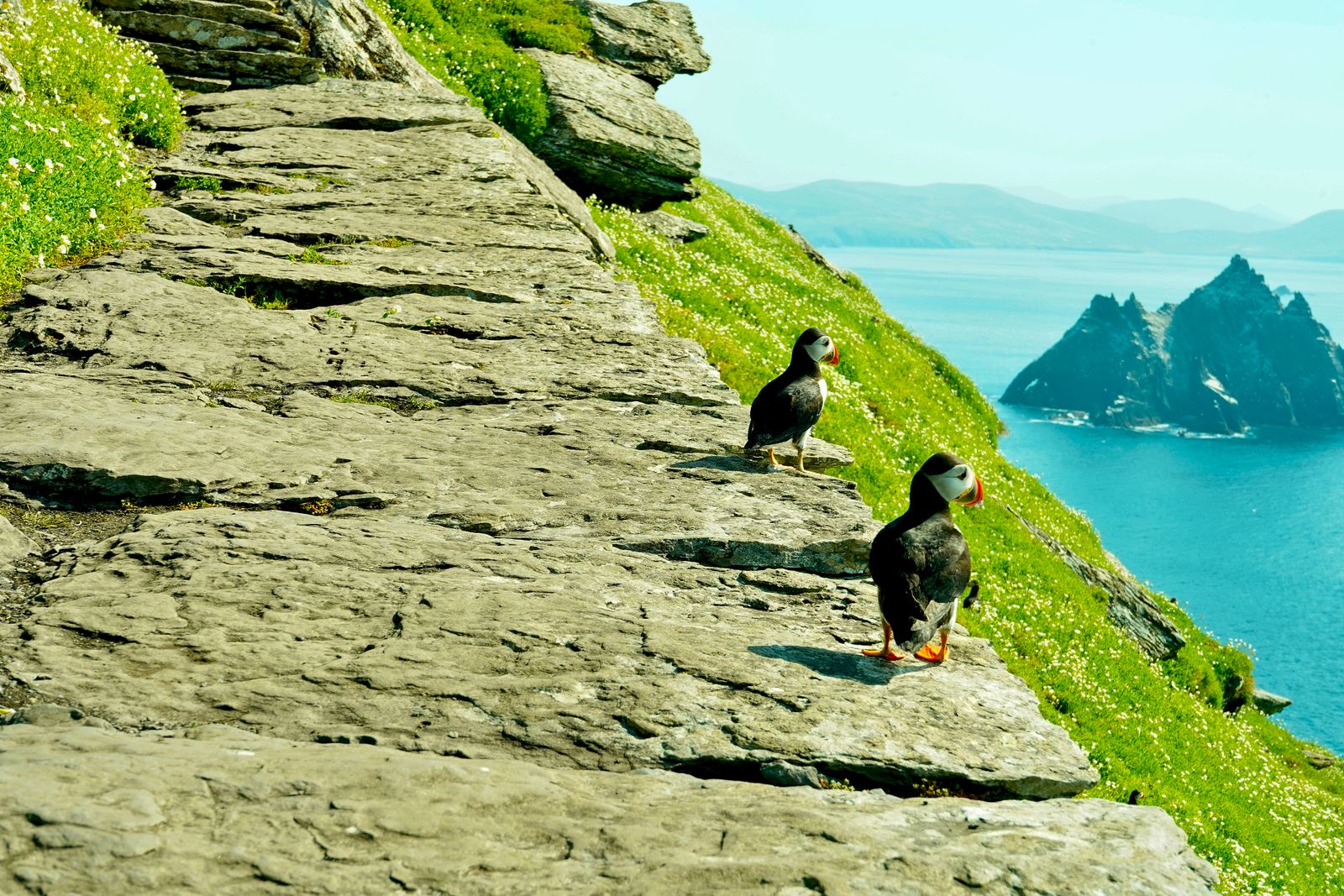
Puffins spend most of the year at sea and come ashore only to breed. Around Ireland that means cliffs and offshore islands, mostly on the west coast, and a window of a few months in late spring and early summer. Timing and weather decide what you see.
The nesting season
Puffins return to their breeding colonies in spring and stay through early summer, raising a single chick in a burrow or a crevice among rocks. The exact dates shift with the weather and with the colony, so a visit in one week can look very different from the next.
BirdWatch Ireland is the body to check for current advice on colonies in the Republic, and the RSPB for Rathlin Island and other sites in Northern Ireland. Both publish guidance on where birds are present and how to watch without disturbing them.
Outside the season the birds are out at sea and the cliffs look empty. A visit in winter will not produce puffins, whatever the weather, so plan the trip around the nesting months rather than around a general holiday.
Dates vary by colony and by year. Check BirdWatch Ireland or the RSPB before booking, and keep a day spare for weather.
Islands off the west
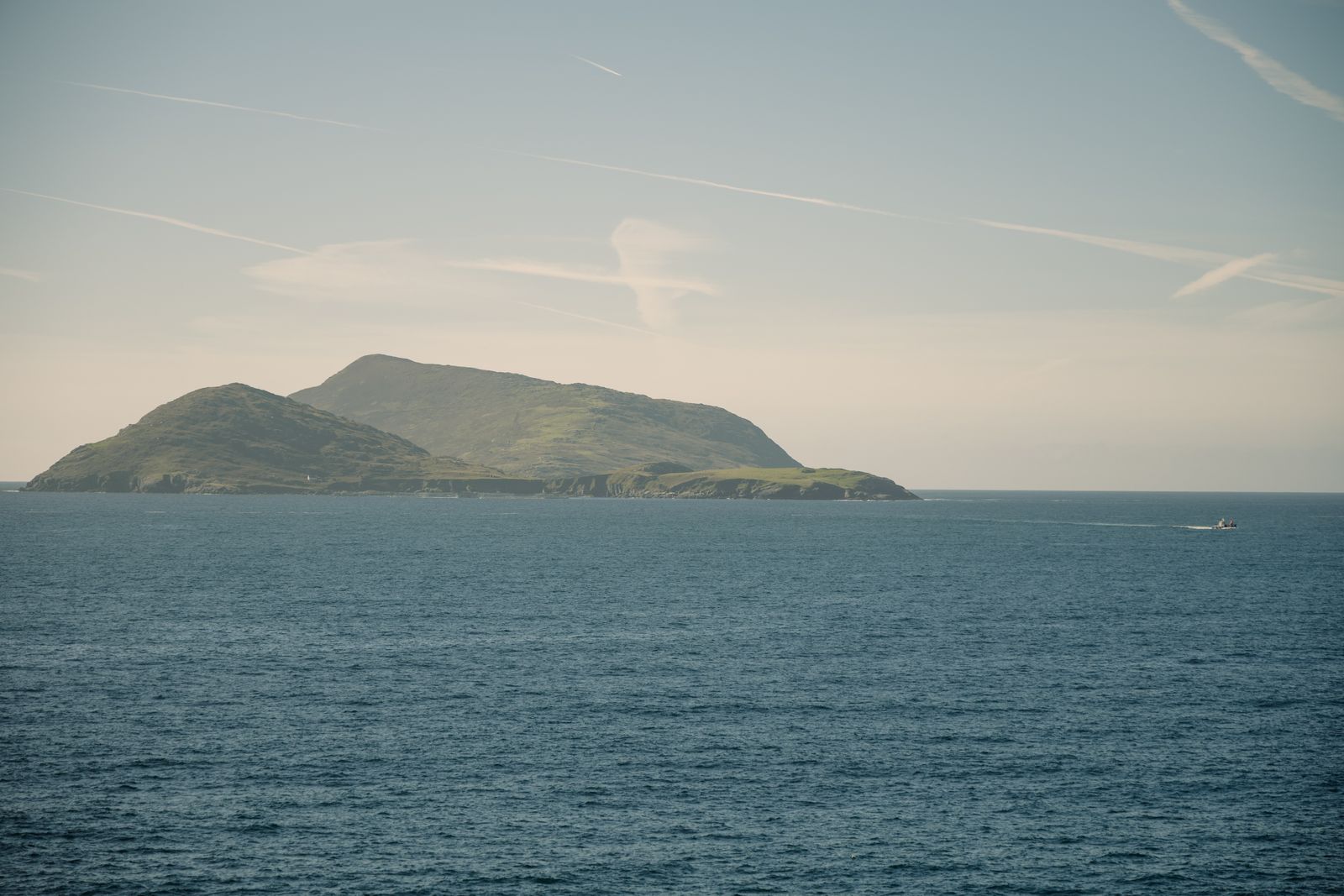
The offshore islands of the west hold some of the strongest colonies. The Aran Islands in County Galway, Inishbofin further north, and the Blasket Islands off the Dingle Peninsula all have puffins in season, though access depends on boats and landings.
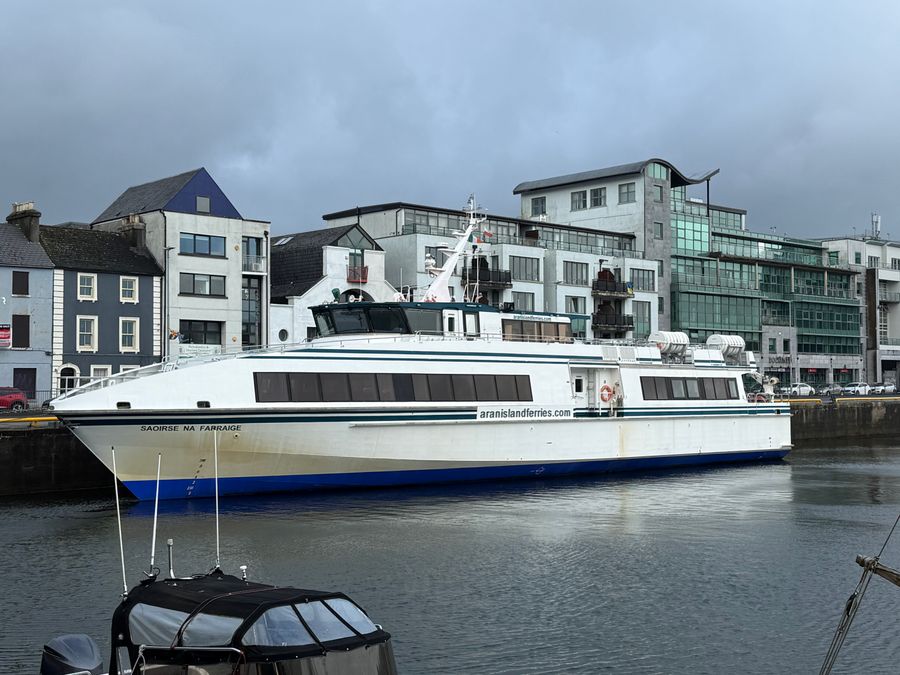
Ferries to the larger islands run through the year, but island landings and cliff paths can close in rough weather. Schedules change with the season, so check with the operator and with the island's own information before setting out.
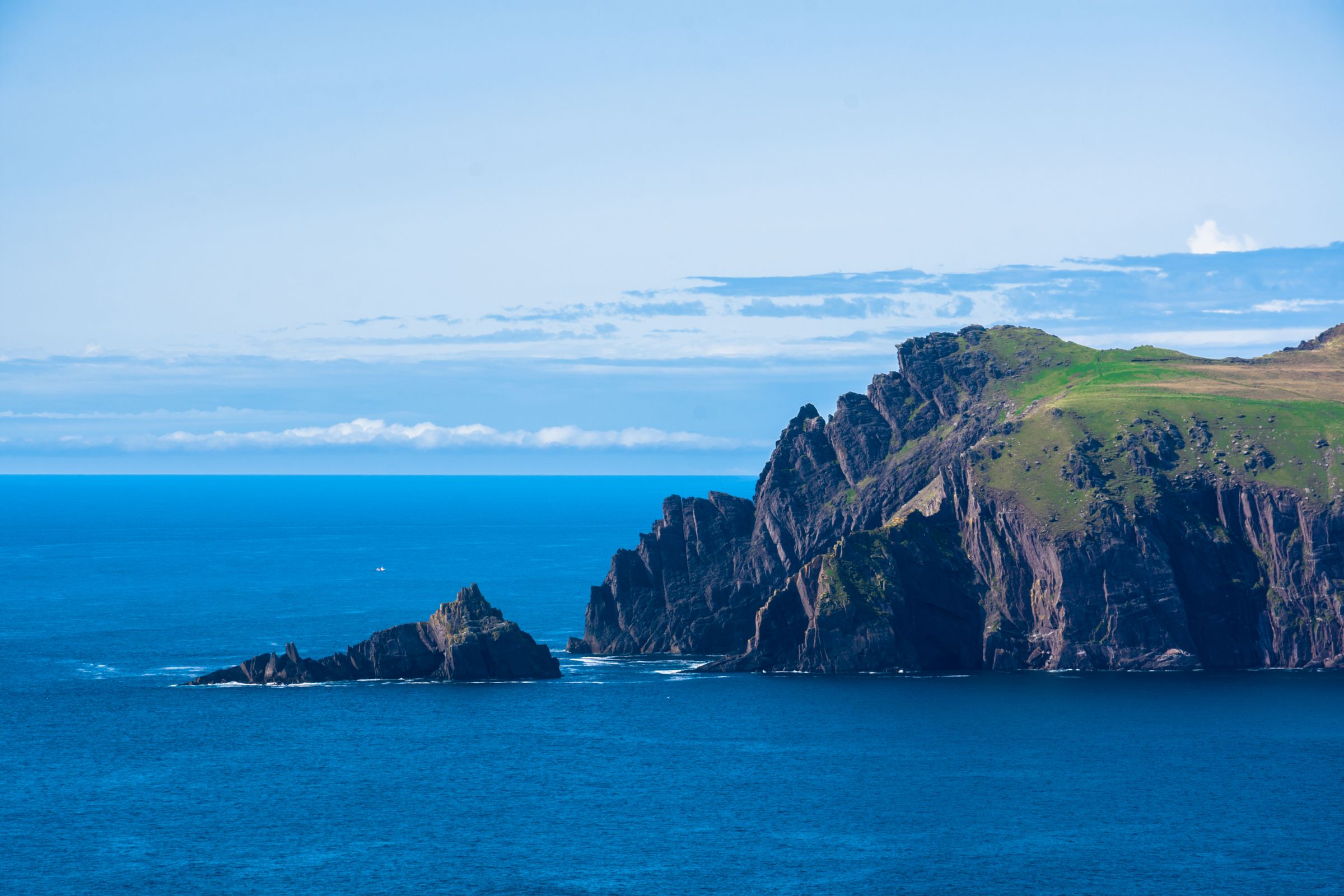
On the Blaskets the birds nest on ground that is not always open to walkers. Much of the interest is from the water, on a boat trip around the islands, where the cliffs and burrows can be seen without landing.
Mainland cliffs
You do not need a boat. Several mainland cliffs hold nesting seabirds, and puffins can be seen from safe viewpoints on the cliff top or from the coastal path. The Cliffs of Moher in County Clare and the Sliabh Liag cliffs in County Donegal are the best known.
At the Cliffs of Moher the birds nest on the offshore stack and on the cliff faces, so a pair of binoculars helps. The visitor centre and the cliff paths are run under the care of Clare County Council and the Office of Public Works, and access can change in high winds.
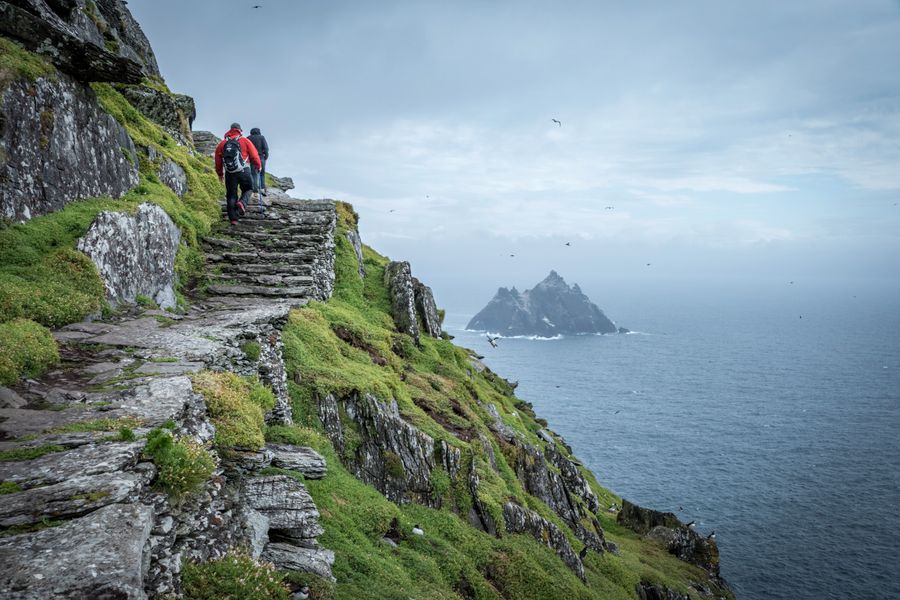
Sliabh Liag in Donegal has high sea cliffs and a viewing area, with birds on the ledges below. The paths are exposed and the weather turns quickly, so check conditions with the local authority or the OPW before walking.
Cliff paths close in high winds. Check with the Office of Public Works or the local authority on the day.
Rathlin and the north
Rathlin Island off the County Antrim coast is a well known seabird site, and puffins nest there in season. The island is in Northern Ireland, part of the United Kingdom, so the currency is pounds sterling and distances are in miles.
The RSPB manages a seabird centre on the island and publishes advice on when the birds are present and how to watch them. The crossing from the mainland is short, but sailings depend on weather and the timetable changes with the season.
The Causeway Coastal Route runs along this coast between Belfast and Derry~Londonderry, and Rathlin can be worked into a drive along it. Allow a full day if the ferry and the cliff walk are both part of the plan.
Basing on the Dingle Peninsula
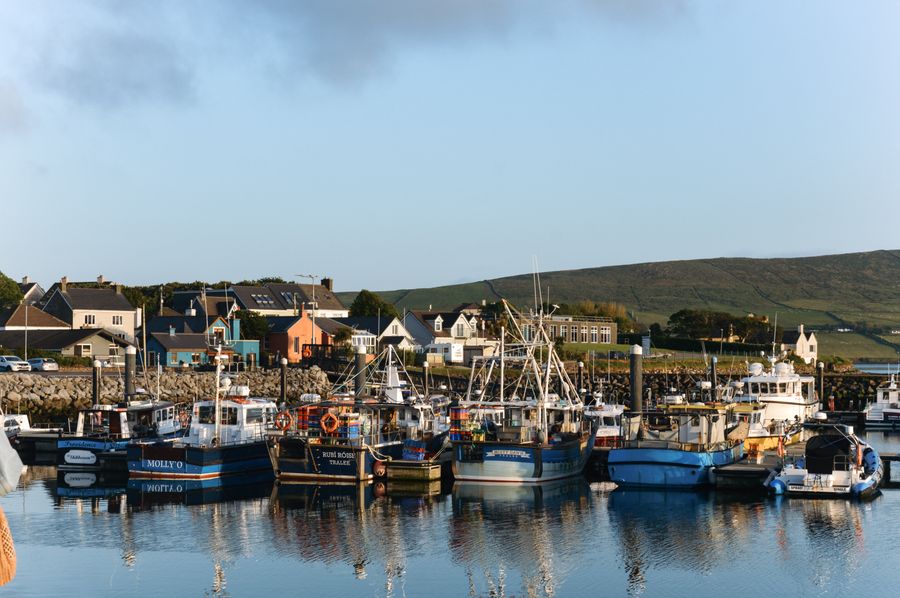
The Dingle Peninsula in County Kerry puts you close to the Blasket Islands and to cliff walks with seabirds. Dingle town is the main base, with Ventry and Ballyferriter as quieter alternatives along the same coast.
The Slea Head Drive loops around the western end of the peninsula and passes several viewpoints over the sea and the islands. The road is narrow in places and busy in summer, so an early start makes the driving easier.
Irish is the community language in parts of the peninsula, and road signs in the Gaeltacht are in Irish only. That is worth knowing before setting out, particularly on the minor roads west of Dingle town.
Boat trips to the Blaskets depend on weather and landings. Check with the operator and with BirdWatch Ireland on the day.
Other good bases
For the Aran Islands, Galway City is the usual base, with ferries from the coast and from the city. Connemara to the west gives access to Inishbofin and to quiet stretches of coast with seabirds on the cliffs.
In County Clare, Doolin and the Burren sit close to the Cliffs of Moher and to the coastal paths. In County Donegal, Donegal town and the villages around Sliabh Liag make a base for the northern cliffs.
In Northern Ireland, the Causeway Coast has towns along the route that work as a base for Rathlin. Wherever you stay, the pattern is the same: a short drive or ferry to the cliffs, and a flexible day for the weather.
Watching without disturbing
Puffins nest in burrows and crevices, often on ground that looks like bare grass or loose soil. Walking across a colony can collapse burrows, so stay on the path and keep to marked viewpoints even where the ground looks empty.
Binoculars are more useful than a close approach. The birds are small and fast in flight, and a viewpoint with a clear line to the cliff face gives better views than standing at the edge of a burrow.
Dogs disturb nesting birds and should be kept on a lead or left at home on cliff paths. If a bird is calling or circling, you are too close, and backing off is the right response.