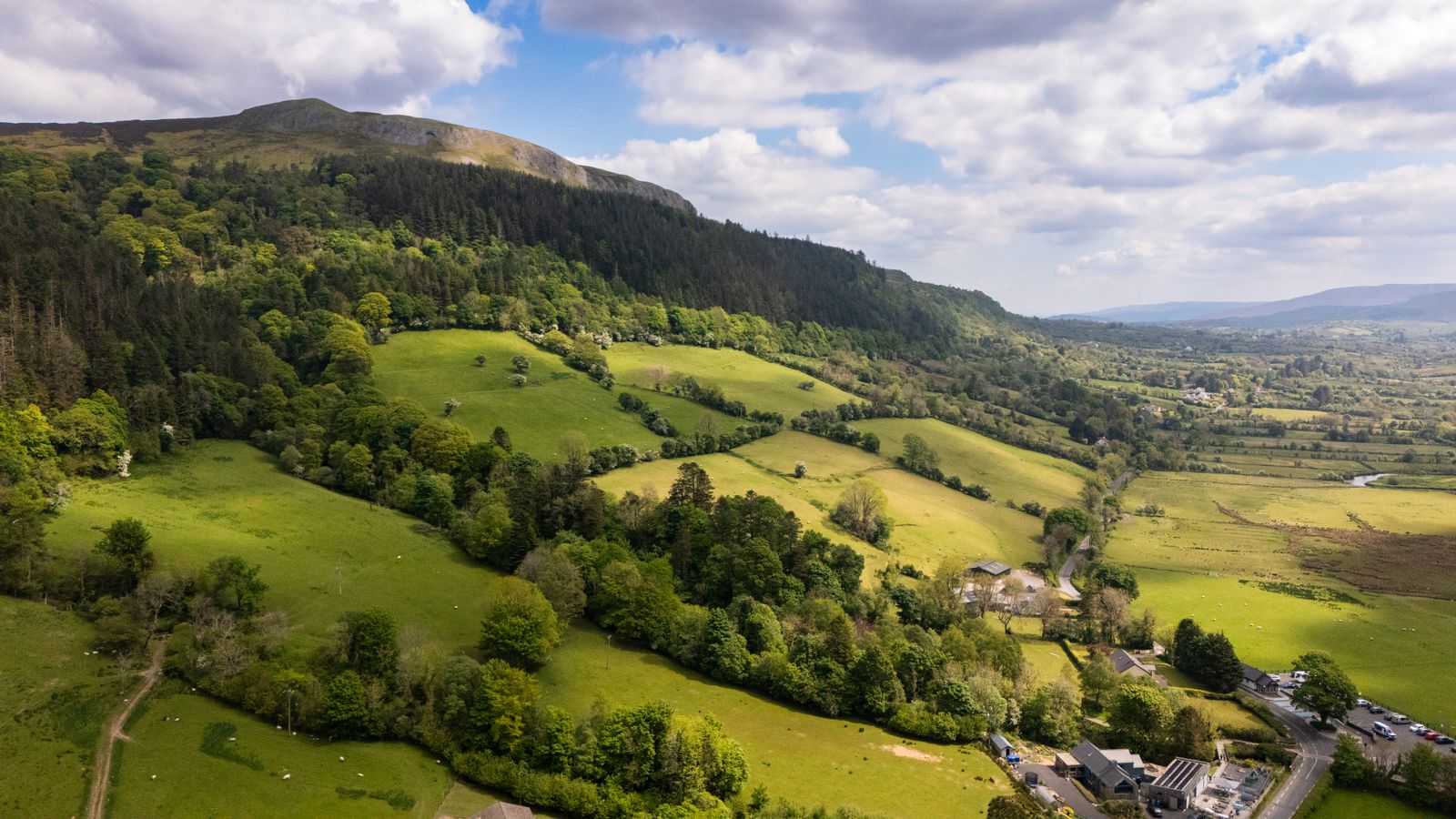
Fly into Ireland on a clear day and the first thing visible is green: small fields, hedgerows and stone walls in every shade of it. The reasons are mostly the weather, and partly what the land is used for.
The Atlantic keeps it mild
Ireland sits in the path of westerly winds coming in off the Atlantic. The North Atlantic Drift, an extension of the Gulf Stream, keeps the surrounding sea warmer than the latitude suggests, so winters are mild and frosts near the coast rarely last.
Rain in every month
Rain is spread through the year rather than falling in one wet season. The west and the mountains get the most, because Atlantic weather arrives there first. The east, in the lee of the hills, is drier.
Met Éireann publishes long-term averages for each of its weather stations, for anyone who wants the figures for a particular place.
Grass that barely stops
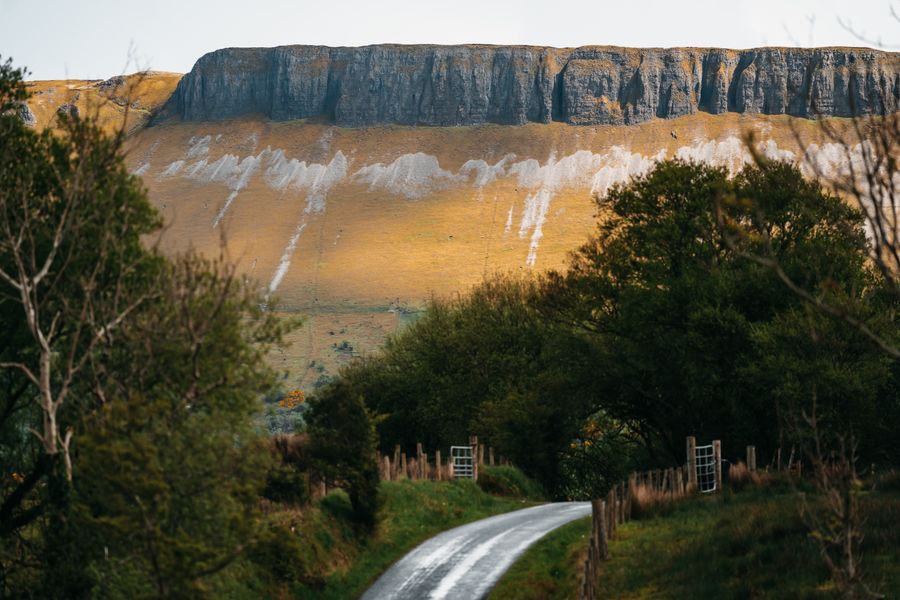
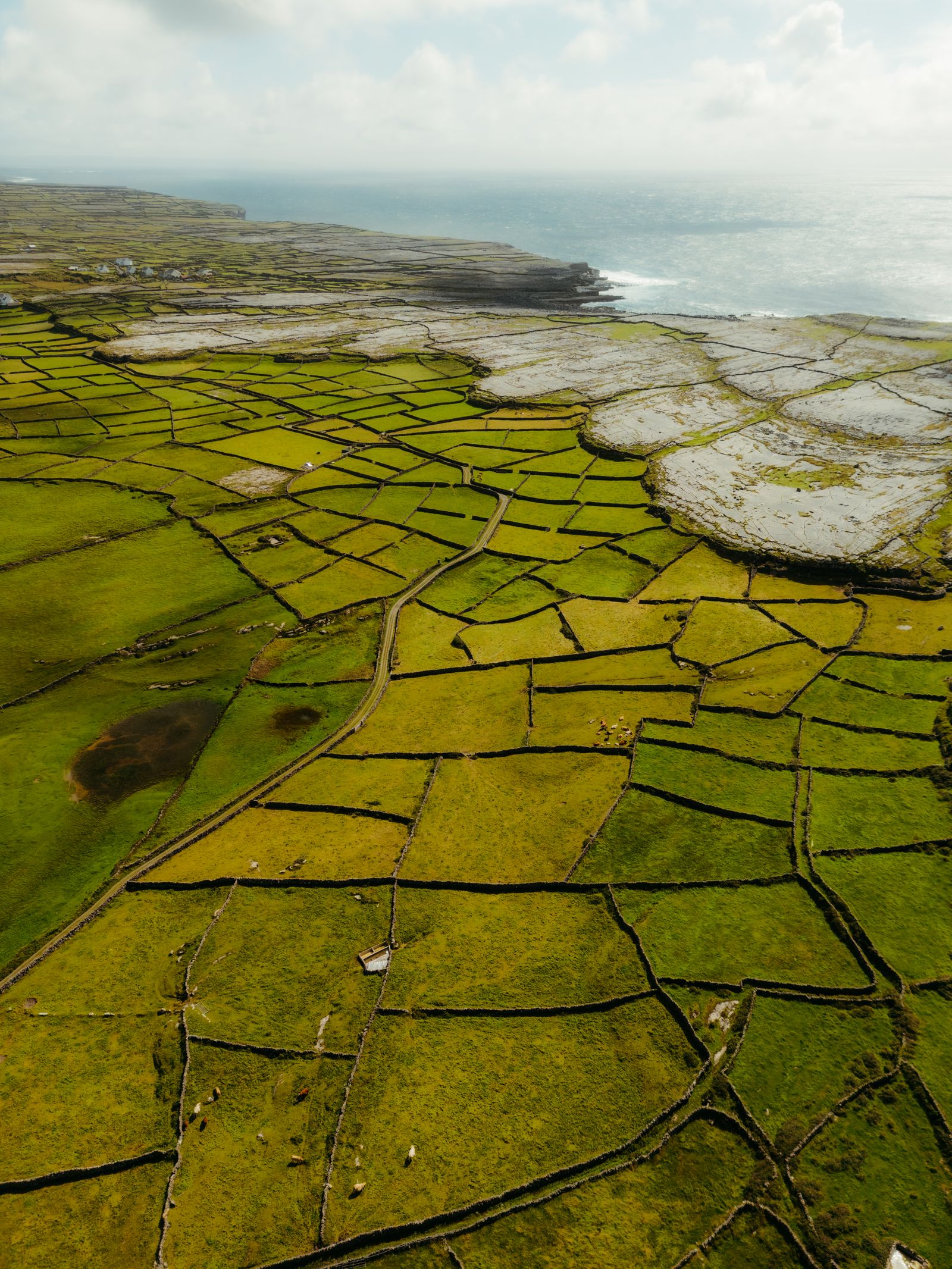
With mild temperatures and steady moisture, grass grows for most of the year. Most farmland in Ireland is grassland, grazed by cattle and sheep, rather than ploughed for crops. That is the patchwork of fields seen from the air.
Forty shades
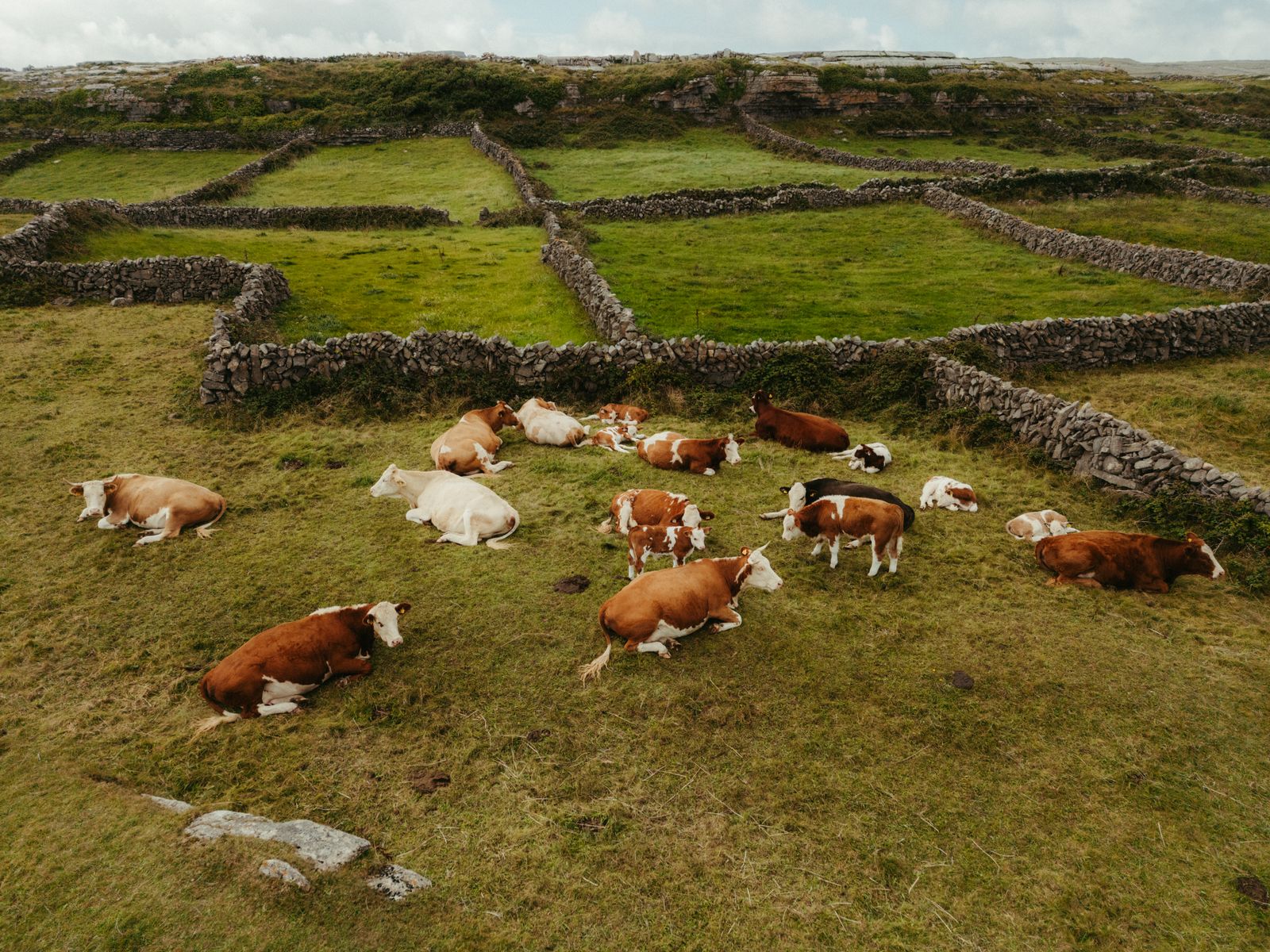
The phrase "forty shades of green" comes from a 1959 song by Johnny Cash, written after a trip to Ireland. The shades are real enough: pasture, hedgerow, moss on stone walls, bracken, and the darker green of conifer plantations.
Not everything is grass
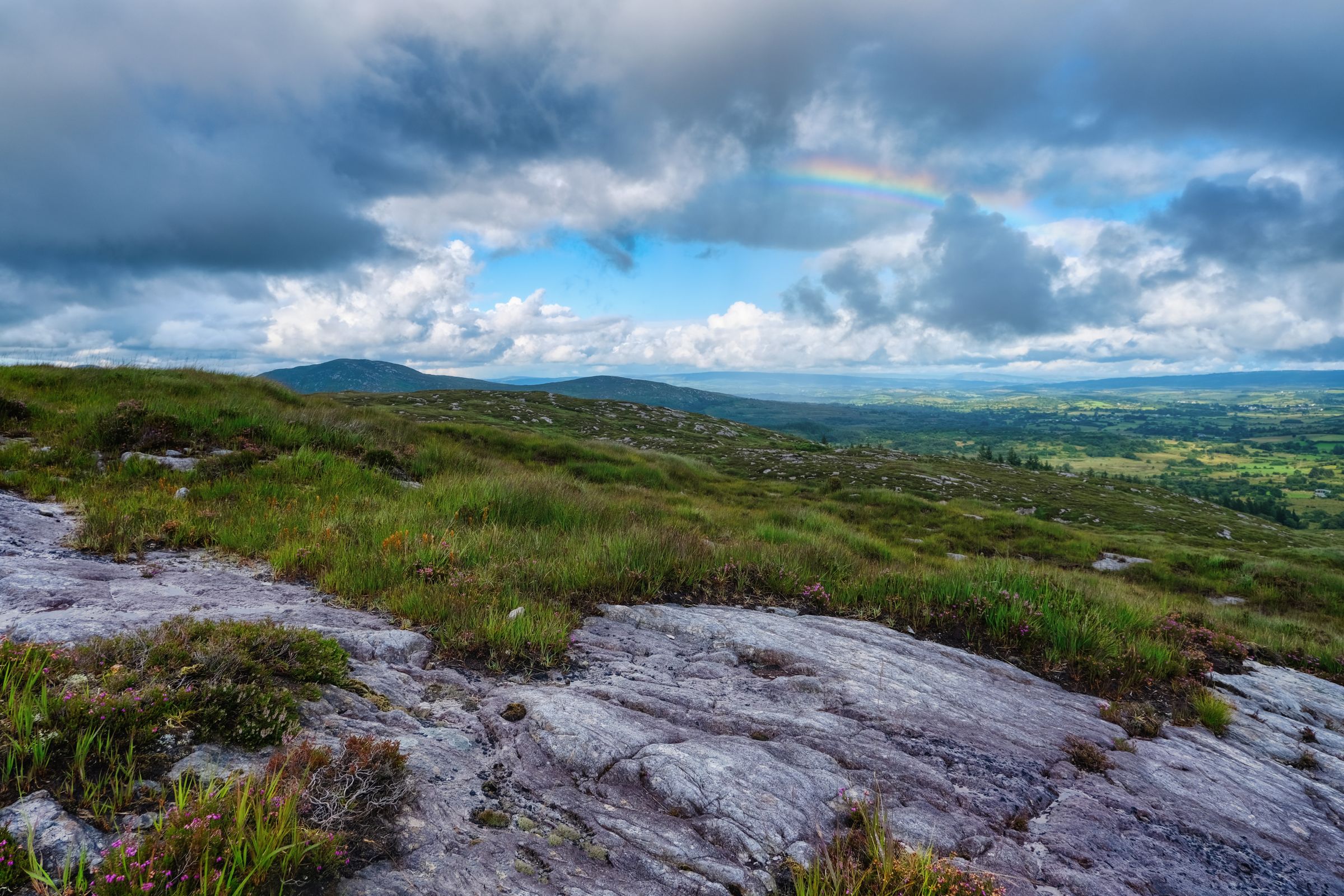
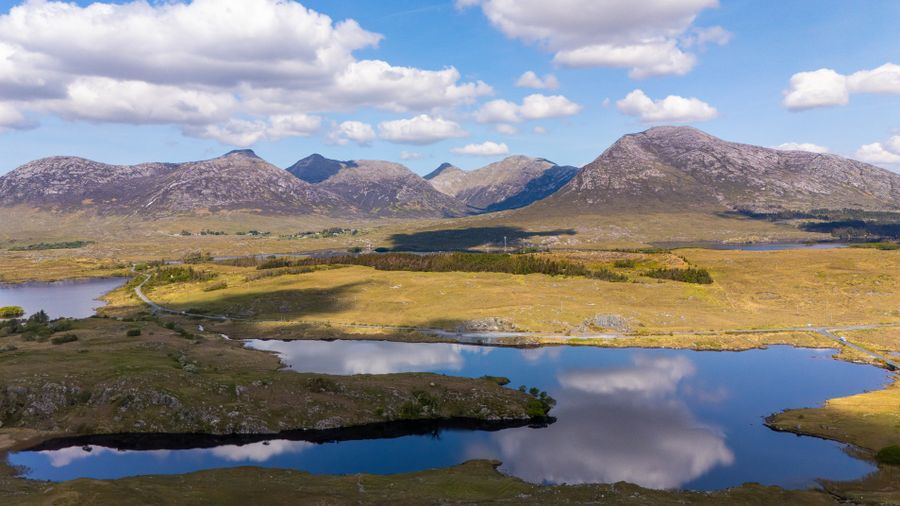
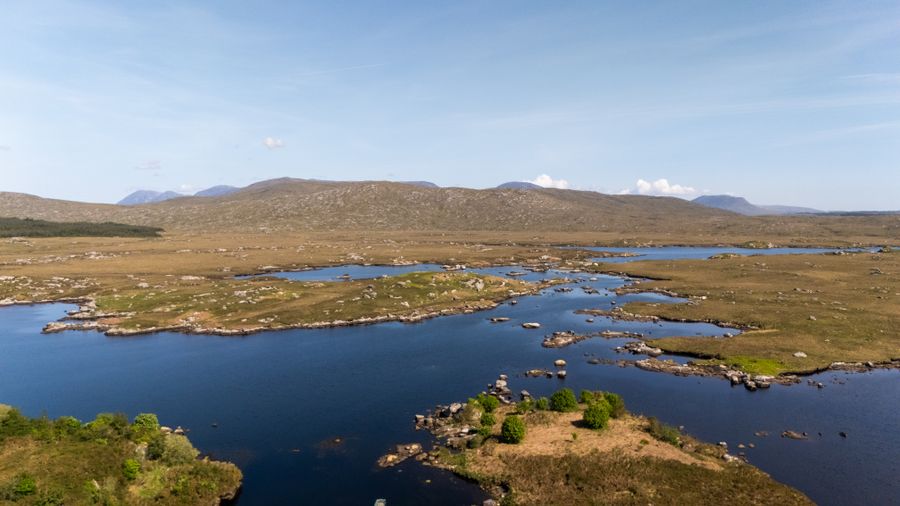
Blanket bog covers large parts of the west and the uplands, in browns and russets rather than green. In late summer heather turns the hills purple, and gorse flowers yellow along the coast for much of the year.
When it is greenest
Spring growth, from April to June, gives the brightest green, as new grass comes through and the hedgerows come into leaf. After a dry spell in summer, fields in the east can turn brown, though it rarely lasts long.