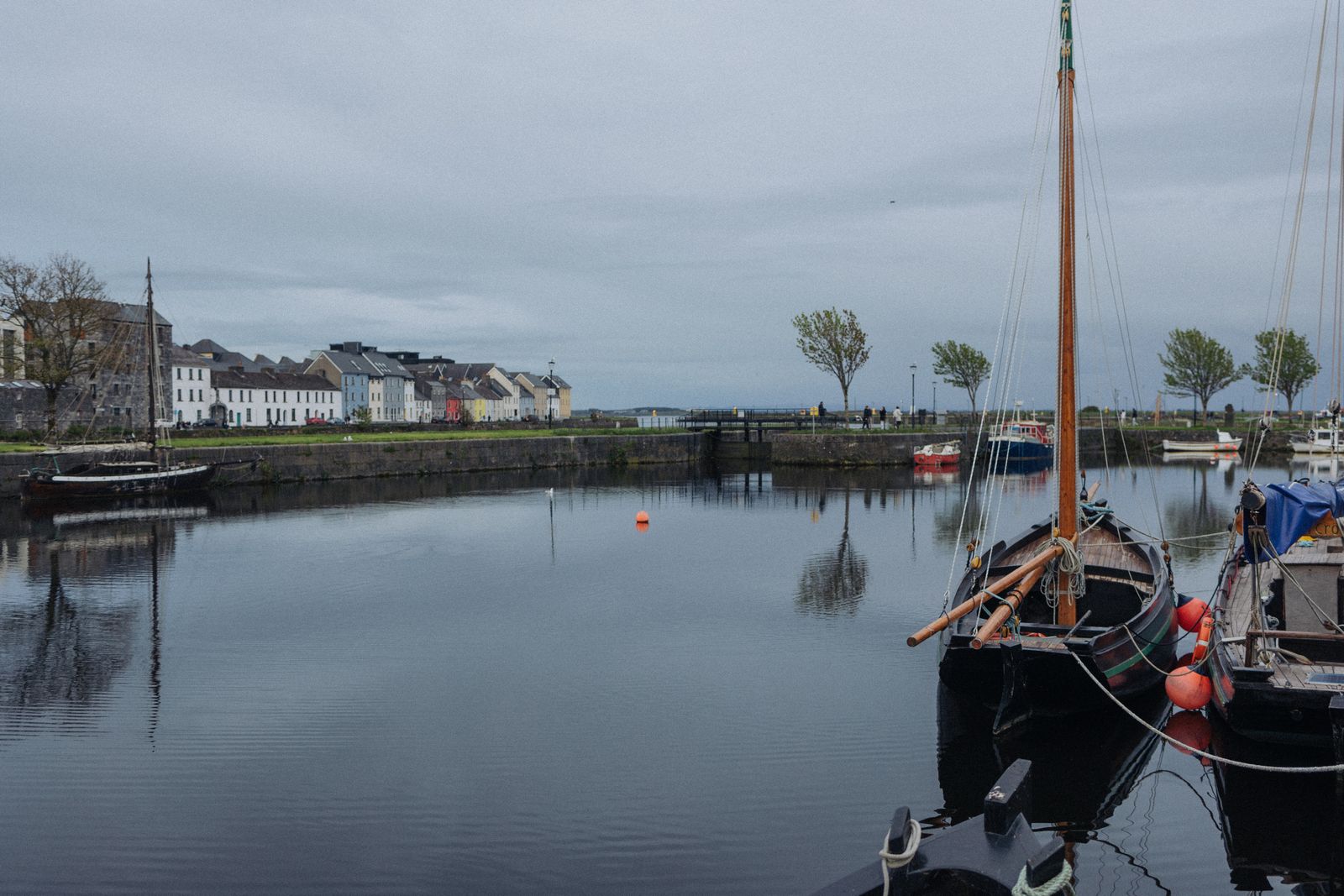
Galway Bay holds a long tradition of shellfish, and the native oyster is at the centre of it. The season opens in September, the beds lie in sheltered water, and the towns around the bay make useful bases for a visit.
The shape of the bay
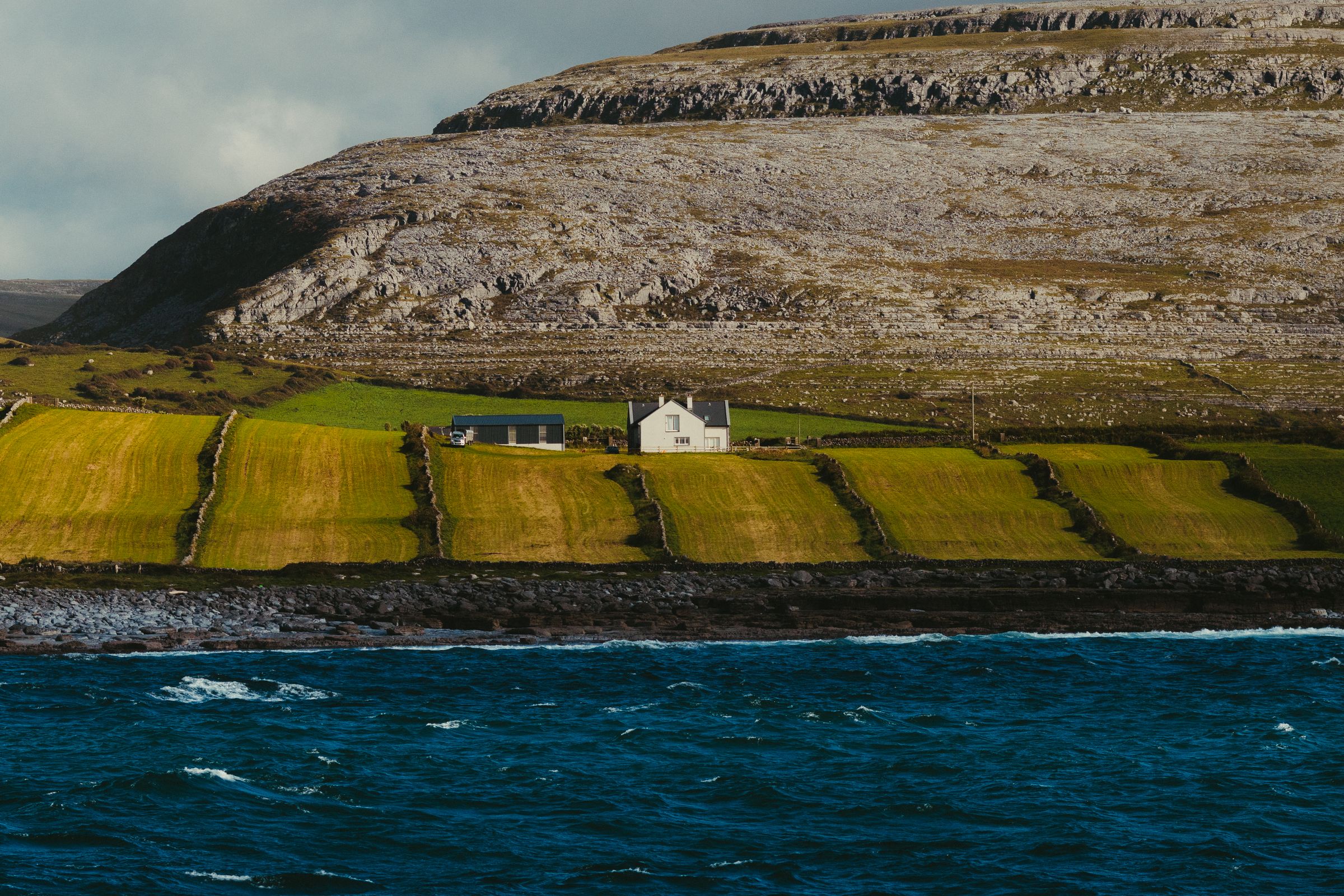
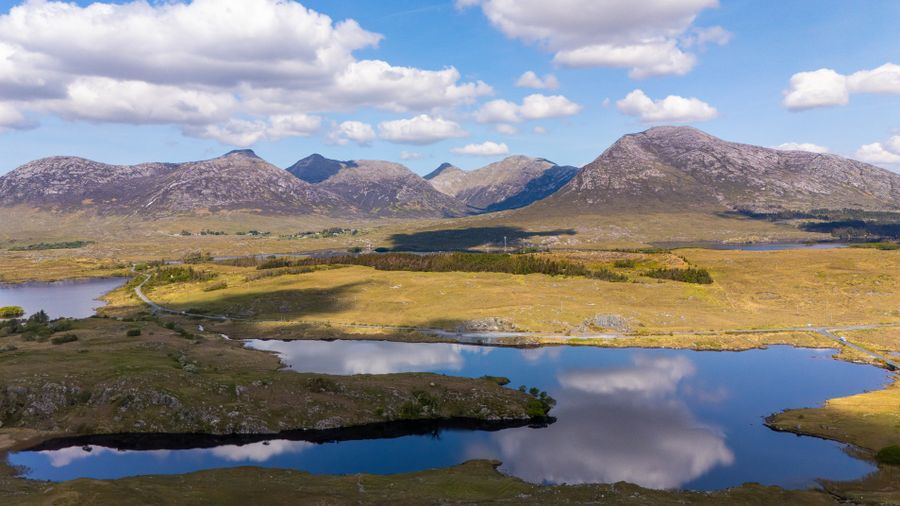
Galway Bay opens between the Burren in County Clare to the south and the Connemara shore to the north. The Aran Islands sit across the mouth, breaking the Atlantic swell before it reaches the inner bay. That shelter is what makes the water workable for shellfish.
The inner bay is shallow in places, with mixed ground of sand, mud and rock. Fresh water comes in from the Corrib and from smaller rivers along both shores. The mix of salt and fresh water, and the shelter from the open sea, shapes what grows on the bed.
The bay is a working place as much as a scenic one. Boats go out from harbours on both shores, and the shoreline carries a long history of fishing, seaweed gathering and small-scale farming of the sea. The water is cold and tidal, and the rhythm of the tides sets the working day.
The native oyster
The native oyster, Ostrea edulis, is the species long associated with Galway Bay. It grows slowly and settles on hard ground, forming beds rather than the neat rows of a cultivated shore. Its shell is flat and rounded, quite unlike the deep cupped Pacific oyster.
Native oysters are broadcast spawners: eggs and sperm are released into the water and fertilised there. The larvae drift before settling. Because the young depend on conditions in the water, the beds vary from year to year, and the work of managing them is patient.
The flavour follows the water. Oysters from the bay carry the salt and mineral character of the ground they grow on, and the difference between beds is real. That is why the bay is discussed by people who care about shellfish as a place, not just a product.
The season and the rule
The native oyster season traditionally opens on 1 September and runs through the winter months. The old rule about months with an r in them is a rough memory aid for this, since it leaves out the summer spawning period when the oysters are in poor condition.
The season is not a matter of taste alone. Summer is when native oysters spawn, and leaving them undisturbed through that period is part of how the beds are sustained. The dates are set by regulation, and the Sea-Fisheries Protection Authority is the body to check for the current position.
Harvesting and sale of shellfish are regulated for food safety as well as conservation. Anyone planning around the season should check the current rules with the Sea-Fisheries Protection Authority rather than rely on a general guide, since local orders and closures can apply.
Season dates and harvesting rules can change. Check the current position with the Sea-Fisheries Protection Authority before planning a visit around the season.
Beds and management
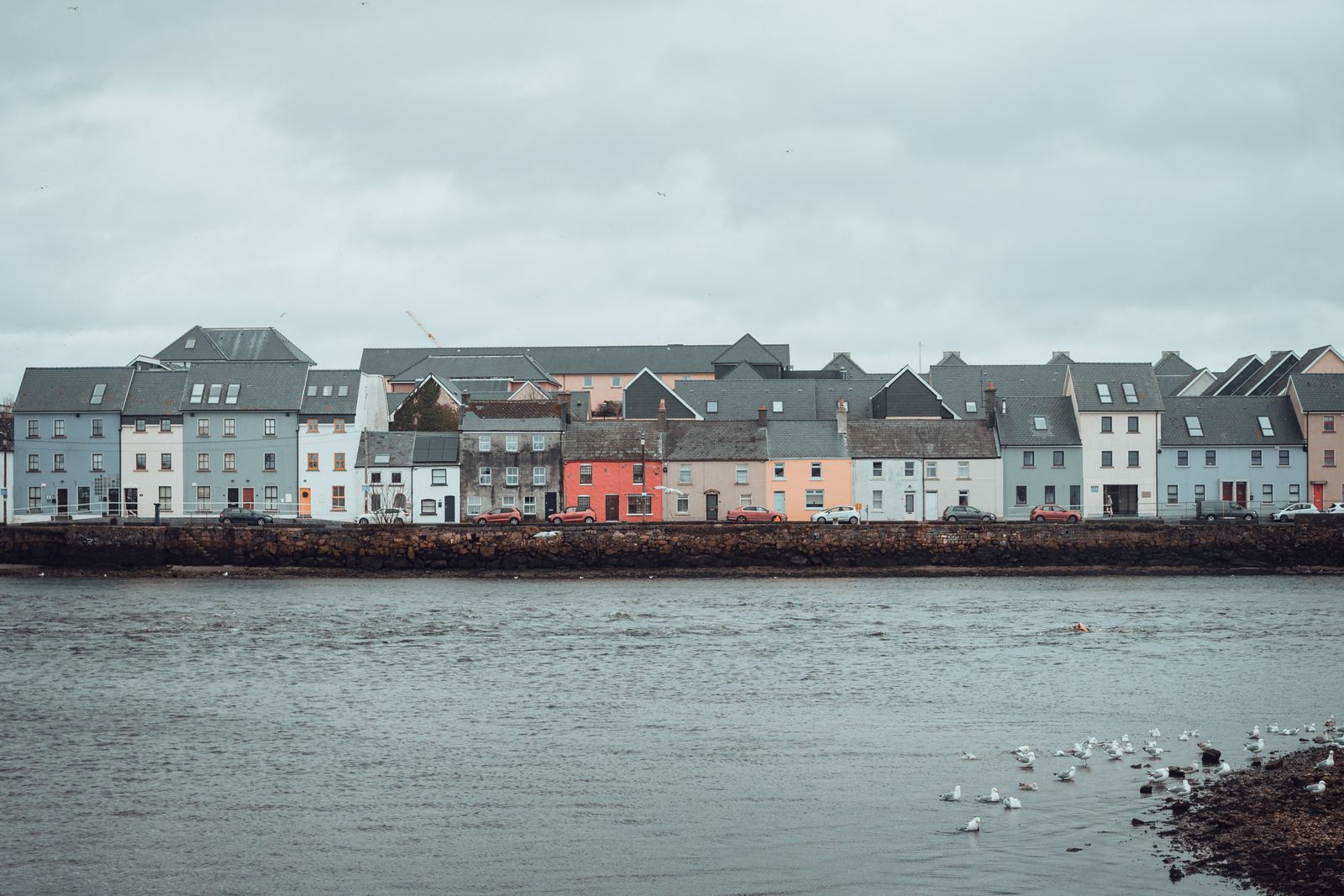
Oyster beds in the bay are managed ground, not wild picking. Licensed areas are worked by those who hold the rights, and the beds are tended through the year: ground is prepared, stock is moved, and predators are kept in check.
Bord Iascaigh Mhara, the state seafood development agency, works with the shellfish sector on husbandry, water quality and marketing. Its published material is a useful starting point for understanding how the beds are run and how the trade is organised.
Water quality is monitored, because shellfish filter what is around them. Classification of the growing areas is a public matter, and the results shape what can be sold and how. That monitoring is one reason the bay's shellfish trade has lasted.
Towns to base yourself
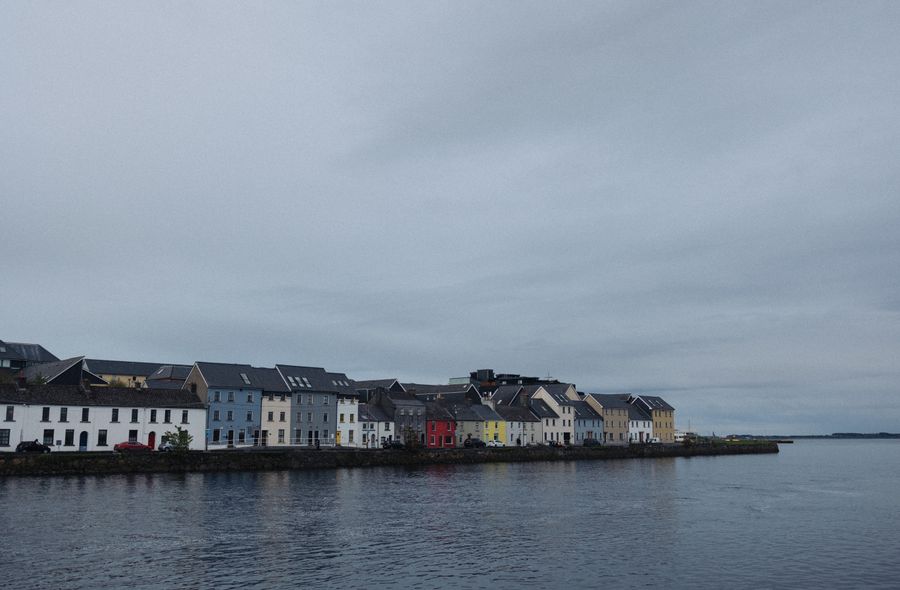
Galway City is the obvious base for the northern shore. It has the transport links, the museums and the streets, and the bay is at the edge of it. From the city, the coast road runs west into Connemara and south along the Clare shore by ferry or the long way round.
On the Clare side, Kinvara and Ballyvaughan sit close to the water and to the Burren. They are quiet places, useful for a stay built around the shore, the stone and the small harbours rather than city evenings.
Further west, Spiddal and the villages of Connemara put you on the northern shore with the Aran Islands in view. Roundstone and Clifden are further out again, good for a slower stay with more driving between places. Each base suits a different kind of trip.
Tasting and buying
Oysters are served in pubs and restaurants around the bay, particularly in the autumn. The style varies: some places serve them simply, some with the traditional accompaniments. The quality of the shellfish is the point, and the setting is usually plain.
Markets and fishmongers in Galway City and the larger towns sell shellfish in season. Buying from a counter lets you ask where the oysters came from, which is a reasonable question and usually answered.
Festivals and food events around the bay mark the opening of the season in autumn. Dates and programmes change each year, so check with the organisers or with Fáilte Ireland for what is running during a visit.
Festival dates change each year. Check current listings with Fáilte Ireland or the event organisers before travelling for a specific weekend.
The shore and the water
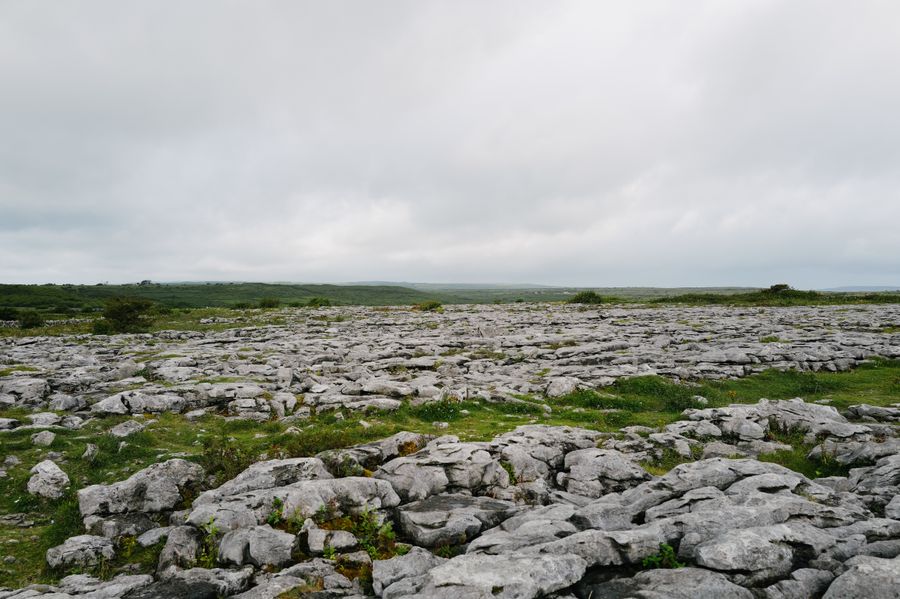
The bay rewards time spent on foot. The Clare shoreline has limestone pavement running down to the water, with small harbours and coves between the rocks. The northern shore has beaches, stone walls and views across to the islands.
Birdlife is part of the picture. The bay and its inlets hold wading birds and wintering wildfowl, and the sheltered water is used by many species through the year. BirdWatch Ireland is the body to consult for sites and seasons.
Weather on the bay changes quickly, and the shore can be exposed. Walking the coast is best done with an eye on the forecast from Met Éireann, and with care on wet limestone, which is slippery underfoot. Tides matter too: check local tide times before walking a strand.
Getting there and around
Galway City is reached by rail from Dublin with Iarnród Éireann, and by coach with Bus Éireann and private operators. Shannon Airport serves the Clare side of the bay, and Ireland West Airport at Knock serves the northern approach.
A car makes the shores of the bay much easier to reach, since the villages are spread out and rural buses are limited. Traffic drives on the left, and distances in the Republic are in kilometres. Transport for Ireland has a journey planner for public transport.
The Wild Atlantic Way runs along both shores of the bay, and the signposting helps with navigation. Timetables and seasonal services change, so check with the operator before relying on a particular bus or train. The bay is in the Republic, where the currency is the euro.