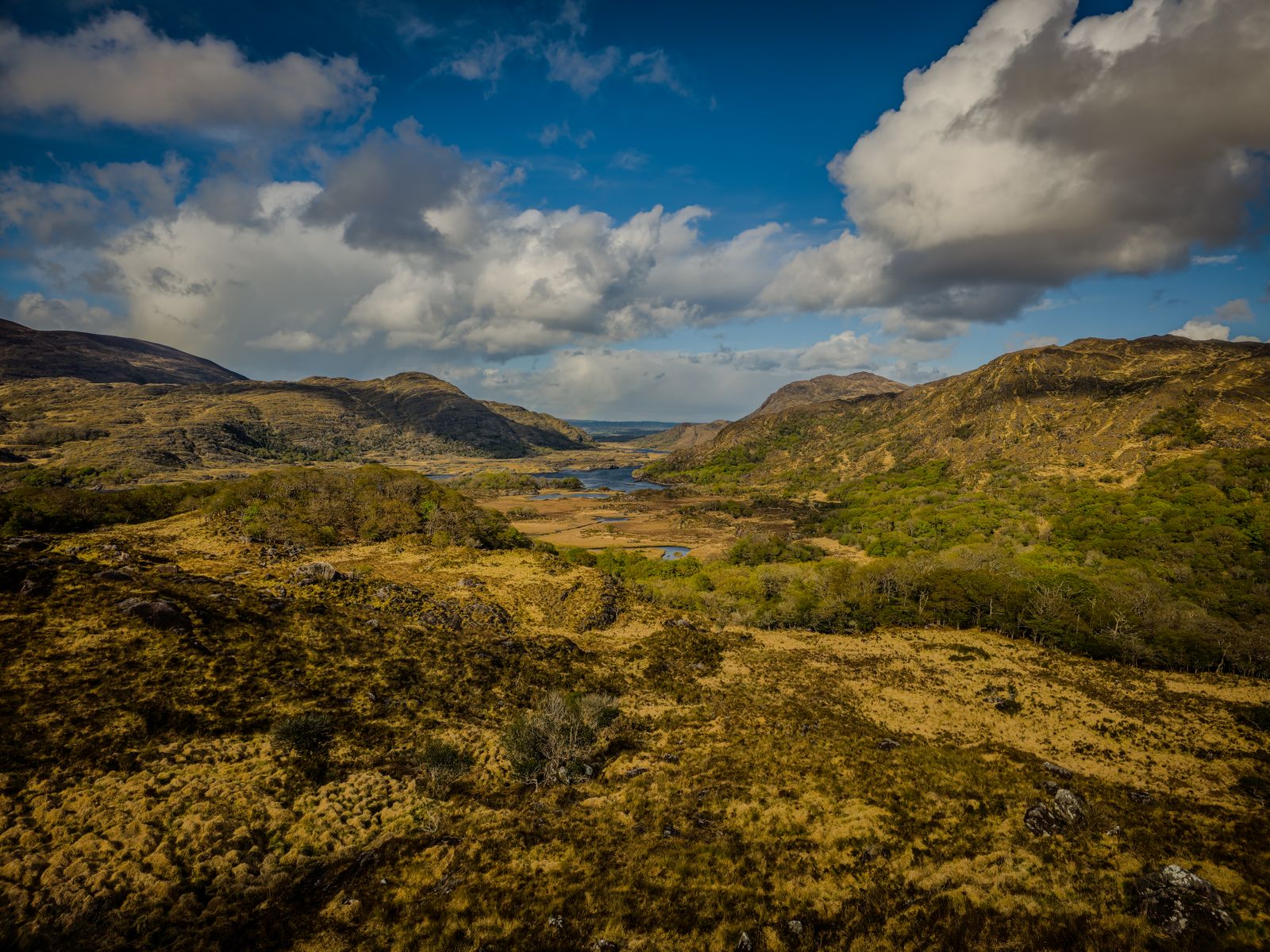
Killarney's oak woods sit on the shores of three lakes below the MacGillycuddy's Reeks. From late September the leaves turn, bracken on the open hillsides goes copper, and the crowds of summer thin out. This page covers when the colour comes, where to walk, and which town to use as a base.
Why the woods turn
Killarney National Park holds one of the largest surviving areas of native oak woodland in Ireland. The woods around Muckross, Dinis and the Upper Lake are sessile oak, with holly, birch and rowan mixed in. Sessile oak is the tree that gives the park its autumn character, turning from green through bronze to a deep russet before the leaves drop.
The mild, wet climate of the Kerry mountains suits these woods. The lakes hold the heat a little and the hills shelter the lower ground, so the trees here often keep their leaves a week or two longer than woods further inland. The result is a long, slow autumn rather than a sudden change.
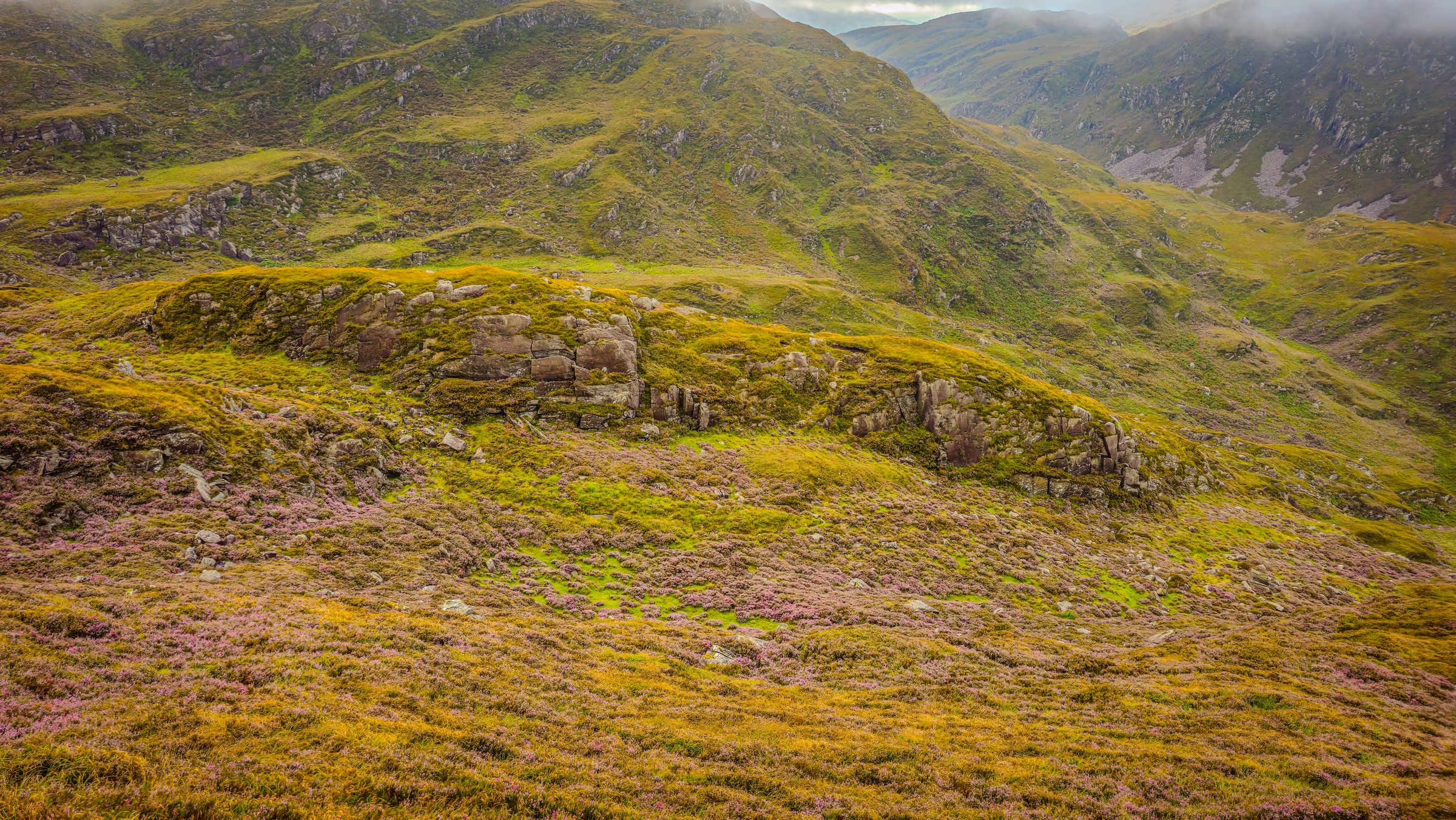
Bracken covers the open slopes above the woods and turns first, usually from mid September. It goes yellow, then copper, then a dull brown. Seen from the water or from a high path, the bracken and the oak together give the hillsides the colour that people come for.
When the colour peaks
The turning is gradual and depends on the weather of each year. Bracken on the open hills usually colours first, from mid to late September. The oaks follow through October, with the strongest colour often in the second half of the month and into early November.
A dry, calm autumn holds the leaves longer. A gale in October can strip the woods in a few days, so a week of settled weather is worth watching for. Met Éireann publishes the forecast and any weather warnings, and the National Parks and Wildlife Service posts notices about the park.
Mornings in October can be misty over the lakes, which softens the colour and keeps the light even. Afternoon light is low and comes from the side, which is when the woods look their best. Daylight in Kerry shortens quickly through the season, so plan walks to finish before dusk.
Check the Met Éireann forecast and any warnings before setting out, and confirm park notices with the National Parks and Wildlife Service.
Walks among the trees
The paths around Muckross and Dinis are gentle and mostly level, following the shore of Muckross Lake under the oaks. The Old Boathouse path and the routes near Muckross House are easy to follow and give close views of the trees. Muckross House and Gardens are run by the Office of Public Works and are ticketed.
For something longer, the path along the shore to the Upper Lake passes through the heart of the oak woods. The full route is a good half day on foot. Cyclists use the same roads, so walkers should keep to the side and watch for traffic on the narrow sections.
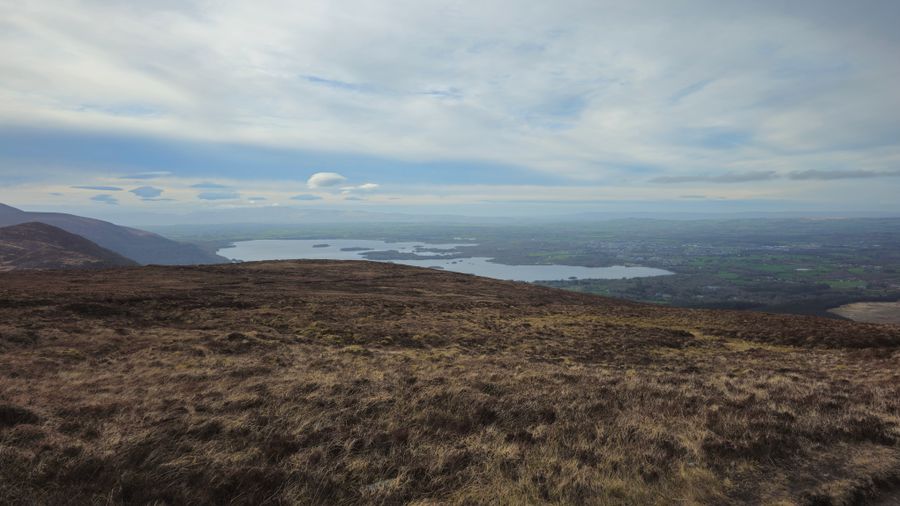
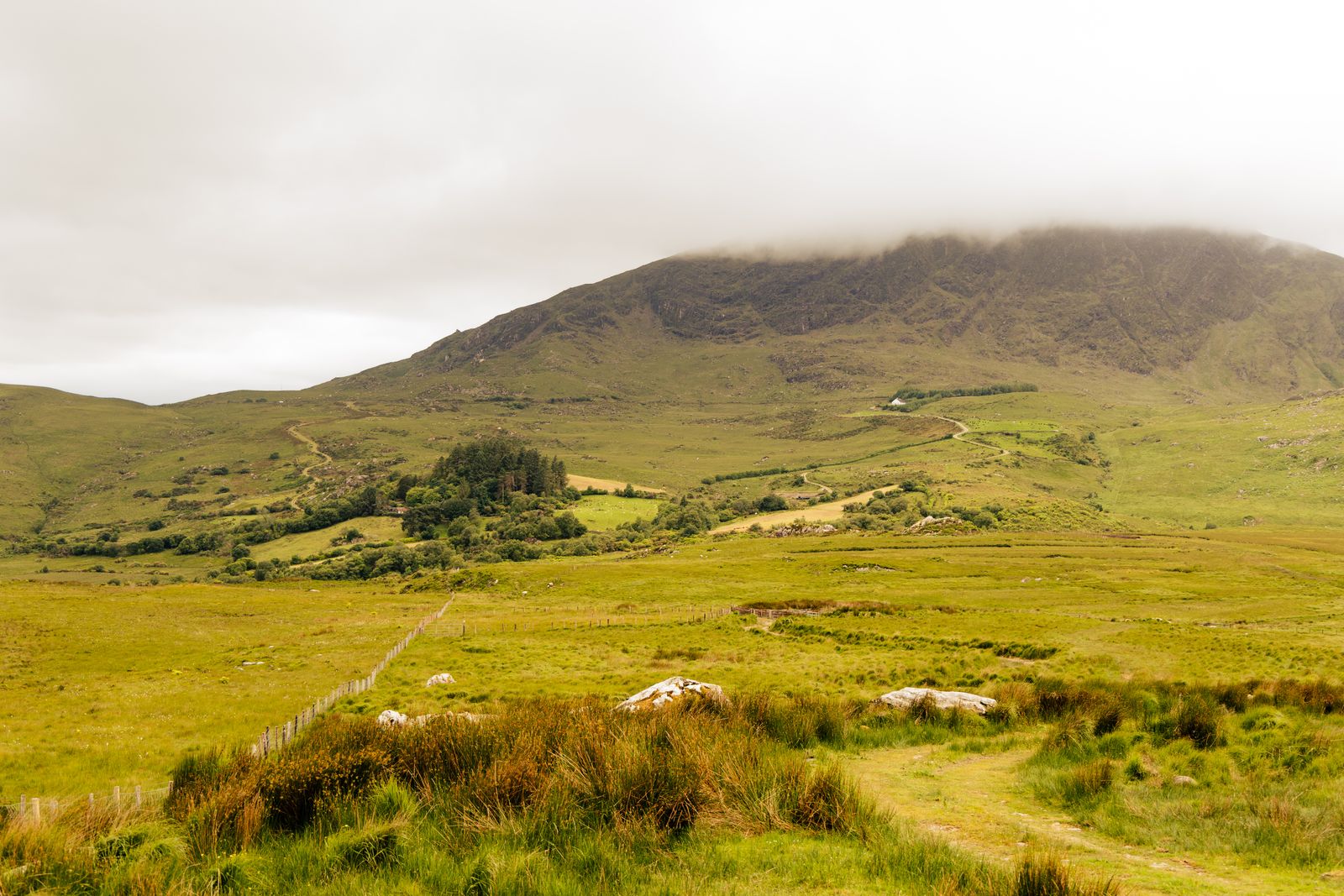
The climbs above the woods, such as the paths towards Torc Mountain, give views down over the lakes and the coloured hillsides. These are hill walks with rough ground and changeable weather. The National Parks and Wildlife Service advises on conditions, and proper footwear and rain gear are needed at any time of year.
The deer in autumn
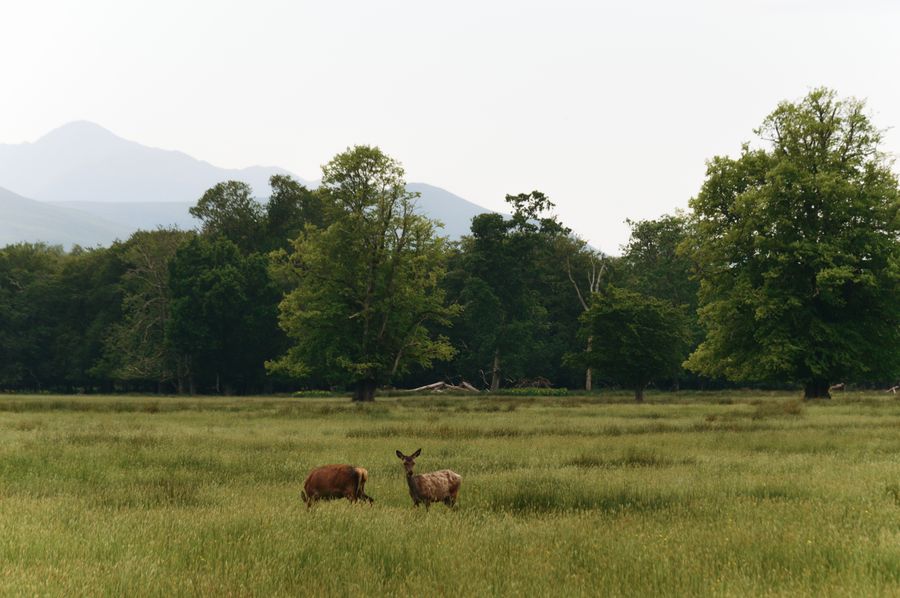
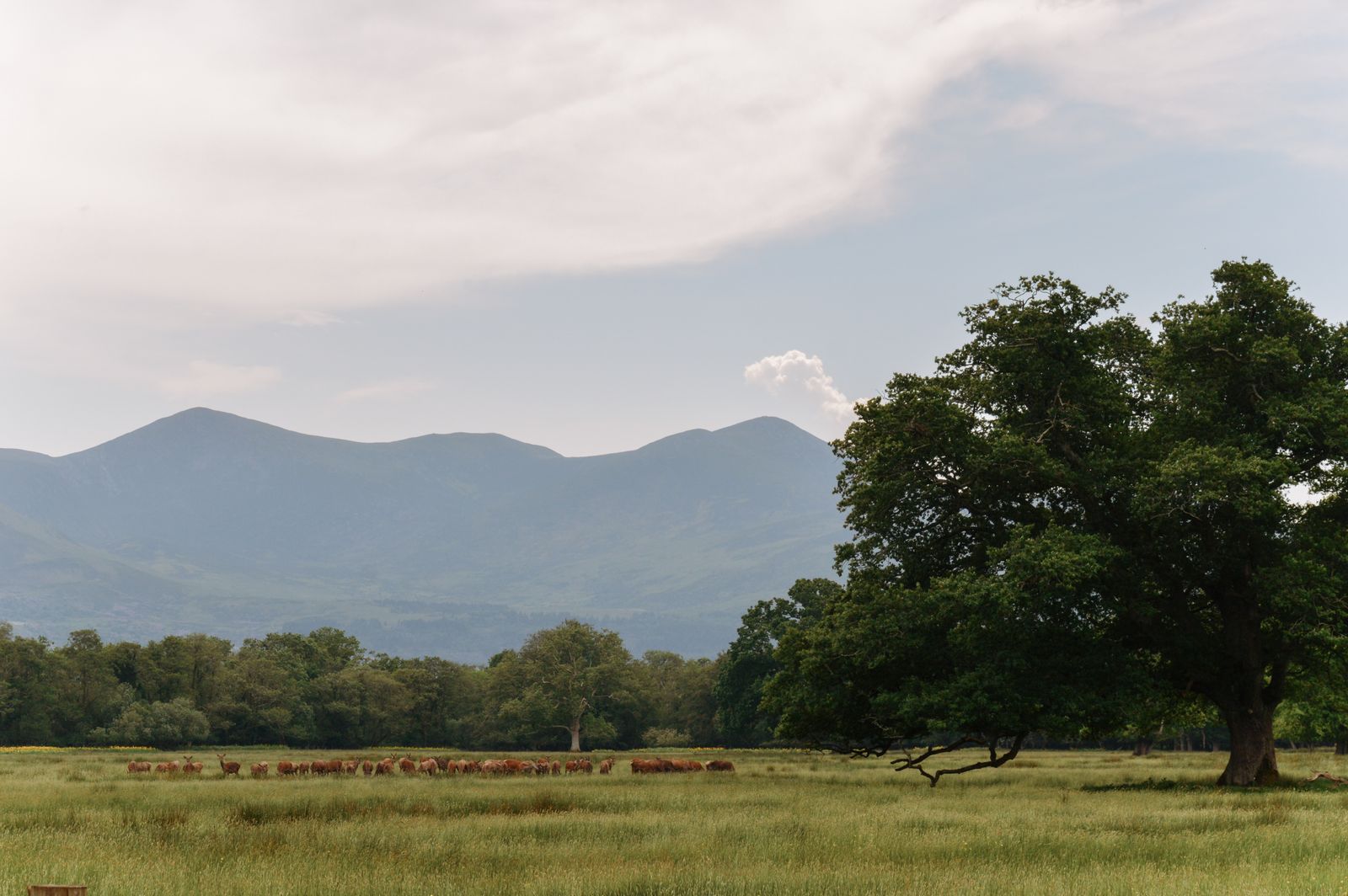
Killarney is known for its red deer, the last native herd on the island. In autumn the stags roar and compete for hinds during the rut, which usually runs from late September into October. The sound carries across the woods and the open ground at dusk and dawn.
The deer are wild and should be given space. Stags at rutting time can be aggressive, and dogs should be kept under control or left at home. The National Parks and Wildlife Service asks visitors to keep a distance and not to approach or feed the animals.
The best chance of seeing them is early or late in the day on the open ground near the lakes and the lower slopes. Binoculars help. The red deer of Killarney are a subject in their own right, and the park runs information on the herd through the season.
Where to base yourself
Killarney town is the obvious base. It sits at the edge of the national park, with the lakes and woods within walking distance of the centre, and it has the widest choice of places to stay and eat in the area. The railway station and bus services make it workable without a car.
Kenmare, to the south over the hills, is a smaller town at the head of the Kenmare River and a good base for the Ring of Kerry and the Beara Peninsula as well as the southern side of the park. Killorglin, to the north, sits on the Ring of Kerry road and suits a quieter stay.
For a short autumn break, staying in or near Killarney town keeps the lakes close and avoids long drives in shortening daylight. Those touring further west can use Killarney as a first stop before the Dingle Peninsula or the Ring of Kerry.
Getting there and around
Killarney is served by rail on the Iarnród Éireann line from Dublin and Cork, and by Bus Éireann coaches. Kerry Airport, at Farranfore, is the nearest airport, with a small number of routes. Timetables change with the season, so check with the operator before travelling.
A car gives the most freedom for reaching trailheads and the quieter shores, and traffic drives on the left. Parking near the main park entrances fills on fine weekends in October. Transport for Ireland has a journey planner covering rail and bus.
The park itself is free to walk. Muckross House and Gardens are ticketed and run by the Office of Public Works. Opening arrangements can change out of season, so check with the OPW or Heritage Ireland before a visit. Weather in the hills can turn quickly, and the emergency number is 112 or 999.
Autumn beyond the lakes
The colour is not confined to the park. The roads of the Ring of Kerry pass through wooded glens and over open ground that turns brown and gold in October. The Gap of Dunloe, a narrow mountain pass, is dramatic in any season and quieter once the summer coaches have gone.
The Dingle Peninsula, further west, has its own autumn character, with hedgerows and hillsides turning and the light over the sea low and clear. The Slea Head Drive is a slow road at any time and best taken without hurry.
For a longer stay, Killarney works as a base for west Kerry and the southern coast. Those heading east can link the park with the mountains of Wicklow or the city stops at Cork and Dublin. The season rewards a flexible plan and a willingness to wait for a clear morning.