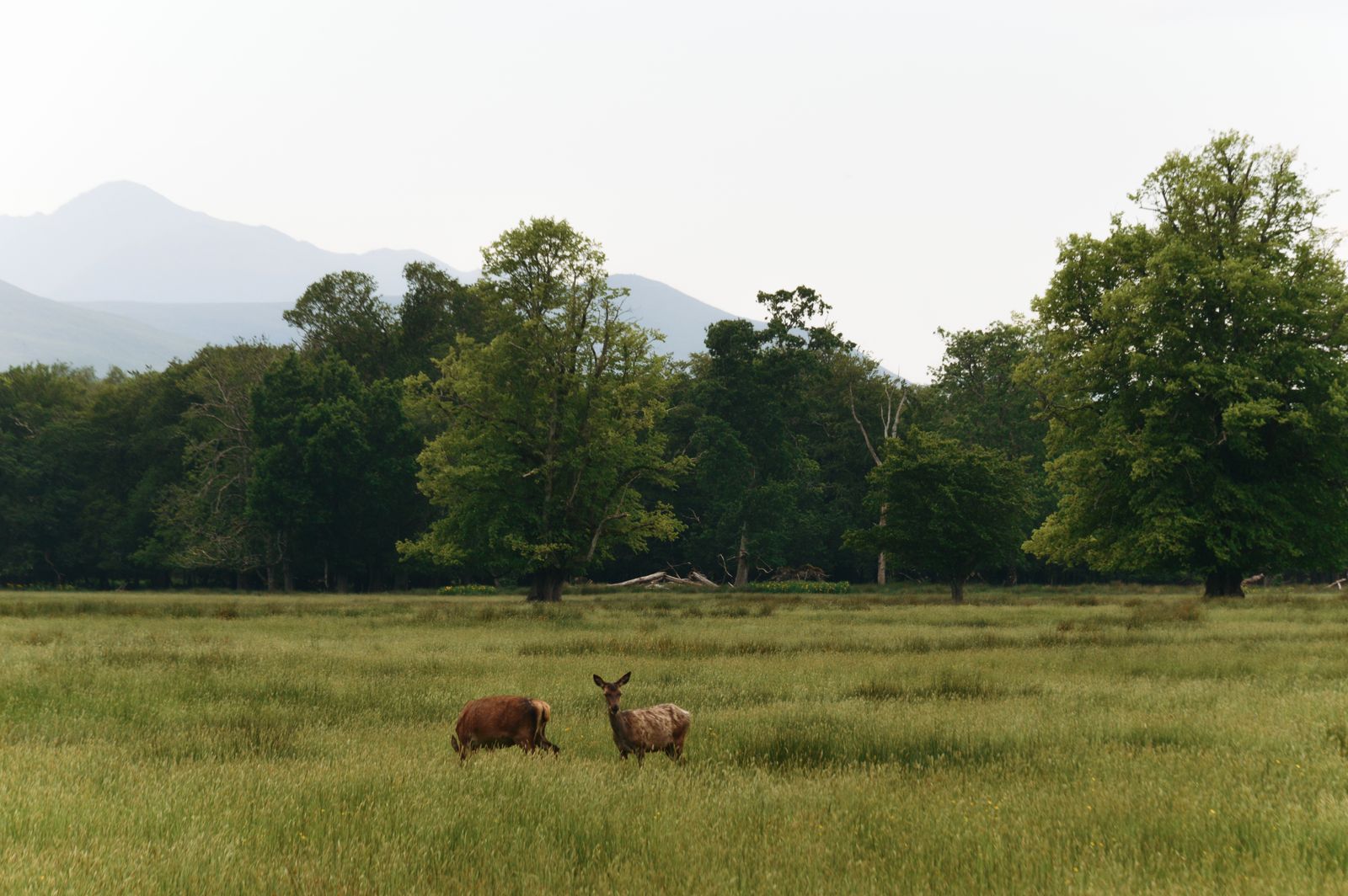
Killarney National Park holds the native herd of red deer in Ireland, animals that have lived in these woods and mountains for a very long time. In autumn the stags call across the valleys in the rut, and visitors come to watch from the paths and open ground.
A herd apart
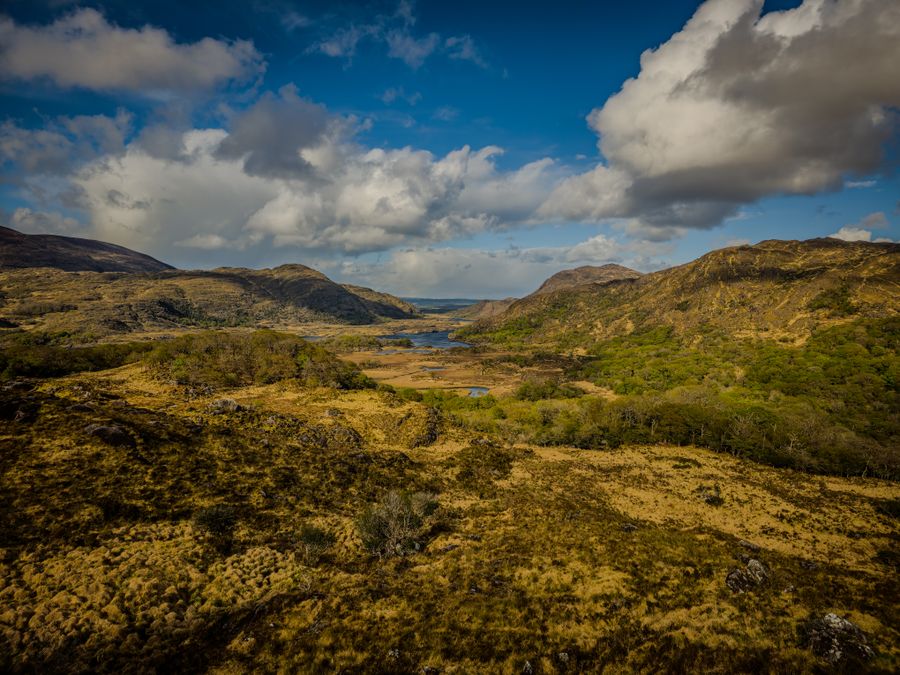
The red deer of Killarney are the native herd of Ireland, distinct from the red deer introduced to other parts of the country over the centuries. They live in the oak woods, the open ground and the mountains of the national park, moving between cover and grazing through the year.
The herd is wild. The animals are not fed or handled, and they keep their distance from people. Seeing them depends on the season, the time of day and a good deal of patience, and a sighting is never guaranteed.
The National Parks and Wildlife Service manages the park and the deer within it. The herd is monitored and counted, and the service publishes guidance for visitors on how to watch without disturbing the animals.
The autumn rut
The rut is the autumn breeding season, when stags compete for the attention of the hinds. Stags roar, pace and sometimes clash antlers, and the sound carries a long way across the valleys in still weather. It is the best time of year to hear red deer in Killarney.
The season falls roughly from September into October, though the exact timing shifts with the weather and the year. Early morning and late evening are the most active times, and the animals are easier to hear than to see in the half light.
During the rut the stags are focused on the herd and less wary of people than at other times. That does not make them safe to approach. Keep well back, stay on paths and tracks, and never come between a stag and the hinds.
Check the National Parks and Wildlife Service for current guidance on watching the rut, and keep a good distance from any stag.
Where to watch
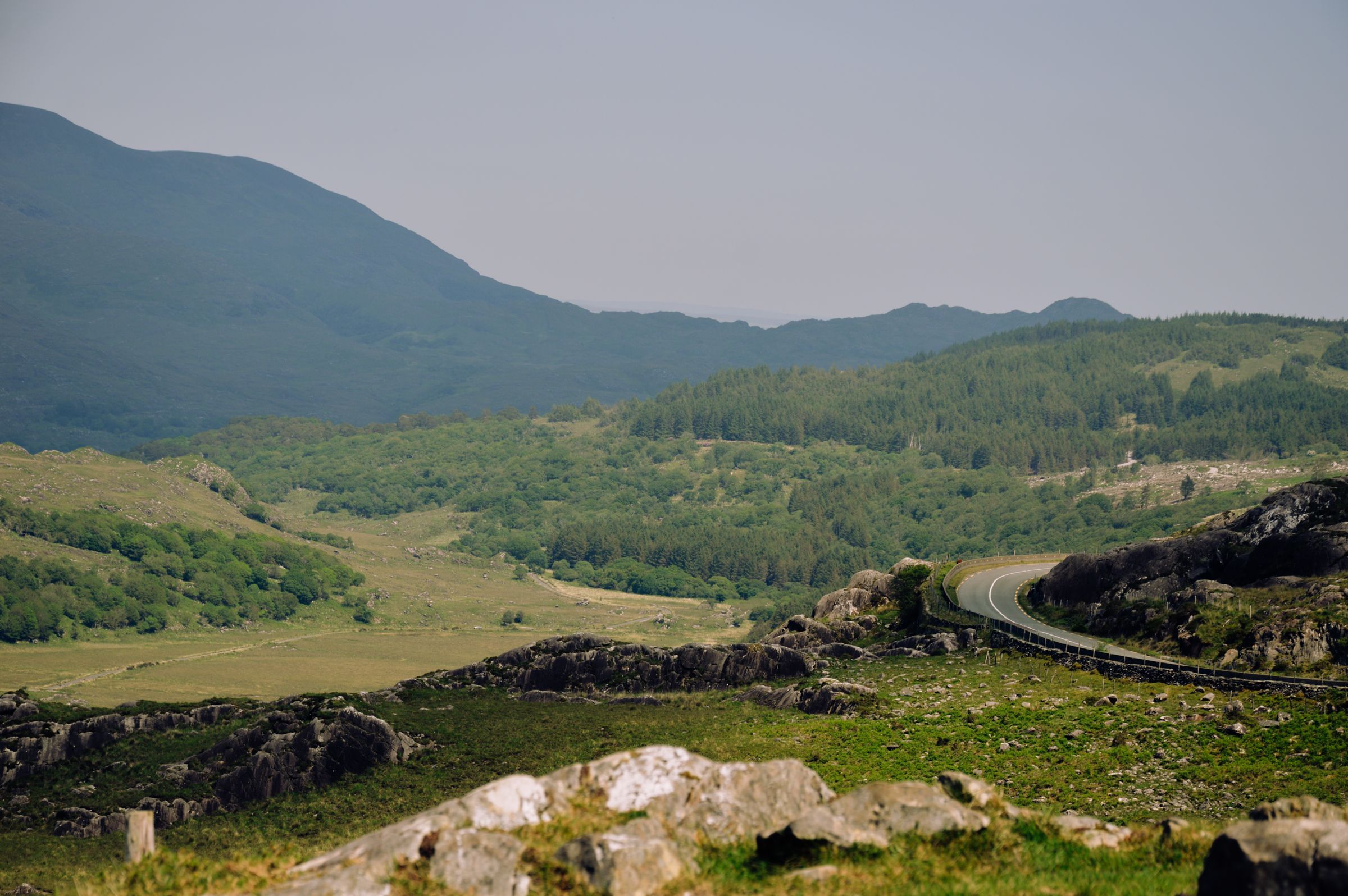
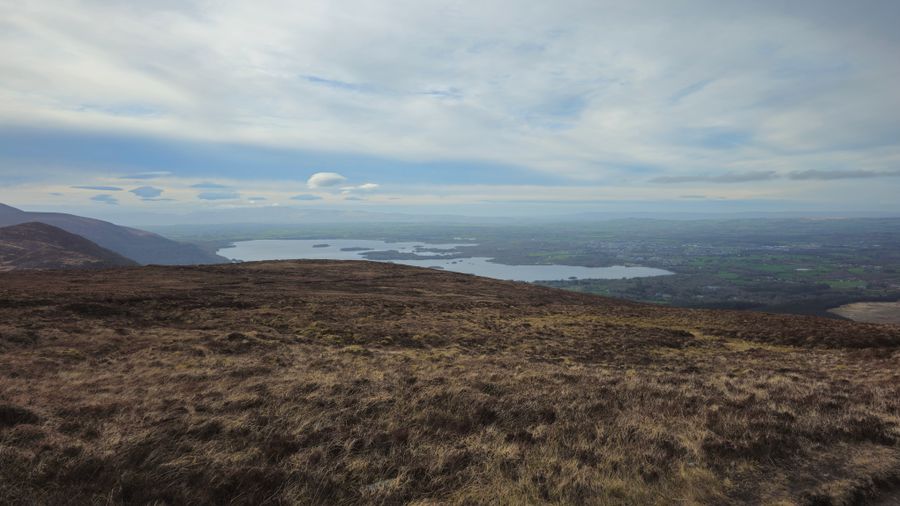
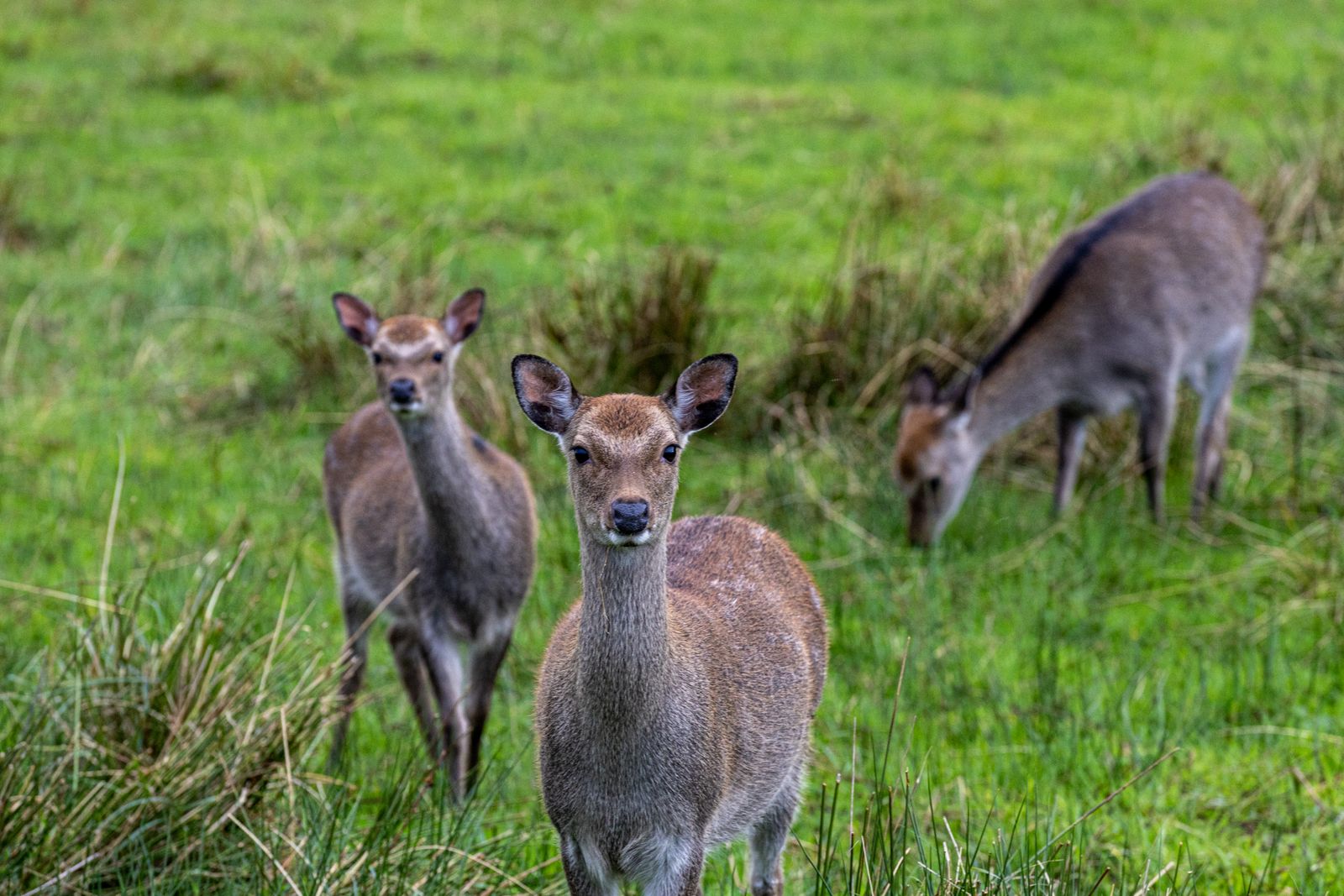
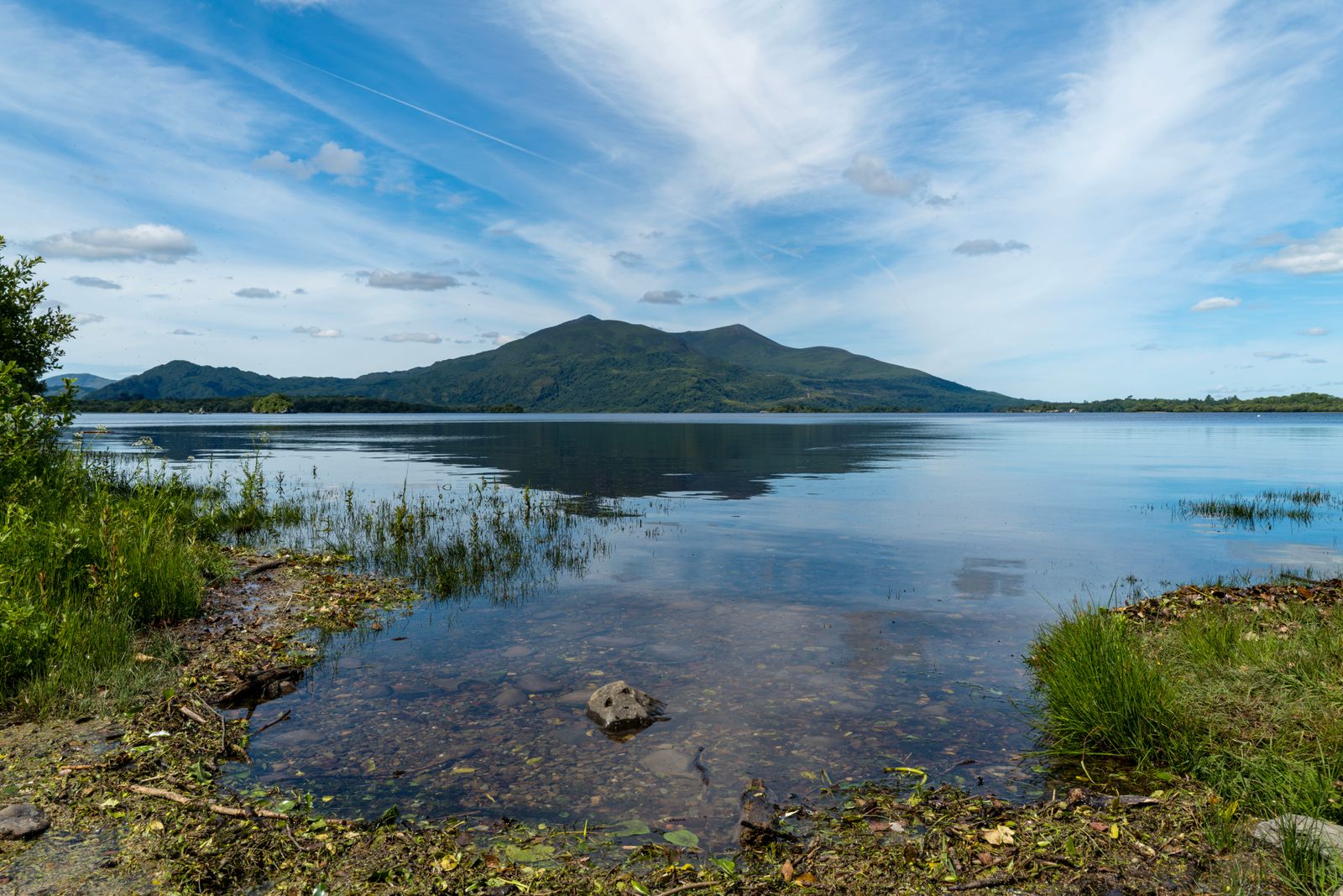
The deer range across the park, from the woods near the lakes to the open ground and the slopes of the mountains. The lawns and open areas around the lakes and the old estates are good places to scan at dawn and dusk, when the animals come out to graze.
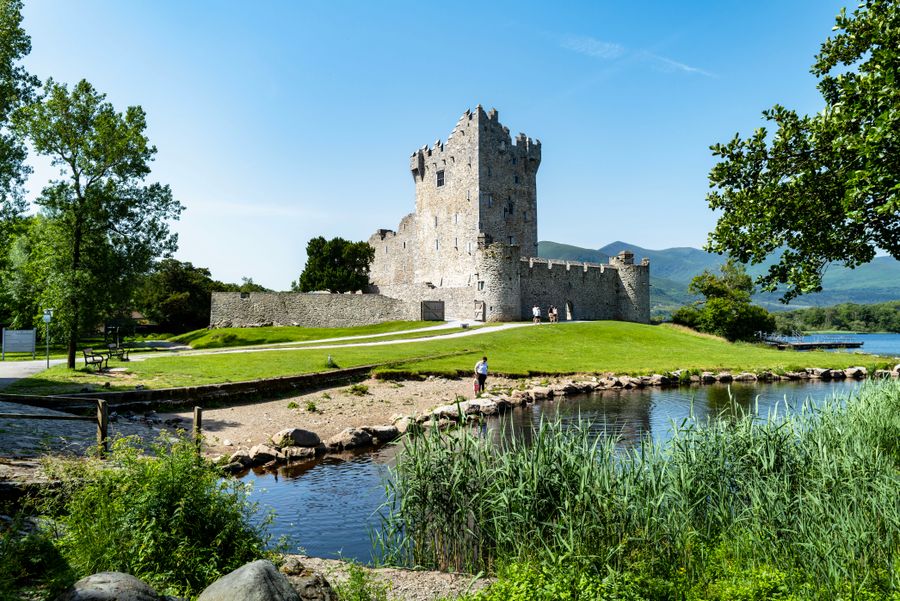
Muckross, the woods around the lakes and the open ground below the mountains are all worth a quiet look. Bring binoculars if you have them, and use the cover of trees and walls to watch without being seen.
The park is free to walk, and there is no charge to look for deer. Guided walks and ranger talks run at times through the year, and the National Parks and Wildlife Service can say what is on when you visit.
Antlers and the year
Red deer stags grow antlers each year, casting the old set in spring and growing a new one through the summer. The antlers are covered in velvet while they grow, and the velvet is rubbed off before the rut. A mature stag carries a heavy set of antlers by autumn.
The hinds calve in late spring and early summer, and the calves stay close to their mothers through the first months. The herd groups and splits through the year, with the sexes often apart outside the rut.
The deer share the park with other wildlife, including the native woodlands, birds and the smaller animals of the woods and shore. Walking quietly and looking up into the trees and across the open ground turns up more than deer alone.
Watching with care
The deer are wild animals and should be treated as such. Do not feed them, do not try to touch them, and do not let a dog run loose anywhere near them. A dog can chase and scatter a herd, and a stag can turn on a dog or a person.
Keep to paths and tracks, and give any animal a wide berth. If a stag moves towards you, back away slowly and put distance and cover between you. Never corner an animal or stand between a stag and the hinds during the rut.
Photographers should use a long lens rather than moving closer. A quiet, still watcher on a path sees more than one who walks into the open, and the animals settle again once people keep their distance.
Keep dogs on a lead throughout the park, as the National Parks and Wildlife Service advises, and never let one near the deer.
Basing yourself
Killarney town sits at the edge of the national park and is the natural base for watching the deer. The park is within walking distance of the town centre, and the woods and lakes are reached on foot, by bike or by a short drive.
Other towns in the area work as bases too. Kenmare to the south and Killorglin to the north are both within reach of the park, and each has its own character and access to the surrounding countryside.
Killarney is served by rail and by bus, and the park itself can be explored on foot and by bike once you are there. A car helps for early morning and late evening visits, when the deer are most active and public transport is thin.
When to go
Autumn is the season most people come for, because of the rut. The days are shorter and the weather changeable, so bring waterproofs and warm layers, and plan to be out at dawn or dusk when the deer are moving.
Spring and summer are quieter times to look for the herd, with the hinds and calves out in the open ground and the stags growing new antlers. The woods are at their fullest, and the park is busy with walkers and cyclists.
Winter is quiet, and the deer are harder to find in the shorter days. Whatever the season, check the forecast with Met Éireann before setting out, and remember that rain is possible in any month in Kerry.