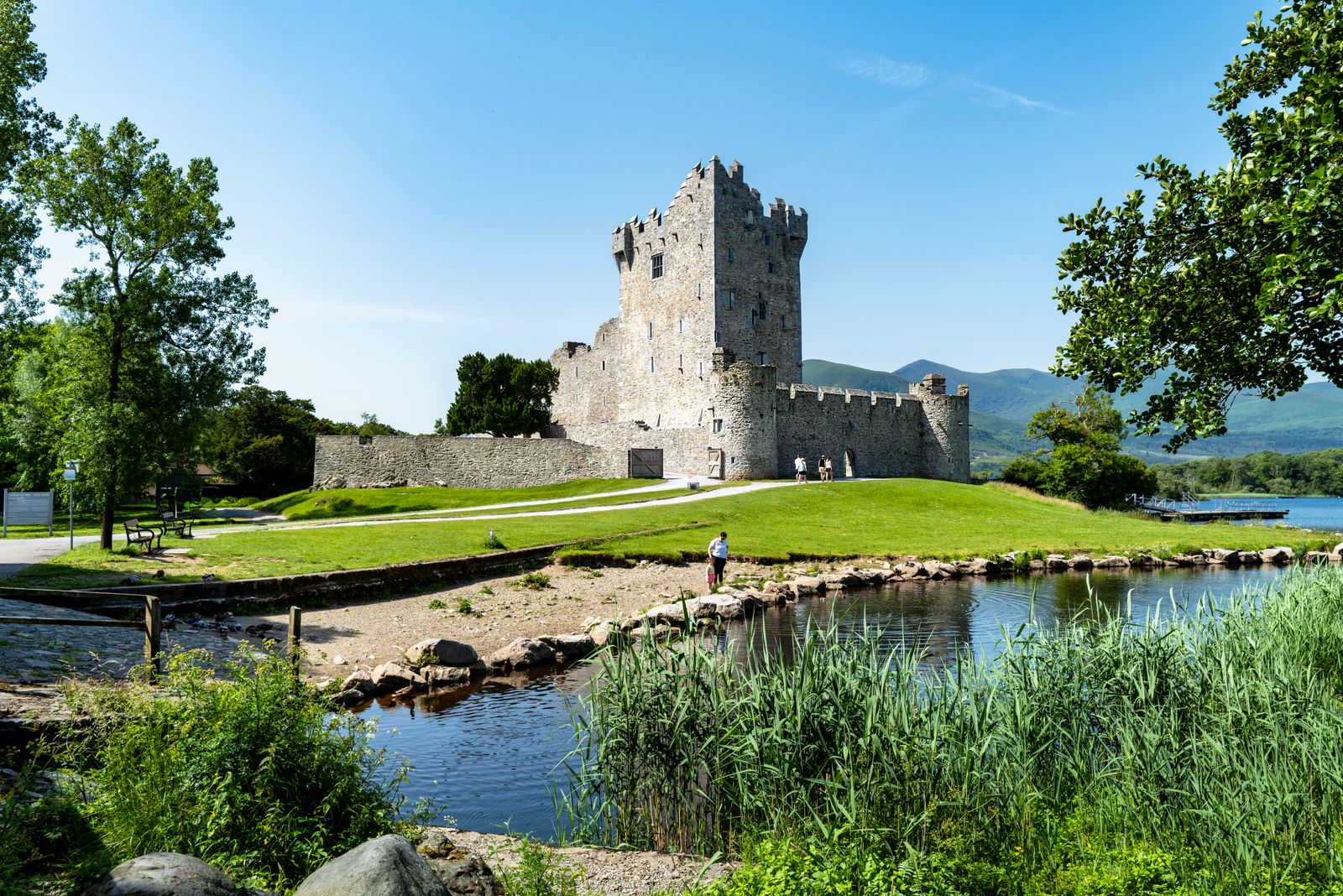
Killarney sits in a hollow in County Kerry, with the lakes and mountains of Killarney National Park at its southern edge. It is a busy town that works well as a base: the Ring of Kerry starts here, and the Dingle Peninsula is a day away.
The town itself
Killarney is a market town that grew at a crossing of roads in the valley of the River Flesk. Its centre is compact, with a grid of streets around Main Street and the wide open space of Kenmare Place. Most of what you need for a stay is within a short walk of the centre.
The town has long been a visitor centre, and the streets are lined with places to eat, drink and stay. It is busy in summer and quieter outside the school holidays. Even in the middle of town, the mountains are visible at the end of the streets.
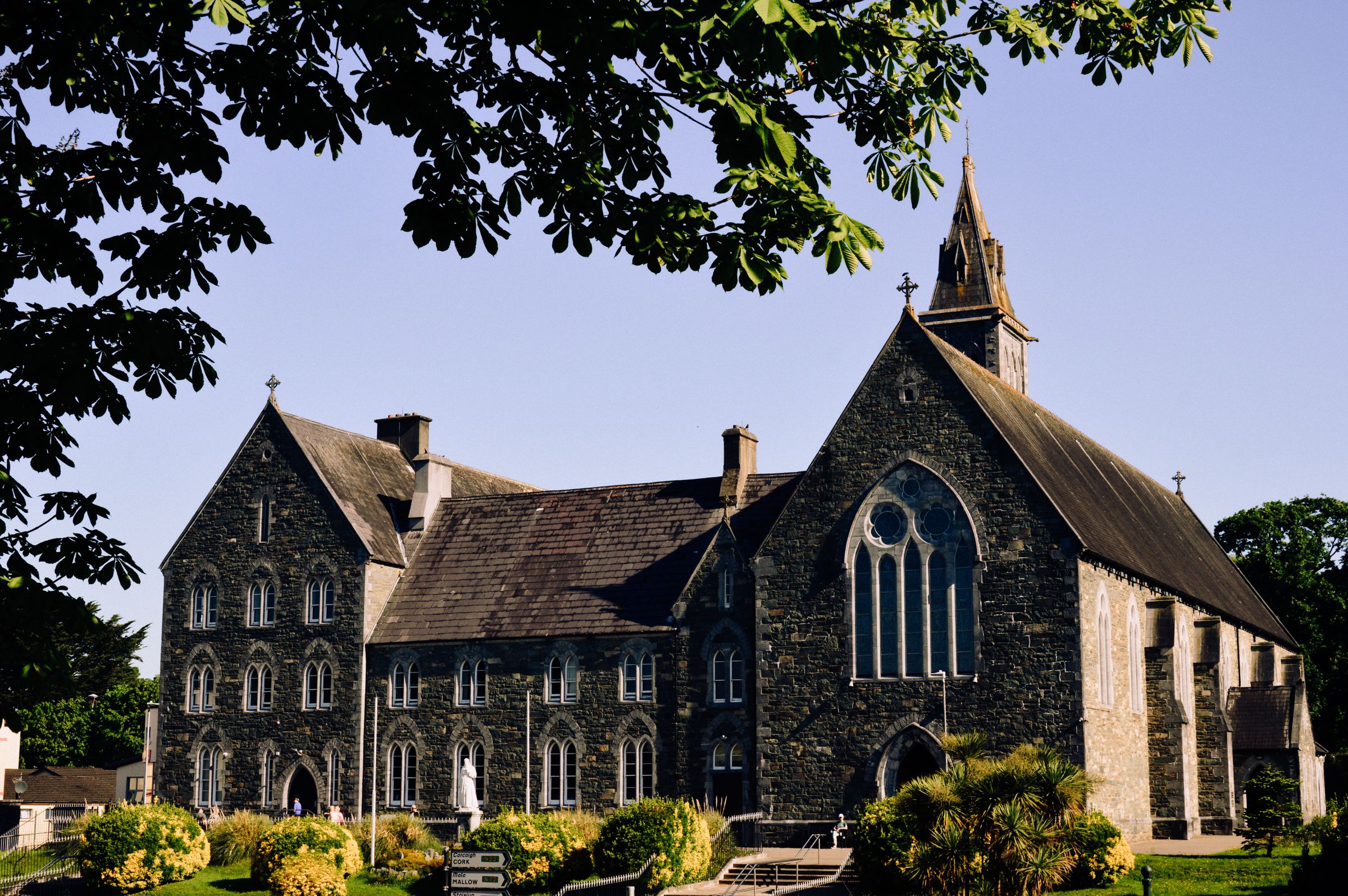
St Mary's Cathedral, on a rise west of the centre, is a nineteenth-century Gothic building with a tall spire. It is open to visitors outside service times. Nearby, the Church of Ireland church of St Mary sits on the site of an older foundation, and the town's courthouse and market buildings date from the same century.
Killarney National Park
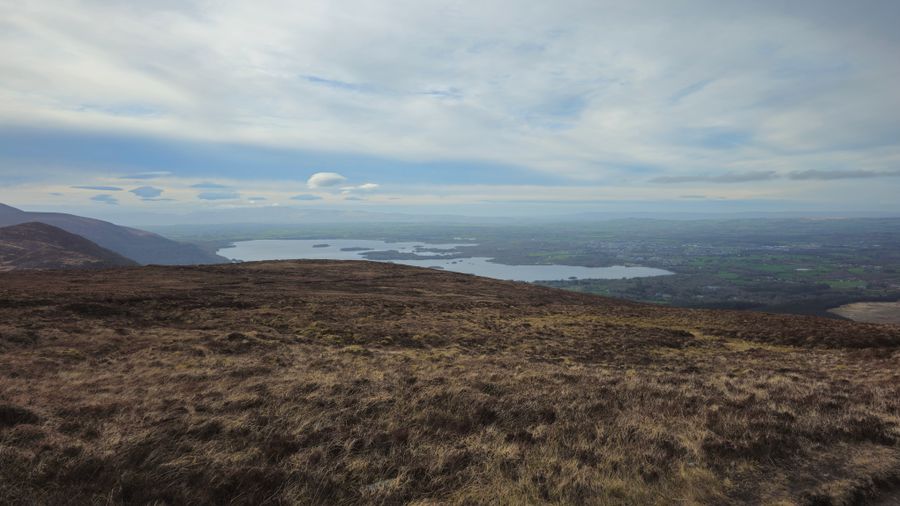
Killarney National Park covers the mountains and lakes south and west of the town. It is run by the National Parks and Wildlife Service and is free to walk. The land rises from the lakeshore to the summits of Mangerton and Torc Mountain, and the park holds oak woodland, one of the largest remaining areas of native oak in the country.
Red deer graze the open ground and are often seen at dawn and dusk. The woods and lakes are also home to a range of birds and plants, and the park visitor centre at Killarney House, on the edge of the town, explains the landscape and the estate's history.
Torc Waterfall is a short walk from a car park on the N71, and the path continues uphill for those who want a longer climb. The tracks around Muckross and Dinis are level and easy. The roads through the park are narrow and shared with walkers, cyclists and horse-drawn vehicles, so drive slowly and expect to stop.
Check trail conditions and seasonal notices with the National Parks and Wildlife Service before a hill walk.

Ross Castle and the lakes
Ross Castle stands on the shore of Lough Leane, a short walk or drive south of the town. It is a tower house of the O'Donoghue family, later a barracks, and is now run by the Office of Public Works. Access to the interior is by guided tour and is ticketed, while the grounds and lakeshore paths are free to walk.
From the castle, paths run along the lakeshore and through the woods towards Muckross. Boats leave from a nearby jetty for trips on the lake, and some call at Innisfallen Island, where the ruins of a monastery stand. Landings and timetables depend on the season and the weather.
The lakes are Lower Lake, Middle Lake and Upper Lake, linked by short channels. The Gap of Dunloe, a narrow mountain pass, lies beyond the Upper Lake and can be reached on foot, by bicycle or by pony and trap from the cottage area at the pass entrance.
The Ring of Kerry
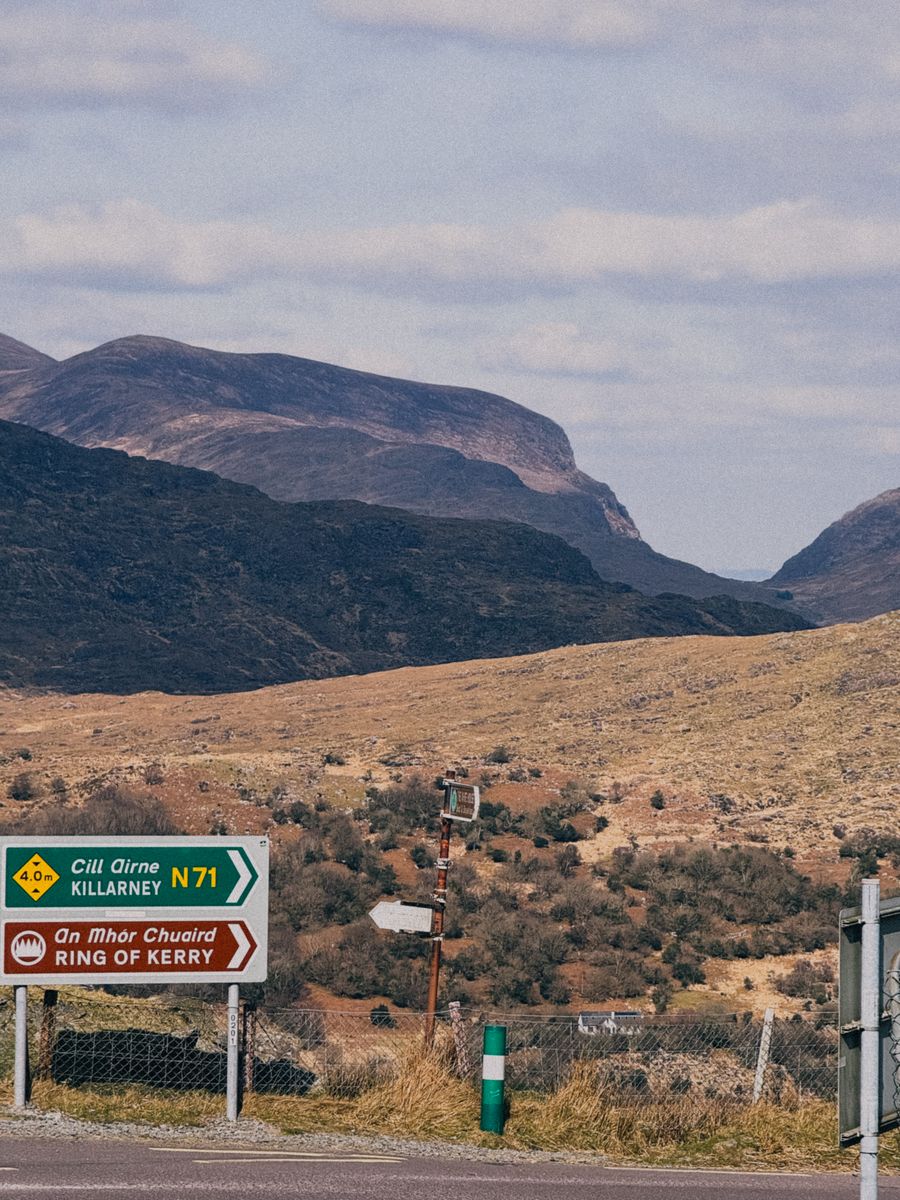
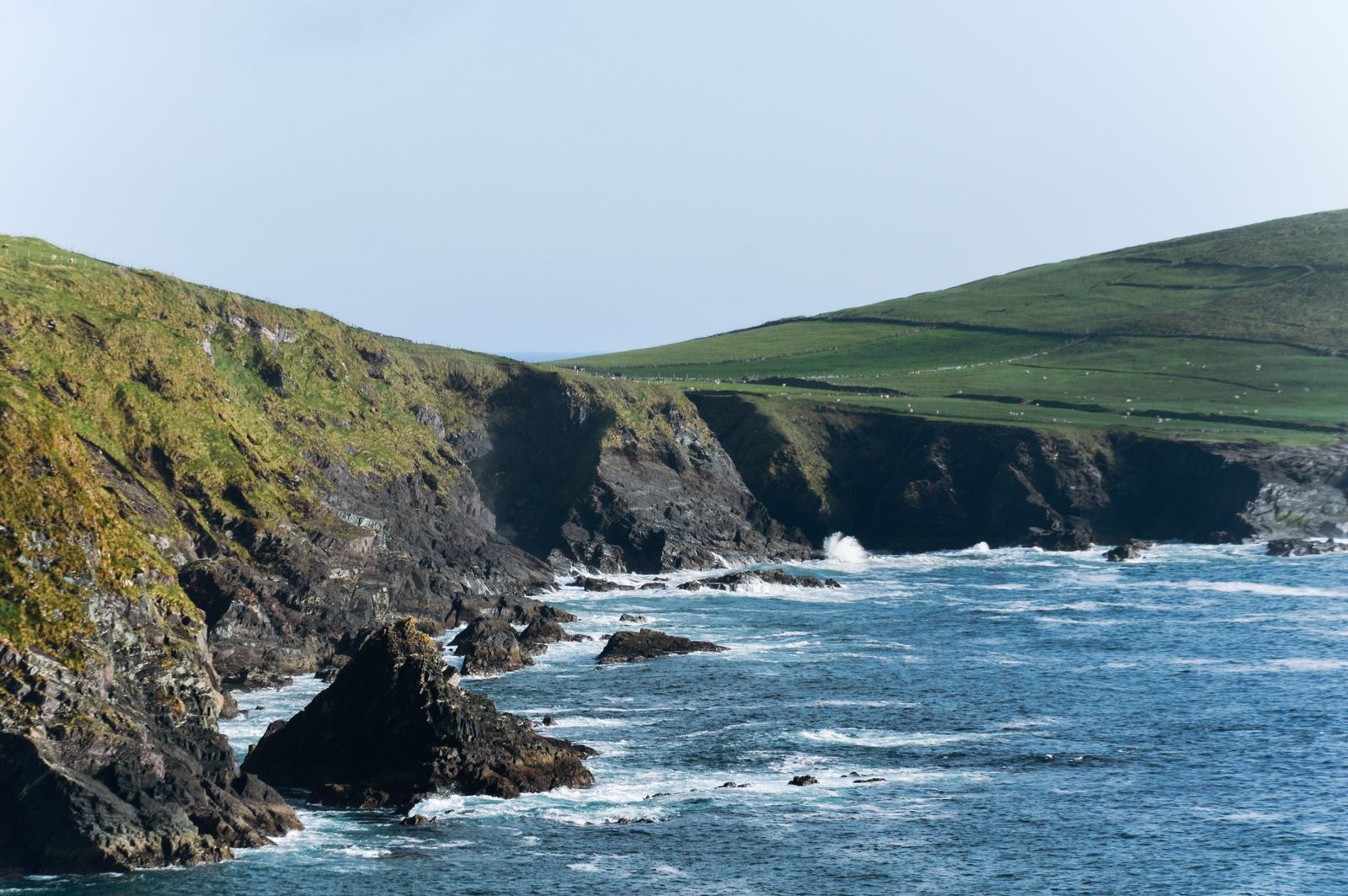
The Ring of Kerry is a signed driving route that loops the Iveragh Peninsula from Killarney. It runs through Killorglin, Cahersiveen, Waterville and Kenmare before returning to the town. The full circuit makes a long day, and many visitors spread it over two.
The road is narrow in places, especially around the Coomakista pass and the descent to Waterville. Coach tours run the route in one direction, and drivers are advised to follow the same direction to avoid meeting large vehicles on tight bends.
Walkers can join the Kerry Way, a long-distance trail that leaves Killarney and follows old roads and tracks around the peninsula. Shorter sections can be walked as day trips, with the town as a base. The route is waymarked, but the open hills need proper footwear and a map.
Road conditions and route notices change with weather and roadworks: check with Kerry County Council or Transport for Ireland before setting out.
Around the town
The lakes and the park are the main draw, but the town has other things to see. The Franciscan Friary on the edge of the centre has a peaceful garden and a small church. The town's courthouse and market buildings date from the nineteenth century, and the streets around them hold a mix of old shopfronts.
The surrounding countryside holds standing stones, ring forts and old church sites. Aghadoe, a few kilometres north of the town, has the ruins of a church and a round tower, with views over the lakes. The site is free to visit and makes a short outing by car.
For a shorter walk, the path along the River Flesk and the woodland at Dromhale are close to the town. The local library and the tourist office can supply maps and current information on what is open, and both are useful on a wet day.
Where to base yourself
Killarney town is the obvious base for the national park and the Ring of Kerry. It has the widest choice of accommodation and the best transport links, with a railway station on the Mallow to Tralee line and bus services to Cork, Tralee and Dingle. Staying in the centre puts restaurants and pubs within walking distance.
Kenmare, at the southern end of the Ring, is a smaller town with a good choice of places to stay and a setting on the Kenmare River. It suits travellers who want a quieter base and easy access to the Beara Peninsula. Killorglin, north of Killarney, is a market town on the Ring and a useful stop for the first or last night of the circuit.
Tralee, the county town, has a wider range of services and is close to the Dingle Peninsula. For a stay focused on walking, the area around Muckross and the park gates has accommodation within easy reach of the trails. Each base suits a different kind of trip, so match the choice to the days planned.
Getting there and around
Killarney has a railway station on the line between Mallow and Tralee, with connections to Cork and Dublin. Iarnród Éireann runs the services, and timetables change, so check before travelling. Kerry Airport, north of Killarney near Farranfore, has flights to a number of destinations.
Bus Éireann and private operators run coaches to and from Killarney, and TFI Local Link buses serve smaller places in the county. The town is small enough to walk, but a car is useful for the park, the Ring of Kerry and the Dingle Peninsula. Traffic drives on the left everywhere on the island.
The N22 links Killarney to Cork, and the N71 runs south to Kenmare and west along the Ring. Parking in the town centre is limited in summer, and the car parks at Muckross and Torc fill early on fine days. The Ring of Kerry and the Dingle Peninsula are both within reach for day trips, though each deserves more time.
Weather and practicalities
The climate is temperate oceanic, with mild winters and cool summers. Rain is possible in every month, and the west and the hills are wetter than the east. Daylight in Dublin runs from about 17 hours around the June solstice to about 7.5 hours in late December, so summer evenings are long and winter days short.
The Republic of Ireland uses the euro, kilometres and km/h. Ireland is not in the Schengen area, and entry rules depend on the passport, so check with the Irish Immigration Service before travelling. Plugs are the three-pin type G, and the emergency number is 112 or 999.
Killarney is in the Republic, so the border with Northern Ireland does not affect a stay here, though a trip north means pounds sterling and miles. Irish is an official language, and Gaeltacht areas where it is the community language lie west in Kerry, including parts of the Dingle Peninsula, where road signs are in Irish only.