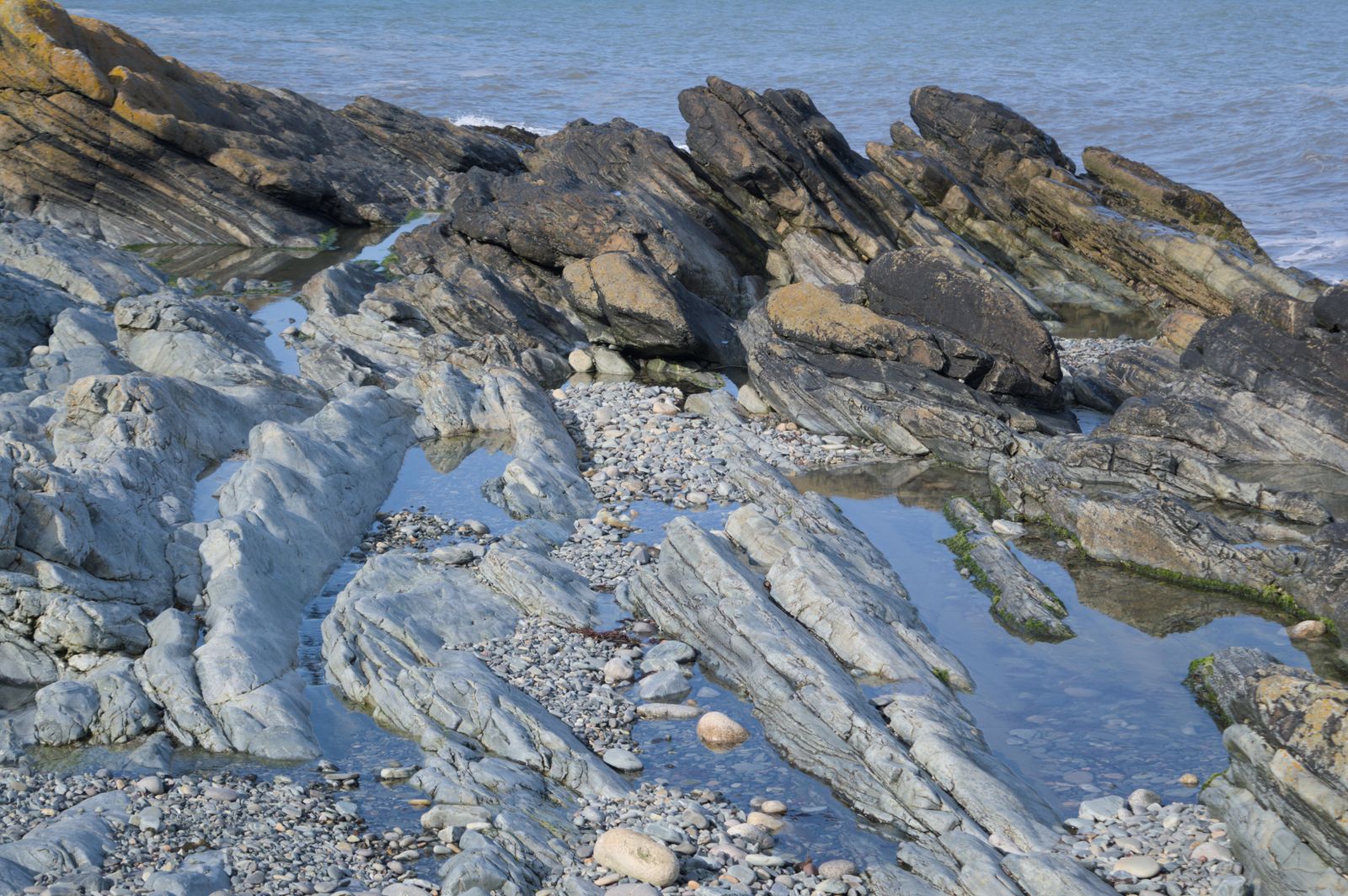
The strip of shore between high and low water is the most accessible wildlife habitat in Ireland. On a rocky coast, a single pool can hold anemones, crabs, small fish and weed. Looking closely costs nothing and needs no booking. The main skill is knowing when to go and how to leave it as you found it.
What a rock pool is
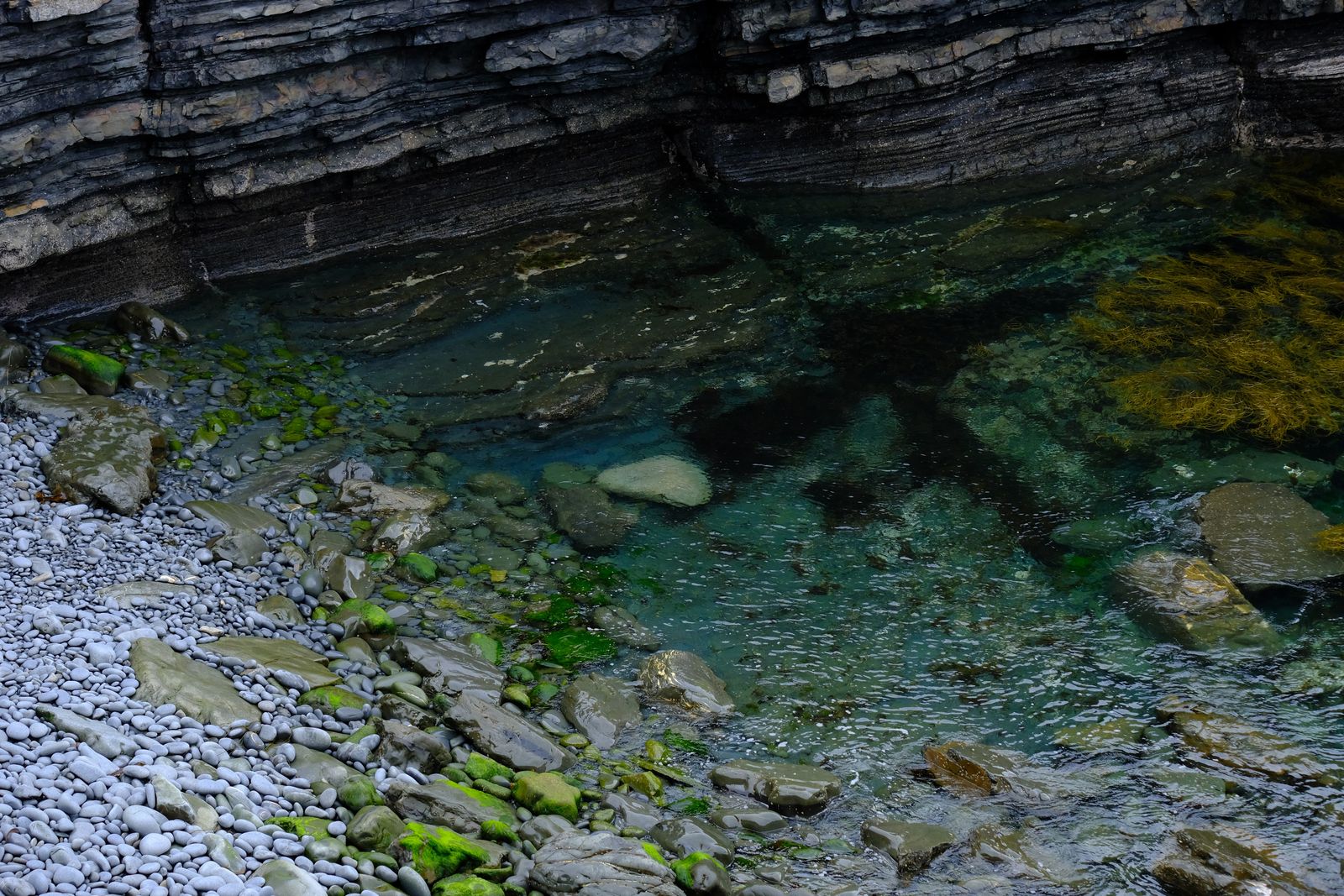
A rock pool is a hollow in the rock that holds water when the tide goes out. Some are shallow and warm in the sun; others are deep and cold, connected to the sea by a channel. Each is a small habitat with its own conditions of light, temperature and salt.
The animals in a pool are those that can survive a few hours of exposure. Some, like limpets and periwinkles, clamp down and wait. Others, like anemones, close up. Small fish and prawns retreat under weed or into crevices until the water returns.
The zone between the tides is called the intertidal. It is divided into bands: splash zone at the top, then upper, middle and lower shore. Different species live in each band, so a walk down to the low water mark passes through several habitats in a few metres.
Check tide times with the Marine Institute or a local tide table before setting out. A falling tide gives the longest safe window.
What you might see
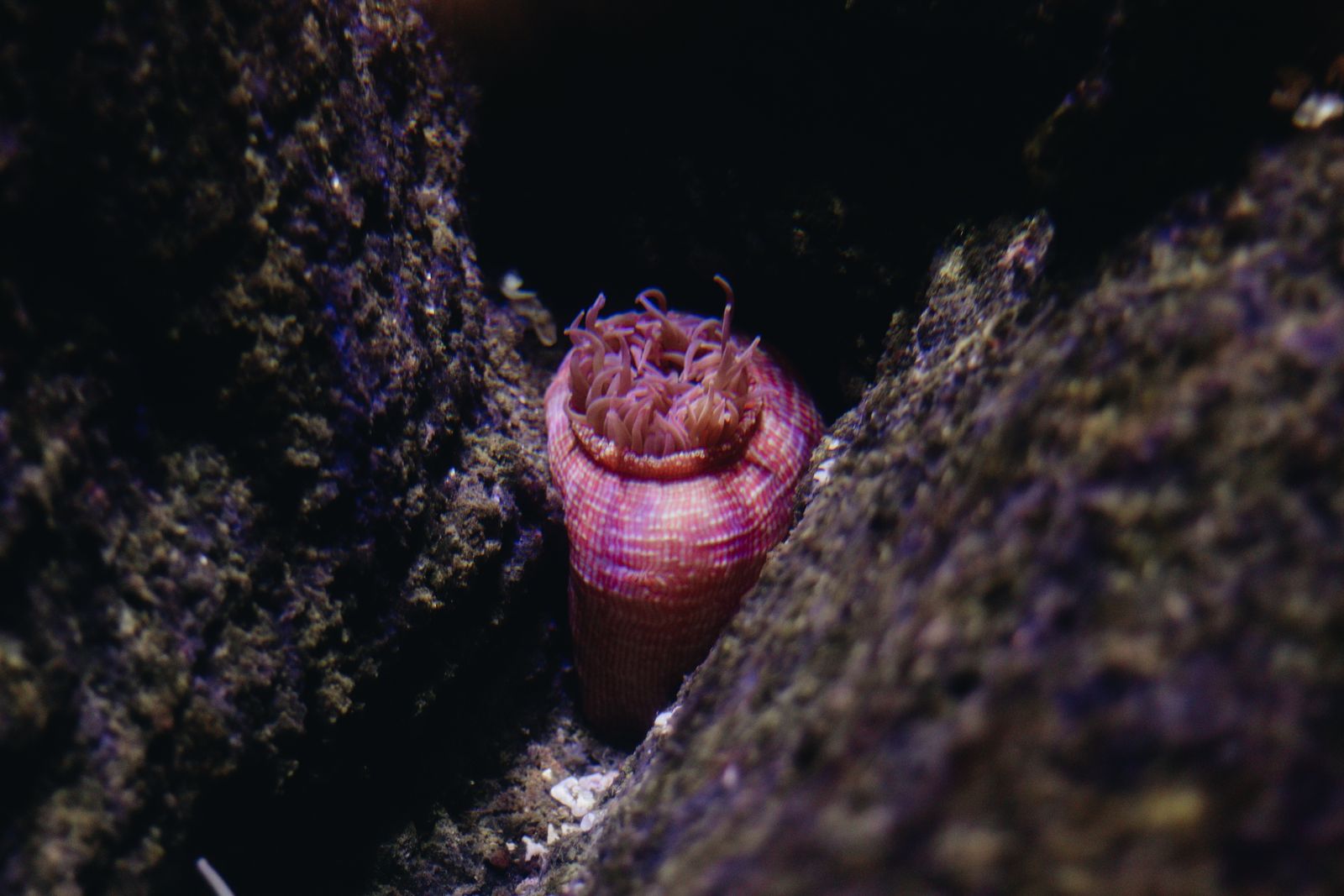
Beadlet anemones are common on rocky shores, appearing as red or green blobs when closed and opening into a ring of tentacles underwater. Limpets clamp to rock in their thousands, and dog whelks drill into them. Periwinkles graze on weed. Shore crabs scuttle under stones.
In deeper pools, look for small fish such as blennies and gobies, prawns, and the occasional young pollock. Starfish and sea urchins are less common but appear on some western shores. Seaweed covers the rock in bands: channel wrack high up, bladder wrack in the middle, kelp below.
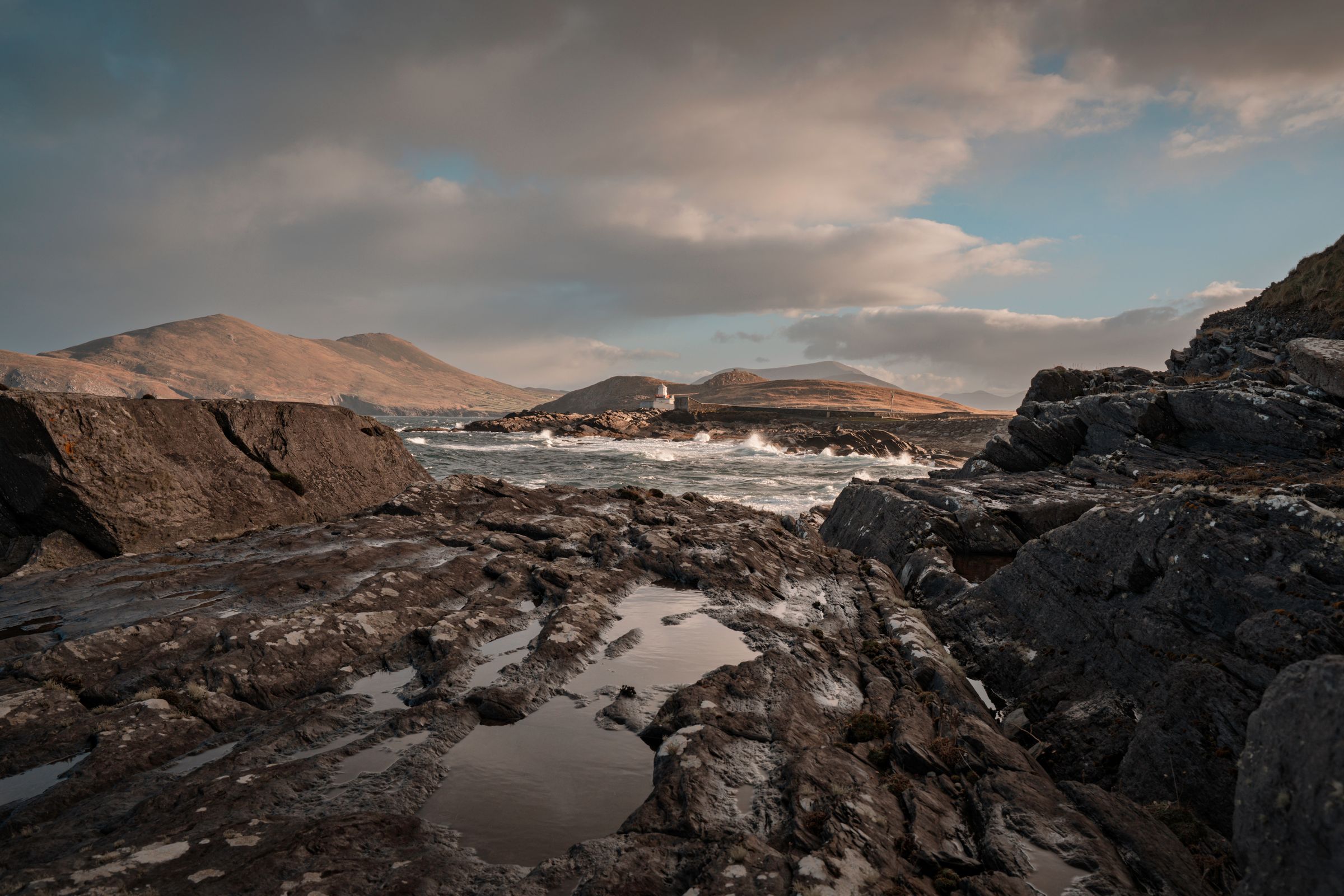
The variety depends on exposure. A shore open to Atlantic swell has different species from a sheltered bay. The west coast, from Donegal to Cork, has some of the most exposed rocky shore in Europe, and the pools reflect that.
How to look without harm
The principle is simple: look, then put everything back. Turn a stone over gently, look, and replace it exactly as it was. Many small animals live on the underside, and a stone left upside down dries out and kills them. Do not chase or handle fish.
Keep fingers out of anemones and away from crab claws. Wear footwear with grip; wet rock is slippery. Avoid pools with a strong surge or a channel back to the sea. Children should be within reach, and the tide should be watched.
Do not collect shells, weed or animals. Empty shells are part of the shore, and living creatures need them. If you want a record, take a photograph. The shore is protected in places, and collecting can be an offence.
Leave everything where you found it. If a stone is moved, put it back the same way up. Report injured seals or stranded animals to the NPWS.
When to go
Low tide is the obvious time, but a spring tide, which happens around new and full moon, exposes more shore than a neap tide. Tide tables give the height and time. A calm day with light wind is easier and safer than a windy one.
Summer is the most comfortable season, but the shore is alive all year. Winter storms rearrange weed and sand, and the pools can be at their clearest after a calm spell. Daylight is short in December, so plan around it.
Rain does not stop rockpooling, but it makes rock slippery and reduces visibility in the water. A calm, dry, overcast day is often best: no glare on the water and no heat to dry out the pools.
Staying safe on the shore
The tide comes in faster than it looks, especially on flat rocky platforms and in bays with a wide tidal range. Pick a spot with an easy way back, and note the time. Do not go out on a falling tide if the return route crosses a channel.
Waves and swell can arrive without warning on exposed coasts. Keep back from the edge, and do not turn your back on the sea. In Northern Ireland, the coast is part of the UK, and the same rules apply; the emergency number is 112 or 999 on both sides of the border.
Mobile signal can be weak in remote coves. Tell someone where you are going and when you expect to be back. Check the weather forecast from Met Éireann before setting out, and be prepared to change plans.
Check the weather with Met Éireann and the tide with the Marine Institute. In Northern Ireland, check the forecast with the Met Office.
Where to base yourself
The booking search on this page is set to the Sligo region. Sligo town is a good base for the rocky shores of the north west, with beaches and headlands within a short drive. Strandhill and Enniscrone are nearby coastal villages with access to the shore.
Further afield, the west coast has many options. Westport in County Mayo, Clifden in Connemara, and Dingle in County Kerry all sit near exposed rocky shore. On the east coast, Howth in County Dublin and the Wicklow coast offer accessible rock pools.
Choose a base with a mix of shore types: sandy beach for walking, rocky platform for pools, and a headland for views. A short drive from a town usually reaches all three. Check local access and parking, and respect private land and signs.
A simple shore code
Take litter home, including food waste. Leave seaweed attached to rock; it is habitat, not debris. Do not light fires on the shore. Keep dogs under control near wildlife, especially seals and nesting birds.
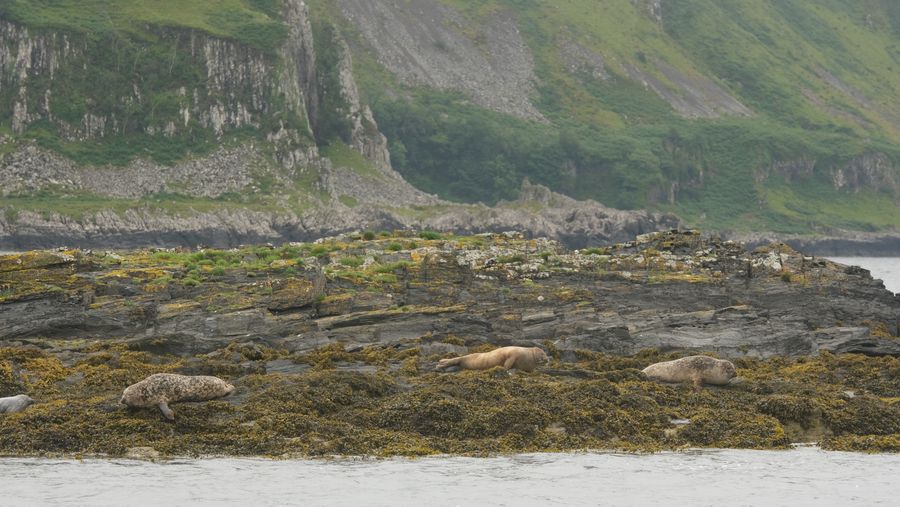
If you see a seal hauled out on rocks, keep well back and do not block its route to the water. Seals are protected, and disturbance is an offence. Report injured animals to the NPWS in the Republic or to the relevant authority in Northern Ireland.
The shore is a public place in most cases, but access can cross private land. Use marked paths and gates, and follow any local signs. The leave no trace principle applies: if you bring it in, take it out.