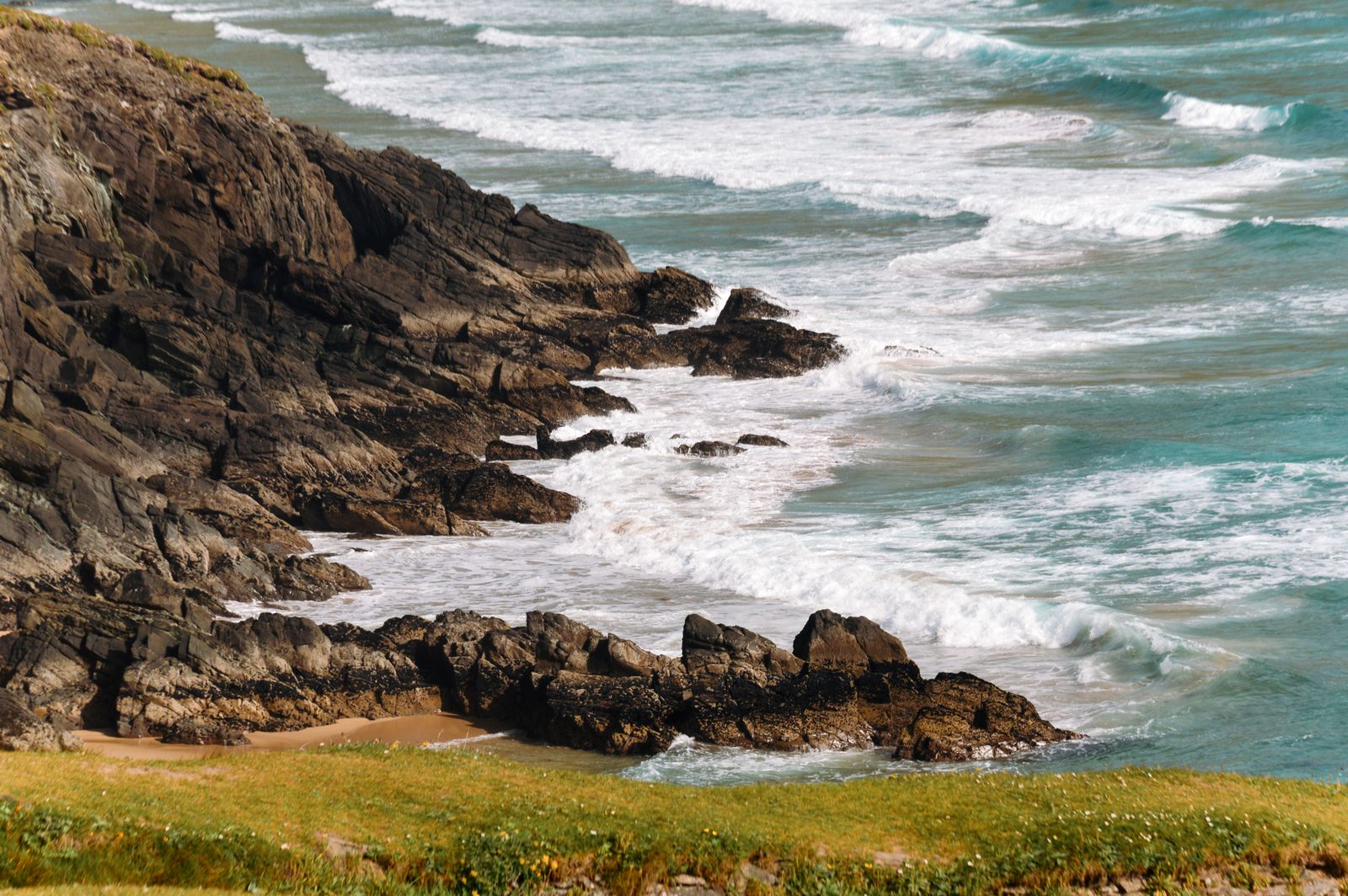
Ireland's coast rewards care. The water is cold in every month, the tides move fast on flat strands, and cliff paths can be slippery after rain. A little planning before a walk or a swim keeps a good day good.
Tides and strand walking
The tide comes in twice a day around the whole island, and on wide flat strands it can move faster than a walker expects. A beach that looks empty at low water can be cut off within hours, and the channels that drain it fill first. Before walking out on sand at Doolin, Lahinch, Tramore or any other strand, check a local tide table for the day.
Tide times shift each day, so a table from last week is no use. Met Éireann publishes sea area forecasts, and harbour offices and noticeboards near popular beaches carry local tables. Ask at a tourist office if you are unsure. Never walk out towards a sandbar or an island when the tide is already turning.
If you are cut off, do not try to wade back through a channel. Move to the highest point you can reach, stay visible, and call 112 or 999 and ask for the coast guard. The Irish Coast Guard coordinates sea and cliff rescues on both sides of the border, and its volunteers would rather be called early than late.
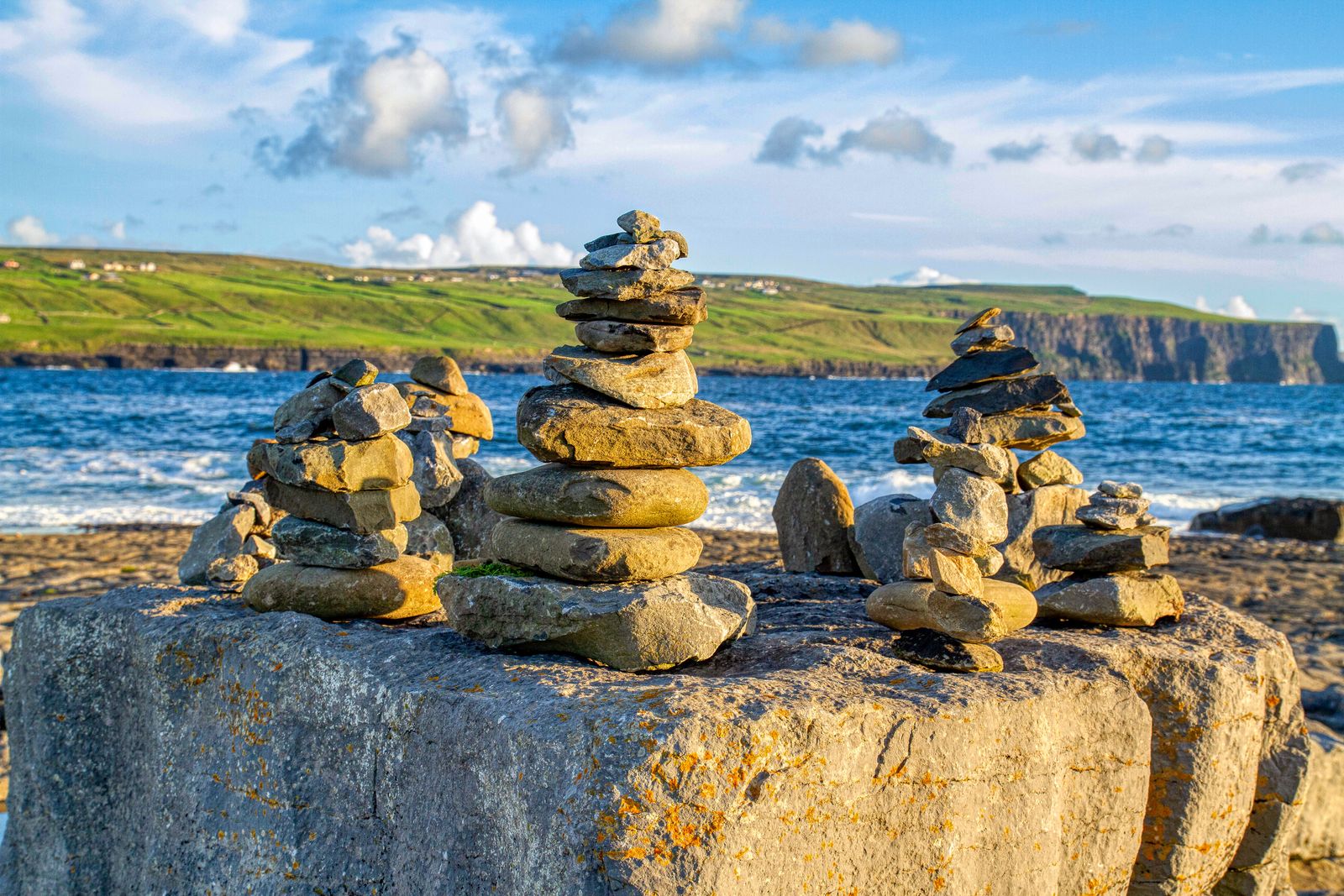
Cliff edges and paths
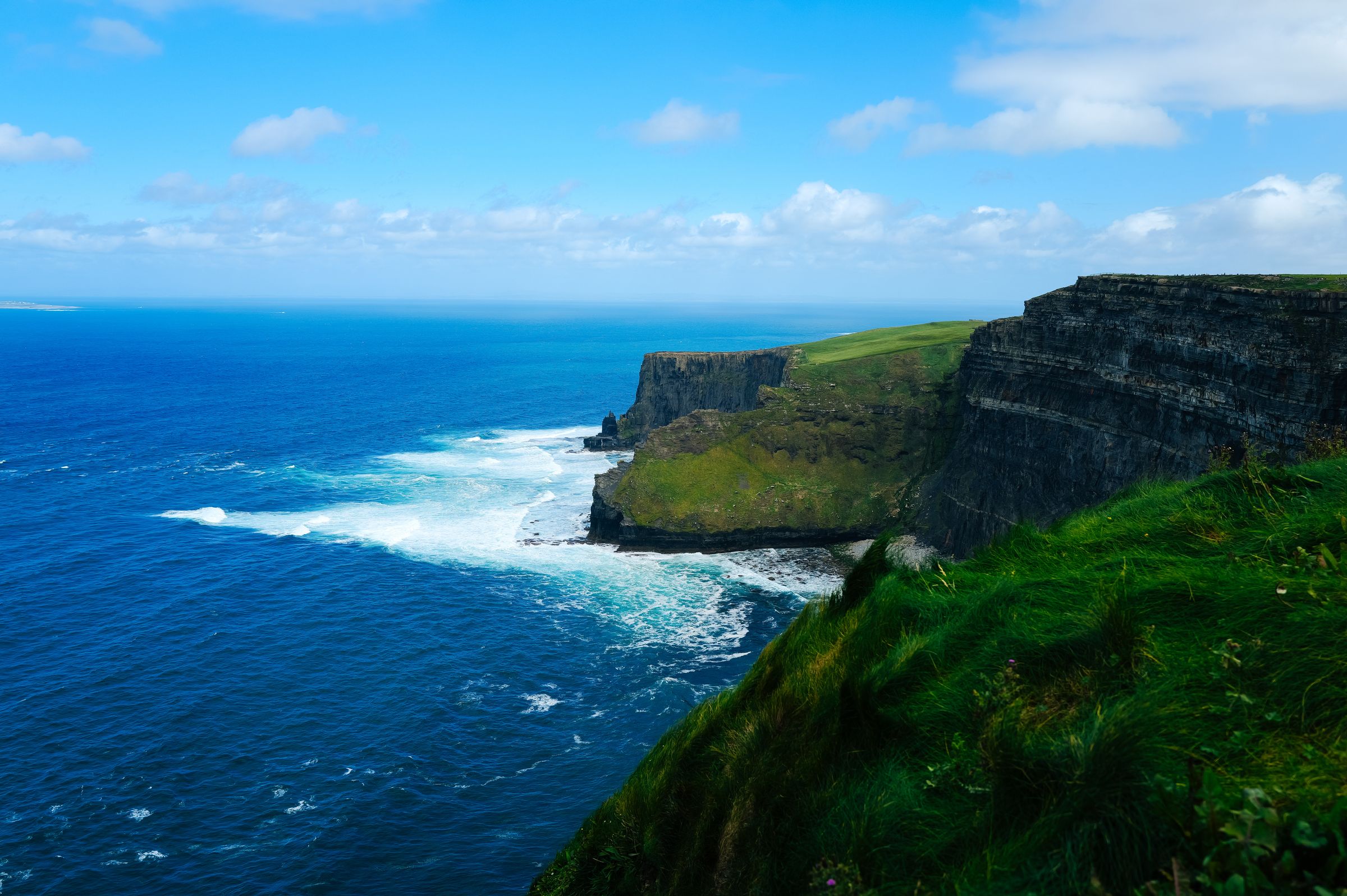
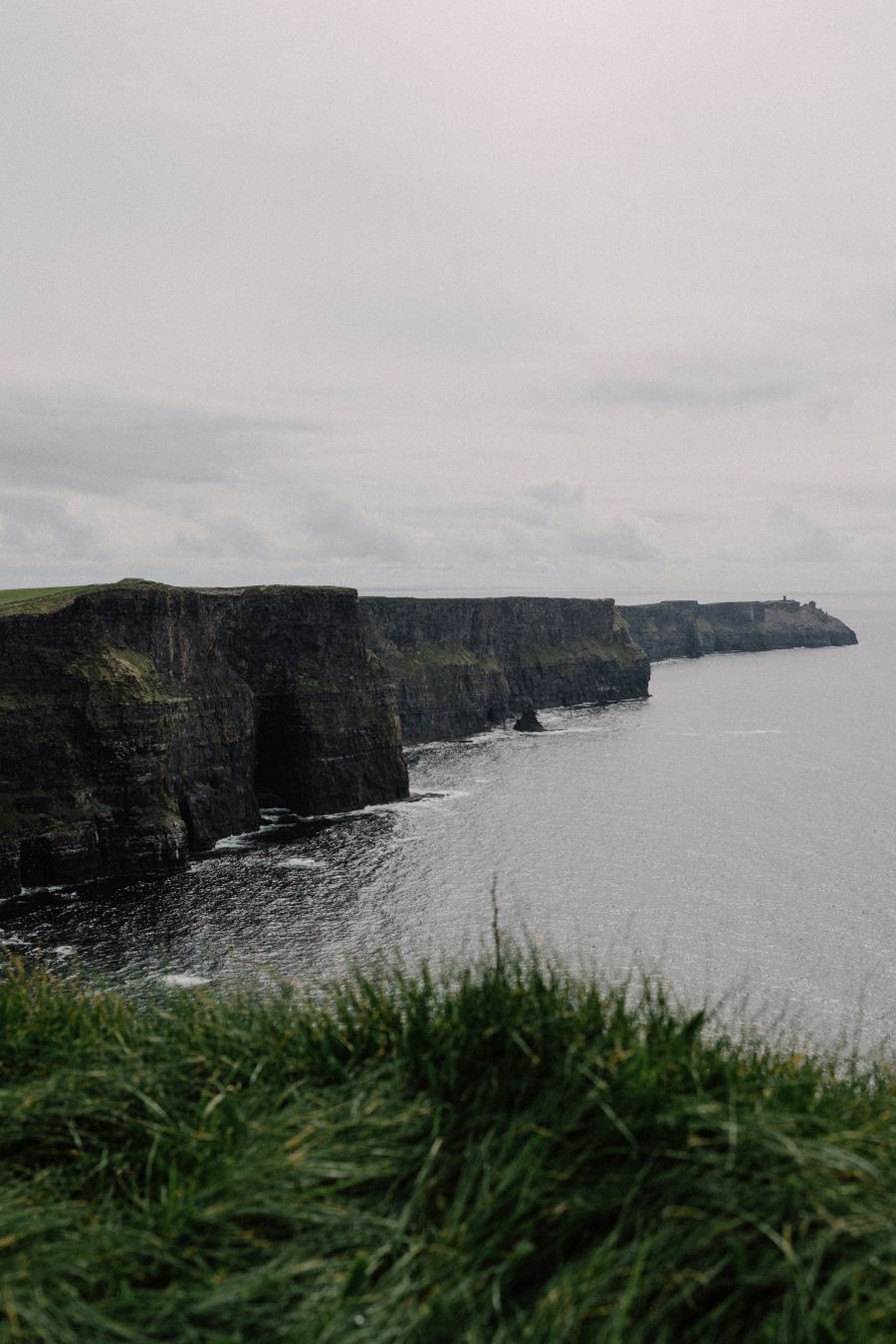
Cliff paths in Ireland are often unfenced, and the ground near the edge can be undercut by the sea. At the Cliffs of Moher, Sliabh Liag, the Howth cliff path and Mizen Head, stay on the marked route and keep back from the lip. Loose soil, wet grass and sudden gusts are the usual causes of falls, not dramatic slips.
Weather changes quickly on high ground. Wind that is manageable in a car park can be strong enough to unbalance a walker on an exposed headland, and mist can close in within minutes. Check the Met Éireann forecast for the area before setting out, and turn back if conditions worsen. Walking poles help on steep, wet ground.
Children and dogs need close attention near edges. Keep children within reach on cliff paths, and keep dogs on a lead near livestock and drops. If someone falls, do not attempt a rescue yourself: call 112 or 999, give a clear location, and follow the coast guard's instructions.
Check the Met Éireann forecast and local tide tables before any cliff walk. For path conditions, ask the National Parks and Wildlife Service or the local tourist office.
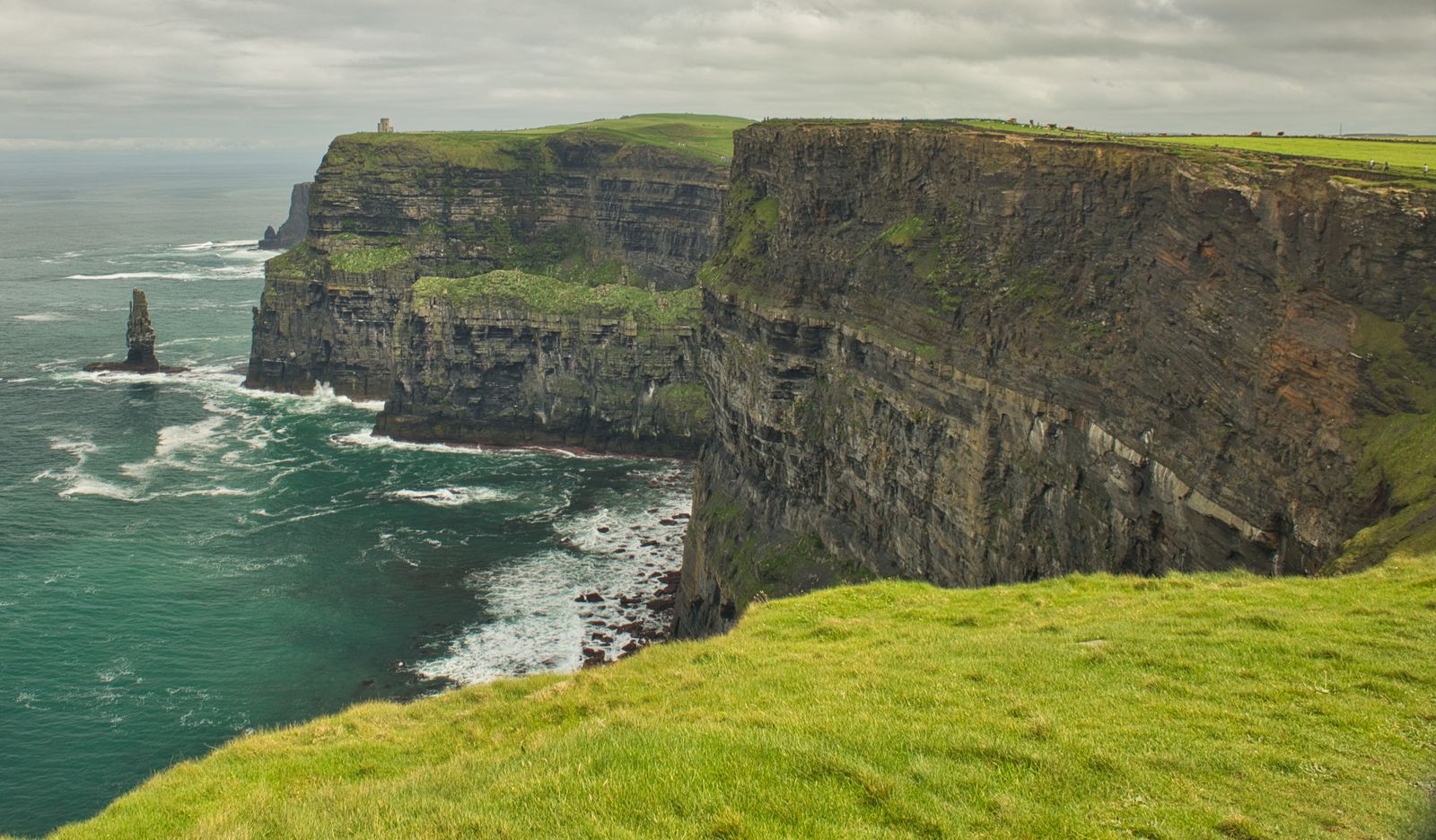
Swimming and rip currents
Sea temperatures around Ireland stay cold all year, and cold water shock can affect even strong swimmers in the first minute of immersion. Enter gradually, keep the first swim short, and never swim alone. A wetsuit helps, and a brightly coloured swim hat makes a swimmer easier to spot.
Rip currents are the main hazard on open beaches. They pull water out through gaps in sandbars and can carry a swimmer away from shore quickly. If caught in one, do not fight it: swim parallel to the beach until out of the current, then head in. Stay calm and signal for help.
Lifeguarded beaches are the safest places to swim. Water Safety Ireland trains and certifies lifeguards, and patrols run on many popular beaches in the summer season. Patrol dates and hours vary by beach, so check with Water Safety Ireland or the local authority before relying on a lifeguard being present.
Patrol dates vary by beach. Check with Water Safety Ireland or the local authority before planning a swim around a lifeguarded strand.
Boats and the water
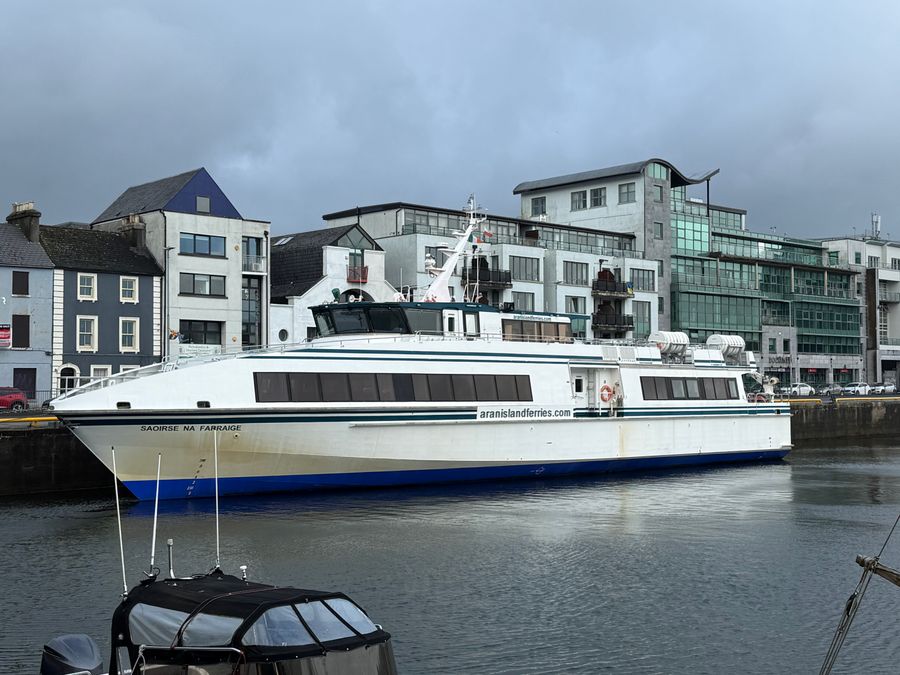
Ferries to the Aran Islands, boat trips below the cliffs and angling charters all depend on the weather. Crossings can be cancelled at short notice, and a calm morning does not guarantee a calm afternoon. Ask the operator about conditions and life jackets before boarding.
Life jackets should fit properly and be worn, not carried. On small boats and kayaks, check that the operator provides them and that children have the right size. Sea kayaking and coasteering should be done with a qualified guide who knows the local tides and rocks.
If you see someone in trouble in the water, do not jump in after them. Call 112 or 999 and ask for the coast guard, then throw something that floats if it is safe to do so. Note the location and keep the person in sight until help arrives.
Weather and clothing
Ireland's climate is temperate oceanic, with rain possible in every month and the west wetter than the east. A dry morning at Doolin can turn to drizzle by afternoon, and coastal fog can arrive without warning. Pack a waterproof layer and warm mid layers even in summer.
Wind is the other constant. On exposed headlands it can be strong enough to make walking difficult, and it drives spray over sea walls and piers. Check the Met Éireann forecast for wind speed as well as rain, and avoid exposed edges when gusts are forecast.
Footwear matters on the coast. Wet rock, seaweed and slippery paving around harbours cause falls. Wear shoes with grip, take care on steps and slipways, and keep away from waves breaking over piers during swell.
Who to call
The emergency number is 112 or 999 on both sides of the border. Ask for the coast guard for anything involving the sea, cliffs or a missing person on the shore. The Irish Coast Guard coordinates the response in the Republic, and HM Coastguard covers Northern Ireland.
Give a clear location. Beach names, car parks, harbour walls and headlands are easier for rescuers to find than grid references read from a phone. If you have a phone signal, stay on the line and follow instructions. Mobile coverage can be patchy in remote coastal areas, so tell someone where you are going before you set out.
For non-emergency advice on water safety, contact Water Safety Ireland. For weather warnings, check Met Éireann in the Republic and the Met Office in Northern Ireland. Both issue warnings for coastal wind, rain and storms.
Save 112 or 999 in your phone before a coastal walk. Mobile coverage is patchy on remote headlands, so tell someone your route and expected return time.
Where to base yourself
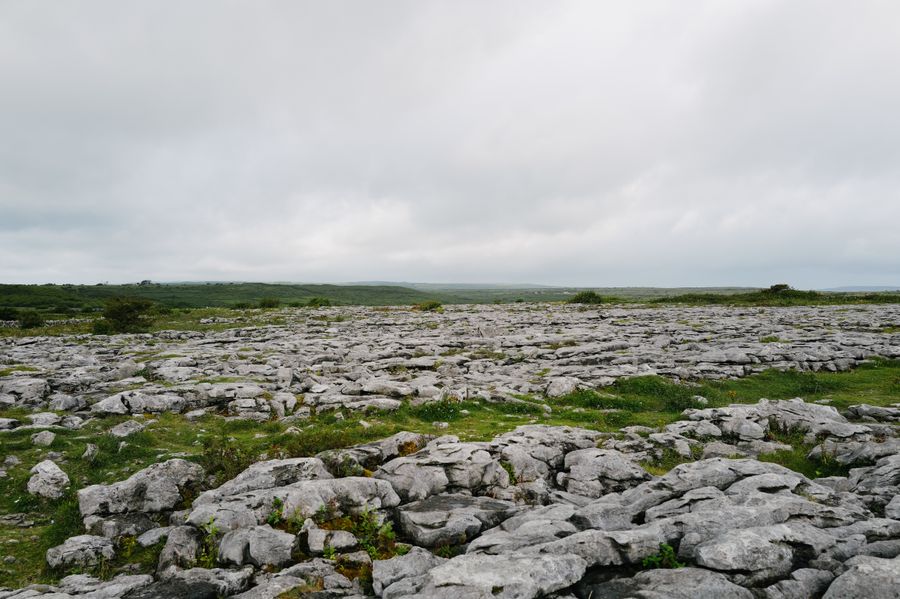
Doolin, in County Clare, makes a useful base for the cliffs and the Burren, with the strand and the cliff path close by. Lahinch and Ennistymon are nearby towns with shops and services, and Lisdoonvarna sits inland on the road to the Burren. All are within easy reach of the coast.
Further along the coast, Galway city is a base for Connemara and the Aran Islands ferries, and Westport serves the Mayo coast and Achill Island. In the southwest, Dingle and Killarney are bases for the Kerry peninsulas, while Sligo and Donegal cover the northwest.
Wherever you stay, ask locally about tides and conditions. Harbour offices, tourist offices and lifeguards know the beaches and can tell you which strands are safe for swimming and which cliff paths are open.