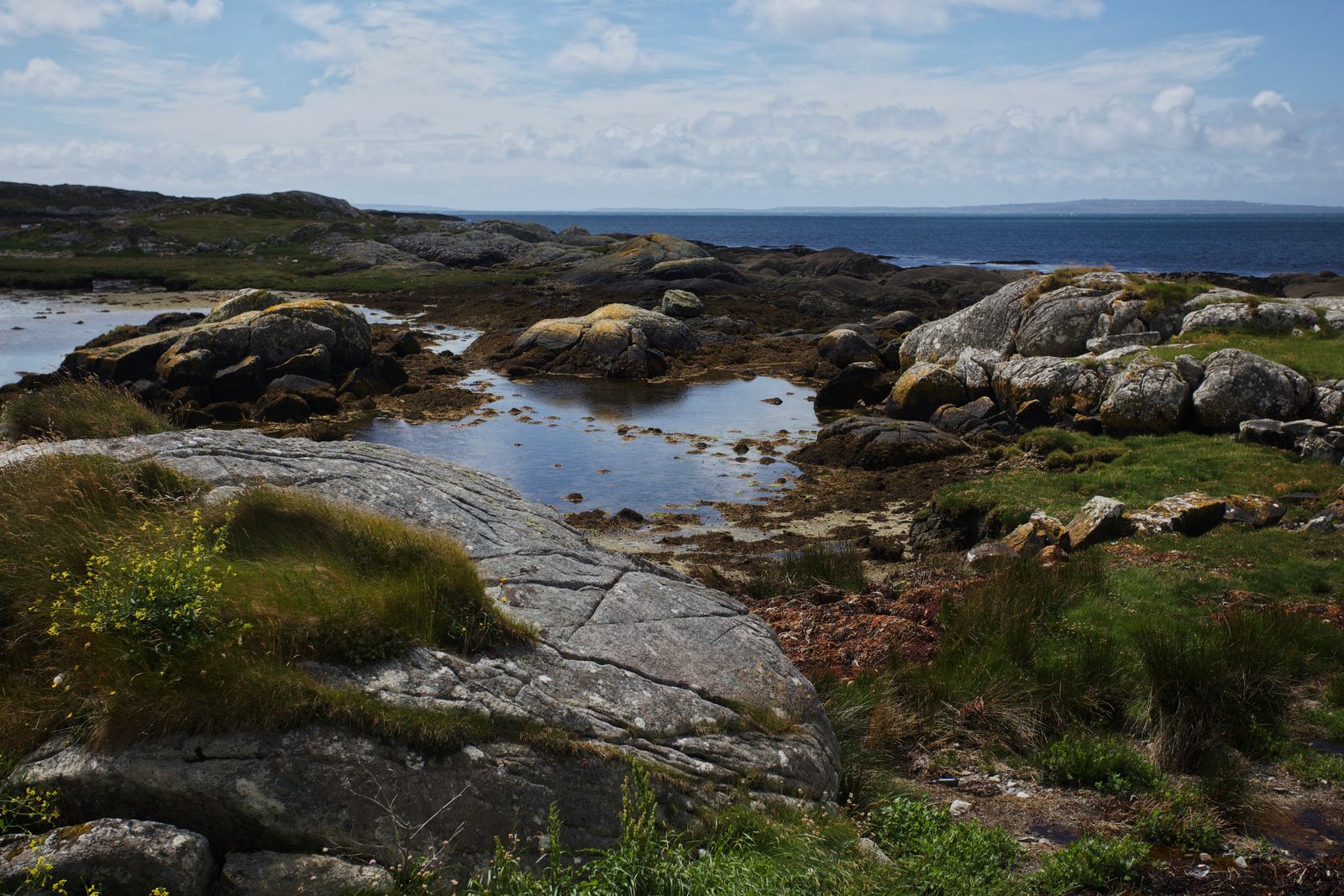
The currach is the traditional rowing boat of the west coast: a light wooden frame, covered in canvas and sealed with tar, narrow enough to be carried by two people. It is still built, rowed and raced, and the strongest tradition survives in the Connemara Gaeltacht.
What a currach is
A currach is a boat built the other way round from most. Instead of planks fixed to a solid keel, a light frame of laths is set up first and then covered with a skin. In the west that skin is usually canvas, painted with tar to keep the water out. The result is very light and flexible, and it rides the Atlantic swell rather than pushing through it.
The shape varies along the coast. The Connemara currach is broad and rounded, with a blunt stern, and is rowed by one or two people. Boats from the Kerry coast are longer and narrower, and some were once rowed far offshore. The Achill and Mayo versions sit somewhere between the two.
There is no fixed seat. The rower sits on a board or a thwart and pulls light oars, and the boat is steered with one oar over the stern. Because the hull is so light, a currach can be carried on a roof rack or by two people down to the water, which is part of why it survived on coasts with no harbour.
Older than the harbours
Skin boats are old in Ireland. Early accounts and carvings describe light boats of hide and wood, and the same basic idea turns up along the Atlantic edge from Portugal to Scotland. The canvas version came later, when woven cloth and tar became cheap and available, replacing animal hide.
For centuries the currach was a working boat. It was used for fishing close to shore, for setting and lifting lobster pots, for carrying seaweed and sand, and for ferrying people and goods to islands. It could be launched from a beach where no pier existed, which mattered on a coast of small coves and rocky strands.
The boat declined as bigger, engine-driven vessels took over the inshore fishing. What kept the currach alive was sport and custom. Rowing clubs formed, regattas were organised, and building passed down within families. Today the boats seen at a regatta are often built by the rowers themselves, or by a small number of builders working in the Gaeltacht.
Frame, canvas and tar
Building starts with the gunwales, the top edge of the boat, which are set out to the intended length. Ribs are bent and fixed across them, and a light lath runs along the outside of the ribs from bow to stern. The frame is turned over and the canvas is stretched across the bottom and up the sides.
The canvas is then sealed. Traditional practice uses tar, warmed and brushed on, which darkens the cloth and gives the boat its familiar black finish. Some builders now use modern coatings that last longer, though the look is much the same. The canvas is fixed along the gunwale and trimmed, and the boat is left to dry before it goes near water.
A currach needs looking after. The skin can be punctured on a rock or a sharp stone, and it has to be dried and re-coated through the year. Boats kept outdoors are turned over on trestles. Repair is part of ownership, and many rowers can patch a tear and re-tar a hull themselves.
Rowing and racing
Rowing a currach is not like rowing a rigid boat. The hull gives slightly under the oars, and the boat moves with the swell rather than cutting through it. Crews learn to time their strokes to the water, and a short, quick stroke works better than a long pull. In a following sea the boat can surf, which is fast and requires nerve.
Racing is where most people see currachs today. Regattas are held through the summer at coastal villages, often on a Sunday, with races for different crew sizes and sometimes for women and men separately. The course is usually a loop or an out-and-back inside a bay, marked by buoys, and watched from the shore.
The regatta is a social occasion as much as a sporting one. Races are interspersed with other events, and the day draws people from the surrounding parishes. Dates change with the tide and the weather, so check locally or with the organising club or Comhaltas na gCurrach before travelling.
Regatta dates depend on tides and weather. Confirm the fixture with the local rowing club or Údarás na Gaeltachta before planning a trip around one.
Where to see them
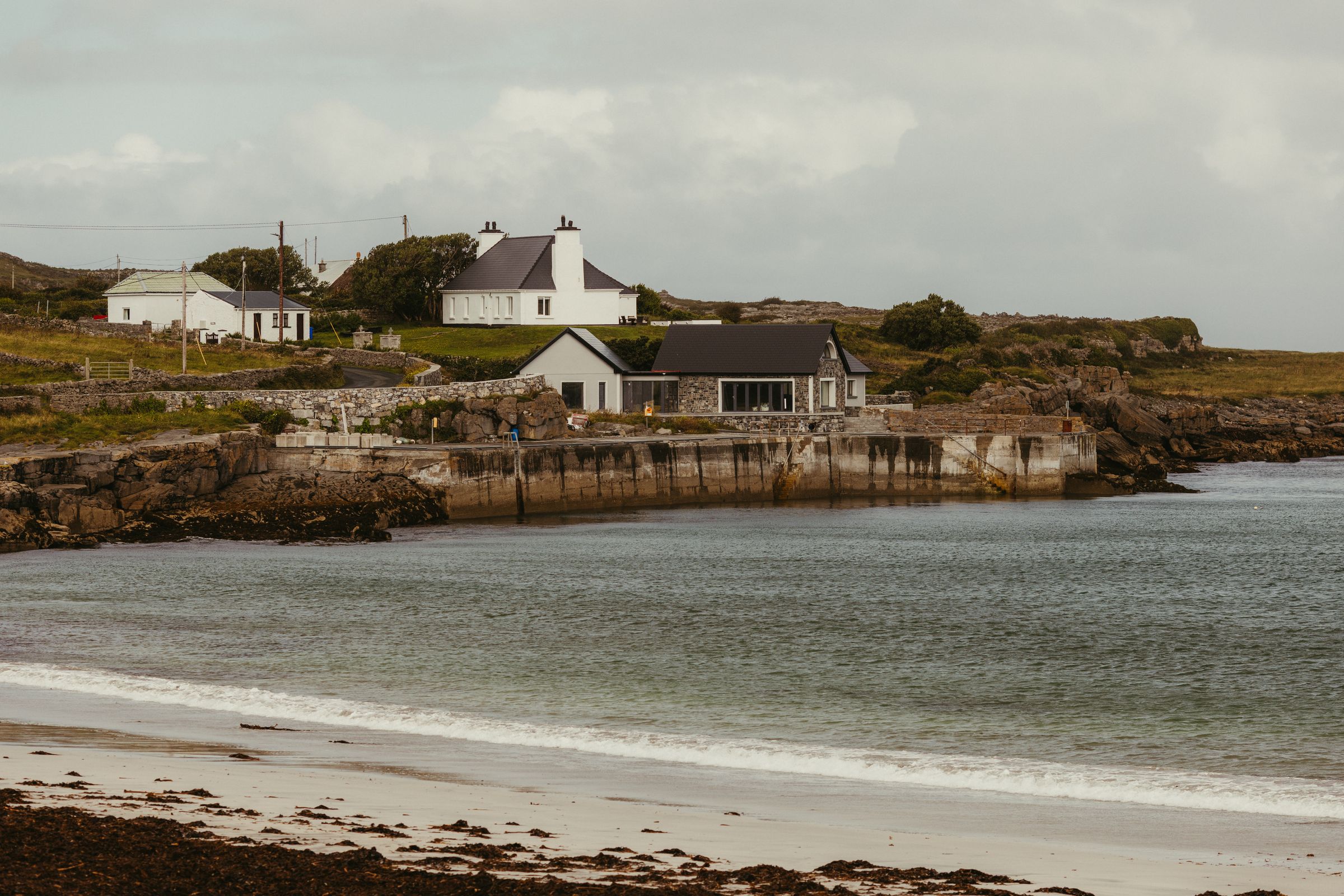
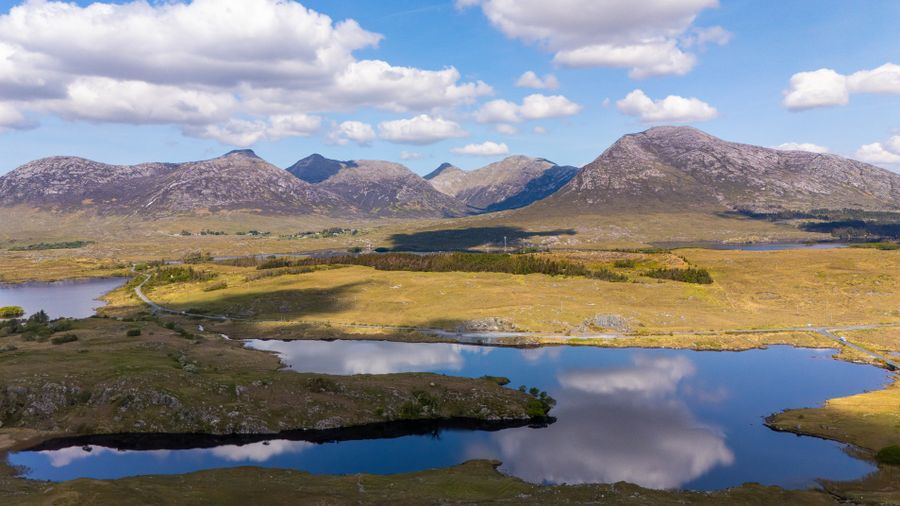
The strongest currach tradition is in the Connemara Gaeltacht, west of Galway city. Villages around Carna, Cill Chiaráin and Ros Muc have active rowing, and boats can often be seen on the shore or on the water in summer. Road signs here are in Irish only, so a map with the Irish names is useful.
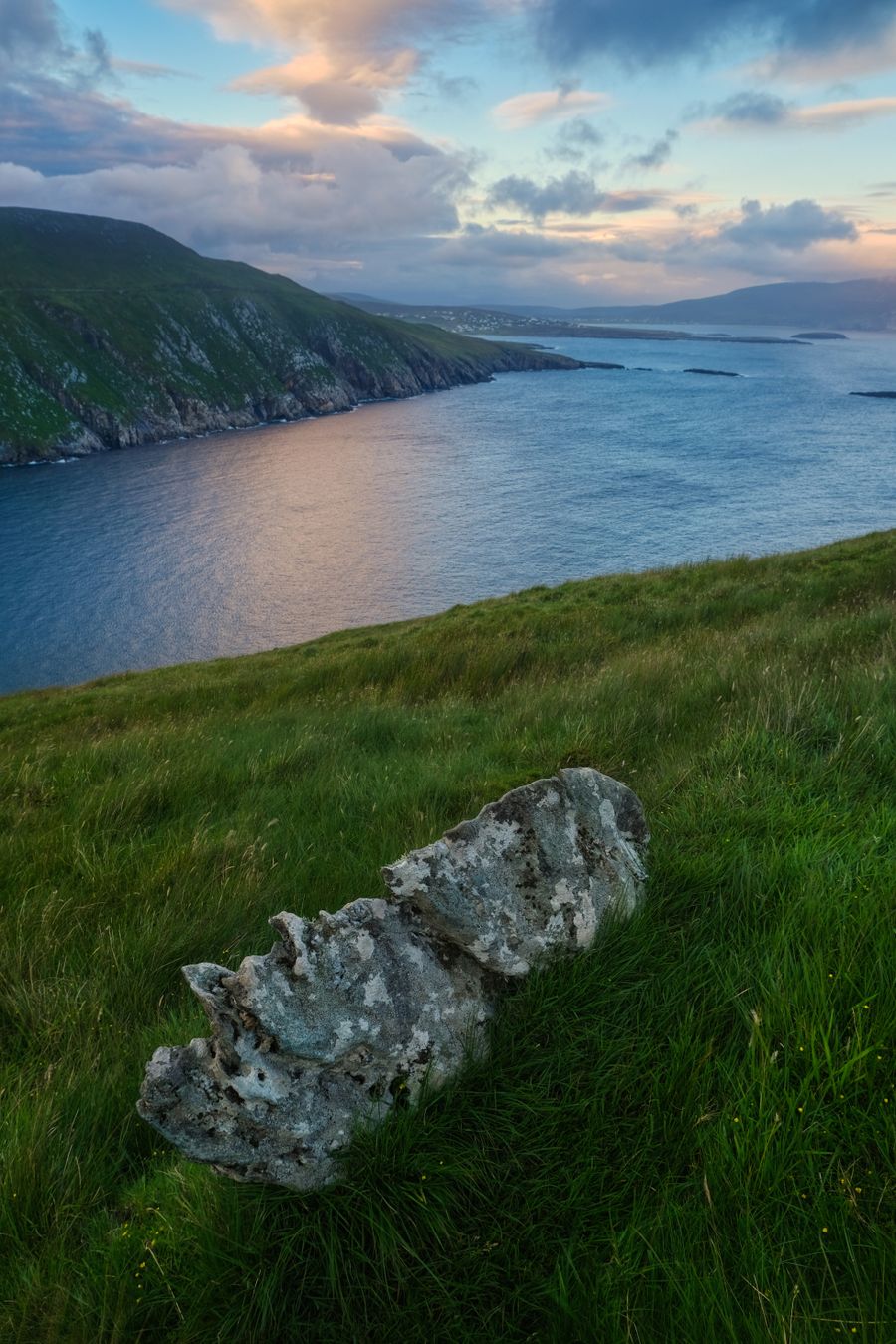
Further north, the coast of Mayo and the Achill area have their own boats and regattas, and the islands off the west coast have long histories of skin-boat use. In Kerry, the Blasket islands were reached by currach and other light boats, and the tradition is remembered in local museums and heritage centres.
Museums are the reliable place to see a currach out of the water and learn how it was built. The National Museum of Ireland and local heritage centres in Connemara hold examples. Opening hours change with the season, so check with the museum before setting out.
Where to base yourself
Clifden is the main town of west Connemara and a practical base for the currach coast. It has shops, places to stay and a road network that reaches the villages to the south and the coast road north towards Letterfrack and Kylemore. The Sky Road and the beaches nearby are within easy reach.
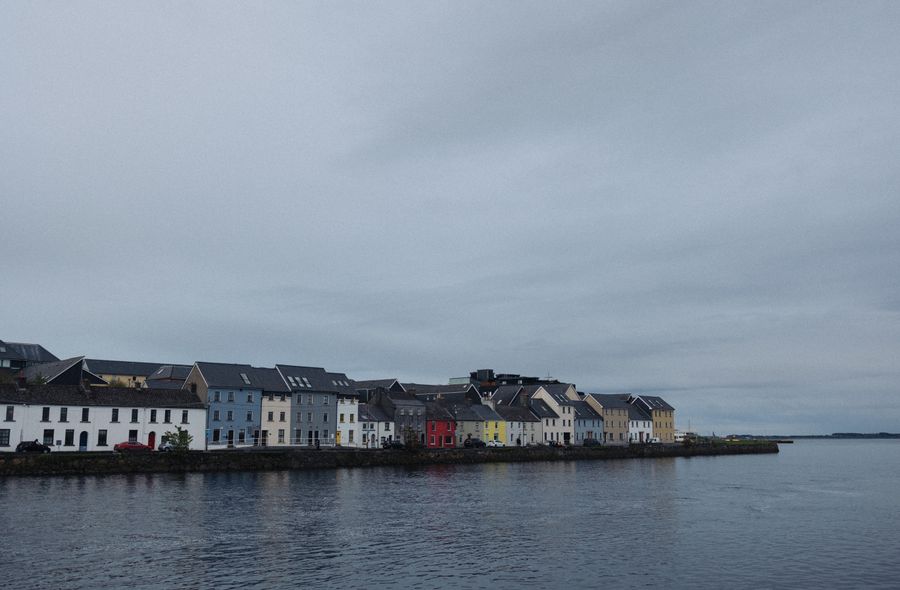
Galway city is the other obvious base. It is larger, with rail and coach connections, and it puts the Connemara coast within a day's drive. Buses run west from the city to Clifden and to some of the Gaeltacht villages, though services are limited and timetables change, so check with Bus Éireann or TFI Local Link.
Smaller places to stay are spread along the coast, including Roundstone, Carna and Letterfrack. These suit a quiet stay close to the water. Wherever you base yourself, a car makes the coast much easier to reach, and driving is on the left.
Rural bus services in Connemara are limited. Check current timetables with Bus Éireann or TFI Local Link before relying on public transport.
A day at a regatta
A summer regatta usually starts around midday and runs into the afternoon, with races in sequence and gaps between them. Arrive early to see the boats being carried down and launched, which is often the most interesting part. Parking near a small pier fills quickly, so plan to walk a short distance.
Weather on the west coast changes quickly. Rain is possible in any month, and wind can pick up during the day. Bring a waterproof layer and something to sit on, since the shore is often rough ground. There is usually little shelter at a regatta site, and few facilities.
Photography is best from the shore or a raised point, with a longer lens for the boats on the water. Ask before photographing crews close up, and keep clear of the launching area. The day ends when the last race finishes, and the crowd drifts away to the villages.