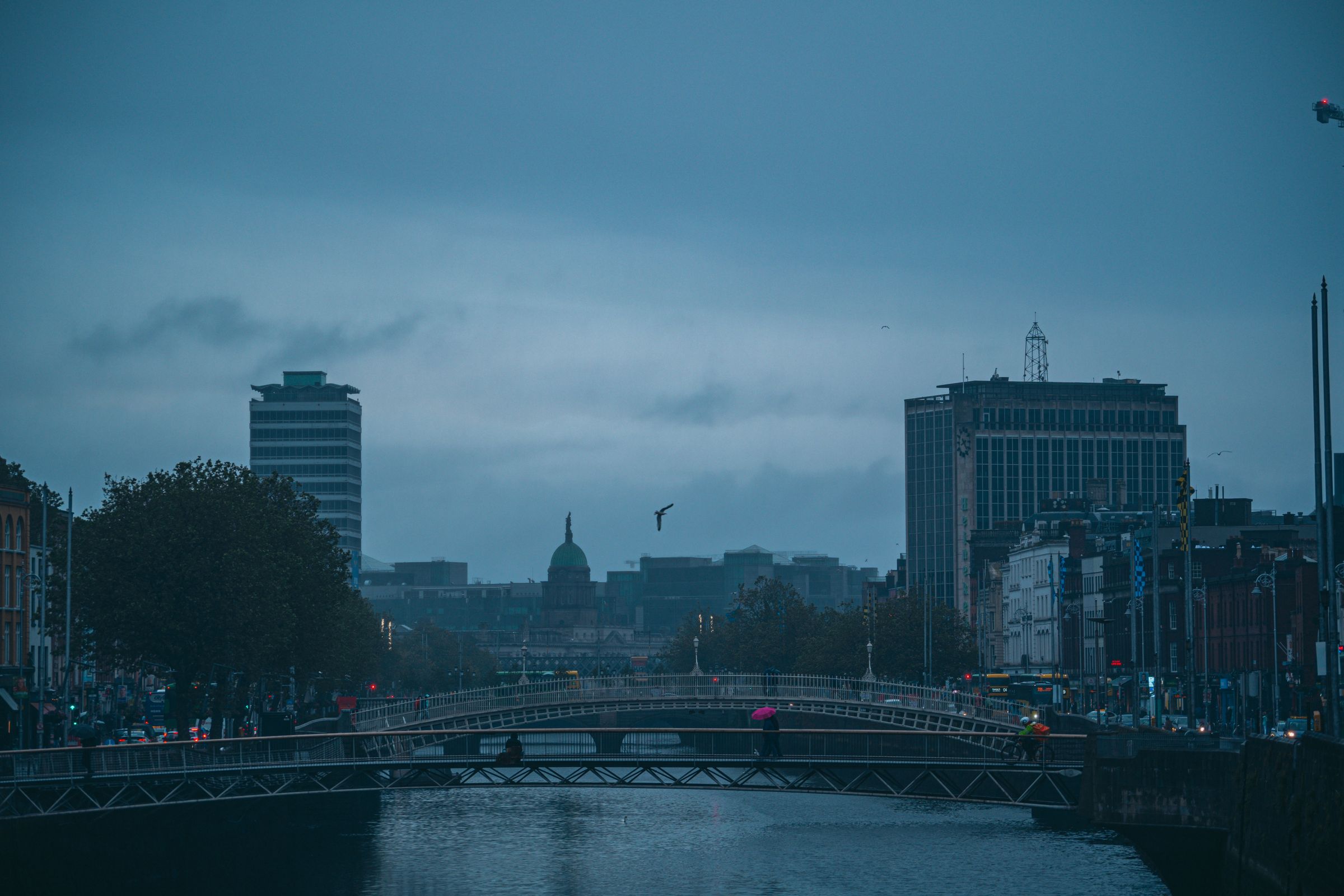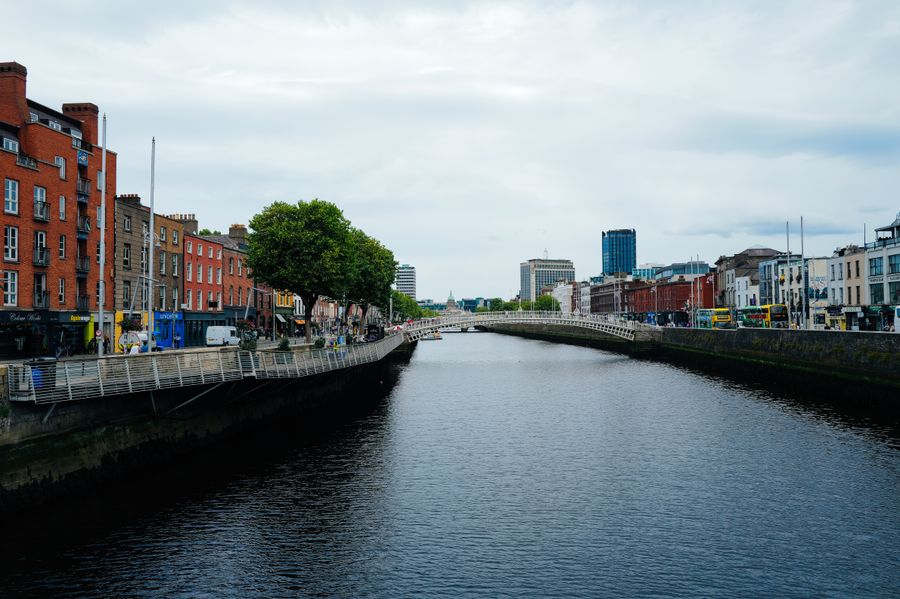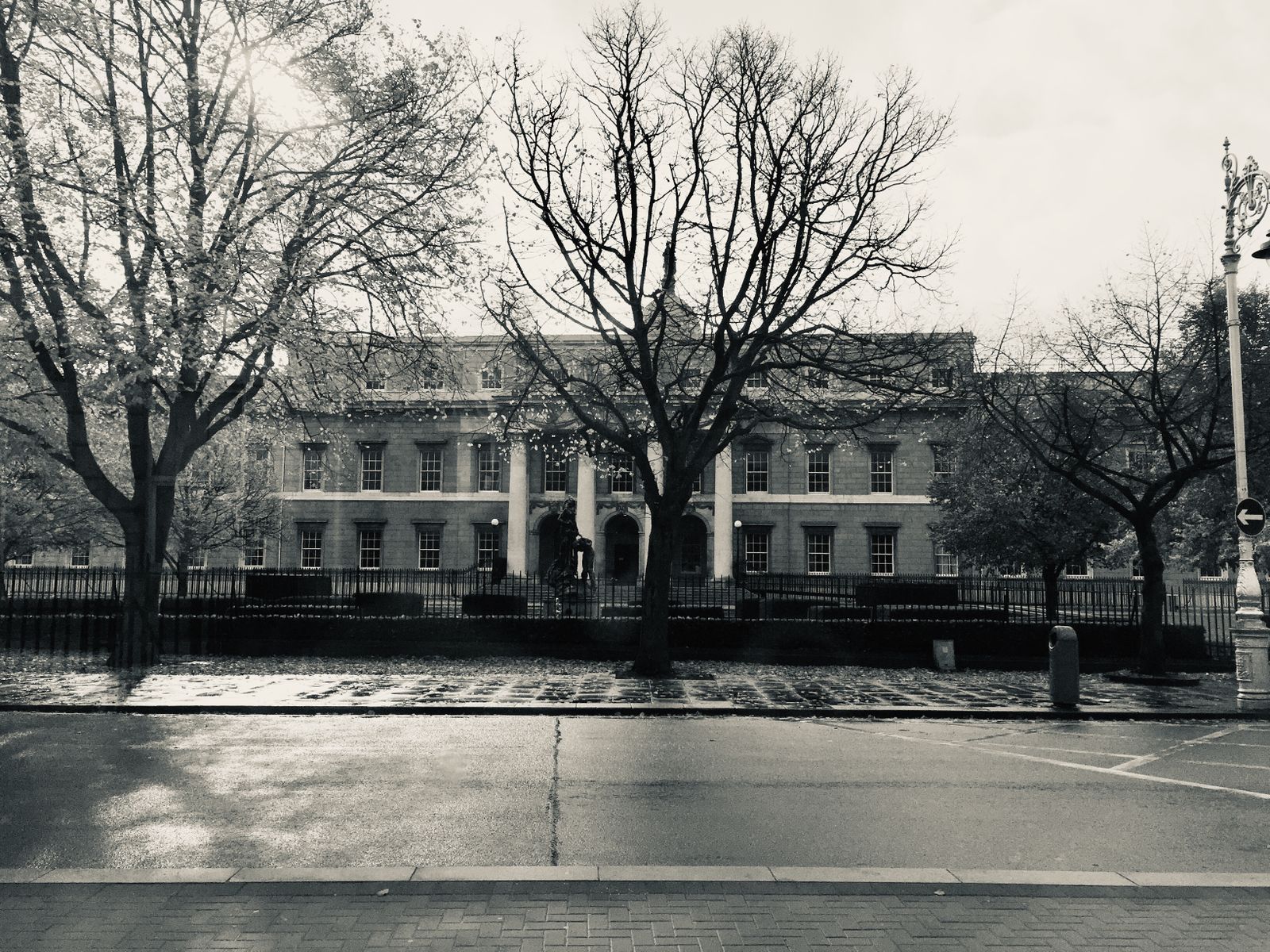
Bloomsday takes its name from Leopold Bloom, the central figure of James Joyce's Ulysses, which follows him and Stephen Dedalus around Dublin on a single day in June 1904. The date is now marked each year with readings, walks and dressing up. Most events are in the city centre, and many are free to attend.
What Bloomsday is
Bloomsday is the annual marking of 16 June, the day on which Ulysses is set. The book was published in Paris in 1922, and the date was already being observed by readers in Dublin in the 1920s and 1950s before it grew into the programme of events seen today.
The day is not a public holiday. It is a cultural occasion run by a loose collection of festivals, libraries, theatres, walking groups and pubs, some official and some improvised. That means the shape of the day varies from year to year, and a little planning helps.
Most activity is concentrated in the city centre, within walking distance of the Liffey. A smaller number of events take place in Sandycove and Dalkey to the south, and in a few other spots mentioned in the book. Check the programme for the current year before travelling.
Programmes and timings change each year. Check Fáilte Ireland and the festival listings for the current 16 June before booking travel.
The route through the city
The book's geography is real and walkable. It begins at the Martello tower in Sandycove, now the James Joyce Tower and Museum, where Buck Mulligan shaves on the roof. From there the action moves north and inland, through Dalkey, along the coast and into the city.
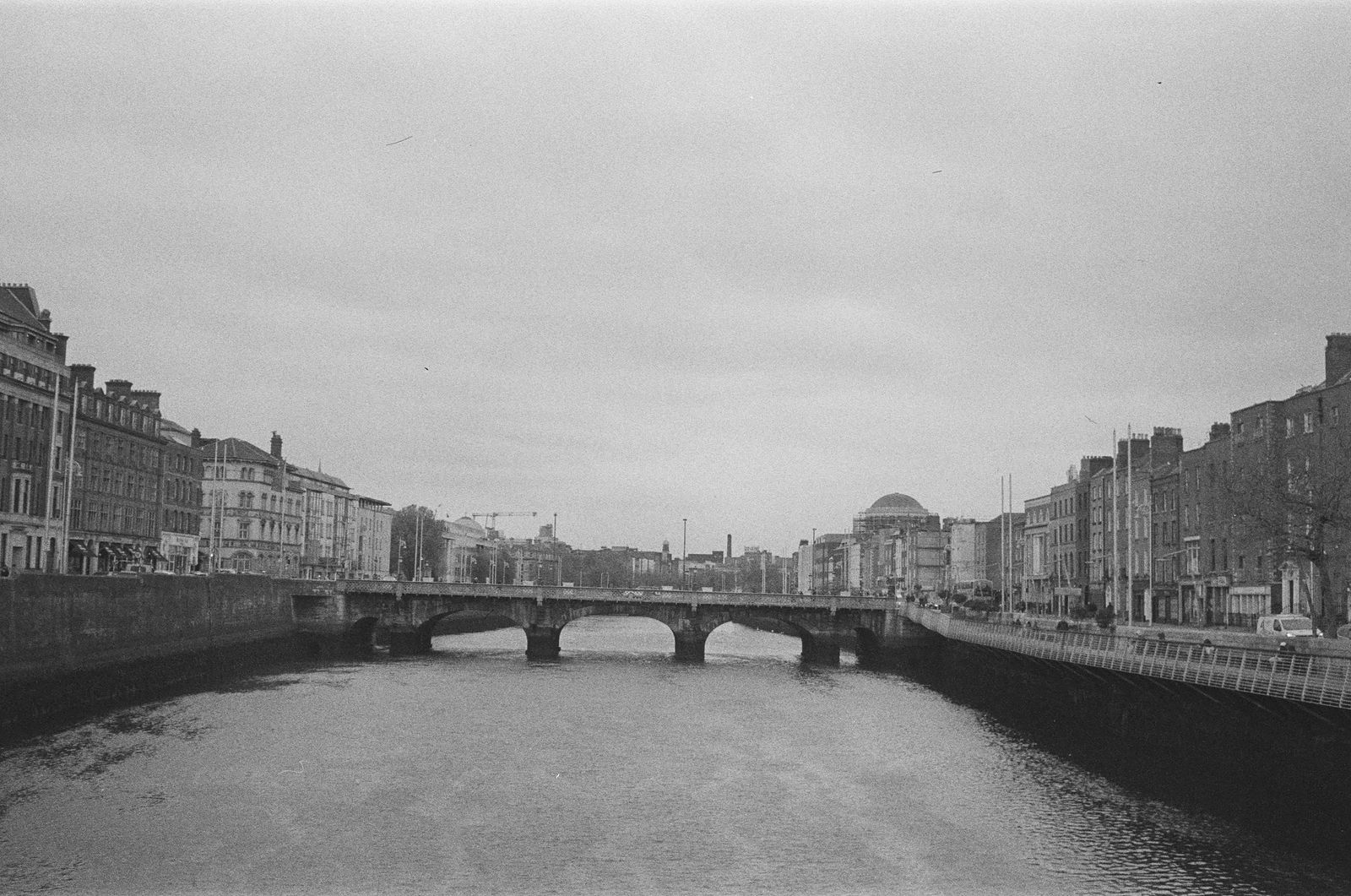
In the centre, the key stops cluster tightly. Eccles Street, the Blooms' address, no longer has the original house, but the area around it is easy to find. Glasnevin Cemetery, where Paddy Dignam is buried in the book, is a short bus or tram ride north.
Other landmarks include the National Library on Kildare Street, Trinity College, Davy Byrne's corner on Duke Street, the National Museum on Kildare Street, and the streets around the Four Courts and the Liffey quays. A pair of comfortable shoes covers most of it in a day.
Readings and performances
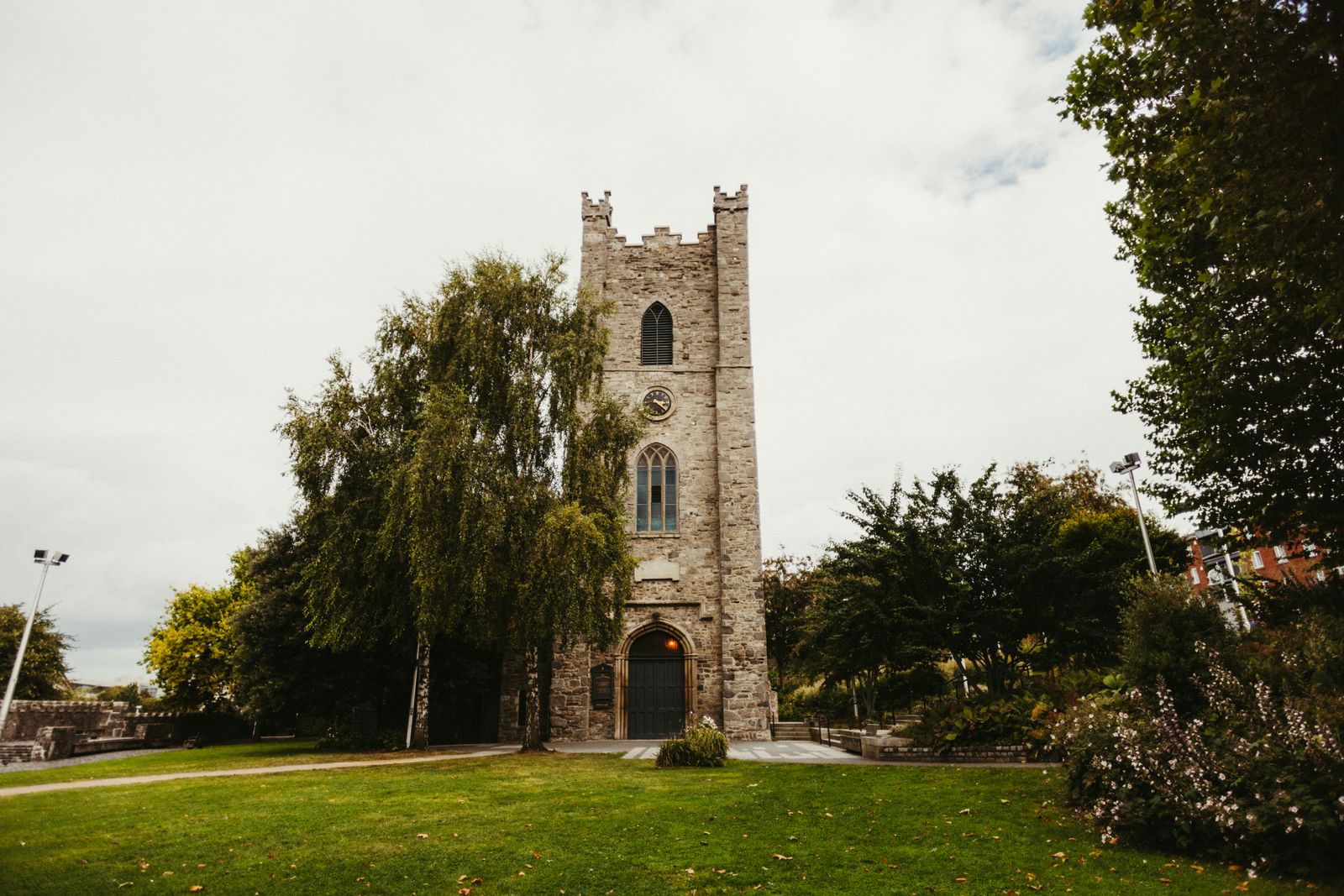
Readings are the backbone of the day. Public readings of passages from Ulysses take place in libraries, theatres, parks and squares, often with actors, writers and members of the public taking parts. Some are ticketed, many are free, and most are listed in the programme.
The style ranges from formal recitals to pub sessions where anyone can take a turn. The Wandering Rocks episode, with its many short scenes, suits a roving performance, and the Molly Bloom soliloquy is often given a stage of its own.
The day has also picked up a dressing-up tradition: straw boaters, Edwardian jackets and blue flowers. It is optional, but it makes the crowd easy to spot. The atmosphere is convivial rather than solemn, and the book's jokes are part of the point.
Some readings are ticketed and fill early. The festival programme names each venue and how to book; check it before the day.
Eating and drinking
The book is full of food, and the day follows suit. A breakfast of kidneys, as Bloom has, is a common set piece, though most visitors settle for something less challenging. Many cafes and pubs run special menus, and some serve a fixed Bloomsday breakfast.
The famous lunch is a glass of burgundy and a gorgonzola sandwich at Davy Byrne's on Duke Street, the pub named in the book. It still trades as a pub, and the corner is a natural stopping point on any walk through the city centre.
Later in the day, pubs around the city centre host readings and music. Expect crowds in the evening, particularly in the streets around Grafton Street and Temple Bar. Booking a table for dinner is sensible if the day falls on a weekend.
Pubs and restaurants are busy on 16 June. Book ahead if the date falls at a weekend, and check opening hours directly.
Getting around
Dublin is compact and the main Bloomsday sites are within a few kilometres of each other. Walking is the natural way to follow the route, and it lets you notice the street names and shopfronts that the book mentions.
For the longer hops, Dublin Bus, the Luas trams and the DART coastal trains cover most of the ground. The DART runs from the city centre to Sandycove and Dalkey, which makes the opening scene easy to reach without a car.
Traffic drives on the left, and the city centre is one way in many places. If you are driving in, use a park and ride on the edge of the city and take public transport in. Transport for Ireland has a journey planner, but timetables change, so check with the operator.
DART and bus timetables change on public holidays and at weekends. Check with Iarnród Éireann and Dublin Bus before travelling.
Where to base yourself
For Bloomsday itself, the city centre is the obvious base. Staying within walking distance of the Liffey puts the readings, the pubs and the main sites on your doorstep, and removes the need for transport late in the evening.
Sandycove, Dalkey and Dun Laoghaire to the south are quieter bases on the DART line, handy for the opening scene and for a coastal walk. They are a short train ride from the centre, which suits anyone who prefers to retreat at the end of the day.
Further out, towns such as Bray in County Wicklow and Maynooth in County Kildare have rail links into the city and make a cheaper base for a longer stay. Both are within reach of Dublin by commuter train, though the journey adds time each day.
Beyond 16 June
The Joyce connection lasts all year. The James Joyce Tower and Museum at Sandycove is open to visitors and holds a small collection, and the James Joyce Centre on North Great George's Street runs exhibitions and walks. Both are ticketed or ask for a donation.
The National Library on Kildare Street holds Joyce manuscripts and runs a permanent exhibition, and the National Museum nearby covers the wider period. Trinity College, where Joyce studied, is a short walk away and open to visitors.
For a longer stay, the city rewards a slower reading of the book. Walk the quays, cross O'Connell Bridge, and follow the route on an ordinary day when the crowds are thinner. The streets are the same, and the book reads differently when you know them.