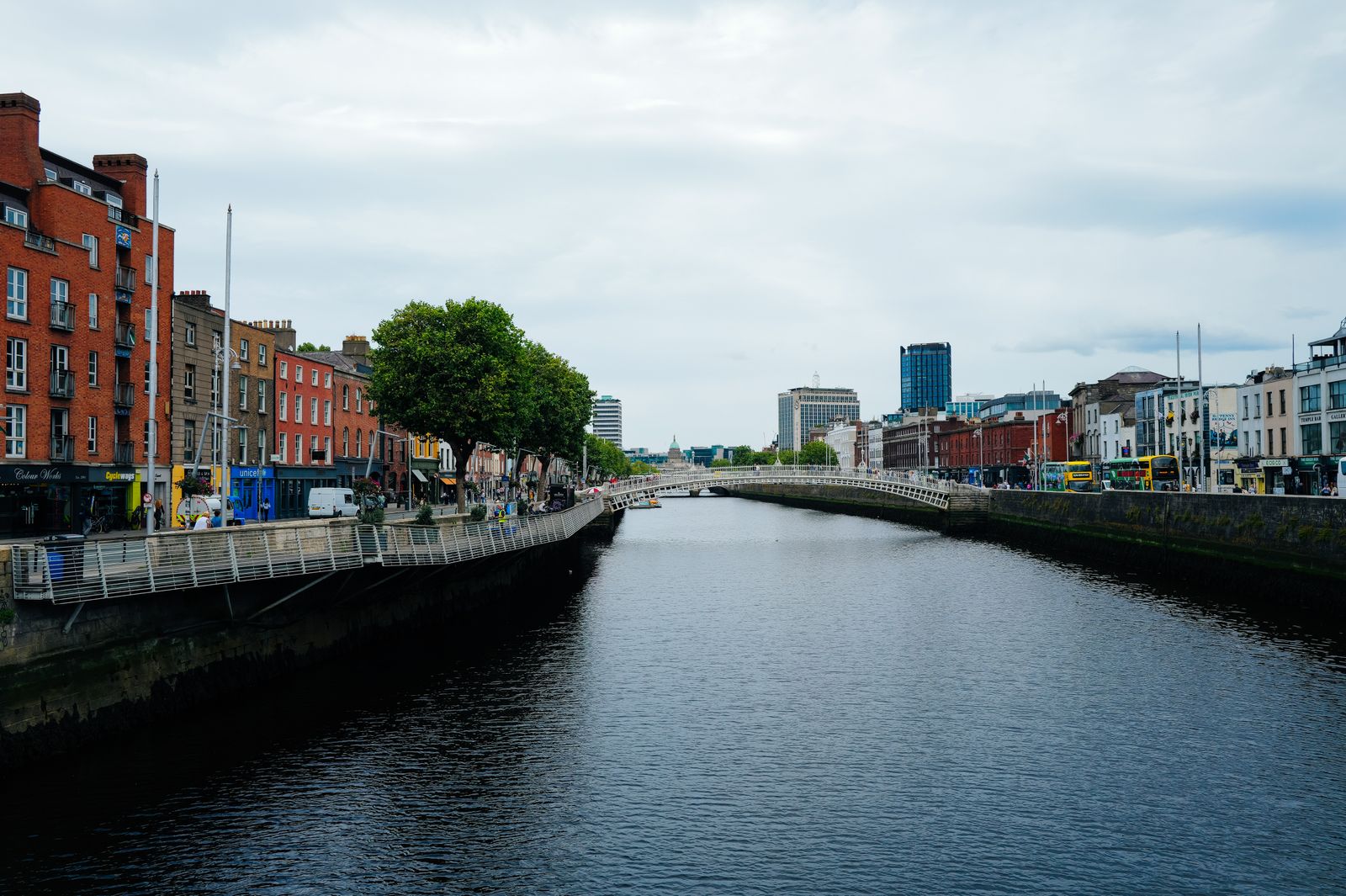
Dublin is the capital of the Republic of Ireland and the largest city on the island. The centre sits astride the River Liffey, with Trinity College and the old medieval streets on the south bank and the wide Georgian avenues to the east and north.
Georgian Dublin
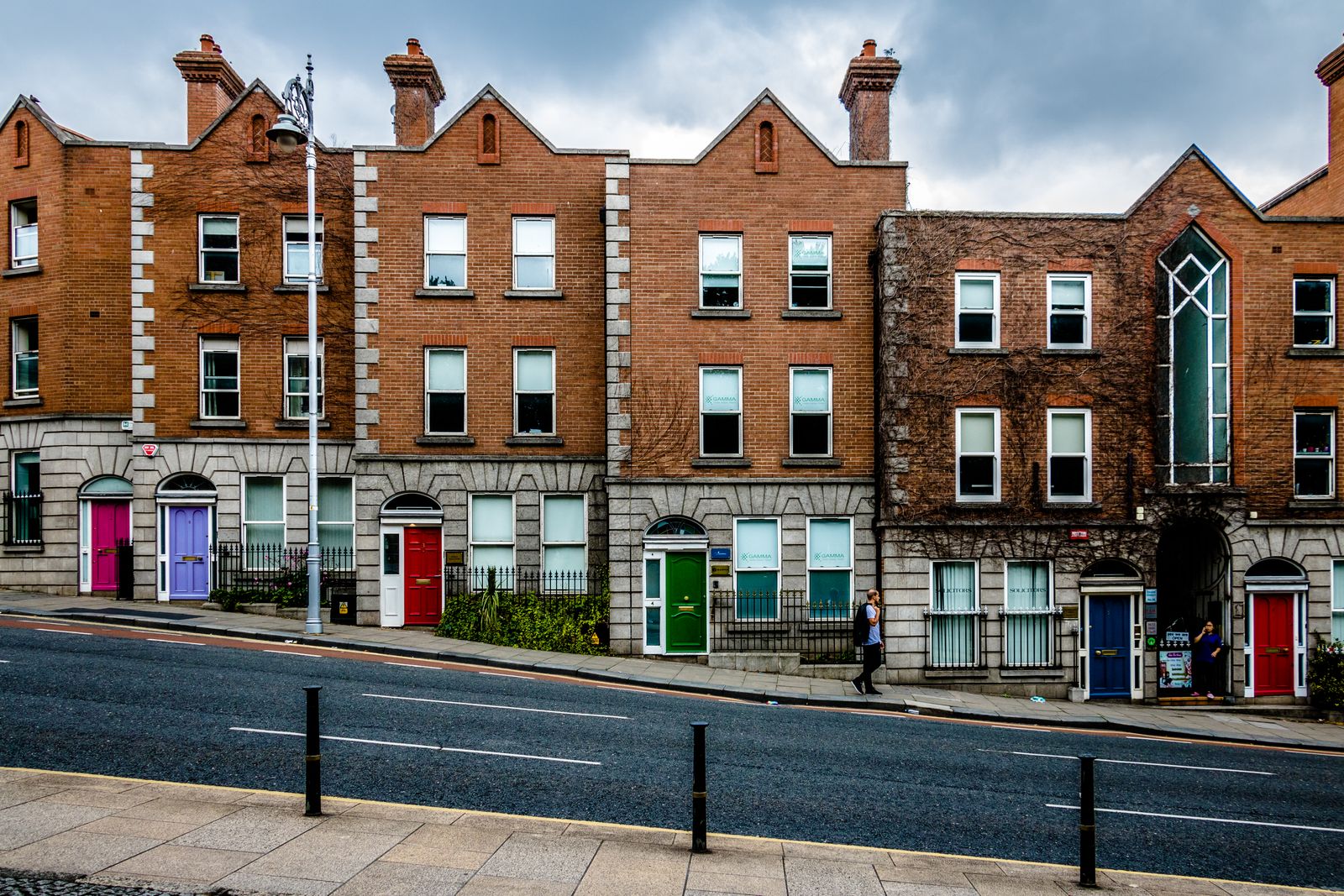
The wide streets and terraces east and north of the city centre date from the eighteenth century, when Dublin was a wealthy Georgian city. Fitzwilliam Square and Merrion Square are the best preserved of the Georgian squares, with brick houses set back behind iron railings and mature trees in the central gardens. Merrion Square is open to the public and holds a statue of Oscar Wilde.
The Georgian terraces are best seen on foot. A walk along Fitzwilliam Street and around Fitzwilliam Square shows the uniform brick fronts and the fanlights above the doors. Many of the houses are now offices, but the street pattern and the proportions of the buildings survive.
Parnell Square, at the north end of O'Connell Street, is the other historic square, with the Dublin City Gallery and the Garden of Remembrance. The streets around it are less polished than the southside squares but hold some of the city's oldest surviving Georgian houses.
The Georgian squares are free to walk. Some houses open to the public on occasion; check with the Irish Georgian Society for details.
Trinity College and the book
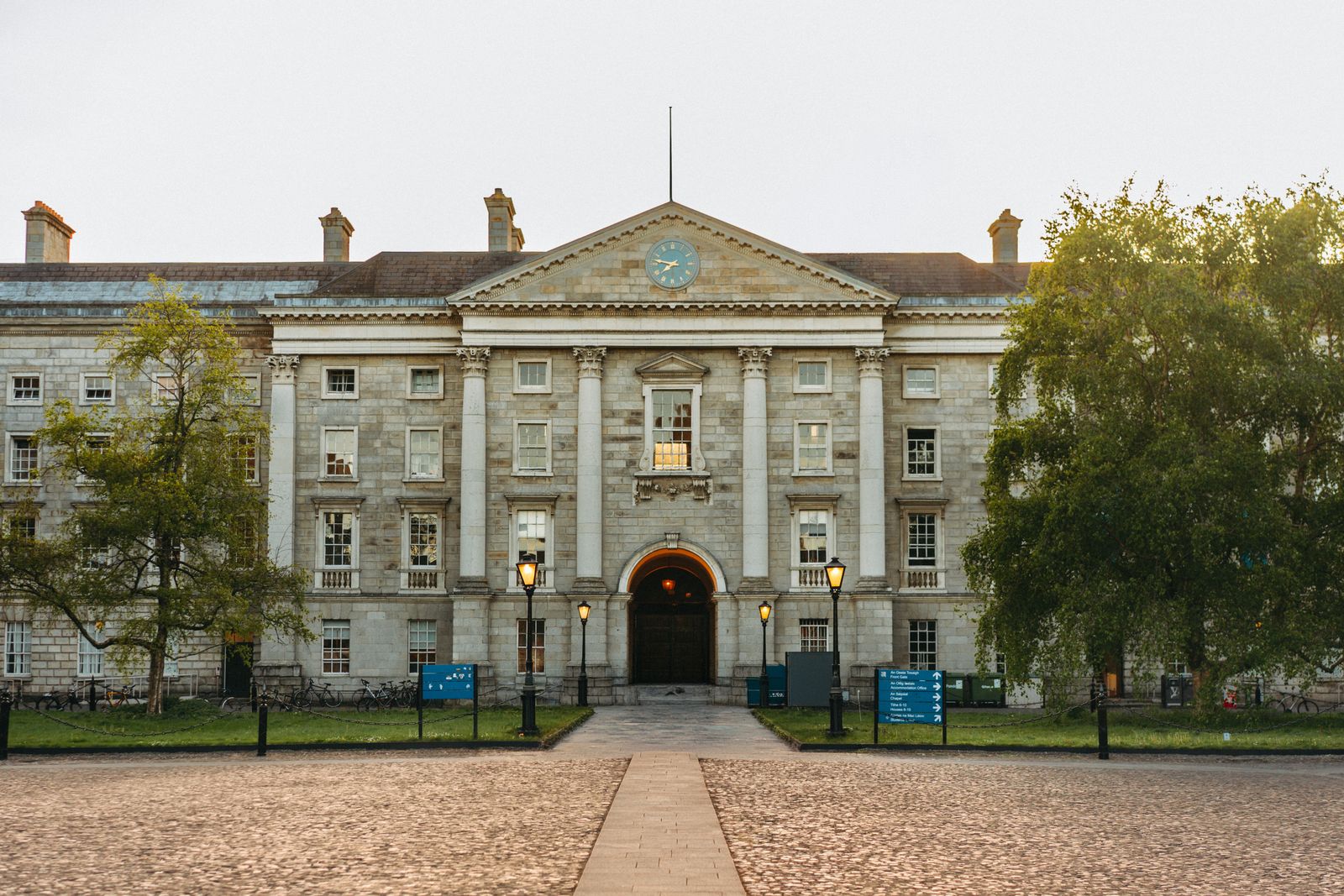
Trinity College Dublin sits in the middle of the city centre, its gates facing College Green. The campus is a mix of eighteenth-century stone buildings and later additions, arranged around cobbled squares. The campanile and the Examination Hall face the main entrance.
The Book of Kells is held in the college library and displayed in a dedicated exhibition. The manuscript is a decorated copy of the gospels made by monks around the year 800. Access is ticketed and timed slots are usual, with queues at busy periods.
The Long Room, the library's main chamber, is part of the same visit. It is a working library and can close at short notice for college events. The college is a short walk from the Liffey and from the shops on Grafton Street.
Book the Book of Kells in advance through Trinity College. Entry is ticketed and slots fill on summer days.
Along the Liffey
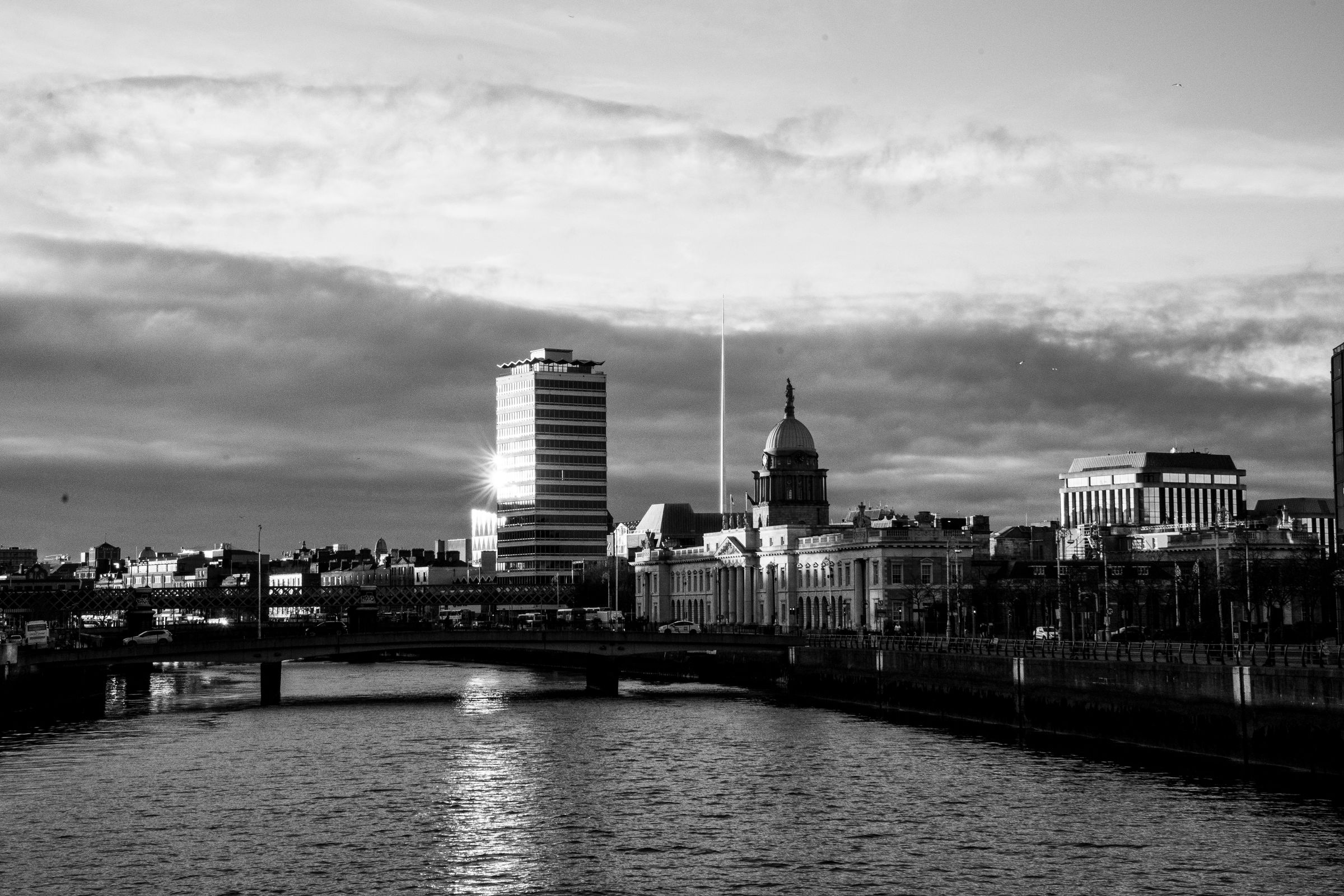
The River Liffey divides the city centre into north and south. The quays are lined with eighteenth- and nineteenth-century buildings, and several bridges cross the river, including the Ha'penny Bridge, a cast-iron footbridge from 1816. The bridge is free to walk and gives a view along the quays.
The Custom House, east of the centre, is a domed eighteenth-century building by James Gandon, now home to a government department. The building is not generally open to visitors, but the exterior and the nearby Custom House Quay are worth a look.
Further west, the old brewing quarter around St James's Gate is a working industrial site with a visitor centre. Visits are ticketed. The area around it is a mix of old industrial buildings and newer apartments, and the streets are quiet in the evening.
Museums and galleries
The National Museum of Ireland has several sites in Dublin. The archaeology collection on Kildare Street covers the prehistoric and medieval periods, including the Ardagh Chalice and the Tara Brooch. Entry is free.
The National Gallery of Ireland, on Merrion Square West, holds a collection of Irish and European painting. Entry to the permanent collection is free, and there is a charge for some temporary exhibitions.
The Hugh Lane Gallery on Parnell Square holds modern and contemporary art, and the Irish Museum of Modern Art at Kilmainham occupies a former hospital building. Both are free to enter, though some exhibitions may be ticketed. Check opening days before visiting, as museums often close one day a week.
Most national museums are free but close on Mondays. Check the website of each institution before setting out.
Temple Bar and the pubs
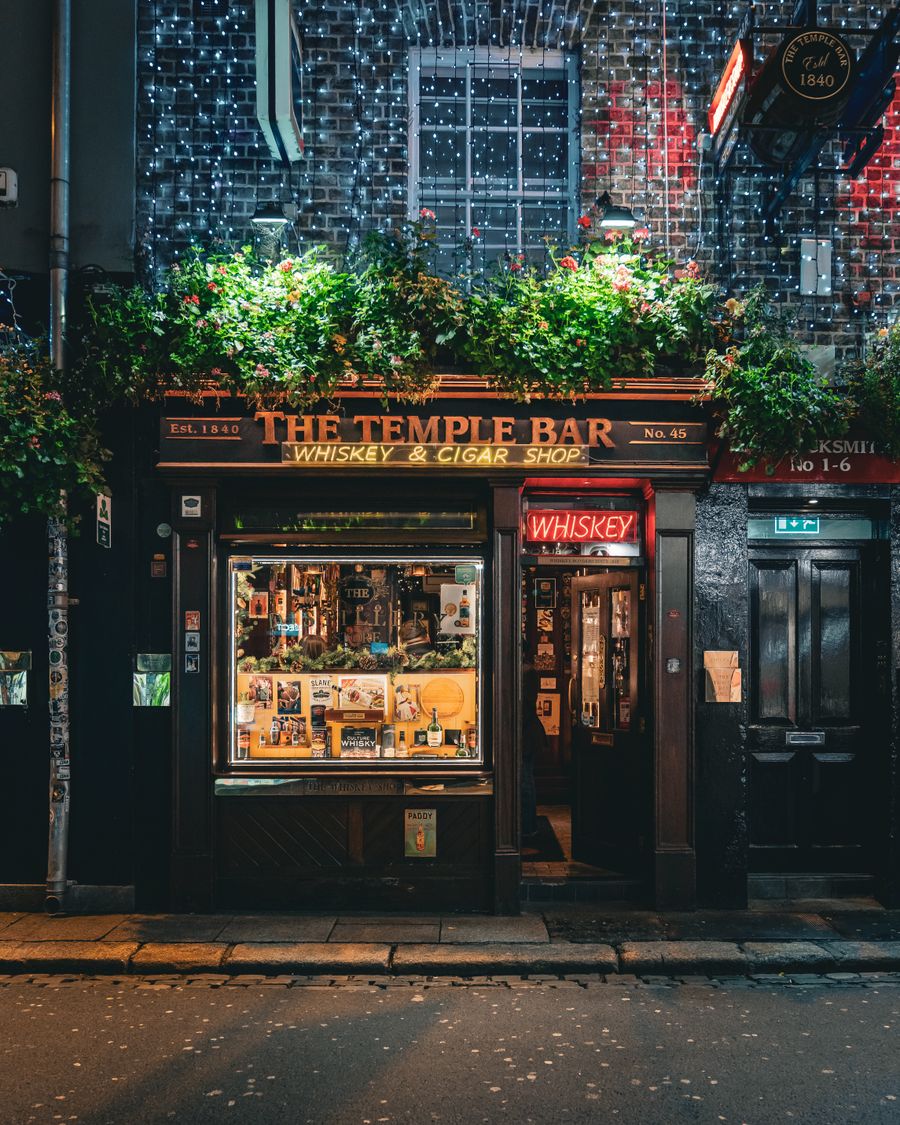
Temple Bar is the area of narrow streets on the south bank between the Liffey and Dame Street. It is known for its pubs and for the crowds that fill them in the evening. The streets are pedestrianised in parts, and the area is busy at weekends.
Traditional music sessions are held in several pubs in the city centre. A session is an informal gathering of musicians playing tunes together, often in a corner of a bar. Some are advertised, others are not. The best way to find one is to ask locally or look for notices in pub windows.
The pubs around Grafton Street and Baggot Street are quieter than Temple Bar. The area around St Stephen's Green has a mix of old and new bars. Prices in the city centre are higher than elsewhere in the country.
Where to base yourself
The city centre is the obvious base for a short visit. The area around Grafton Street and St Stephen's Green is central and walkable, with Trinity College and the National Museum nearby. The streets north of the Liffey around O'Connell Street are also central and often quieter at night.
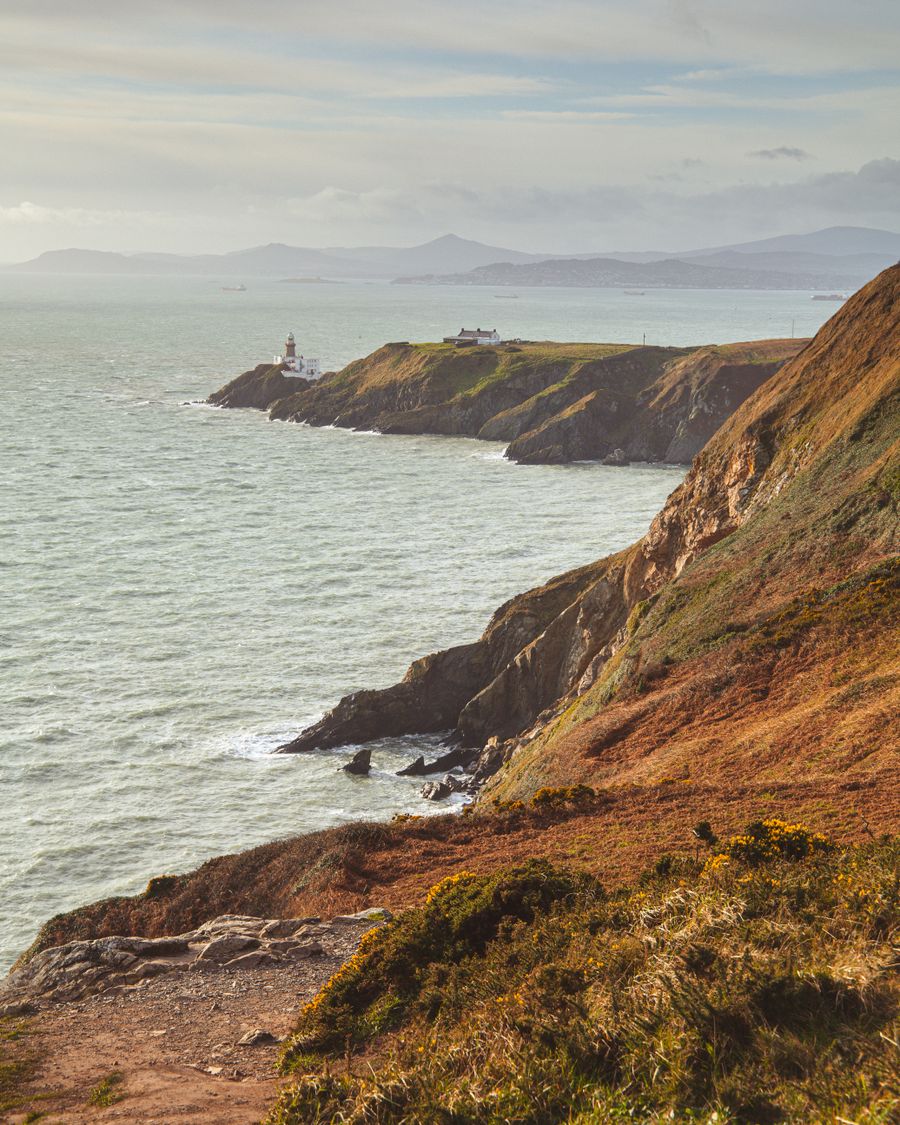
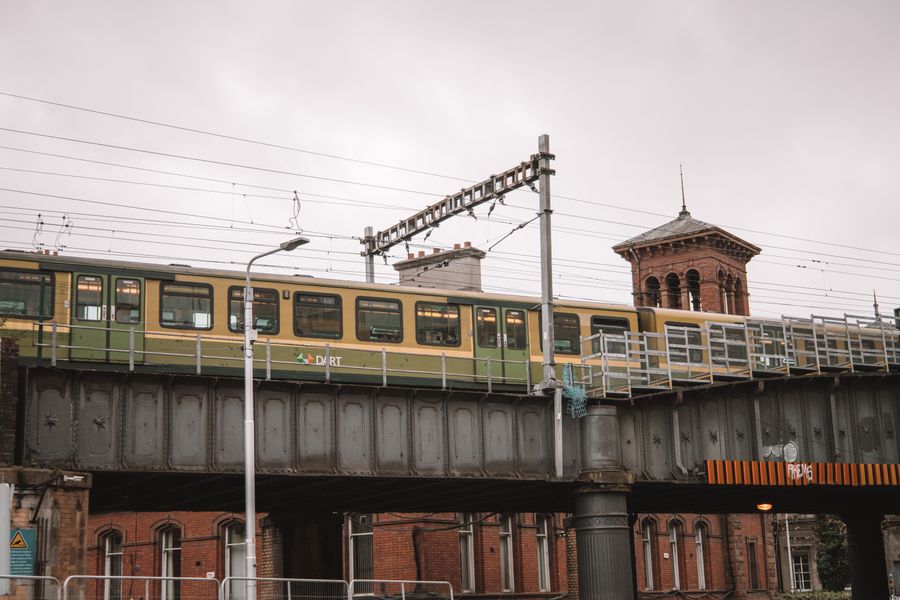
For a longer stay, the suburbs along the DART line offer cheaper accommodation and quick trains into the centre. The coastal villages of Howth and Malahide to the north, and Dún Laoghaire and Dalkey to the south, are on the rail line and have their own restaurants and walks.
The area around Heuston Station, west of the centre, is useful for early trains to the west and south. It is within walking distance of Kilmainham Gaol and the Royal Hospital Kilmainham. The streets there are quieter in the evening than the city centre.
Dublin Bus, Luas and DART serve the city and suburbs. Check the Transport for Ireland journey planner for routes and times.
Getting around
The city centre is compact and best explored on foot. The Luas tram has two lines, one running north to south through the centre and one running east to west. The DART is a coastal train line running from Howth and Malahide in the north to Greystones in the south.
Dublin Bus runs routes across the city and suburbs. A journey planner from Transport for Ireland shows connections. Taxis are available, and there are taxi ranks at the main stations and on O'Connell Street.
Dublin Airport is north of the city, with buses and taxis linking it to the centre. The airport is not on the rail network. Traffic drives on the left. Cycling is common, with dedicated lanes on some streets and a public bike scheme in the centre.