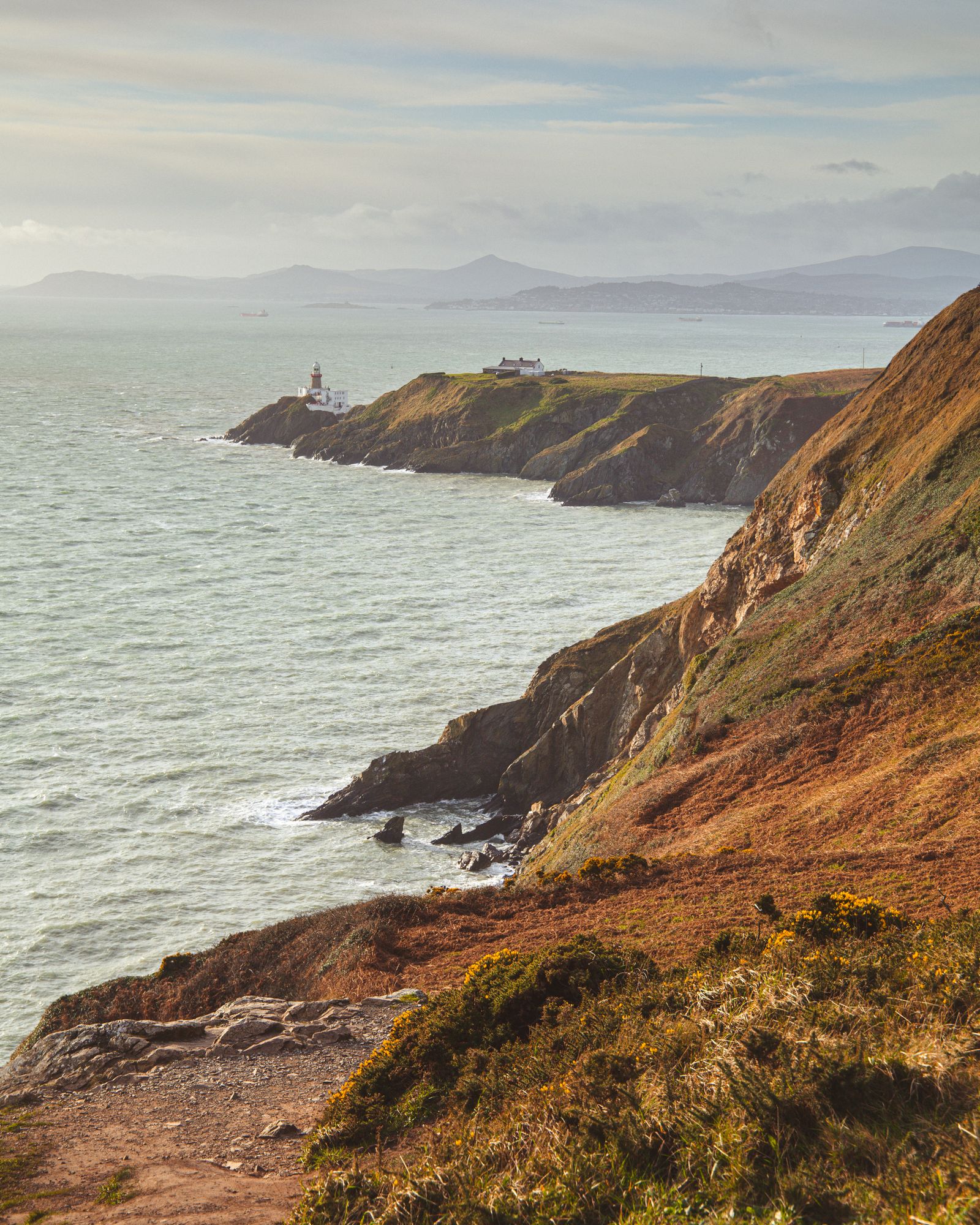
Howth Head closes the north side of Dublin Bay, and a network of marked paths runs around its cliffs and over its heathery top. The village and harbour sit at the neck of the peninsula, a short DART ride from the city centre.
Getting to Howth
Howth is at the end of the DART line on the north side of Dublin Bay, and the trains run from the city centre through the day. The station sits a few minutes from the harbour, where the cliff paths begin. Dublin Bus also serves the village, and Transport for Ireland has a journey planner covering both.
By car, the village is a short drive from the M50 and the city, but parking near the harbour fills early on fine weekends. The train avoids that entirely and drops you at the start of the walk, which is the simpler option for most visitors.
Timetables change, so check Iarnród Éireann for DART times and Dublin Bus for routes before setting out. The walk itself needs no booking and no ticket, and the paths are open all year round.
Check Iarnród Éireann for DART times on the day, as weekend engineering works can affect the line.
The marked loops
Several waymarked routes leave the village and climb onto the head. The shorter loop stays lower around the cliffs and returns by the harbour, while longer routes continue over the top of the head and back down the far side. Signs at the start set out the options.
The paths are waymarked but not all are surfaced. Expect grass, gravel and stone, with some short steep sections and steps. Wear shoes with grip, and take a layer against the wind, which is a constant on the exposed side.
Distances and route details are posted on the waymark boards at the trailheads. Fáilte Ireland and Dublin City Council maintain information on walking routes in the area, and local signs are the reliable guide on the day.
Along the cliffs
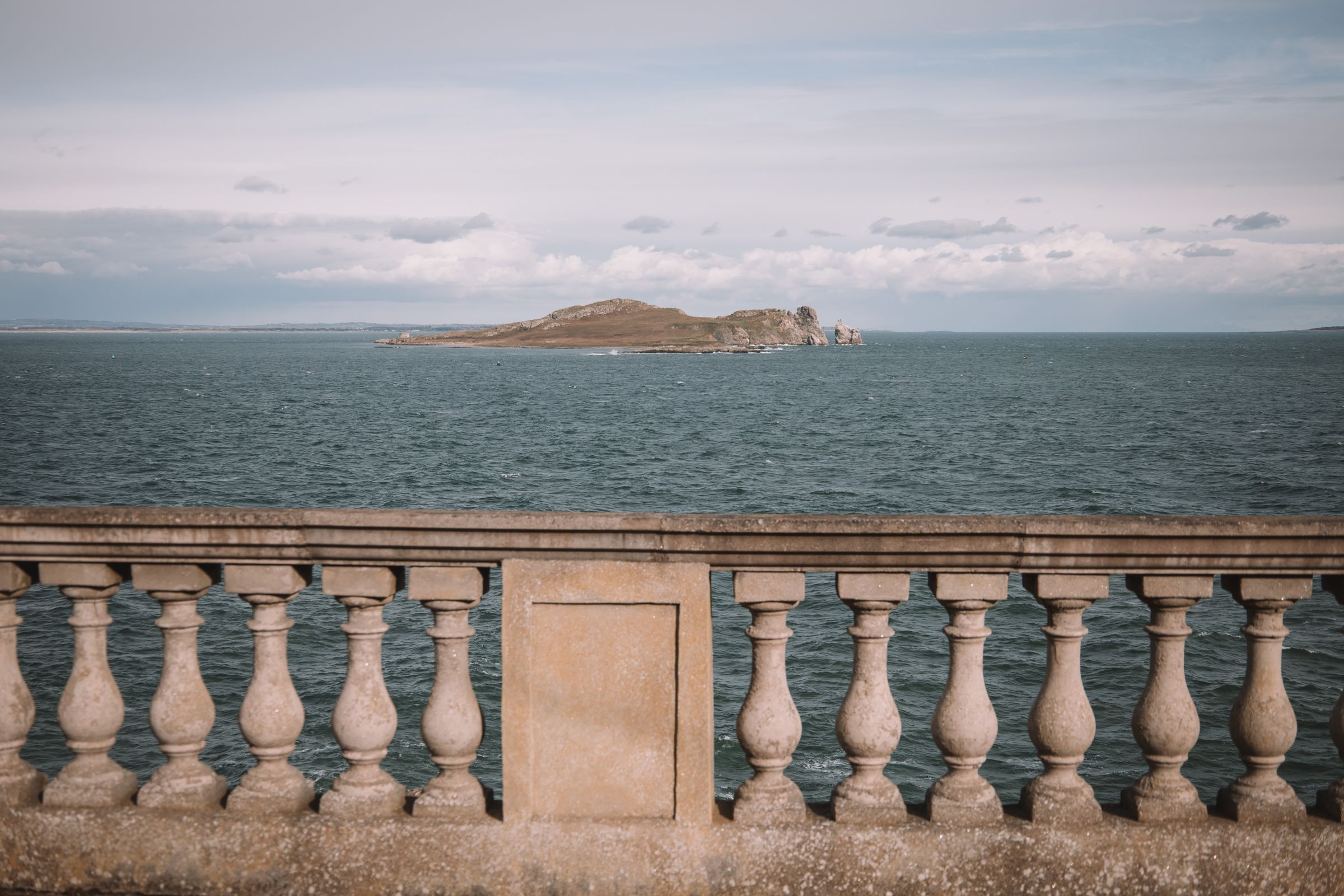
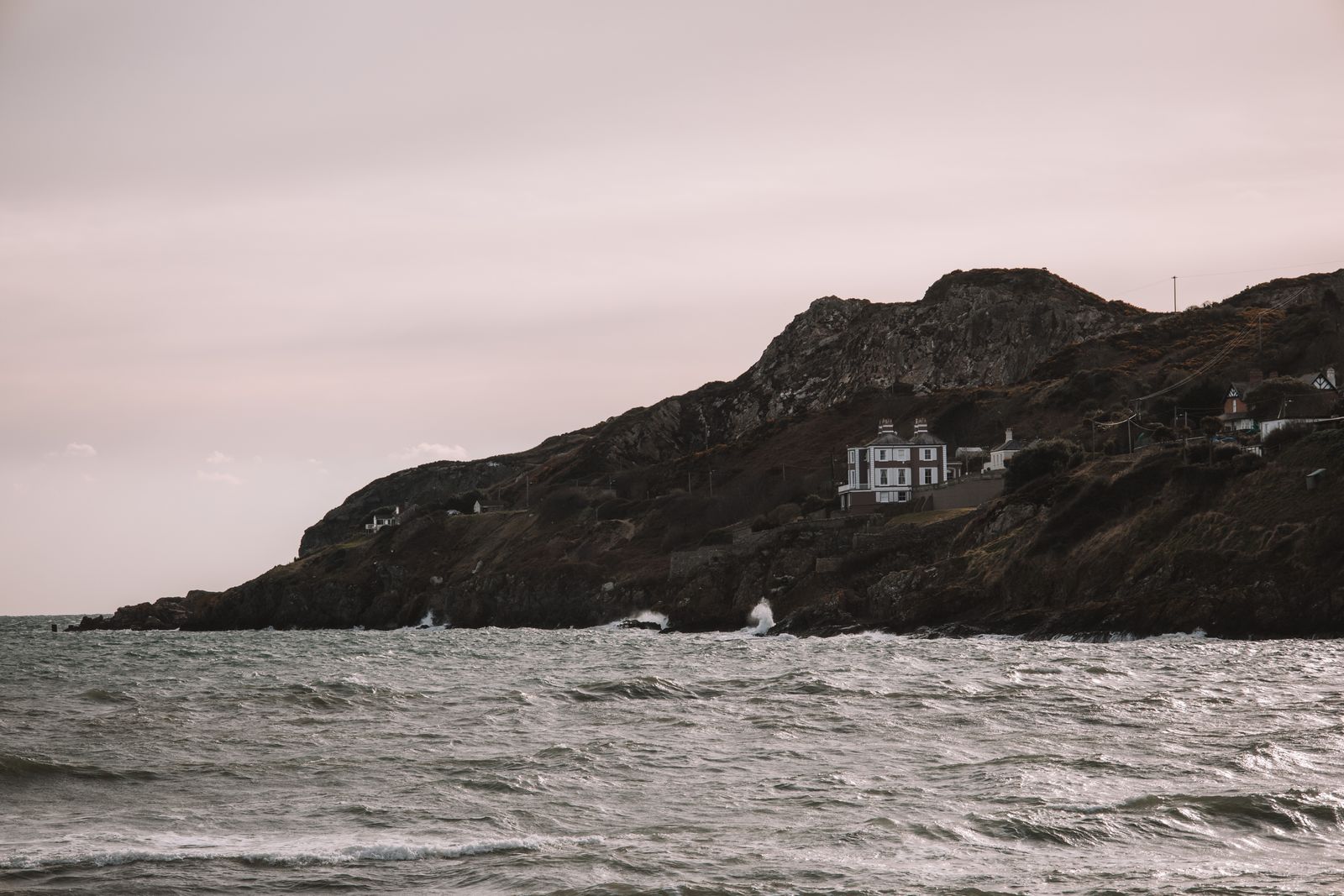
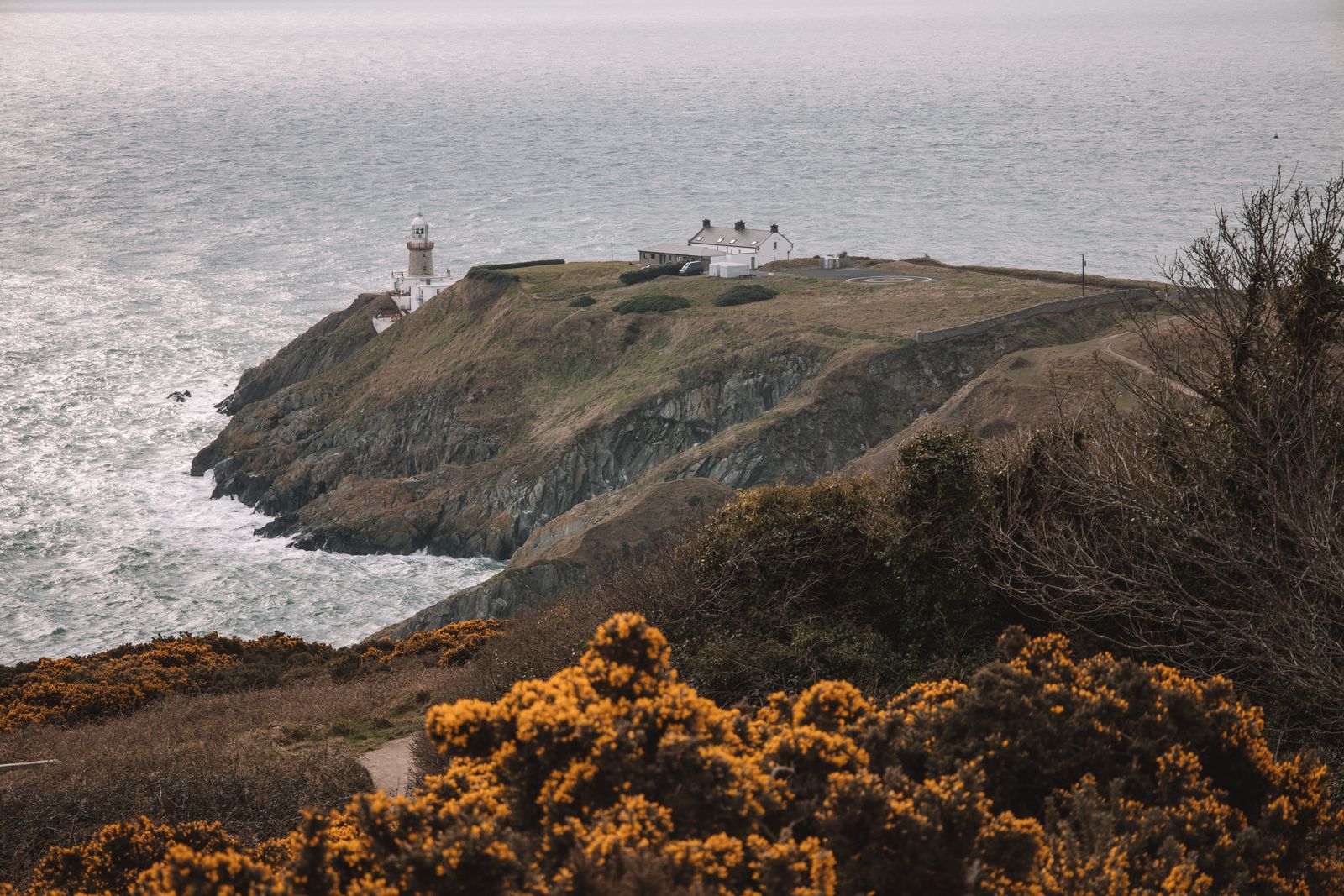
The cliff section runs above the sea on the eastern and northern sides of the head, with long views across Dublin Bay to the city and, on clear days, north to the Mournes and south to Wicklow. The Baily Lighthouse stands on the tip of the head.
The path runs close to the edge in places, with no fence on some stretches. Keep back from the lip, particularly in gusty weather and after rain, when the ground is slippery. Dogs should be kept on a lead near the edge and around livestock.
Below the cliffs the water is deep and cold, and there is no easy way down. Treat the edge as a hard boundary and keep children close on the narrow parts. The best views come from a few steps back, not from the lip itself.
Stay well back from the cliff edge in wind and after rain, and check Met Éireann for conditions.
Over the top
The higher routes cross the top of Howth Head, where heather and gorse cover open ground above the village. The ground is rough in places and can be boggy after wet weather, so boots are better than trainers on these sections.
From the top the views open in all directions: the city and the bay to the south, the islands of Ireland's Eye and Lambay to the north, and the Dublin and Wicklow hills inland. Benches and open ground give places to stop.
Paths on the summit are less defined than the cliff route, and mist can close in quickly. A map or a phone with a charged battery is worth carrying, and the waymark posts are the guide to follow when visibility drops.
Birds and seals
The cliffs and the sea below them are good for seabirds. Fulmars, guillemots and razorbills nest on the rock faces in season, and gulls and cormorants are common year round. Puffins are sometimes seen offshore in late spring and early summer.
Seals often haul out on the rocks below the path and in the harbour. Watch from a distance and keep dogs away, as seals are easily disturbed. BirdWatch Ireland has information on the species found along the Dublin coast.
Nesting seasons vary with the weather, so treat any dates as a guide rather than a fixed calendar. Binoculars make the cliff faces far more rewarding, and a calm day gives the clearest water for spotting seals below the path.
Check BirdWatch Ireland for nesting seasons, and keep dogs on a lead near cliffs and wildlife.
Howth village
The village sits around the harbour at the base of the head, with a working pier, a market on weekends and a long promenade along the water. It is a good place to start or finish, with the DART station close by.
The East Pier is a flat walk in itself and gives views back to the cliffs and out to Ireland's Eye. The West Pier and the harbour walls are popular with walkers and anglers, and the water is calm enough for a short stroll even in poor weather.
Howth has a long history as a fishing port and a landing place. The harbour area has places to eat and drink, and the village makes a natural base for a night or two if you want the cliff path without a city commute.
Practical points
The paths are free to walk and open all year, though daylight is short in midwinter, when a walk needs an early start. Summer evenings are long, and the light on the cliffs is good late in the day.
Weather on the head changes quickly. Rain is possible in any month, and wind is stronger on the exposed side than in the village. Waterproofs and a spare layer are sensible whatever the forecast says.
For anything that changes, such as path diversions or works, check with Fáilte Ireland or the local authority before travelling. Emergency numbers are 112 or 999, and mobile coverage is patchy on parts of the head.
Check Fáilte Ireland and the local authority for path closures or diversions before setting out.
Where to base yourself
Howth itself is the obvious base, with the path on the doorstep and the DART into the city for everything else. Staying in the village means an early start on the cliffs before the day trippers arrive from town.
Dublin city centre is the other practical base. The DART runs from the centre to Howth, so the cliff path can be a half day out from a city hotel, combined with the rest of the city on the same trip.
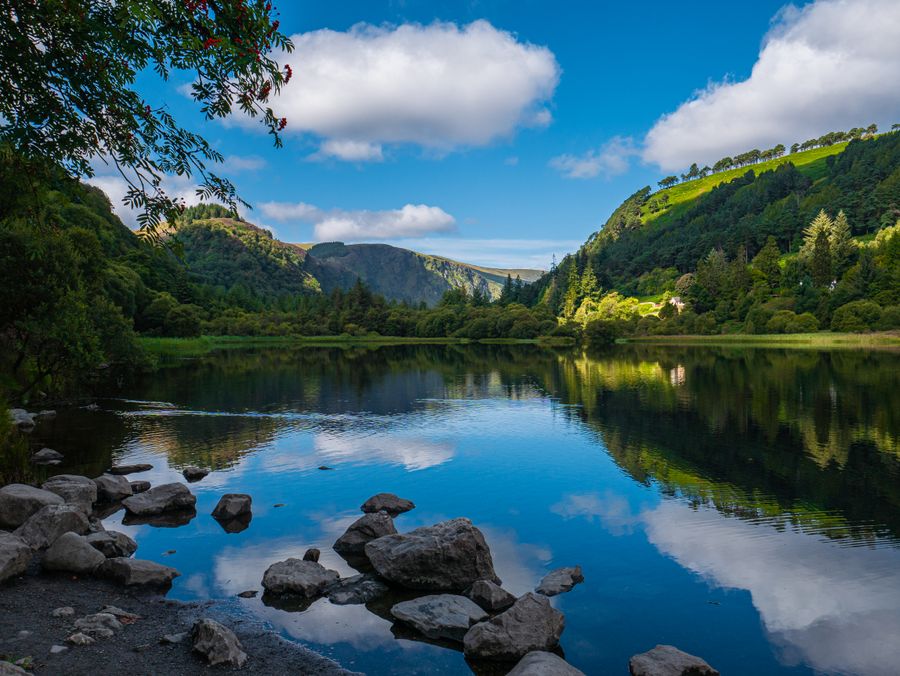
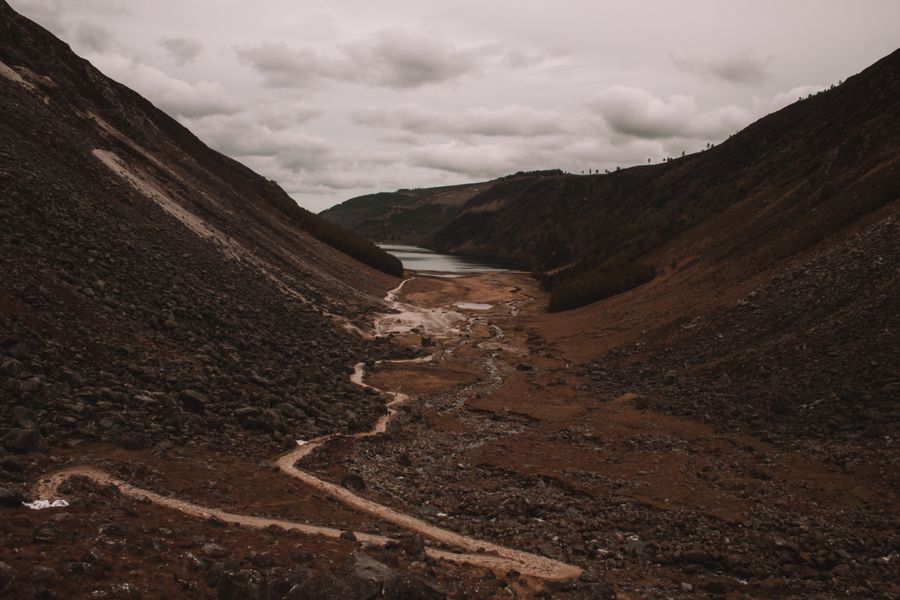
Further south, the Wicklow Mountains and Glendalough make a good second base for walkers, with hill routes and valley paths of their own. Kilkenny and Waterford are reachable by train for a longer trip around the south east.