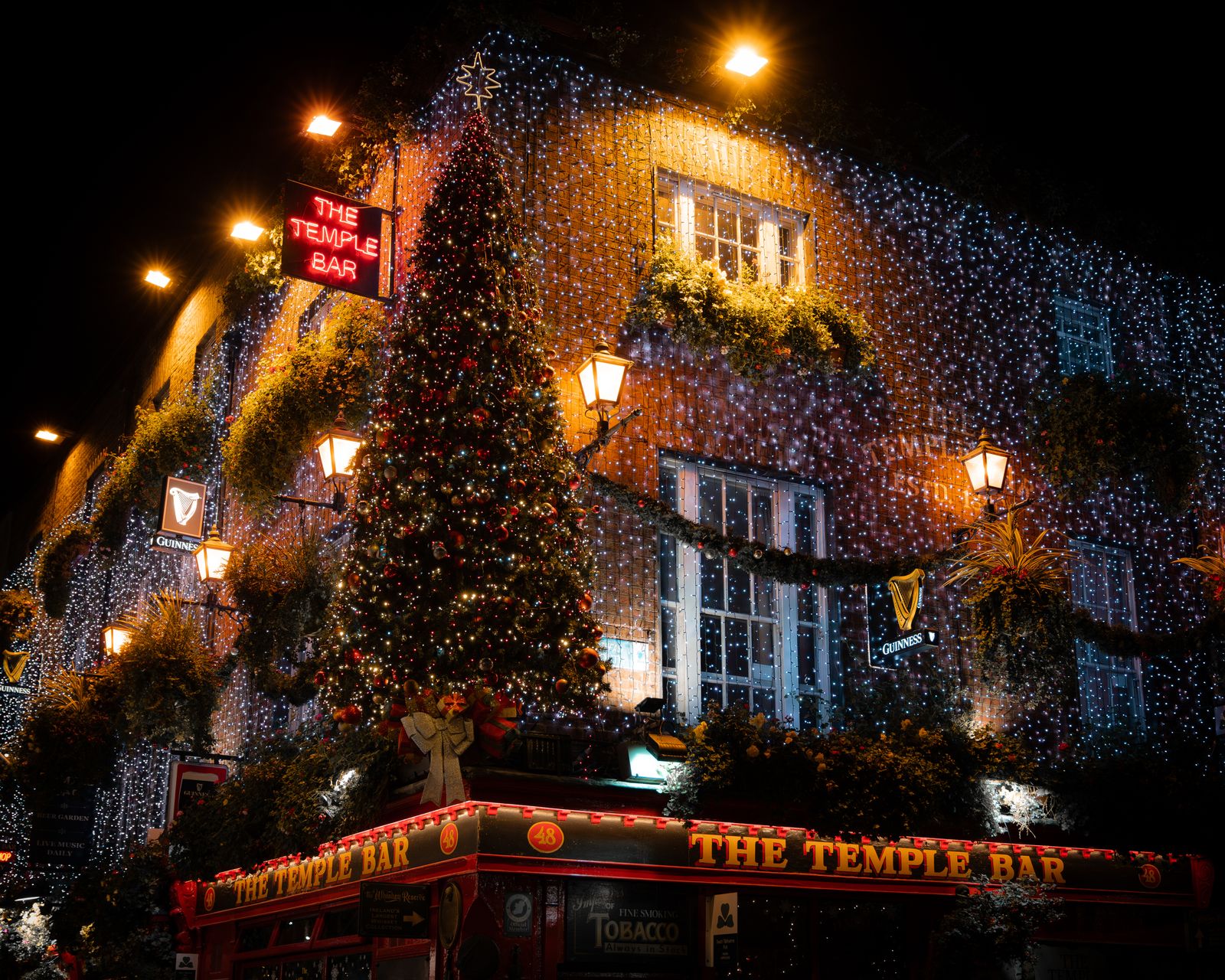
Galway in December is a city of short days and early lights. The Christmas market fills Eyre Square, the Latin Quarter stays busy into the evening, and the Corrib runs dark and fast below the bridges. This page covers what happens, when to come and where to base yourself.
The market on Eyre Square
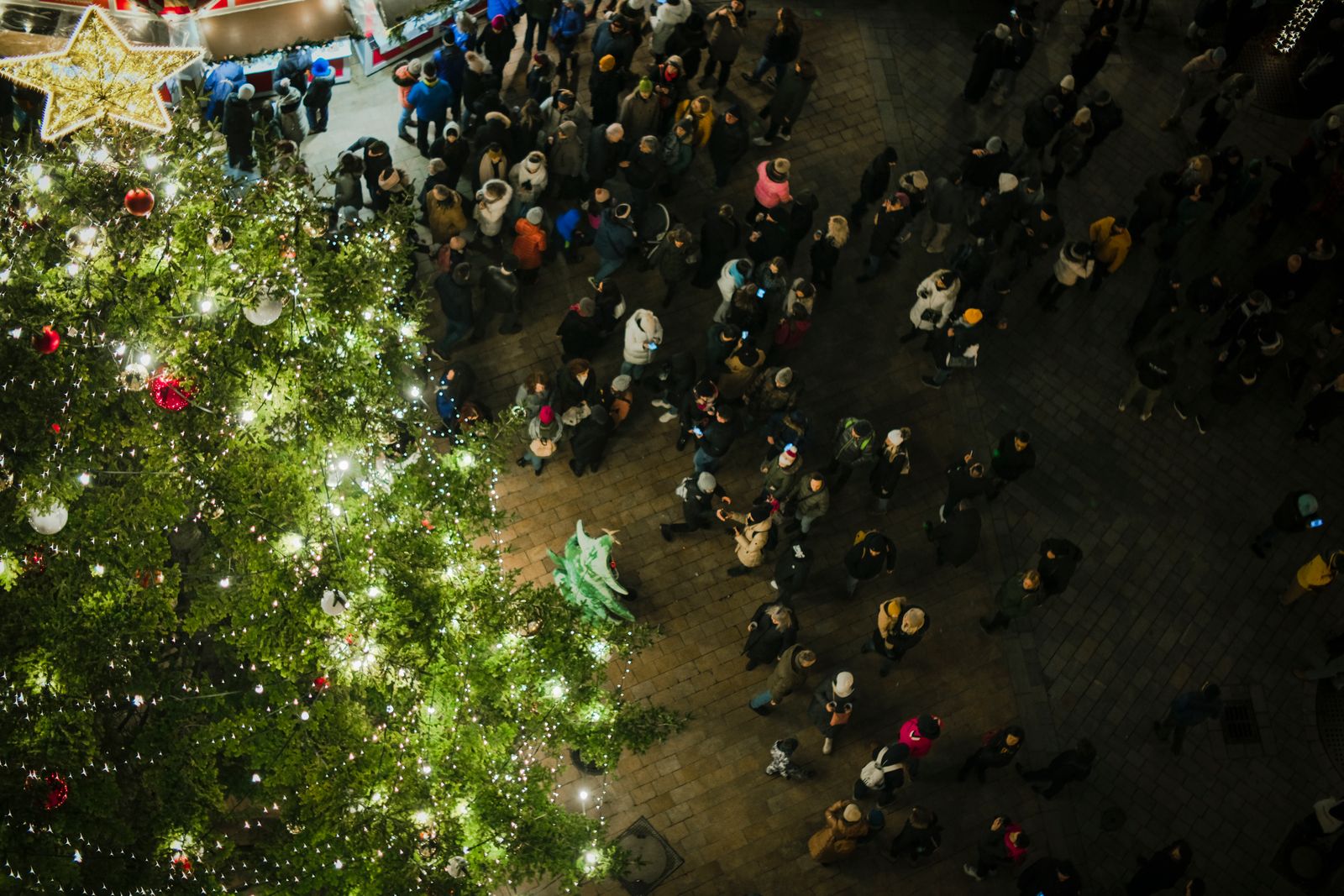
The Christmas market in Galway is held on Eyre Square, the broad open space at the top of the city centre. Stalls go up in late November and run through December, selling food, crafts and hot drinks. It is an outdoor market, so the weather sets the tone: dry evenings are busy, wet ones less so.
The square itself is a public park with a lawn and a statue of Padraic O Conaire, the writer from Ros Muc. The market spreads around it. Because it is in the open, there is no ticket and no fixed entry time; you walk in from the street. Galway City Council is the body that licenses and announces the market each year, and its website carries the dates.
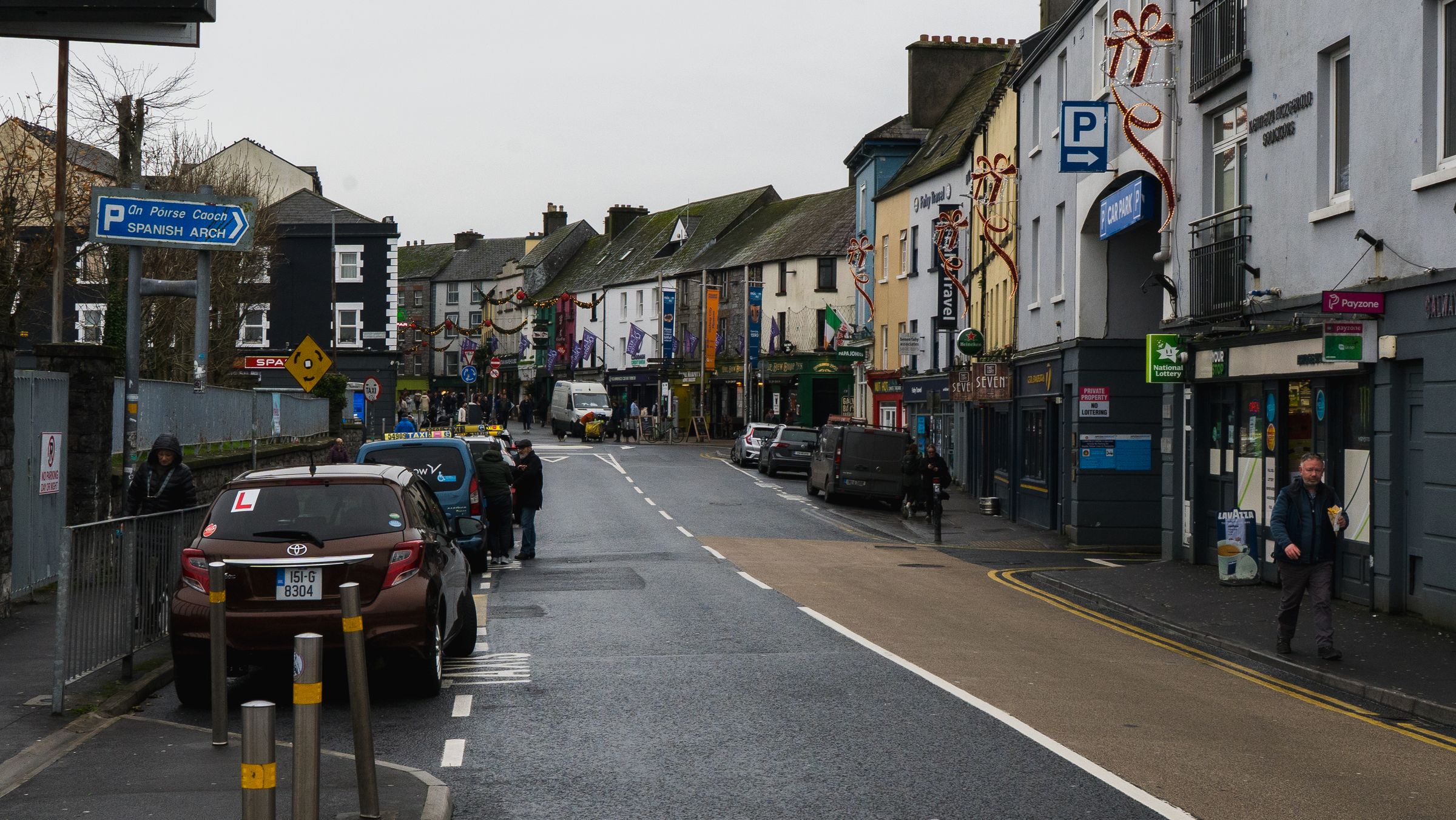
The market is not the only thing on. Shops in the city centre stay open late on some evenings in December, and the streets around Shop Street and Williamsgate Street carry lights. The atmosphere is concentrated in a small area, so a single evening covers most of it on foot.
Dates and opening hours change each year. Check Galway City Council for the current market dates before booking travel.
The Latin Quarter after dark
The Latin Quarter runs from the Claddagh up through Quay Street and Kirwan's Lane to the edge of the city centre. In December it is the busiest part of Galway after dark. The streets are narrow, the buildings old, and the lights go on early because the sun sets before half past four.
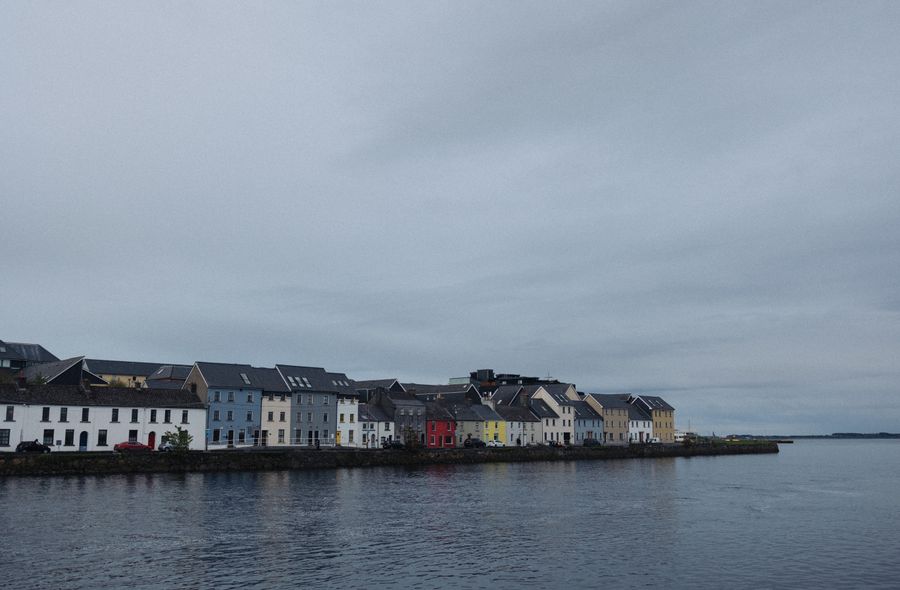
This is a place for walking rather than for a single sight. The Spanish Arch, a surviving piece of the old city wall, stands by the Corrib at the bottom of the quarter. The Claddagh, once a fishing village, is just across the river. On a cold evening the walk between them takes minutes and passes most of the quarter's streets.
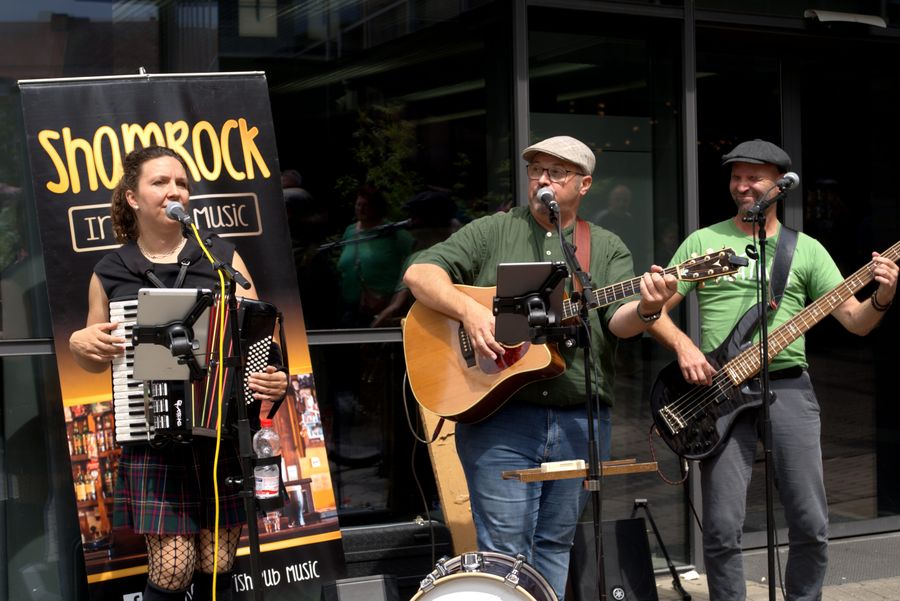
Trad sessions run in the quarter through the winter, though which nights and which rooms change. The page on how a trad session works explains what to expect. For a Christmas visit, the point is the walk and the atmosphere rather than any one event.
Short days by the Corrib
Daylight in Galway around the winter solstice runs to about seven and a half hours, similar to Dublin. The sun is low all day and the light fades from about three in the afternoon. Plan outdoor things for the middle of the day and keep the evenings for indoors.
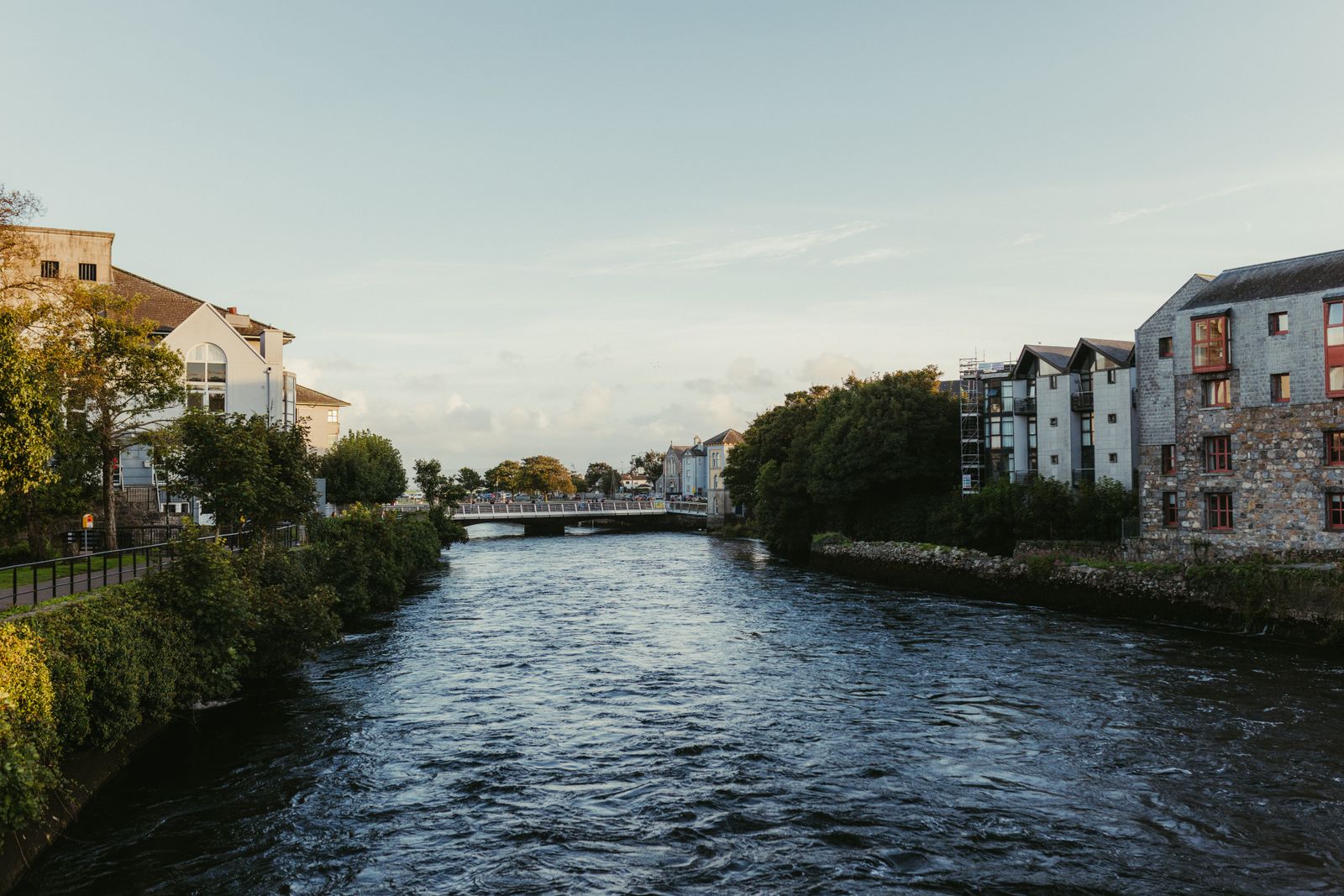
The Corrib is the short river that runs from Lough Corrib through the city to the sea. In December it is usually high and fast. The walk along the river from the Salmon Weir Bridge towards the cathedral is a short, level route that suits a winter afternoon, with the water and the trees in bare leaf.
The weather is mild but wet and often windy. Rain is possible on any day, and the west gets more of it than the east. Waterproofs matter more than warm coats, though both are useful. Met Éireann publishes the forecast and any weather warnings for the region.
Check Met Éireann for forecasts and warnings before travelling; winter storms can affect roads and public transport.
Where to base yourself
Galway city is the obvious base for a Christmas visit. Staying in the centre puts the market, the Latin Quarter and the river within walking distance, which matters when the days are short. The city is compact and mostly level, and buses and taxis fill the gaps.
Outside the city, Salthill is a seaside suburb to the west, on the coast, with a long promenade and views across Galway Bay. It is a short bus ride from the centre. Oranmore, to the east, is a village with a rail station on the Dublin line and is handy for anyone arriving by train.
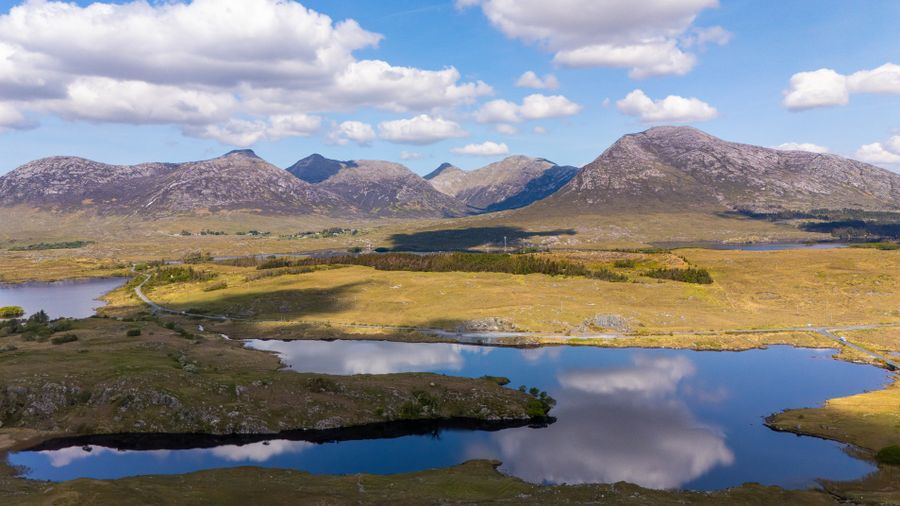
Further out, Connemara to the west and the Burren to the south in County Clare are within reach for a day trip, though winter daylight limits how much you can see. The page on Connemara covers that area in more detail. For a first trip, basing in the city and taking one day out is a sensible pattern.
Getting to Galway
Galway has a rail station in the city centre, with trains from Dublin Heuston run by Iarnród Éireann. The journey crosses the midlands and takes a few hours. Bus Éireann and private coaches also run between Dublin and Galway, and Transport for Ireland has a journey planner that covers both.
The nearest airports are Shannon, to the south, and Ireland West (Knock), to the north. Both are served by buses and have car hire. Dublin is further but has the most flights, and the train or coach from Dublin is straightforward. Timetables change, so check with the operator before travelling.
Driving is an option, and the motorway from Dublin to Galway is direct. Traffic drives on the left and speed limits are in km/h in the Republic. Winter conditions can slow things down, and parking in the city centre is limited, so a base with parking or a bus route is worth considering.
Things to do indoors
The wet days of December make indoor places useful. The Galway City Museum, near the Spanish Arch, covers the history of the city and the region and is free to enter. It is a good stop on a wet afternoon in the Latin Quarter.
The cathedral, on the west bank of the Corrib, is open through the day and holds services over Christmas. Its dome is visible from much of the city. St Nicholas Collegiate Church, off Shop Street, is older and sits in the middle of the medieval streets.
For a longer indoor day, Kylemore Abbey in Connemara is a drive west, though winter opening hours are shorter and the gardens are dormant. Check with the Office of Public Works or the site itself for seasonal opening. The page on Kylemore Abbey covers what is there.
Practical notes for December
Book accommodation early. Christmas is a busy period in Galway, and the city fills up for weekends and for the days around the holiday. The search on this page is set to the Galway region, which covers the city and its surroundings.
Many places close on Christmas Day and some on St Stephen's Day. Public transport runs a reduced service over the holiday period. Check with Iarnród Éireann, Bus Éireann or Transport for Ireland for the days you plan to travel, as timetables change each year.
The emergency number is 112 or 999. Plugs are the three-pin type G. The Republic uses the euro. Northern Ireland is a different jurisdiction, in the UK, with pounds and miles, though there are no routine checks on the border roads.