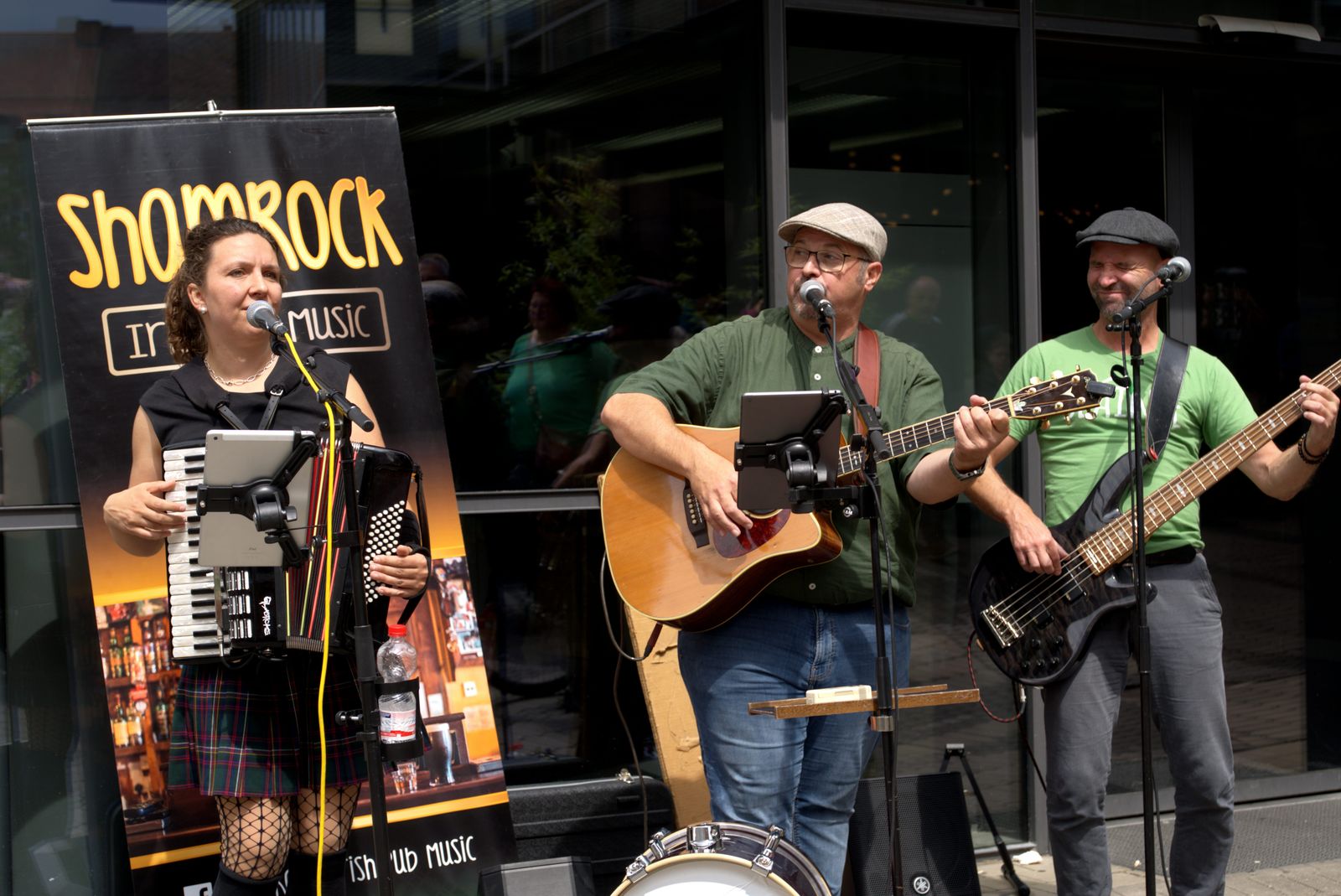
A traditional session is not a concert. Musicians gather in a pub, usually in a corner or at a table, and play tunes together for as long as the company lasts. There is no stage, no set list and no admission charge. Understanding the shape of the evening makes it easier to enjoy.
What a session is
A session is an informal gathering of musicians playing Irish traditional music, mostly dance tunes: reels, jigs, hornpipes and polkas, with the occasional slow air or song. Players sit close together so they can hear each other. The music is not amplified as a rule, and the room carries it.
Sessions happen in pubs, but also at festivals, in community halls and at home. Some are weekly and long established, with a core of regular players. Others form for a season or a festival week. A session can be three musicians or fifteen, and the number can change through the evening.
There is no audience in the theatre sense. Listeners sit around the players, and people come and go. Conversation continues at the far end of the room. The music is the centre of the gathering, but the evening is social as much as it is musical.
Who plays and how
Players come from the area and from further away. Some are full-time musicians, many are not. Instruments heard most often are fiddle, flute, tin whistle, concertina, accordion, banjo, mandolin, guitar, bouzouki, harp and uilleann pipes. Bodhrán players are common too, though not every session welcomes a drum.
Tunes are played in sets, usually three tunes of the same type joined together, each repeated a few times. One player starts a set and the others join when they recognise it. Nobody announces the tunes. Knowledge of the repertoire is what holds a session together.
Singers are given room in many sessions, with the room falling quiet for a song. A singer usually waits for a gap rather than interrupting a set of tunes. Songs in Irish are part of the tradition, especially where the language is strong.
Session nights vary by pub and season. Local tourist offices and Fáilte Ireland list what is on, but the surest check is to ask locally on the day.
Where to sit
If you are listening, sit a little back from the players, where you can see and hear without crowding them. Tables near the session are often kept for the musicians and their instruments. Ask before taking a seat inside the circle.
If you play, bring your instrument and ask whether you can join. Most sessions are open, but some are closed groups of regulars. Sitting in and listening for a set before playing is normal. Playing quietly until you know the tune is better than leading.
Buying a drink is the ordinary courtesy of the room, whether or not you play. Tipping musicians is not expected in a session, since there is no admission and no stage. Applause between sets is fine; clapping along to the tunes is not usual.
Tunes and sets
The repertoire is large and shared. A player may know hundreds of tunes, and the same tune can have several names. Sets are put together by ear, often from habit: a particular reel followed by two others that suit it. There is no printed programme.
Different regions have distinct styles. Clare, Sligo, Donegal and Kerry each have recognised ways of playing, in ornamentation, rhythm and repertoire. A session in Doolin will not sound the same as one in Donegal, and players often remark on the difference.
New tunes enter the tradition all the time, written by living players and passed on in sessions and recordings. Comhaltas Ceoltóirí Éireann, the body that promotes traditional music, runs classes and competitions where many players learn, and its local branches are a route into the music.
Etiquette in the room
Keep conversation low near the players. The music is unamplified and a loud table can spoil a set. Photography without flash is usually acceptable; filming a whole session is not. Ask before recording anyone.
Requests are handled gently. A visitor asking for a particular tune may be met with it, or may not, depending on whether anyone knows it. Asking a player to repeat a set is fine. Asking the musicians to play faster or slower is not.
Children are welcome in many sessions, especially early in the evening, but licensing rules in pubs can restrict hours. Check with the venue. In Gaeltacht areas, Irish may be the language of the session, and songs in Irish are common.
Pub opening hours and session start times change with the season. Check with the venue or Fáilte Ireland before planning an evening around a session.
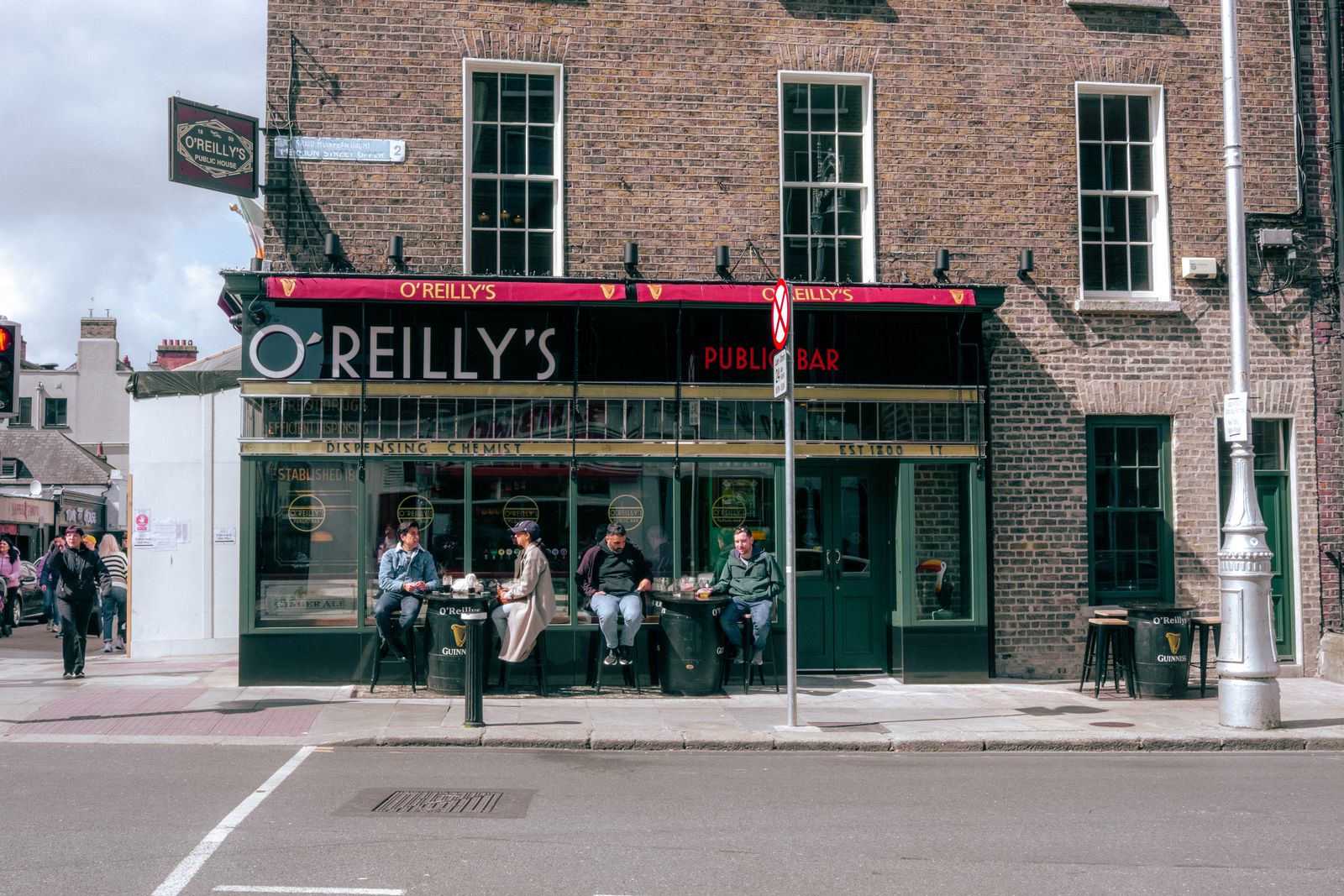
Sessions around Doolin
Doolin in County Clare is known for traditional music, and sessions run in its pubs through much of the year, with more in summer. The village is small and the sessions are within walking distance of each other, which makes an evening easy to plan without a car.
The wider Burren and north Clare have sessions in several villages and towns. Ennistymon, Lisdoonvarna and Ballyvaughan are all short drives from Doolin and make useful bases. Galway city, an hour or so north, has a dense session scene of its own.
For a base, Doolin itself suits walkers and those without a car. Ennis, the county town, has more services and bus and rail connections. Kilfenora and Corofin are quieter and central to the Burren. All are within reach of the music.
When to go
Sessions are most frequent in summer, when visitor numbers are high and pubs run music several nights a week. Winter sessions are fewer but often stronger, with regular players and a local audience. Festivals, including those run by Comhaltas branches, bring players together at set times of year.
Weekends are busier than midweek. In Doolin, a summer weekend can mean full rooms, so arriving early helps. Outside the season, a session may depend on who turns up, and a quiet night is possible.
The best approach is to ask locally on the day: at the tourist office, in a shop, or of whoever is behind the bar. Fáilte Ireland and local tourism offices keep listings, but the session itself is informal and can change at short notice.
Listening and joining
Listening well is part of the tradition. A session rewards attention: the same tune may come round twice in an evening, played differently. Sitting quietly with a drink and following the sets is the ordinary way to spend the time, and nobody expects an audience to do more than that.
If you sing or play, the room will usually make space, but timing matters. Wait for a lull between sets rather than starting up over the players. A visitor who asks politely whether a tune is welcome will nearly always get a straight answer, and often an invitation.
Recordings and phones are best kept out of the circle. A short photograph is usually fine, but a phone held up through a whole set draws attention away from the music. The players are there for the evening, not for a performance, and the room notices.