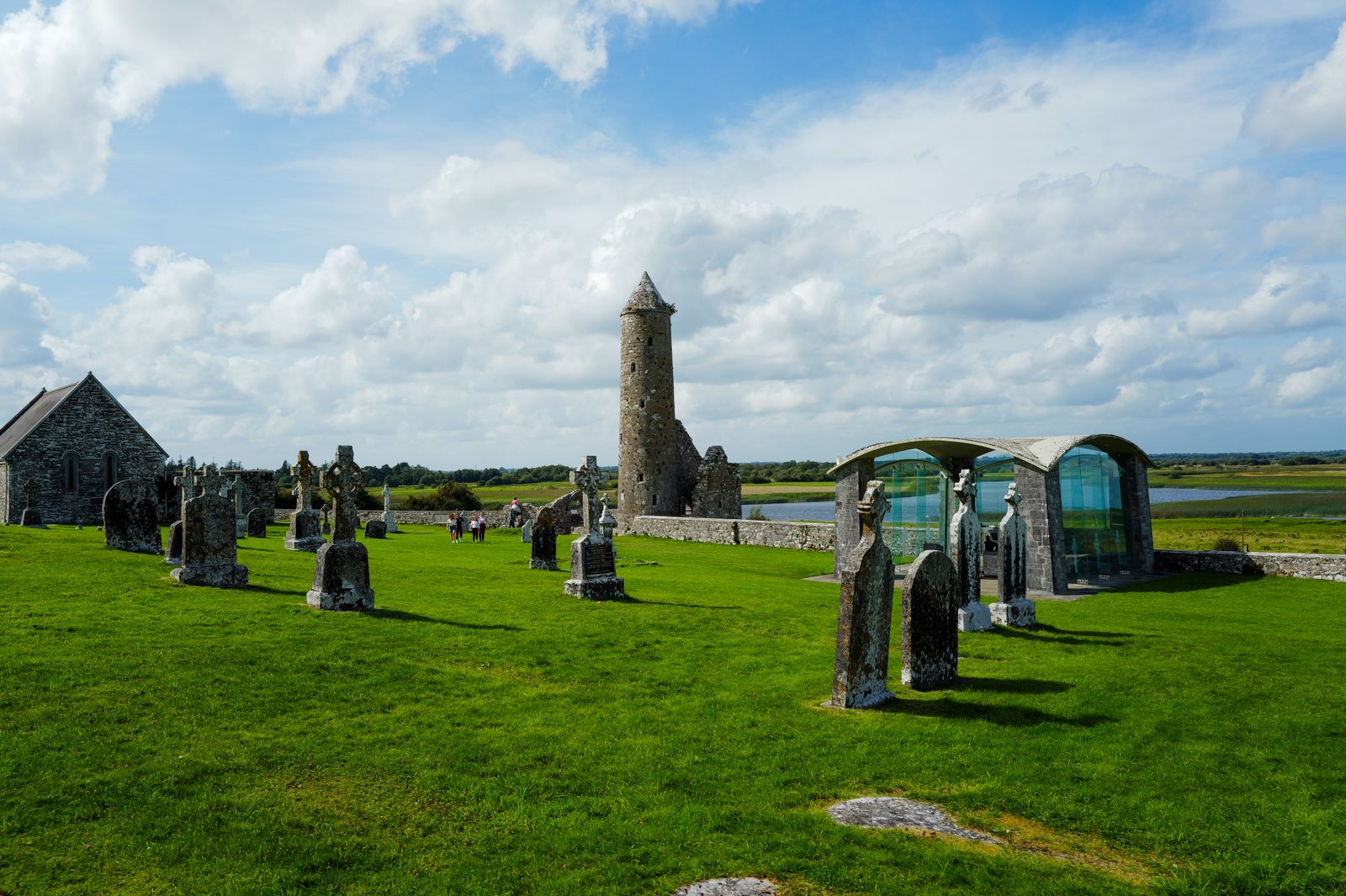
Round towers stand beside many old monastic sites in Ireland: tall cylinders of stone with a conical cap and a door set well above the ground. Most were built between the ninth and twelfth centuries. They are among the most recognisable structures on the island, and several survive close to Kilkenny.
What a round tower is
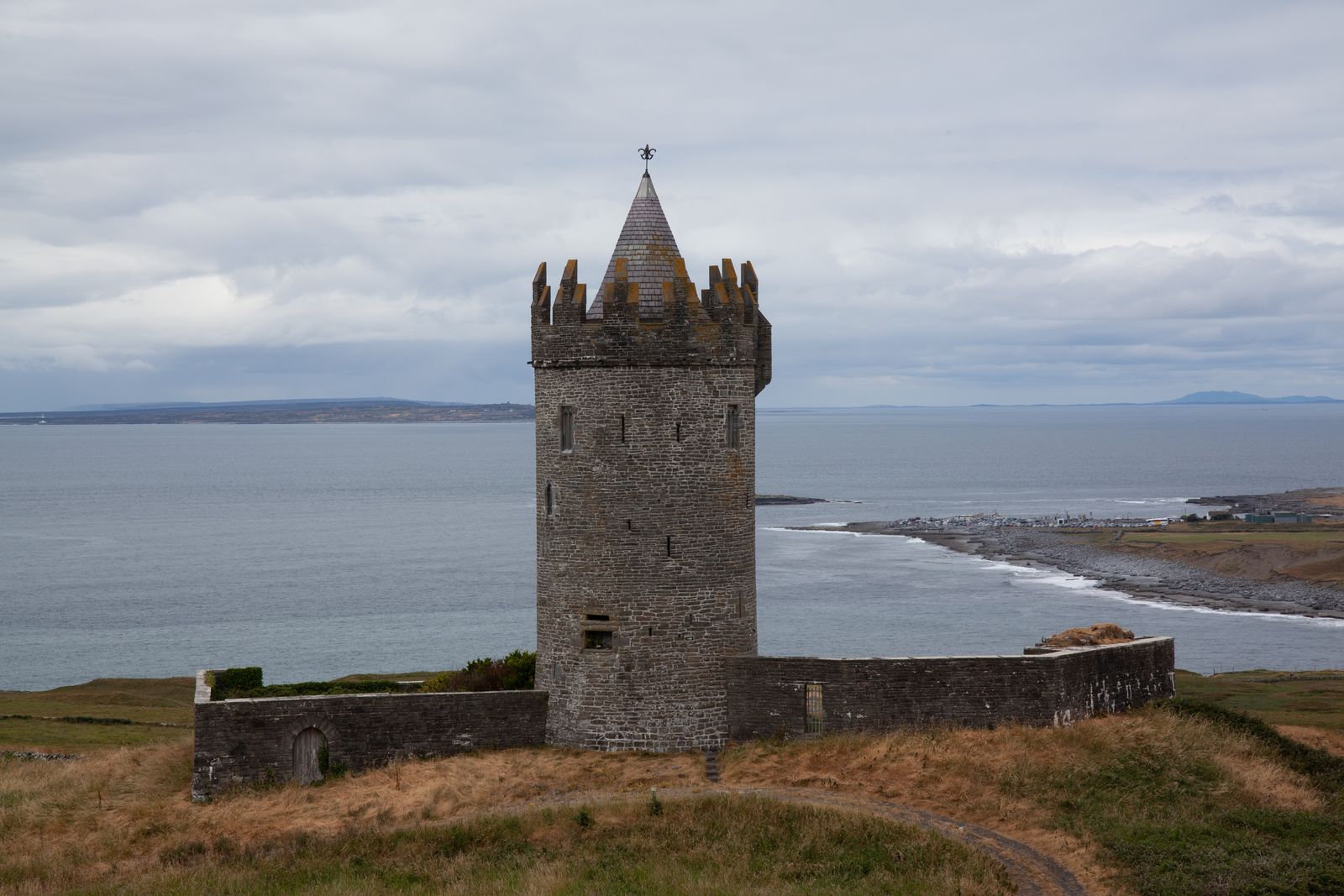
A round tower is a free-standing stone building, circular in plan and tapering slightly towards the top. Most stand between about twenty and thirty metres high, though sizes vary. The walls are thick at the base and thinner higher up, and the whole is capped with a stone roof shaped like a cone.
The door is the feature that surprises people most. It sits several metres above the ground, reached by a ladder or wooden steps that could be pulled inside. Windows are few and small, and the upper floors were lit by narrow openings set just below the roof.
Almost all were built of local stone, dressed and laid in courses. Many have lost their original roof or upper section to time and weather, and some were repaired in later centuries. What survives is the core of the building, not a ruin in the ordinary sense.
Why they were built
The usual explanation is defence, though the picture is more complicated than it sounds. Towers were raised at monasteries that held books, metalwork and relics, valuables worth protecting from raiders, including Viking parties working up the rivers. A tower with a raised door and a pullable ladder is a strong place to wait out a raid.
They were not simply refuges. The upper floors served as a belfry, and the towers held bells that marked the hours of prayer. Some may also have stored goods or served as a place of safe keeping for the community's most important possessions.
The towers were built over several centuries, so no single purpose explains them all. Later examples may have been more symbolic than practical, a statement of a monastery's standing as much as a defensive work. The debate among archaeologists continues, and the towers themselves give few direct answers.
Most round towers stand on sites in state care. Check opening arrangements with the Office of Public Works before travelling to a smaller site.
How to read one
Look first at the door. If it is raised well above the ground, the original entrance is intact. Where a doorway sits at ground level, it is usually a later insertion, made when the tower was reused as a parish church bell tower or a dwelling.
Then look at the windows near the top. A tower with four openings facing the cardinal points, rather than one, suggests a later date. The stonework tells its own story: large blocks at the base, smaller and neater courses higher up, and sometimes a change of stone where repairs were made.
Finally, look at the site around the tower. A round tower rarely stands alone. There is usually a church, a graveyard, sometimes a high cross or a carved slab. The tower is one part of a monastic enclosure, and the layout of the whole site is often more revealing than the tower by itself.
Kilkenny and the south east
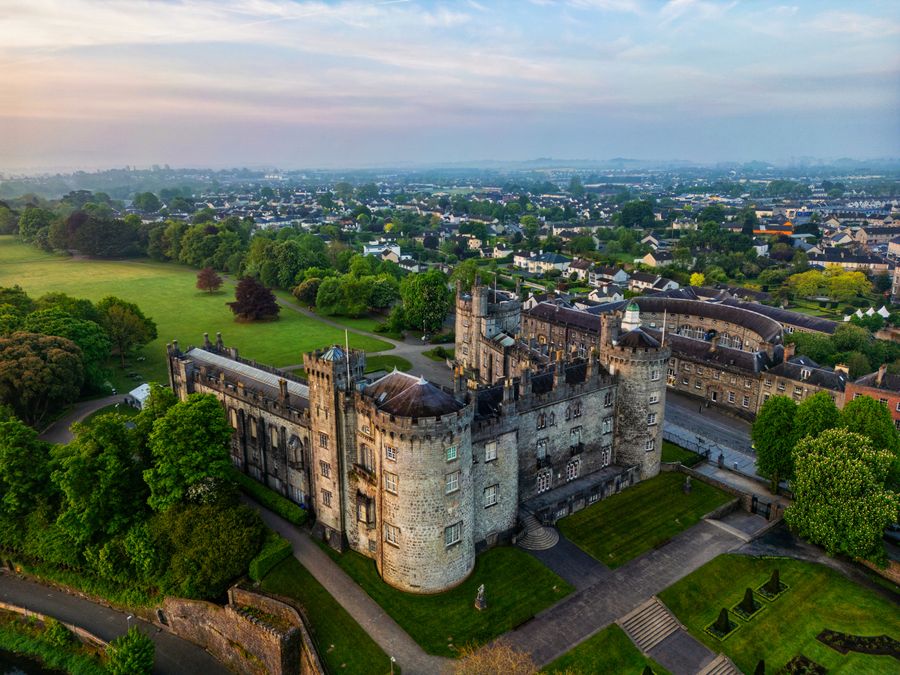
Kilkenny city makes a good base for seeing round towers. The county holds several, and the wider south east has more within reasonable driving distance. Kilkenny itself has a medieval street pattern, a castle and two cathedrals, so a day in the city is not wasted if the weather turns.
Nearby towns worth considering as a base include Kilkenny city, Thomastown and Graiguenamanagh, all in County Kilkenny, and Carlow to the north. Each has somewhere to stay and eat, and each puts a different group of sites within reach. The roads between them are minor and quiet.
Public transport in the region is limited. Iarnród Éireann serves Kilkenny and Carlow on the Dublin to Waterford line, and TFI Local Link buses cover some rural routes. For the smaller sites a car is much more practical. Timetables change, so check with the operator before relying on a connection.
Rural bus routes in County Kilkenny are run under the TFI Local Link scheme. Check current timetables with Transport for Ireland before planning a day without a car.
Towers elsewhere
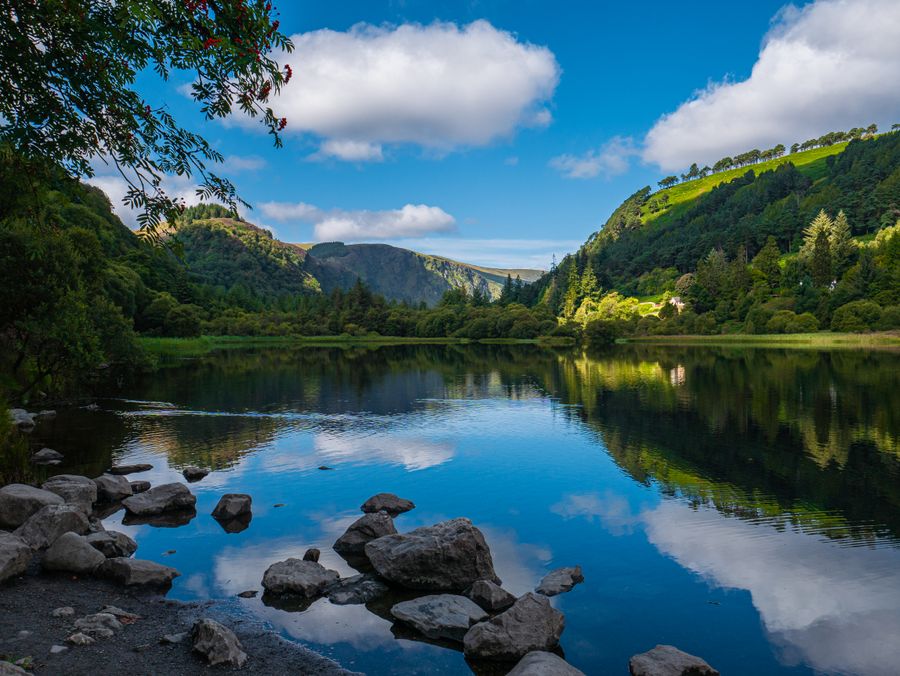
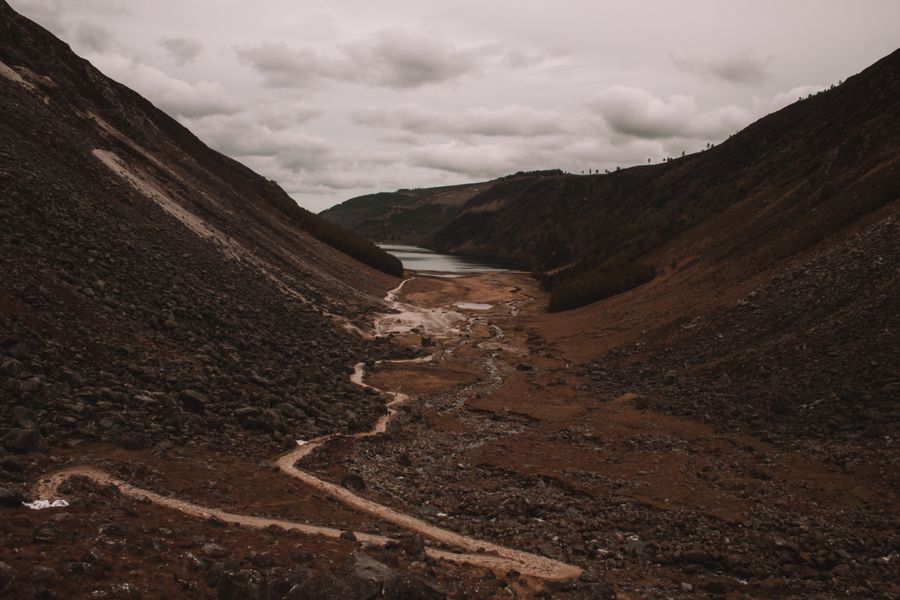
Round towers are scattered across the island, with concentrations in the east and south east. Several survive in County Wicklow, including one at Glendalough in the monastic valley there. Others stand in County Kildare, County Offaly and County Meath, often beside a church still in use.
In the west and north the numbers thin out, though examples exist. Some towers are complete to the cap, others are truncated. A few have been adapted over the centuries and now serve as bell towers for later churches, which is why they sometimes look newer than they are.
For anyone following a theme, the towers make a good thread through a trip. They are small sites, usually free to walk around, and they sit in quiet places. A short stop at each adds up to a day or two of gentle touring between larger destinations.
Visiting and access
Most round towers are on sites in state care, managed by the Office of Public Works, or stand in graveyards beside working churches. Access varies: some are open to walk around at any reasonable hour, others are locked or gated, and a few have a visitor centre with seasonal opening.
The towers themselves are not generally open to climb. The raised door and the narrow interior with timber floors make access difficult and unsafe, and conservation takes priority. Visitors see the exterior and the surrounding site, which is usually the point.
Weather matters. The sites are exposed, the ground can be wet, and the stone is slippery after rain. Sturdy shoes and a waterproof layer are sensible at any time of year. Daylight is short in midwinter, so plan to visit earlier in the day between November and February.
Making a day of it
A round tower is rarely a whole day out. Pair it with something else nearby. In County Kilkenny that might be the medieval city itself, a walk along the river, or a longer drive into the hills. In County Wicklow the monastic site at Glendalough sits in a valley with waymarked walks.
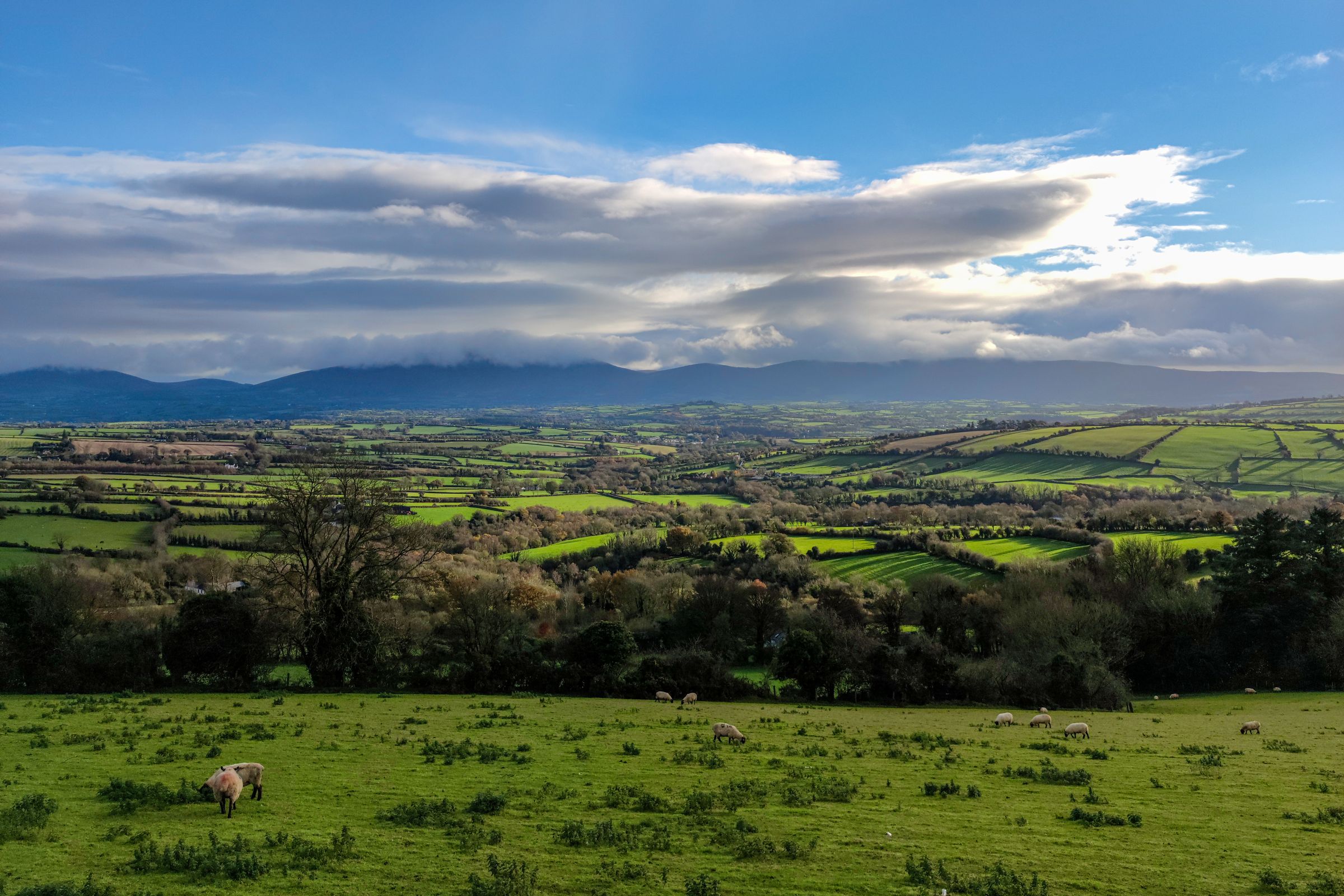
The south east rewards slow travel. Small towns, market squares, old churches and quiet roads make up most of it. A round tower is a good excuse to stop in a place you would otherwise pass through, and the surrounding countryside is often the better part of the visit.
For a longer trip, the towers work as a theme across several counties. Pick a base, see what is within an hour's drive, and move on when it suits. The sites are close enough together in the east and south east that three or four can be seen in a comfortable day.