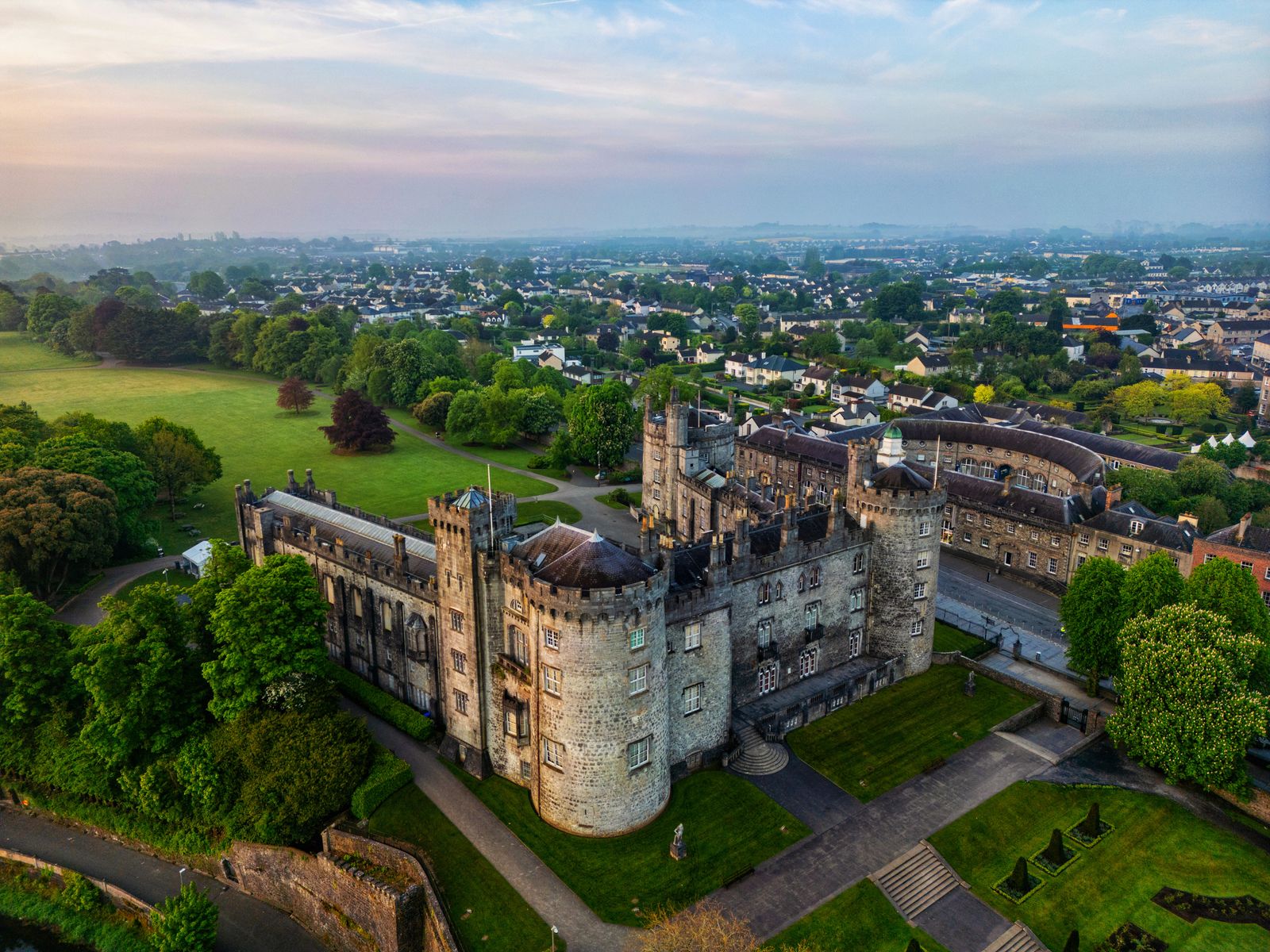
Kilkenny is a small city with a long history. The Normans built a castle here in the twelfth century, and the streets around it still follow the medieval pattern. It is the usual base for the county, with good food and a compact centre that rewards walking.
The shape of the city
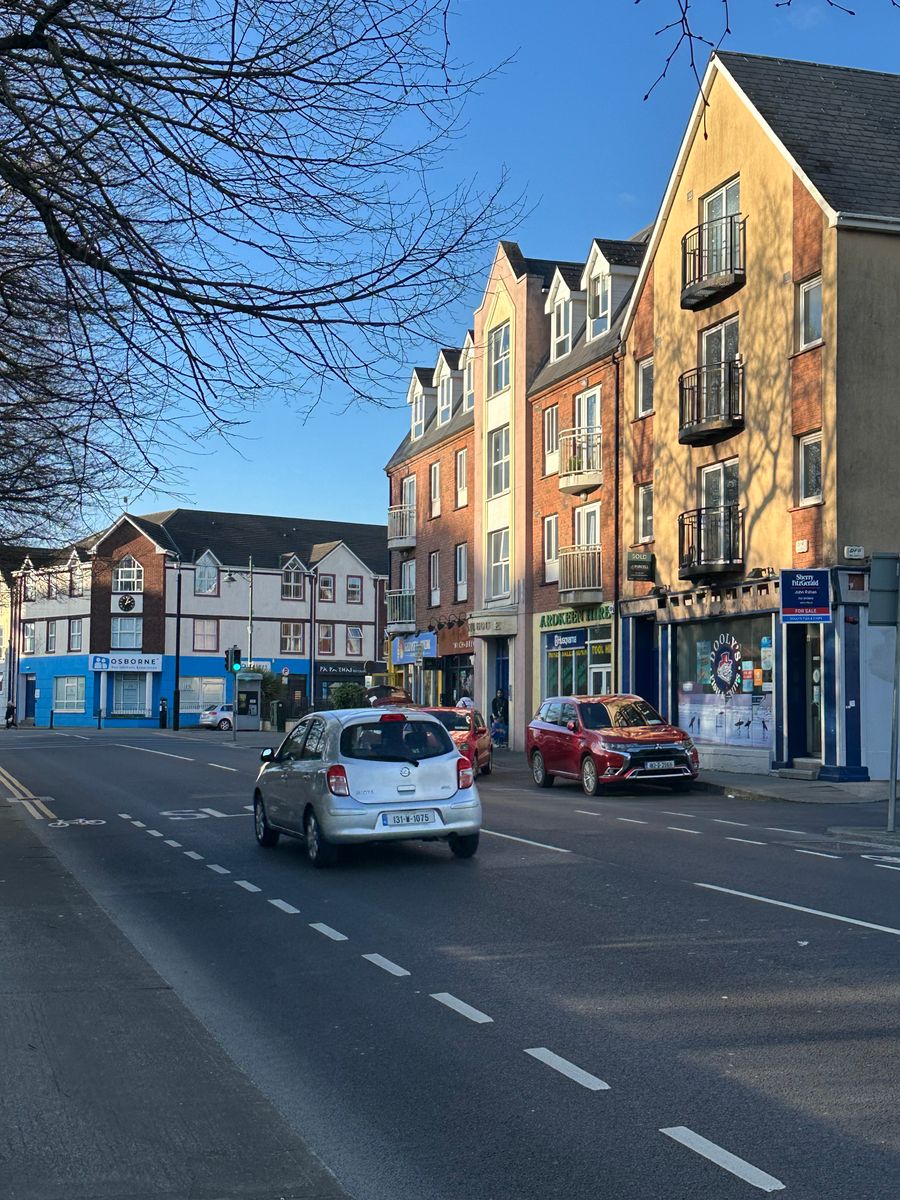
Kilkenny sits on the River Nore, about an hour and a half by road from Dublin. The medieval city grew on the west bank, around the castle and the cathedral, and the streets still bend and narrow in the old way. Parliament Street and High Street run through the centre, with lanes and slips leading off between the buildings.
The city is small enough to cross on foot in twenty minutes. That makes it easy to use as a base: you can leave the car and walk to most of what you came to see. The tourist office and the main bus stops are close to the centre.
Two cathedrals stand in the city, one Catholic and one Church of Ireland, and both are worth a look. The older of the two, St Canice's, sits on the hill north of the centre and gives the city its Irish name, Cill Chainnigh, the church of Canice.
Kilkenny Castle
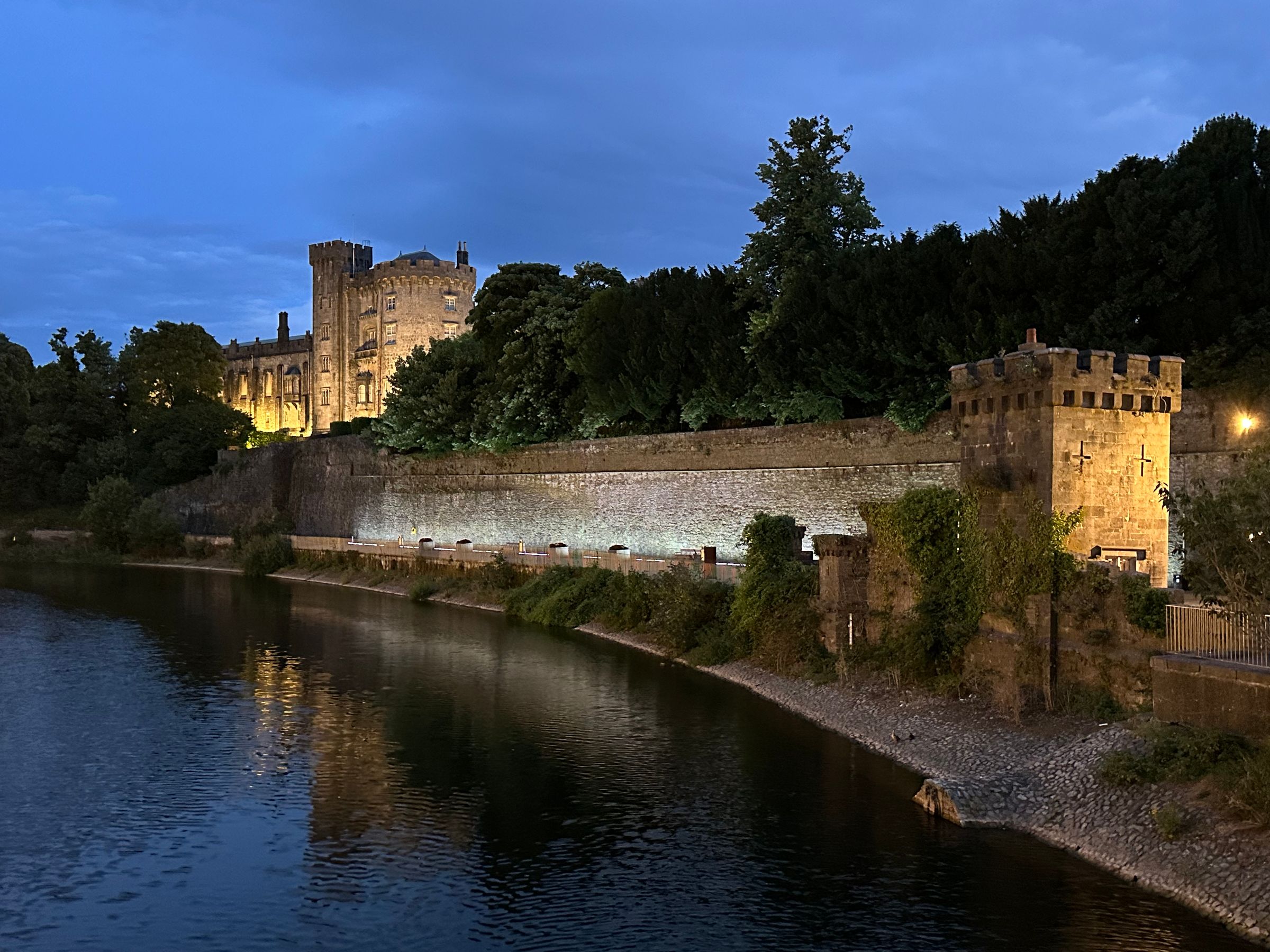
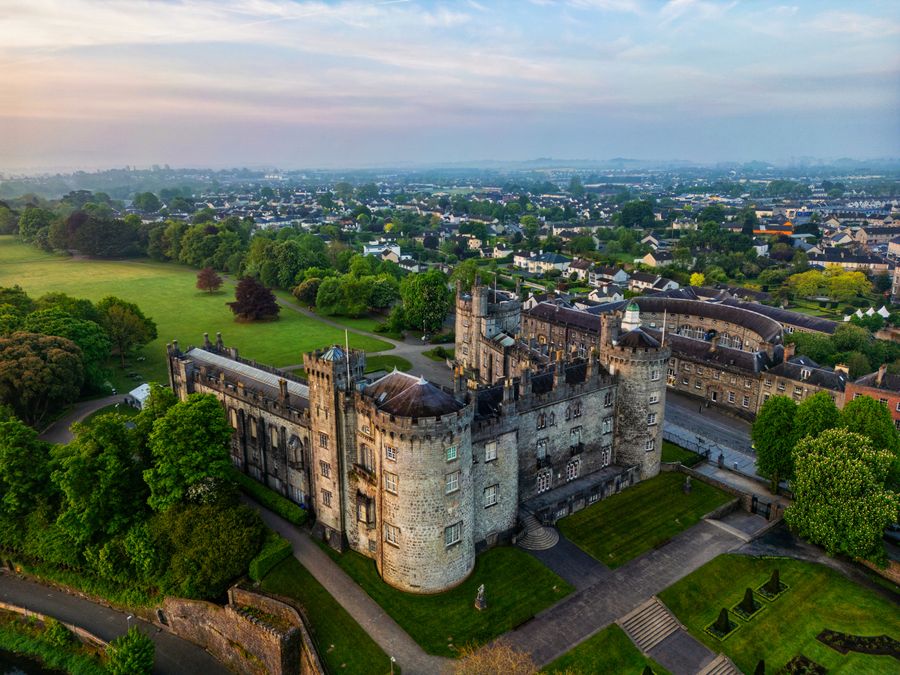
Kilkenny Castle stands at the south end of the old city, above the Nore. It was built in the twelfth century and rebuilt and extended many times since. For centuries it belonged to the Butler family, the earls and later dukes of Ormond, who held much of the surrounding land.
The castle passed to the state in the twentieth century and is now run by the Office of Public Works. Visits are ticketed and include the main rooms and the picture gallery, with a long gallery that looks out over the river.
Below the castle, a formal park runs along the riverbank, with lawns and a terrace. It is free to walk and is the easiest place in the city to sit down in the open air. The castle and the park together make a natural starting point for a walk through the centre.
Castle opening times change with the season. Check the Office of Public Works, Heritage Ireland, before you travel.
St Canice's Cathedral
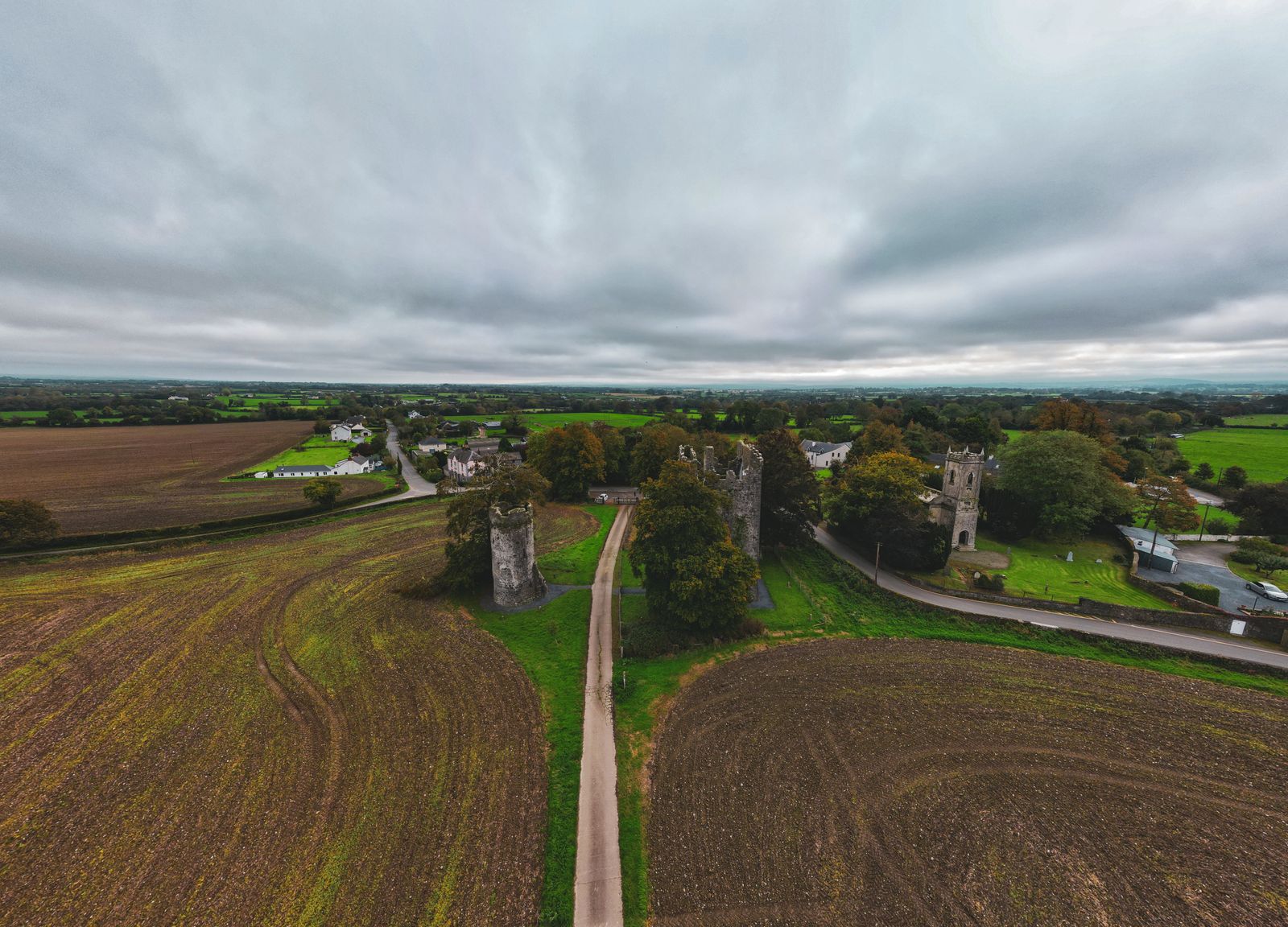
St Canice's Cathedral stands on high ground north of the centre, on the site of an early monastic settlement. The present building is mainly thirteenth century, with a square tower that can be climbed in season. The climb is by a stone stair and the view from the top takes in the city and the surrounding hills.
Around the cathedral is a walled churchyard with old stone crosses and tombs, and beside it stands St Canice's Library, a small collection in an old building. The round tower nearby is older than the cathedral and is one of the few in the country that can still be climbed.
The lane from the cathedral down to the centre passes the Black Abbey, a Dominican foundation with a long nave and a set of stained glass windows. The walk between the three takes about half an hour at an easy pace.
The medieval streets
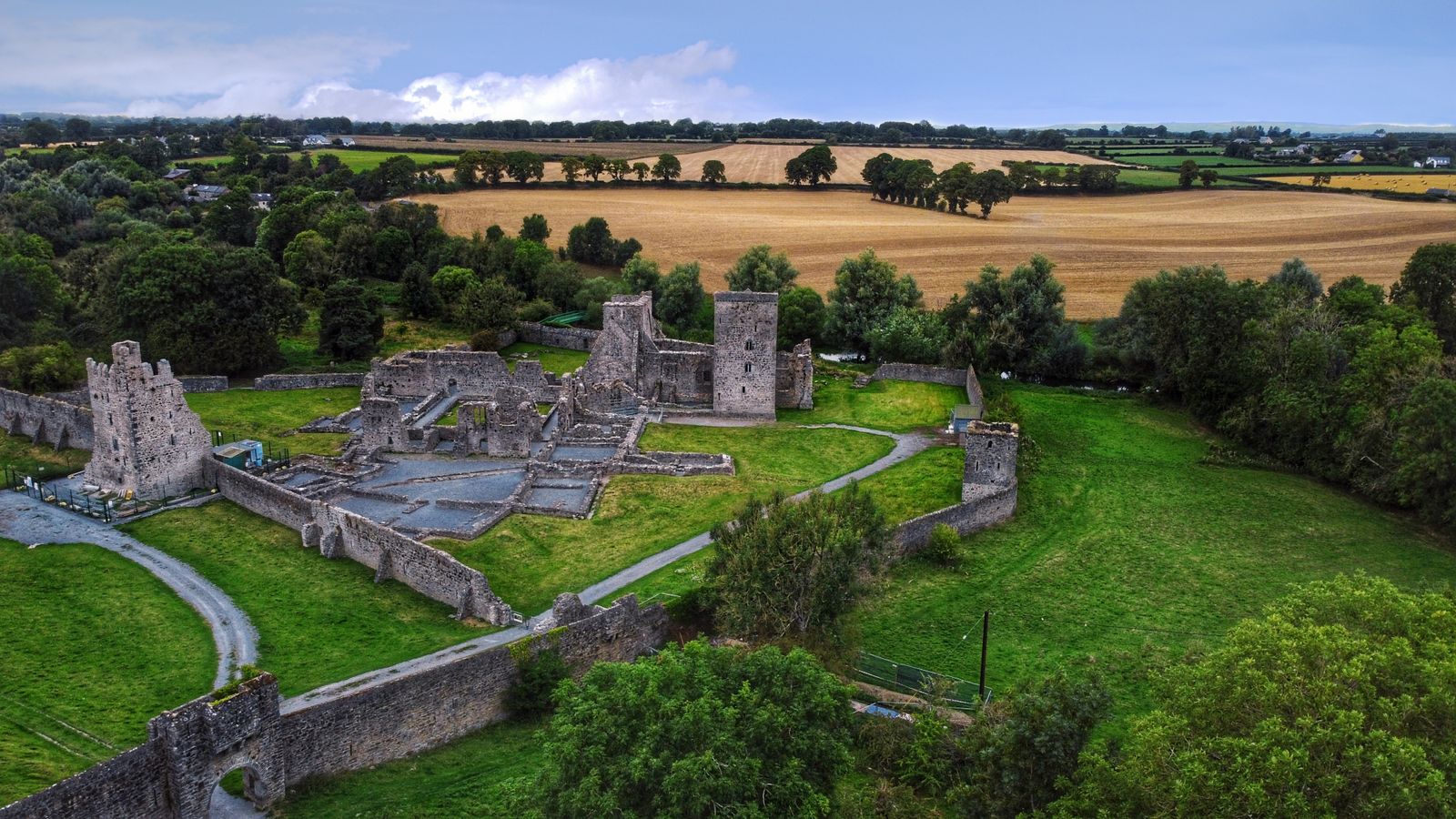
The stretch from the castle to the cathedral is often called the Medieval Mile, and it holds most of the city's old buildings. Rothe House is a merchant's house from the seventeenth century, built around two courtyards, and it now holds a museum and a garden.
The Tholsel on High Street was the old town hall, and the street around it keeps a mix of old fronts and later shopfronts. Shee Alms House and the Grace's Old Castle building are among the other survivors. The lanes off High Street, such as Butter Slip, are narrow and stepped and worth a detour.
Kilkenny is also known for craft work, and there are workshops and studios in the side streets. The city has a long association with theatre and the arts, with a festival each August that fills the streets and venues. Check the festival programme for dates.
Many of the old buildings keep seasonal hours. Confirm times with the Office of Public Works or the individual museum before setting out.
Around the county
The county around Kilkenny is farmland, cut by the Nore and its tributary the Barrow. To the south, the village of Inistioge sits on the river below a wooded hill, with a square and a bridge. The road from there to New Ross follows the valley.
To the east, Graiguenamanagh lies on the Barrow, with a long quay and a former Cistercian abbey, Duiske Abbey, in the middle of the town. The Barrow Way, a towpath walk, runs along the river from here towards the north.
North of the city, Castlecomer is an old coal-mining town with a park on the site of the former mines, and the surrounding woods have marked trails. The county is small enough to cross by car in under an hour, which makes day trips easy.
Choosing a base
Kilkenny city is the obvious base for a first visit. It has the castle, the cathedral and the old streets within walking distance, and a good choice of places to eat and stay. A car is useful for the county but not needed for the city itself.
For a quieter stay, Inistioge and Graiguenamanagh in the south of the county make good bases for walking and river views. Both are small and have limited accommodation, so book ahead in summer.
Thomastown, on the Nore south of the city, is another option, with a bridge, a mill and a handful of streets. It sits on the bus and rail line between Kilkenny and Waterford, which helps if you are travelling without a car.
Bus and rail timetables change. Check Iarnród Éireann and Bus Éireann, or the Transport for Ireland journey planner, before you travel.
Getting there and around
Kilkenny has a railway station on the line between Dublin and Waterford, with trains run by Iarnród Éireann. The journey from Dublin takes about an hour and a half. Buses also run from Dublin and from Waterford, with stops in the city centre.
By road, the M9 motorway runs from Dublin towards Waterford, with a junction for Kilkenny. The city centre has a one-way system and limited parking, so it is easier to park outside the centre and walk in.
Once in the city, walking is the best way to get around. For the county, a car gives the most freedom, though buses link the main towns. Traffic drives on the left, and distances and speeds are in kilometres.