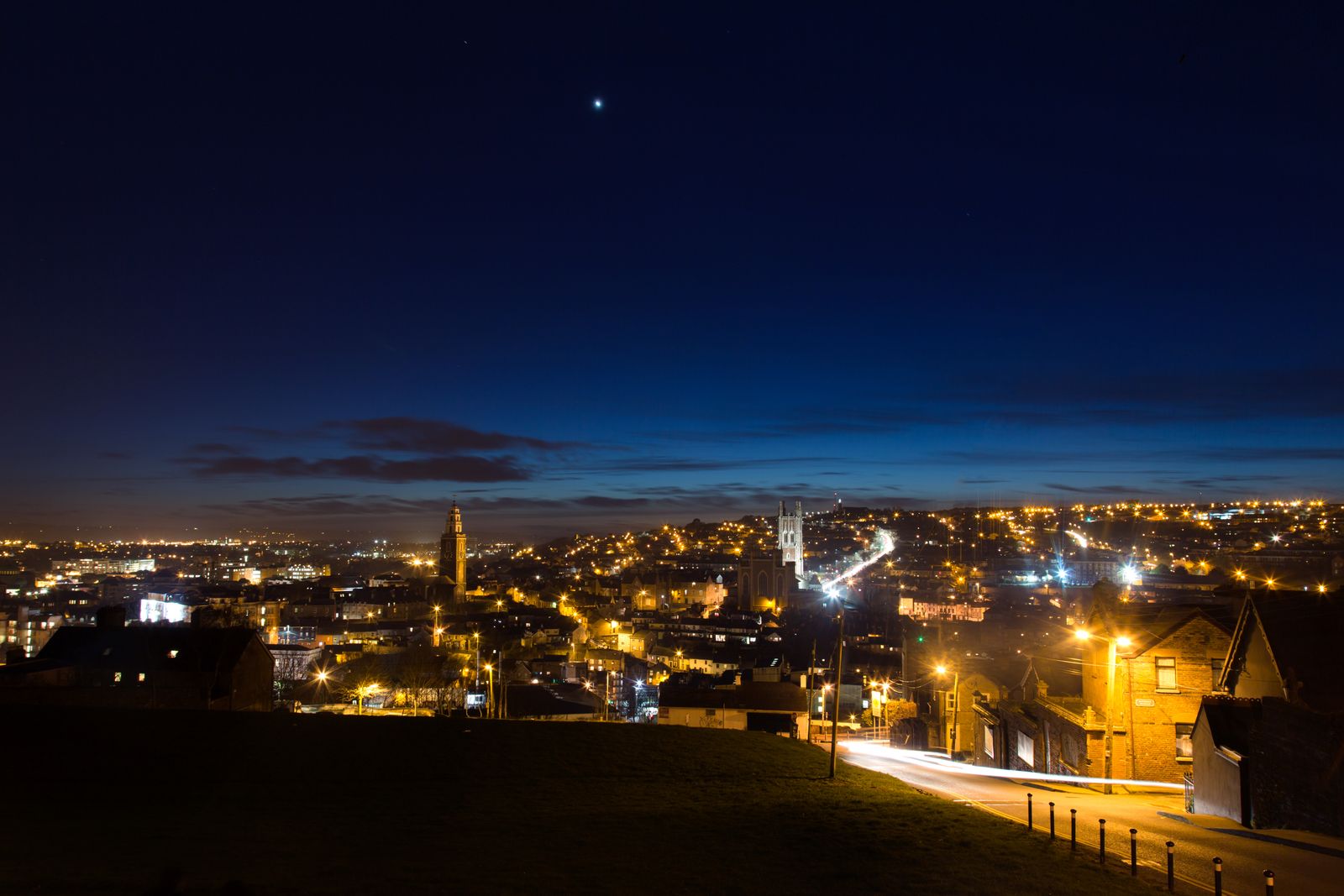
Ireland is not a country of guaranteed clear nights, but where the cloud does break, the west has some of the darkest sky in Europe. Two areas carry international dark sky status, and both are in the west, where the population is thin and the street lighting is sparse.
What dark sky status means
Dark Sky International runs a programme that recognises places where the night sky is protected and light pollution is controlled. There are several categories, from a reserve around a core zone to a park or a sanctuary, and each comes with commitments on outdoor lighting.
The status is not a weather forecast. It says something about how dark the sky is when it is clear, not how often the cloud will part. A dark sky place on a cloudy night shows nothing at all, which is worth remembering before planning a trip around one.
For the visitor, the practical effect is simple. In a designated area, the lighting on streets, car parks and buildings is designed to point down and to use less of it. That makes the sky above noticeably richer than over a nearby town.
The Kerry reserve
The Kerry International Dark Sky Reserve covers a large part of the Iveragh Peninsula, the ring of land that the Ring of Kerry road circles. It holds gold tier status, which is the highest category in the programme and reflects a very dark sky in the core area.
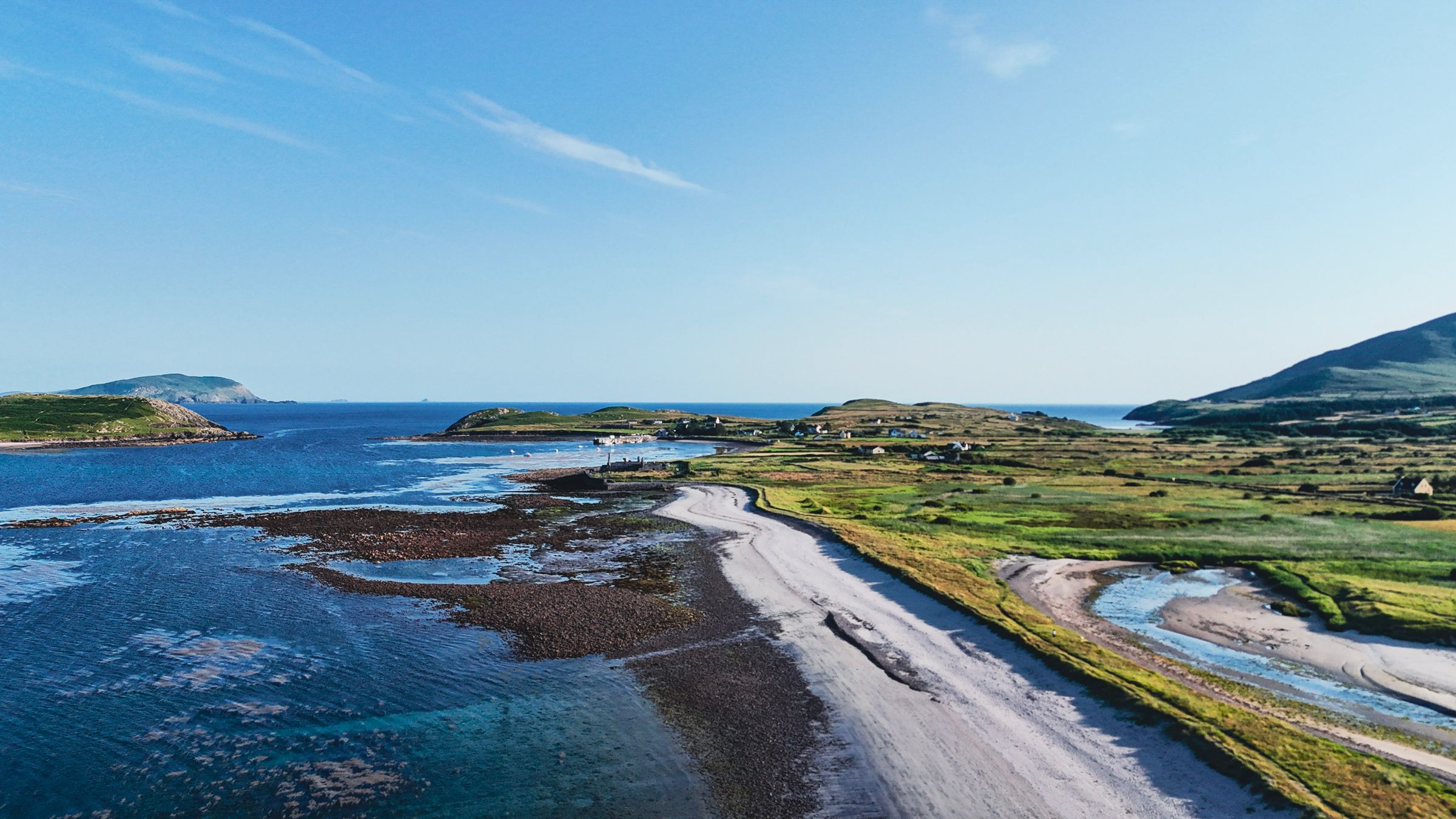
The reserve takes in mountain, bog and coast, with small villages scattered through it. The population is low and there is little industry, so light pollution is limited. The sea to the south and west gives an unbroken horizon in places.
Its size means there is no single viewing point. The dark core lies in the hills and away from the larger settlements, and the further you are from a lit street, the better the sky. The reserve body publishes guidance on where to go and how to behave at night.
Check the reserve's own guidance before travelling, as recommended viewing spots and any organised events change. The reserve body and Fáilte Ireland publish current details.
Mayo's dark sky park
In County Mayo, the Wild Nephin National Park holds dark sky park status. The park covers a large area of blanket bog and mountain in the north west of the county, including the Nephin range and the land around Ballycroy.
It is managed by the National Parks and Wildlife Service, which also runs the visitor facilities. The park is remote, with few roads through it and very little settlement, which is exactly why the sky is dark. The mountains block light from distant towns.
The park is also a place to walk by day, with bog roads and waymarked routes. Anyone planning a night visit should check the NPWS website for access, parking and any seasonal arrangements, as these can change.
The best months
The darkest skies come in the months with the longest nights. From September through to March there is enough darkness for the Milky Way to be visible soon after sunset, and by midwinter it is dark by late afternoon.
Summer is the opposite. Around the June solstice there is light in the sky until late and it returns early, so the window for stargazing is short. Daylight in Dublin runs to about 17 hours then, and the north west has more.
That said, summer nights are mild and comfortable, and the brighter stars and planets are still visible in the small hours. Autumn is often a good compromise: nights lengthen quickly and the weather can settle. Met Éireann publishes outlooks, though cloud is hard to predict far ahead.
Cloud is the deciding factor, not the calendar. Met Éireann forecasts cloud cover, and a short-notice decision is often better than a fixed plan.
What you can see
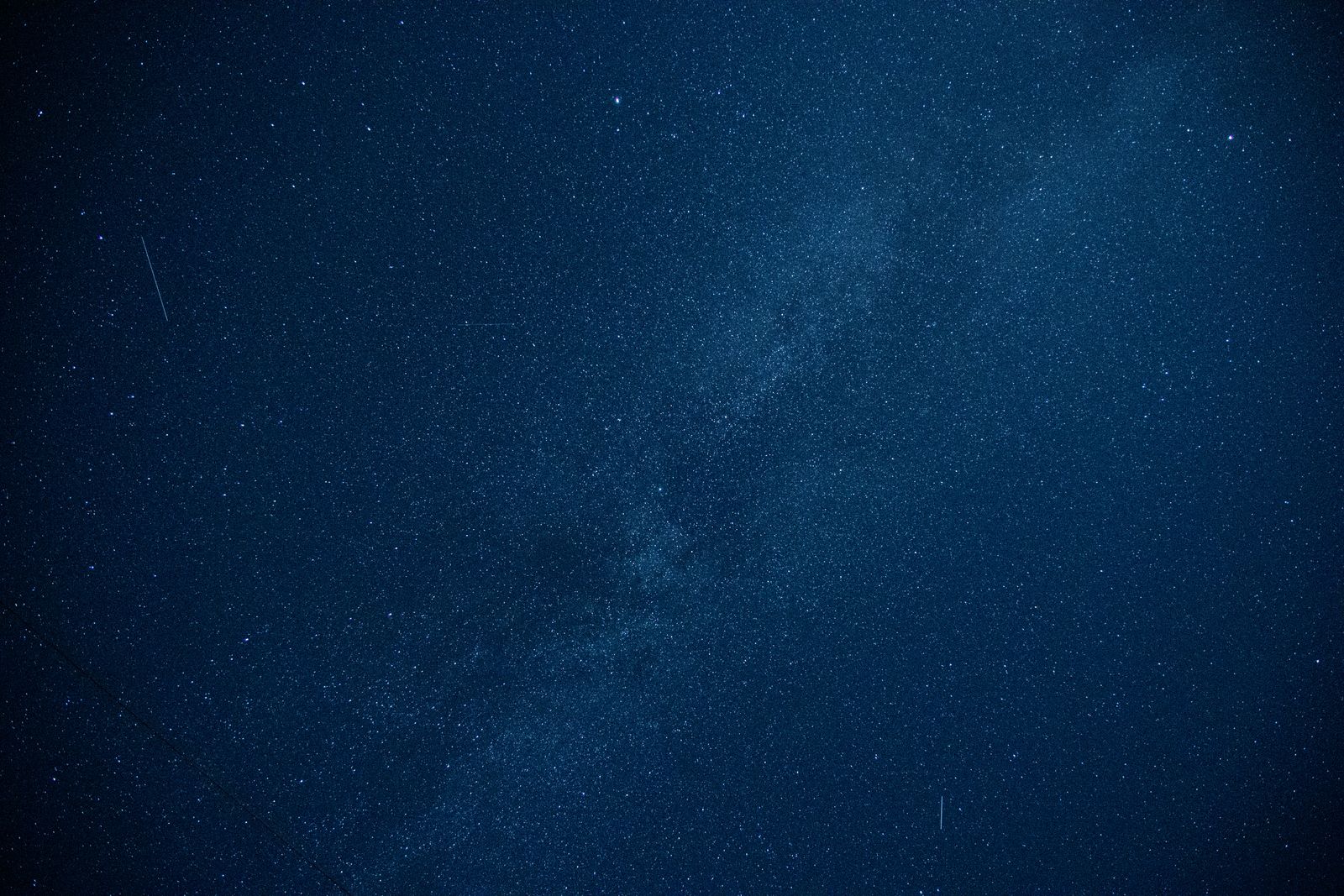
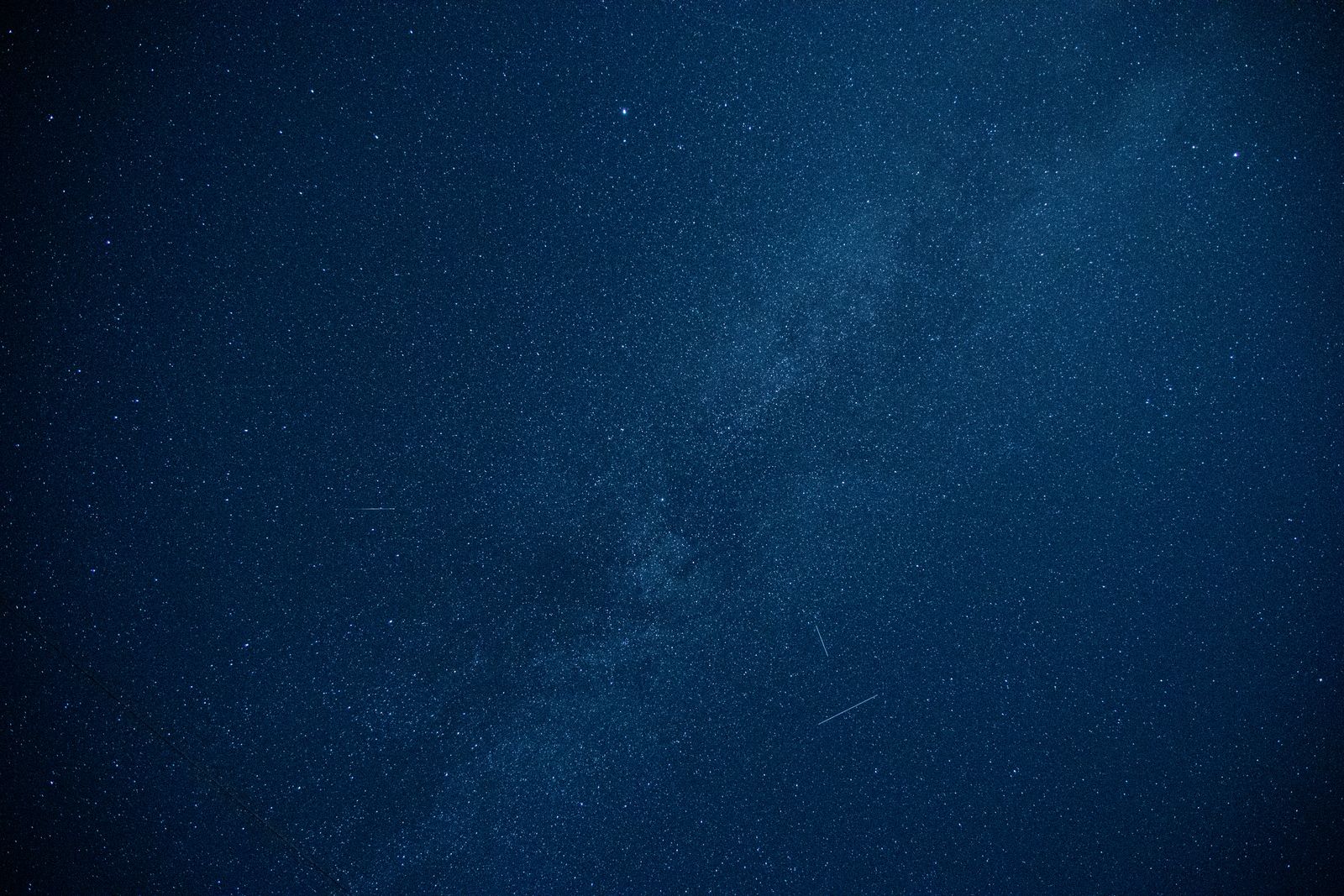
On a clear night away from light, the Milky Way shows as a band across the sky, dense with faint stars. It is not visible from towns and cities, and many visitors see it properly for the first time in a dark sky area.
The constellations are the familiar northern ones: the Plough, Cassiopeia, Orion in winter, and the Summer Triangle in the warmer months. A simple star chart or a phone app is enough to get oriented, and no equipment is needed to start.
Binoculars bring out much more than the naked eye, including star clusters and the brighter galaxies. A telescope is not necessary. The main requirement is patience, a clear night and a place to stand away from any nearby light.
Practical night viewing
Dress for cold and damp, even in summer. Clear nights in Ireland are often the coldest, because cloud acts as a blanket, and the ground in the west stays wet. Waterproof boots and a warm layer make a long session comfortable.
Bring a red-light torch if you have one, as white light ruins night vision for you and for anyone nearby. Give your eyes time to adjust, which takes a while. Do not use a phone screen at full brightness in the middle of a viewing session.
Tell someone where you are going and park considerately on narrow roads. The emergency number is 112 or 999 on both sides of the border. Avoid walking on unlit roads at night without a torch and high-visibility clothing.
For organised stargazing events and current advice, check the dark sky reserve or park body and the relevant tourism authority, as programmes change with the season.
Where to base yourself
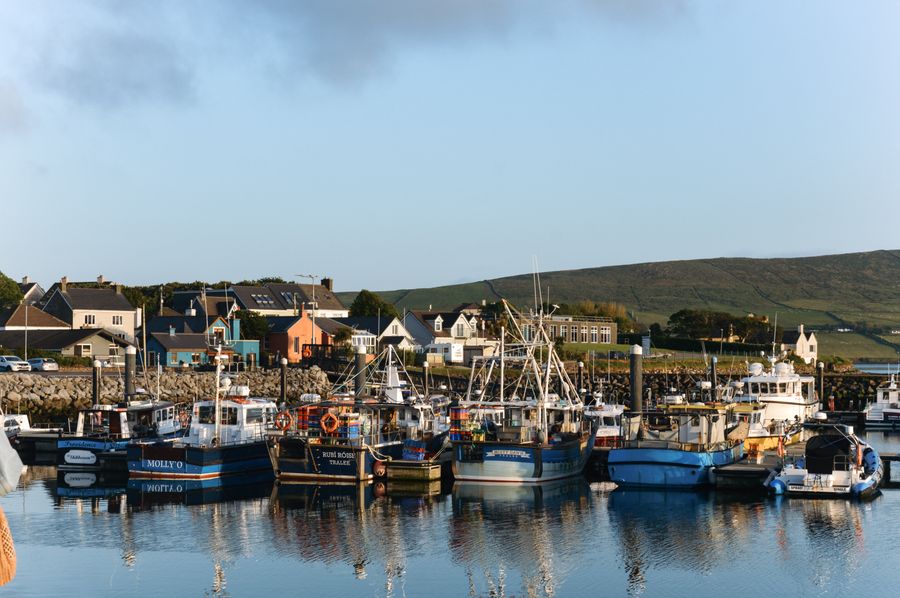
For the Kerry reserve, the natural base is the Dingle Peninsula, which sits just to the north of the Iveragh and has its own dark western end. Dingle town has beds, food and a harbour, and the peninsula's villages give quieter options.
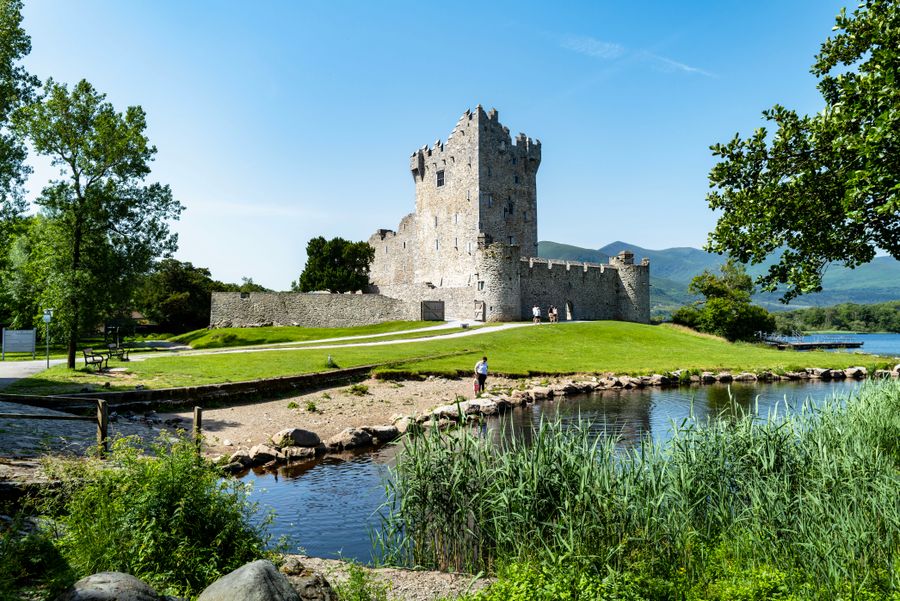
Killarney is the other main base, at the eastern edge of the Iveragh, with good road access around the Ring of Kerry. Cahersiveen and Waterville lie within the reserve itself, which shortens the drive to a dark site after dark.
For Mayo, Westport is the largest town within reach of Wild Nephin, with roads running north to Ballycroy and the park. Smaller places along the coast are closer to the dark core. Wherever you stay, the drive back at night is on rural roads, so allow time.
Keeping it dark
Dark sky status depends on continued control of outdoor lighting, not just on remoteness. The reserve and park bodies work with residents, farms and local authorities on how lights are fitted and aimed.
Visitors can help by keeping torches pointed down, closing curtains and switching off unnecessary lights at night. Car headlights on a quiet lane are the most common disturbance, so dim them when parked or when others are viewing.
The wider point is that dark sky is a form of landscape, like a mountain or a bog. It can be lost quietly through scattered lighting, and once lost it is slow to return. The designations exist to keep it.