Winter brings the deepest low pressure systems across the Atlantic, and the west coast takes the swell first. Watching a storm come in is a genuine reason to visit in the off season. It is also the time when coastal paths, cliffs and piers are most dangerous.
Why winter works
The Atlantic storm track shifts south and strengthens from late autumn into early spring. Low pressure systems cross the ocean and reach the west coast of Ireland with long-period swell behind them, which is what produces the spray and the noise people travel to see.
The same systems bring wind and rain on land, so a storm day is rarely dry. Conditions change quickly, and a bright morning can turn into a squall by afternoon. Met Éireann issues weather warnings by county, and its marine forecasts cover sea state and swell for coastal waters.
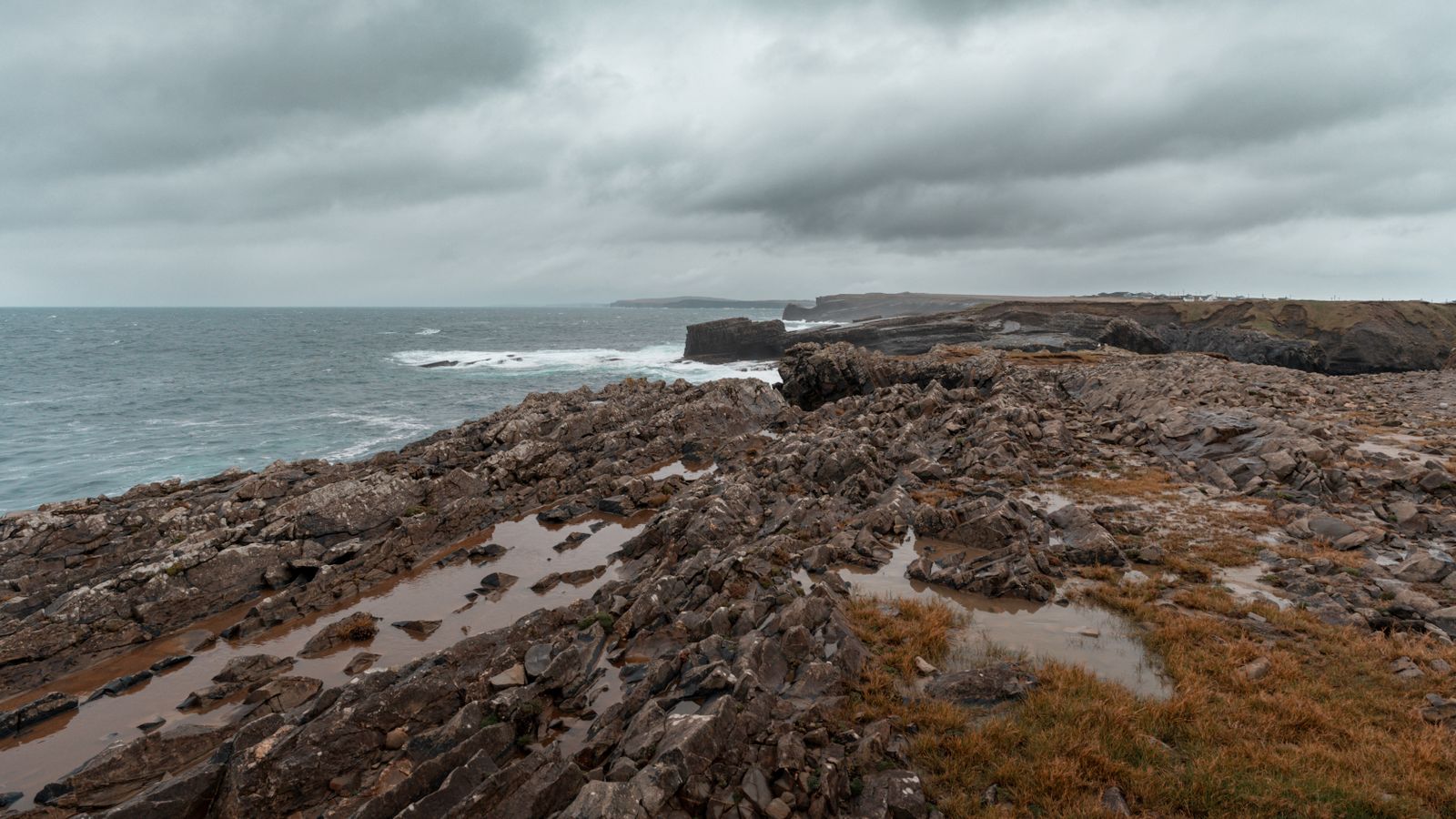
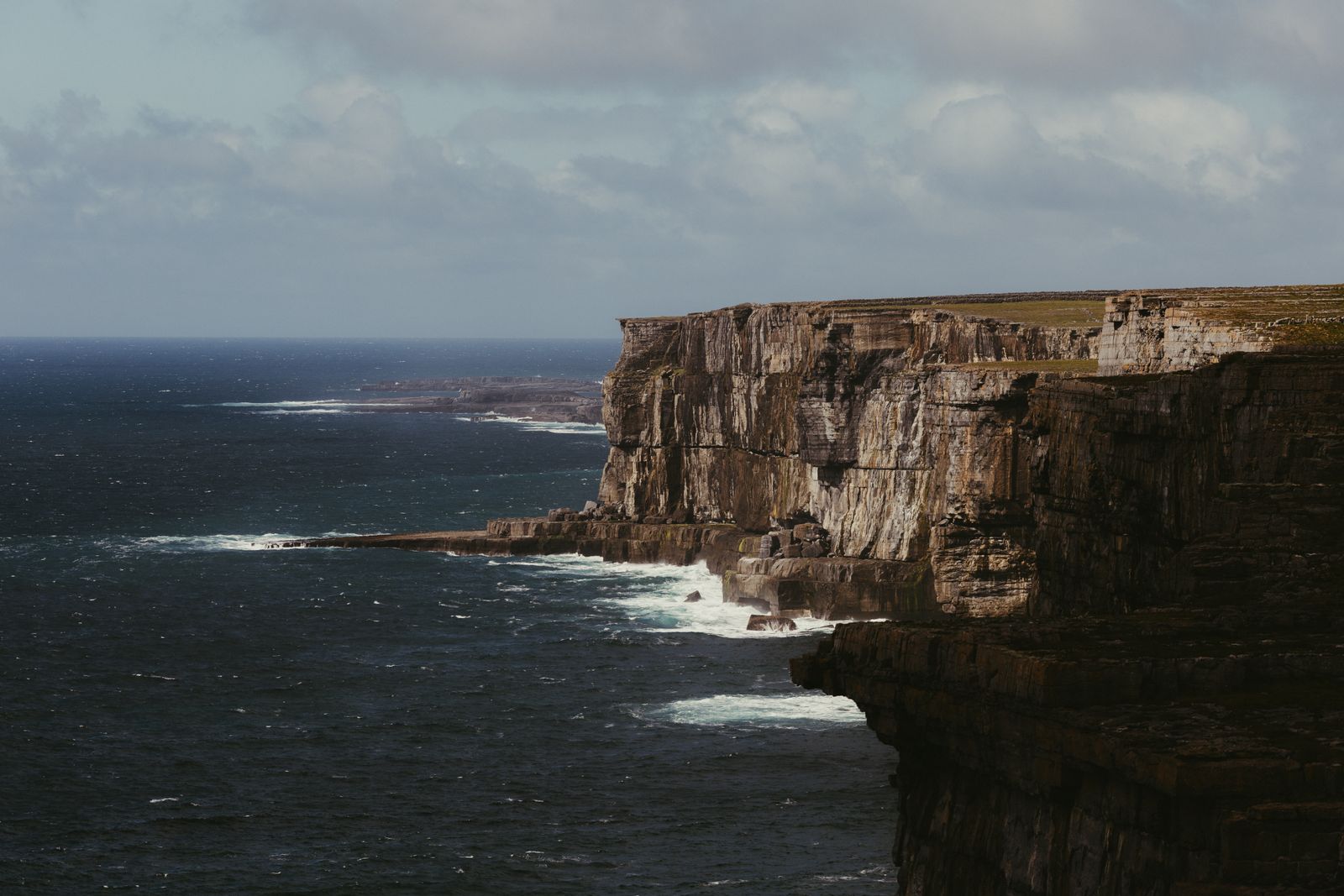
The reward is the coast at its most active: waves breaking against cliffs, spray carried over headlands, and a sea that looks nothing like its summer self. The east coast sees far less of this, because the prevailing winds come from the west and the land takes the energy out of the swell.
Where to watch
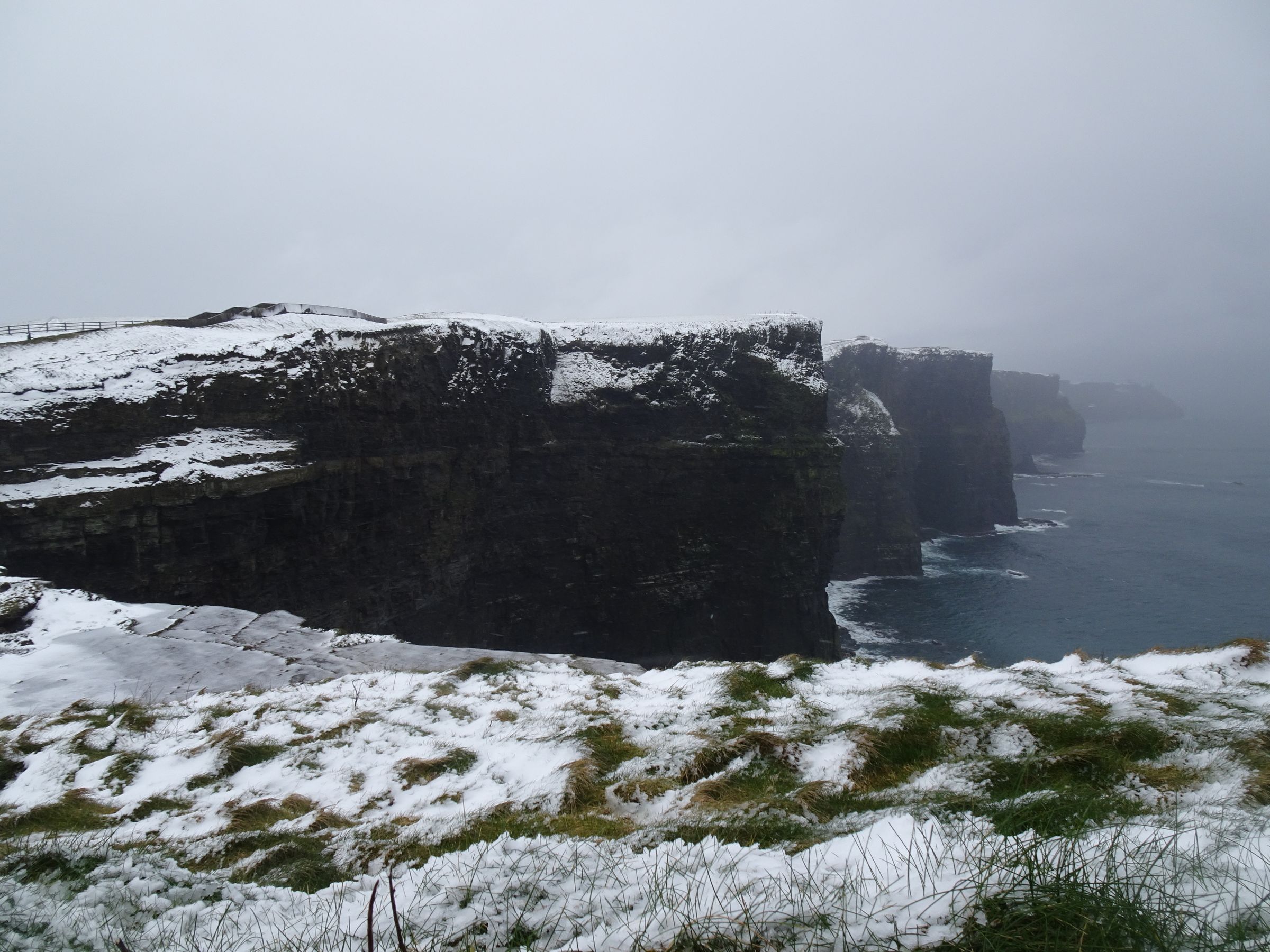
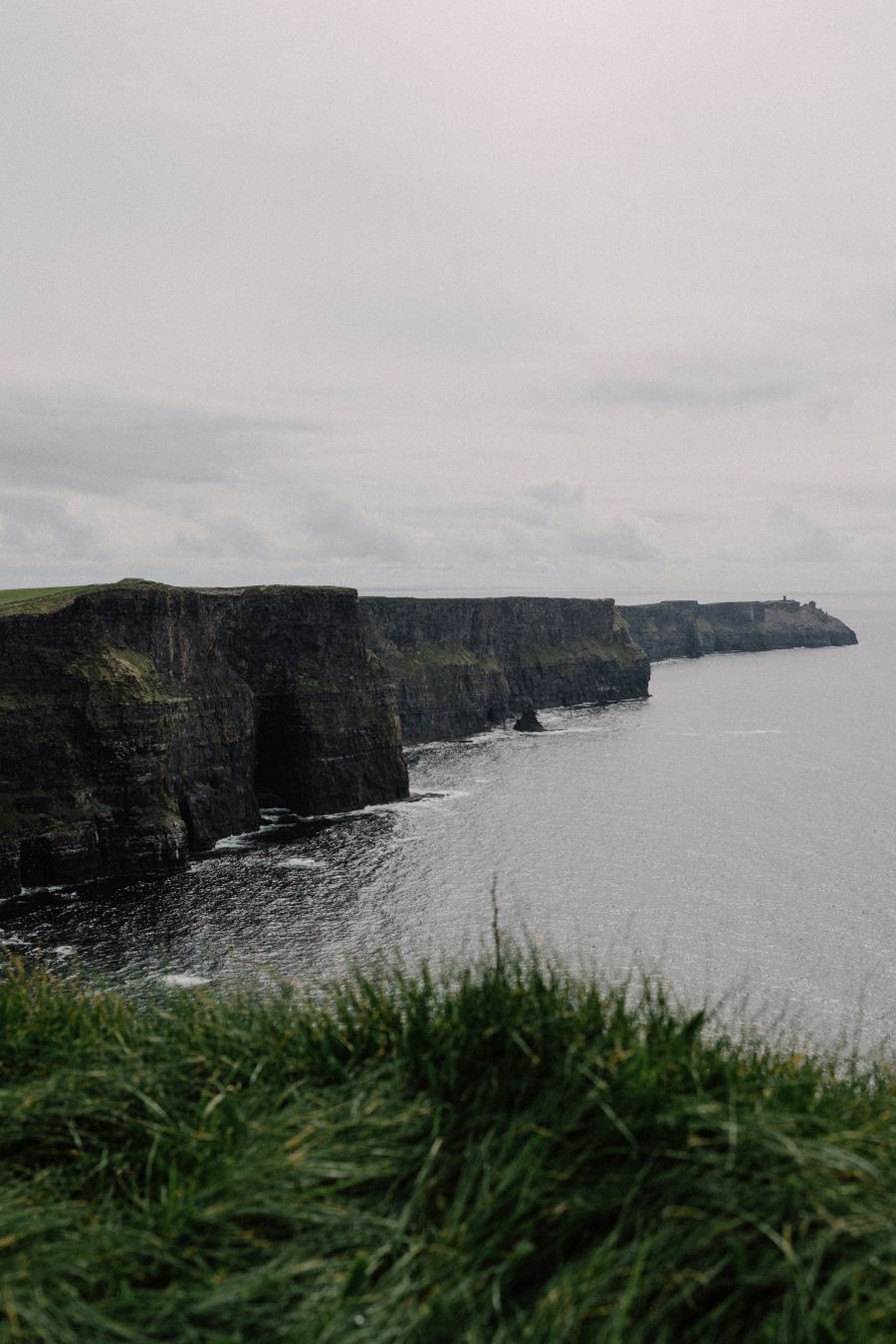
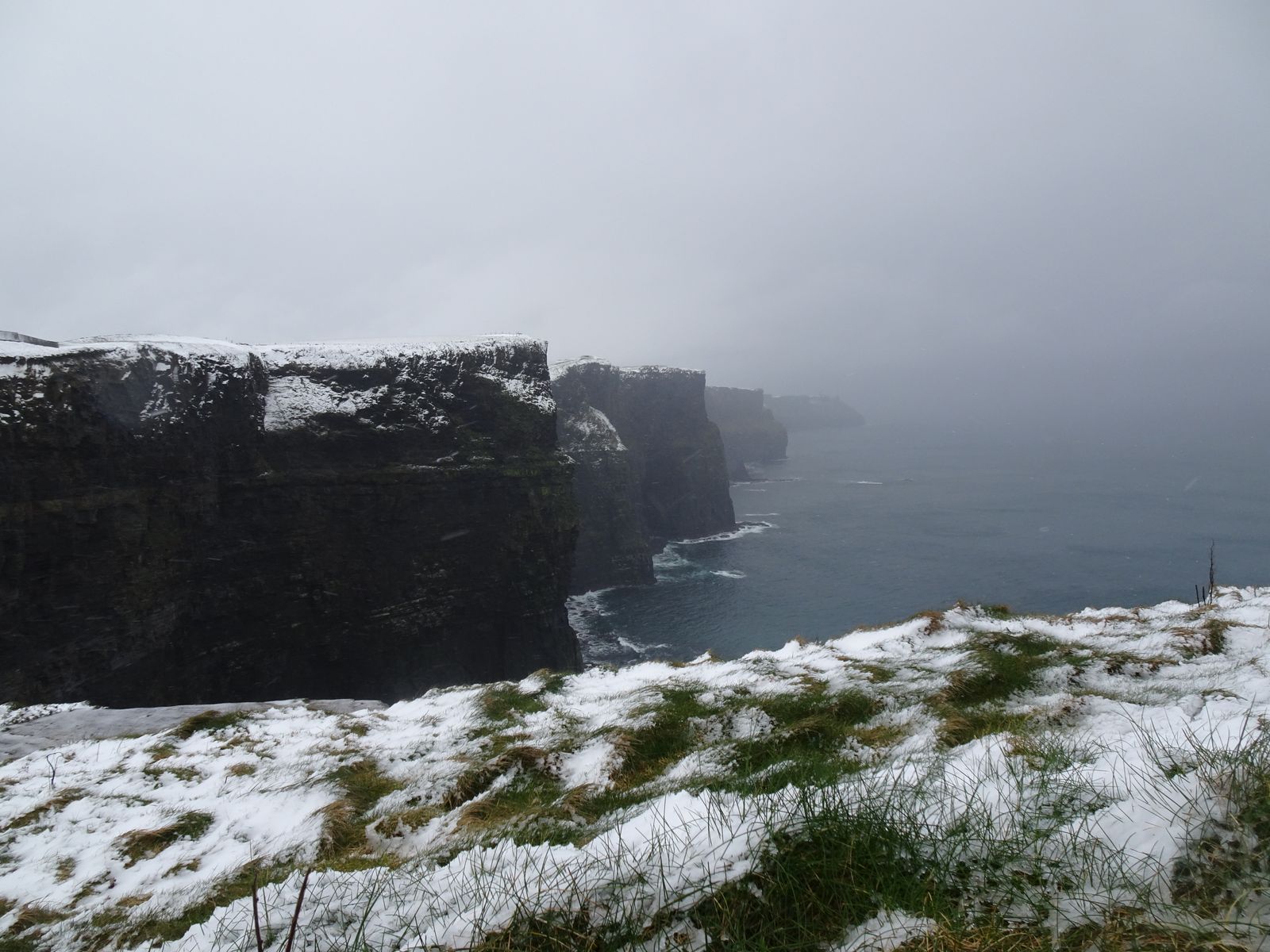
The Cliffs of Moher in County Clare face straight into the Atlantic and are the obvious place to start. Viewing is from the visitor centre side and from the cliff-top paths, and the cliffs are ticketed at the centre, with paths that close in high wind.
Further north, the coast of Donegal around Sliabh Liag and the headlands of west Mayo and Connemara take the same swell. In Northern Ireland, the Causeway Coast in County Antrim has headlands and cliffs that face the open sea, and it is in the UK, so distances are in miles.
The best viewing is from high ground set well back, with a solid wall or fence between the viewer and the drop. Piers, promenades and low rocks are the worst places, because waves run further up than expected and can take people off their feet.
Check Met Éireann warnings and the tide before setting out, and follow any closure notices from the Office of Public Works or the National Parks and Wildlife Service.
Choosing a base
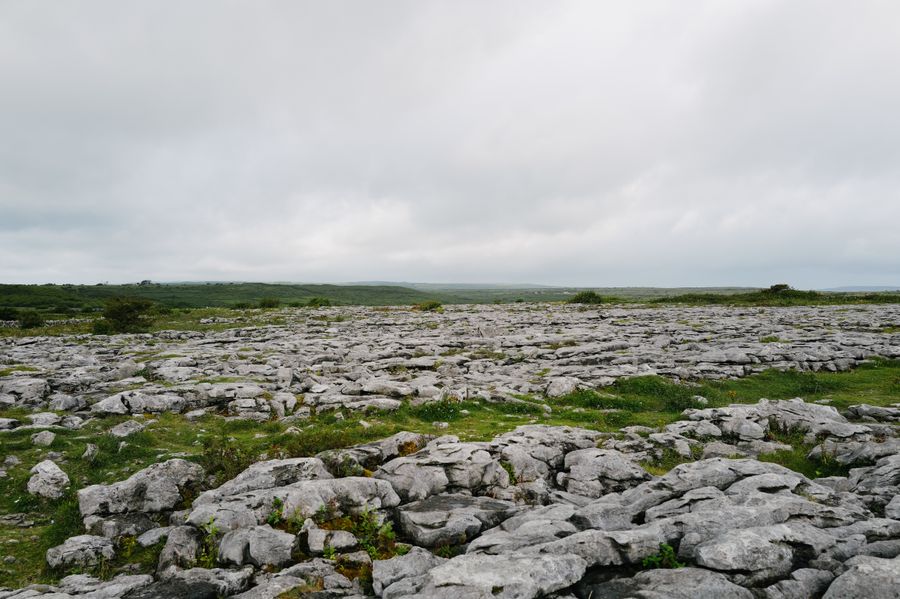
Doolin in County Clare is the closest village to the Cliffs of Moher and a natural base for storm watching on the west coast. It sits on the coast road with the Burren behind it, and the cliffs are a short drive away. Accommodation is limited in winter, so book ahead.
Ennistymon and Lisdoonvarna are inland alternatives a short drive from the coast, with more choice of places to stay and eat through the winter. Galway City is a larger base for the same stretch of coast, with rail and coach connections and a harbour facing the bay.
For the northern half of the west coast, Westport in County Mayo and Sligo town both work as bases, with headlands and beaches within easy reach. In Donegal, Donegal town and Killybegs serve the south of the county, and Letterkenny covers the north.
Staying safe
Waves on an exposed coast carry real force, and the biggest sets arrive without warning at intervals of several minutes. Standing on wet rock, a pier or a low viewing platform puts a person in reach of water that has already crossed the ground once.
Cliff edges undercut by erosion can give way, and grass at the top of a cliff is often overhanging air. Stay on marked paths, keep back from the edge, and keep children and dogs close. Coastal paths managed by the Office of Public Works or the National Parks and Wildlife Service may close in high wind.
If someone is swept into the sea, do not follow. Call 112 or 999 and keep the person in sight. The same number works on both sides of the border. Coast guard and lifeboat services respond to these calls throughout the year.
Getting there in a gale
Driving to a headland in a storm is part of the risk. Crosswinds on exposed roads can move a car, and fallen branches and debris are common after a night of strong wind. Reduce speed, keep both hands on the wheel and allow extra distance.
Traffic drives on the left throughout the island. In the Republic, speeds are in km/h and the currency is the euro. In Northern Ireland, which is part of the United Kingdom, speeds are in mph and the currency is pounds sterling. There are no routine checks on roads crossing the border.
Some minor coastal roads flood at high tide, and car parks near beaches and piers can take water. Check local road conditions and any closure notices before setting out, and be prepared to turn back. A storm is not worth a stranded car on a flooded slipway.
Check road conditions and any coastal closures with the relevant council or with Traffic Watch NI before driving to an exposed headland.
Tide and timing
Tide height matters as much as wind strength. A high spring tide combined with onshore wind and low pressure pushes water further up beaches, piers and promenades than the tide tables alone suggest. The safest viewing is often two to three hours either side of high water, from high ground.
Tide times differ along the coast and change daily. Iarnród Éireann and ferry operators publish any disruption to services, and the Irish Coast Guard and RNLI issue safety advice during storm periods. Timetables and sailings change, so check with the operator.
Daylight is short in winter. In Dublin it runs from about 17 hours around the June solstice to about 7.5 hours in late December, and the west is similar. Plan to be off exposed ground well before dusk, and carry a torch in case a walk takes longer than expected.
After the storm
The day after a winter storm is often calm and clear, and the coast looks different: fresh debris on the strand, foam along the tideline, and a sea still running a heavy swell. It is a good time to walk the shore, with care.
Storm waves move sand and shingle, expose rocks and sometimes uncover wrecks or archaeological material. Anything found on the shore should be left in place and reported to the National Museum of Ireland, which handles archaeological finds in the Republic.
Winter also brings the best of the coast's wildlife. Seals haul out on sheltered rocks, and divers and other seabirds are present in numbers. Keep a distance, keep dogs on a lead, and let the animals rest. BirdWatch Ireland and the RSPB in Northern Ireland publish guidance on watching coastal wildlife.
Practical points
Winter accommodation on the west coast is thinner than in summer, and some places close for the season. Book ahead, and check that a place is open before travelling to a small village. Doolin, Ennistymon, Westport and Sligo all have places open through the year.
Public transport to the coast is limited in winter. Iarnród Éireann runs rail services to Galway, Westport and Sligo, and Bus Éireann and TFI Local Link cover rural routes, but timetables change and some services are reduced out of season. Transport for Ireland has a journey planner.
Plugs are the three-pin type G on both sides of the border. The emergency number is 112 or 999 throughout the island. Entry rules depend on the passport: check the Irish Immigration Service for the Republic and gov.uk for Northern Ireland before travelling.