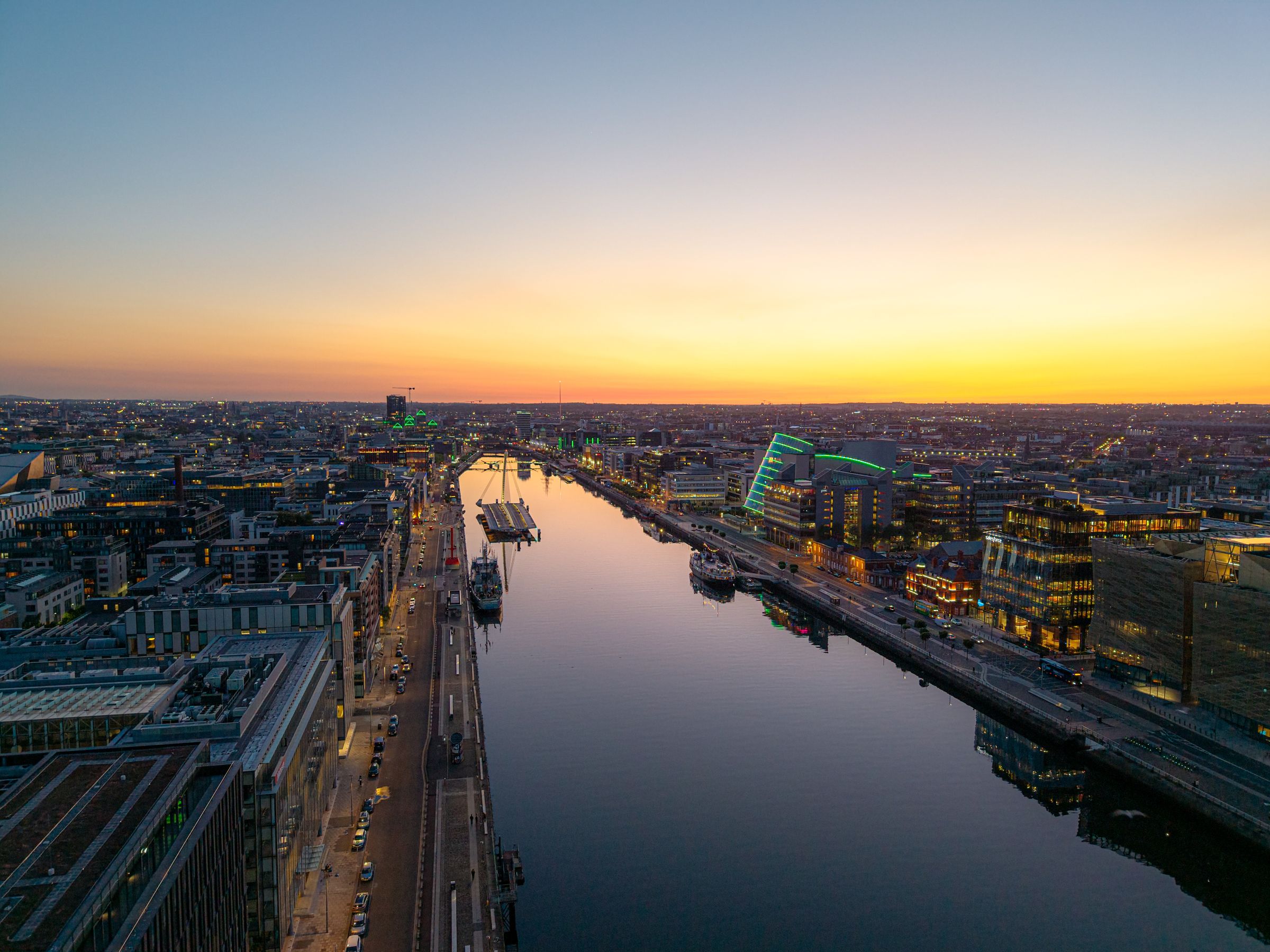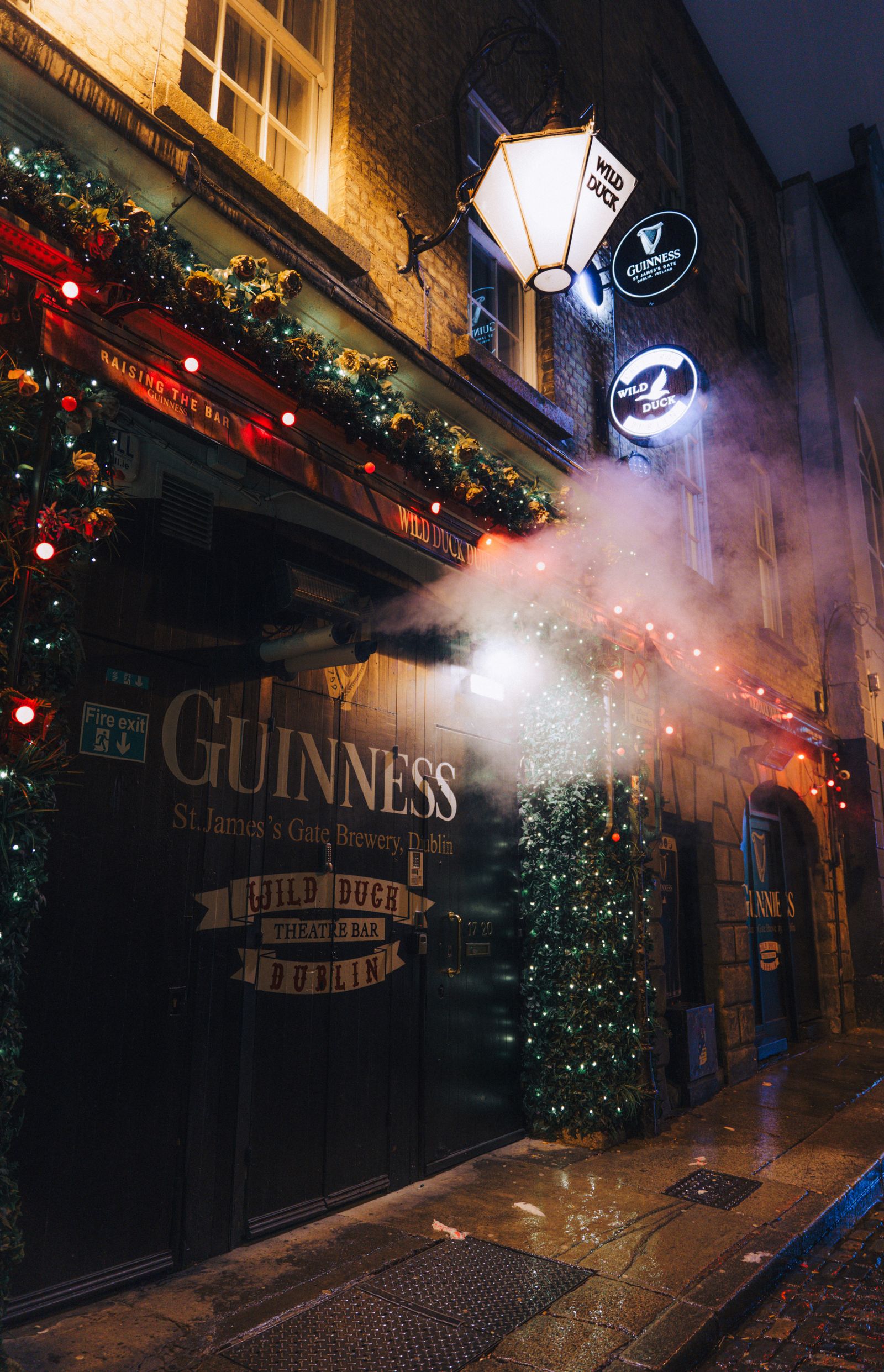
Dublin in winter is a city of early dusk and long evenings. Daylight runs to about seven and a half hours around the December solstice, so a weekend works best with indoor plans for the afternoon and a walk saved for the middle of the day.
Working with the light
The practical fact of a Dublin winter weekend is the daylight. Around the December solstice there are roughly seven and a half hours between sunrise and sunset, and the sun stays low, so streets in the shadow of tall buildings can feel dim for much of the day. Plan outdoor walking for the middle of the day, when the light is at its best, and keep the early afternoon for indoor stops.
Weather is mild but changeable. Frost is possible but rarely severe near the coast, and rain can arrive on any day of the year. Met Éireann publishes the forecast and any weather warnings, and it is worth checking on the morning of a trip before deciding between a walk and a museum.
The upside of the short day is the long evening. Dublin's pubs, theatres and music venues come into their own after dark, and a trad session in the early evening fits naturally with a day that ends at half past four. The city is compact enough to walk between most of the central sights, with the Luas trams and Dublin Bus filling the gaps.
Check the Met Éireann forecast and any warnings on the morning of a winter visit, then plan the outdoor part of the day around the middle hours.
Museums open all year
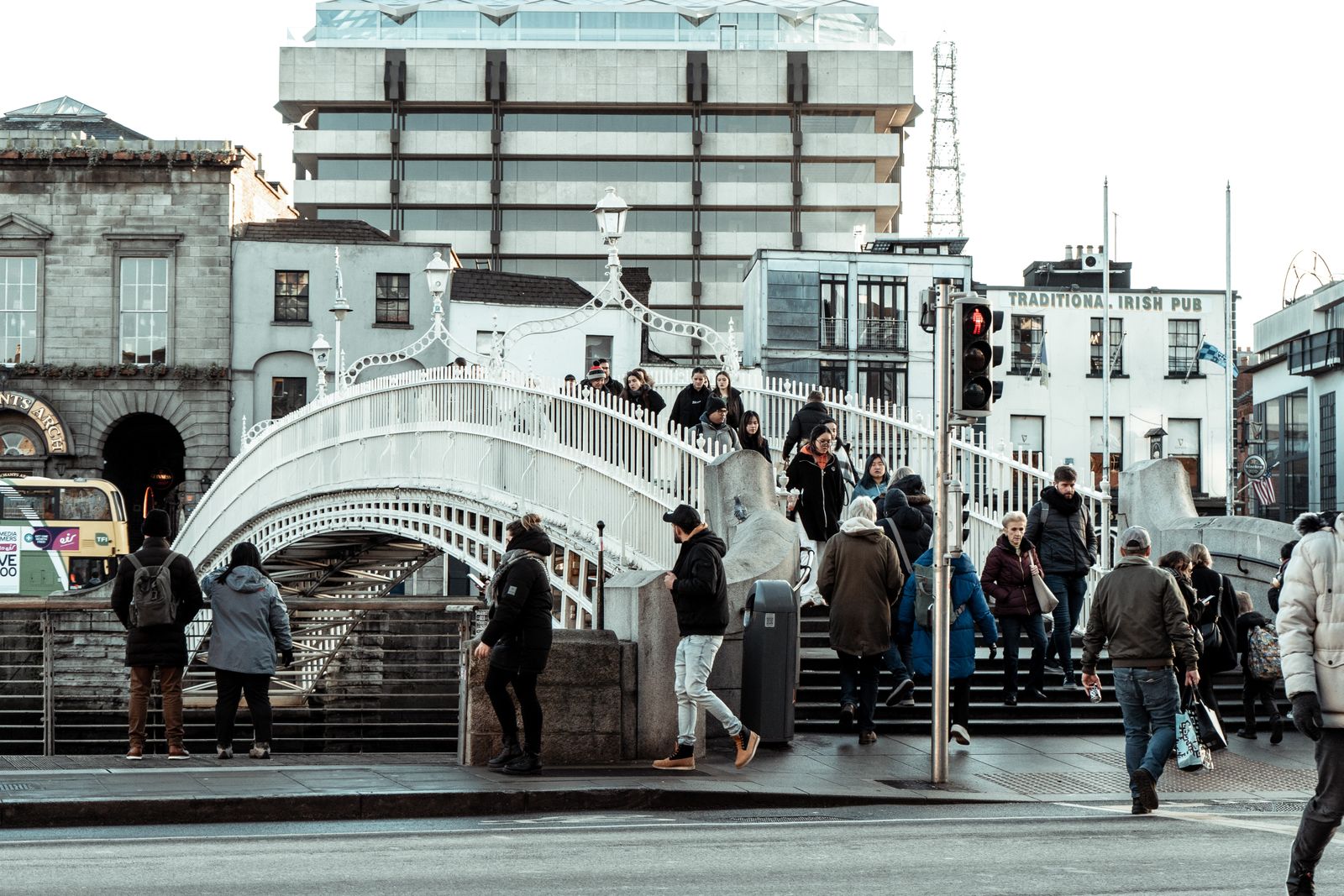
Dublin's main museums stay open through the winter, which makes them the backbone of a cold or wet weekend. The National Museum of Ireland has sites on Kildare Street and at Collins Barracks, covering archaeology, decorative arts and military history. The National Gallery of Ireland sits beside Merrion Square, and the Hugh Lane Gallery is on Parnell Square to the north.
Many of these are free to enter, though temporary exhibitions may be ticketed, and opening hours can change around public holidays. The Office of Public Works looks after several historic sites in and around the city, including Kilmainham Gaol, where entry is by timed ticket and booking ahead is sensible in any season.
Allow for the fact that some smaller venues close on Mondays or over the Christmas period. Checking the official website of each museum before travelling avoids a wasted walk, and the same applies to the cathedrals and the two university campuses, Trinity College Dublin and University College Dublin, which have their own visitor arrangements.
Opening days vary and some sites close over the Christmas period. Check each museum's own website, or the Office of Public Works for heritage sites, before setting out.
Short walks and squares
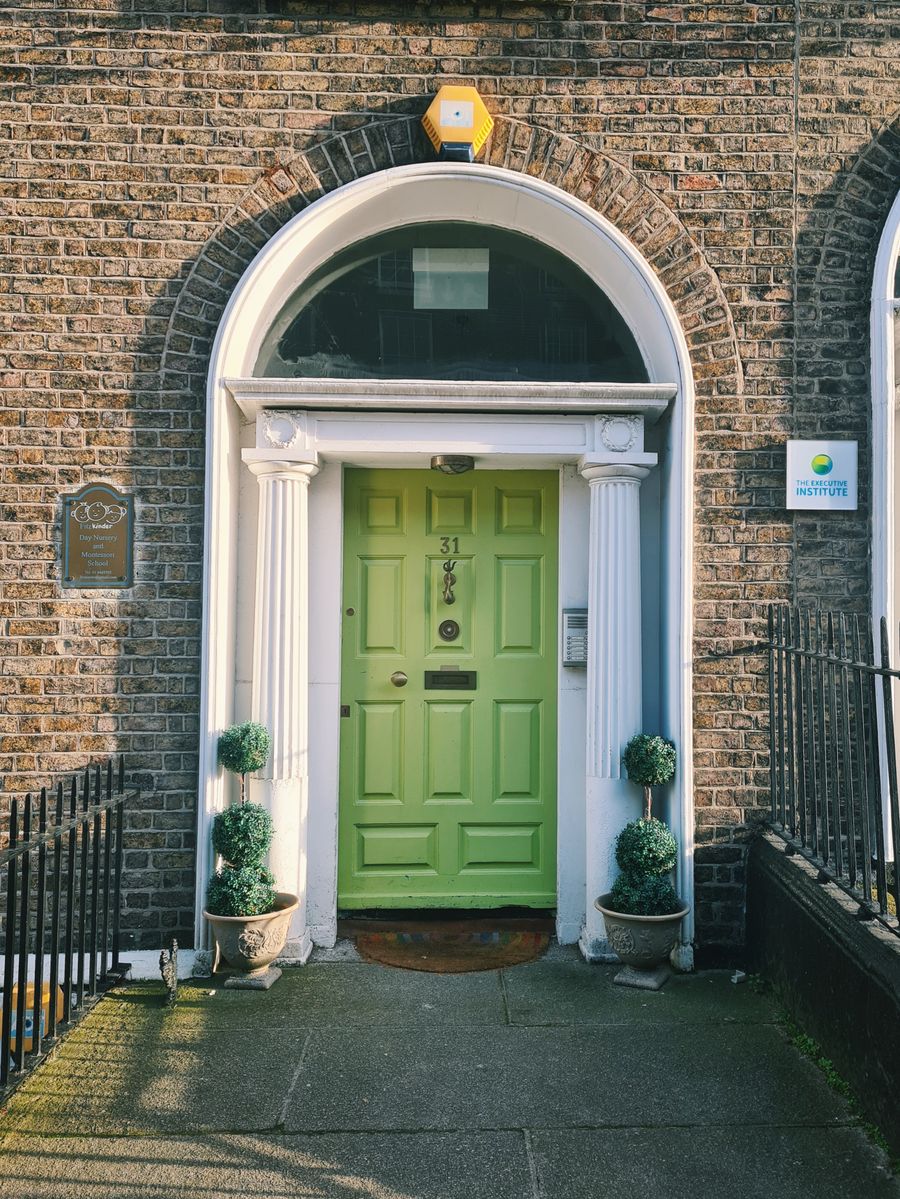
When the weather allows, the centre has plenty of walking that fits inside a short day. St Stephen's Green and Merrion Square are both close to the museums, and the Georgian streets around them reward a slow look at the doorways and fanlights. A short walk along the Grand Canal or the Royal Canal gives a quieter view of the city away from the main shopping streets.
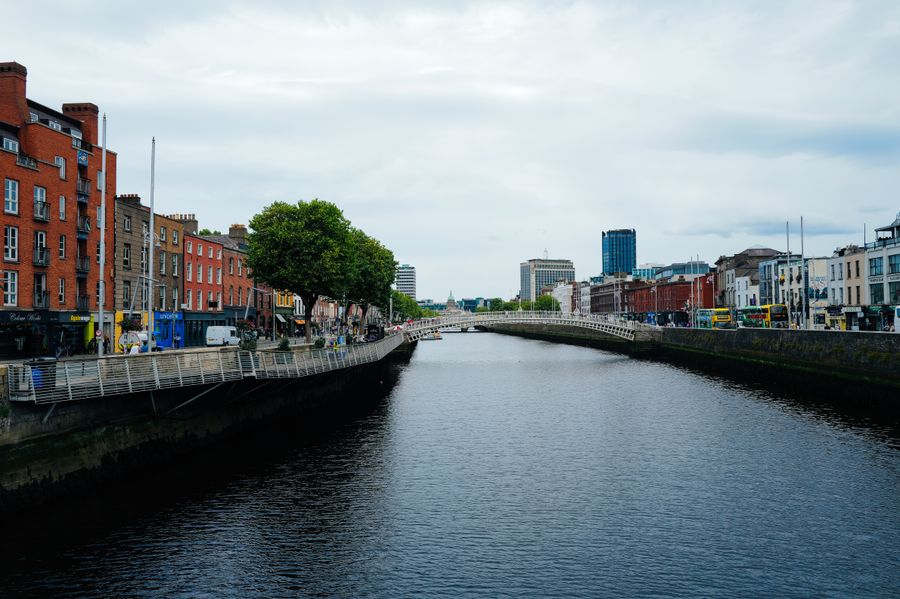
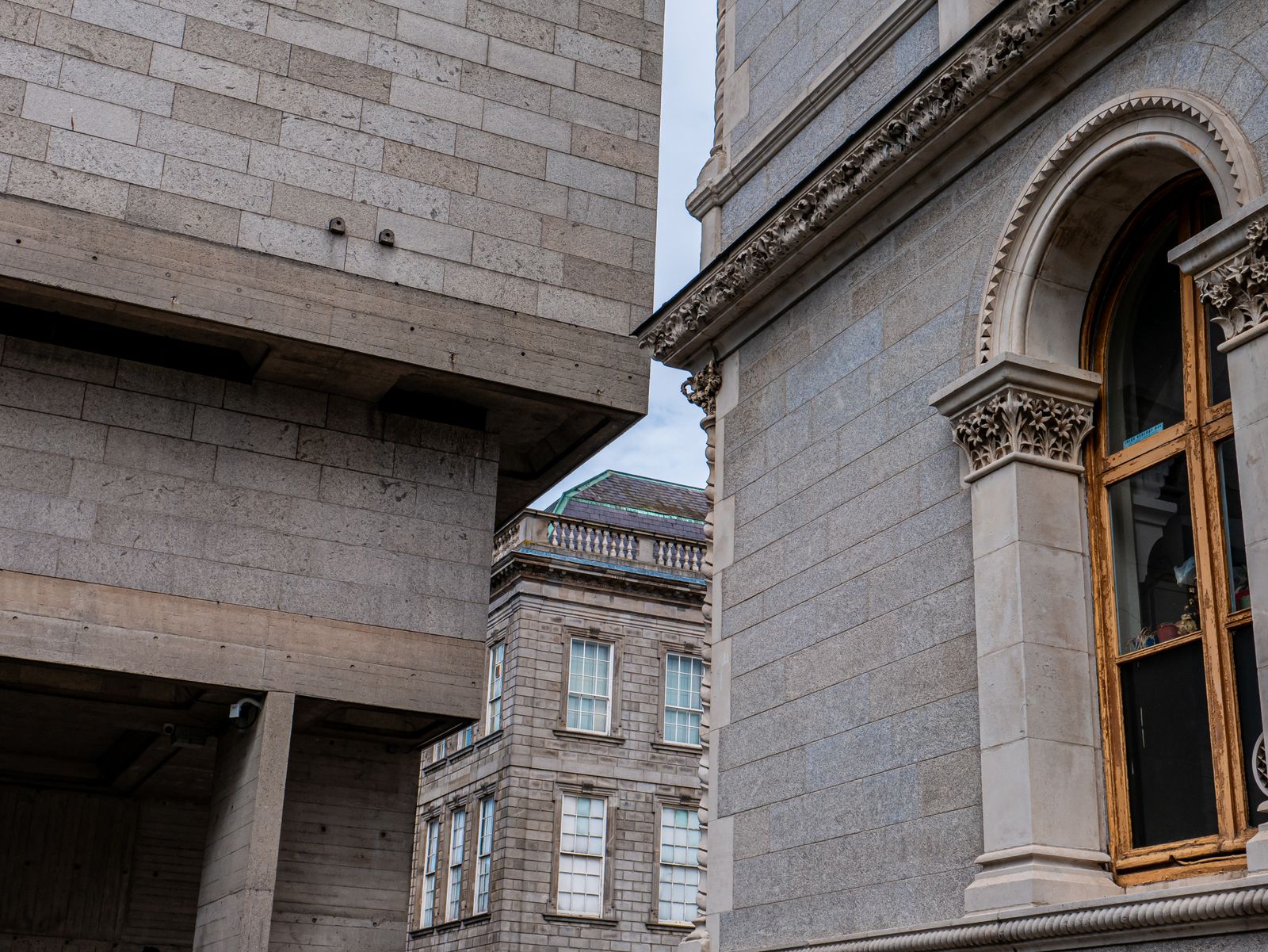
The River Liffey runs through the middle, crossed by the Ha'penny Bridge and by O'Connell Bridge, and a walk along the quays takes in both. Trinity College Dublin sits just south of the river, and its grounds are open to walk through, though the Book of Kells exhibition is ticketed and best booked ahead.
For a longer outing, the coastal villages north and south of the city are reachable by DART train. Howth has a cliff path that suits a clear winter morning, and the views across Dublin Bay are best in the low sun. Check Iarnród Éireann for DART times, which change seasonally.
DART timetables change with the season. Check Iarnród Éireann before planning a coastal walk, and go early to make the most of the daylight.
Evenings and trad sessions
Winter evenings are what many people come to Dublin for. The city has a long tradition of live traditional music, and sessions run in pubs across the centre and in the older neighbourhoods. A session is usually informal: musicians gather and play, and listeners are welcome, though it is worth checking whether a venue charges at the door.
Theatre and comedy also fill the darker hours, with venues around the city centre. Booking ahead is wise at weekends and around the Christmas season, when demand is highest. Many pubs serve food through the afternoon and evening, and a warm room with music is a sensible way to end a short day.
For anyone new to the format, a session is not a concert. Musicians may come and go, tunes are often played in sets, and the atmosphere is closer to a room of people playing together than a staged performance. Arriving early in the evening usually means a seat and a better chance of hearing the music clearly.
Sessions and theatre bookings vary by venue and season. Check the venue's own listing or the relevant official tourism site before relying on a particular night.
Where to base yourself
Most winter weekends work best with a base in Dublin city centre, within walking distance of the museums, the river and the main transport stops. The streets around Grafton Street, Merrion Square and Parnell Square put most of the indoor sights within a short walk, which matters when the daylight is short and the weather uncertain.
Travelling in from outside the city is also practical. Coastal towns to the north and south are connected by DART trains, and commuter towns in County Dublin and County Wicklow have rail and bus links into the centre. Staying outside the city can suit a quieter weekend, provided the transport times are checked in advance.
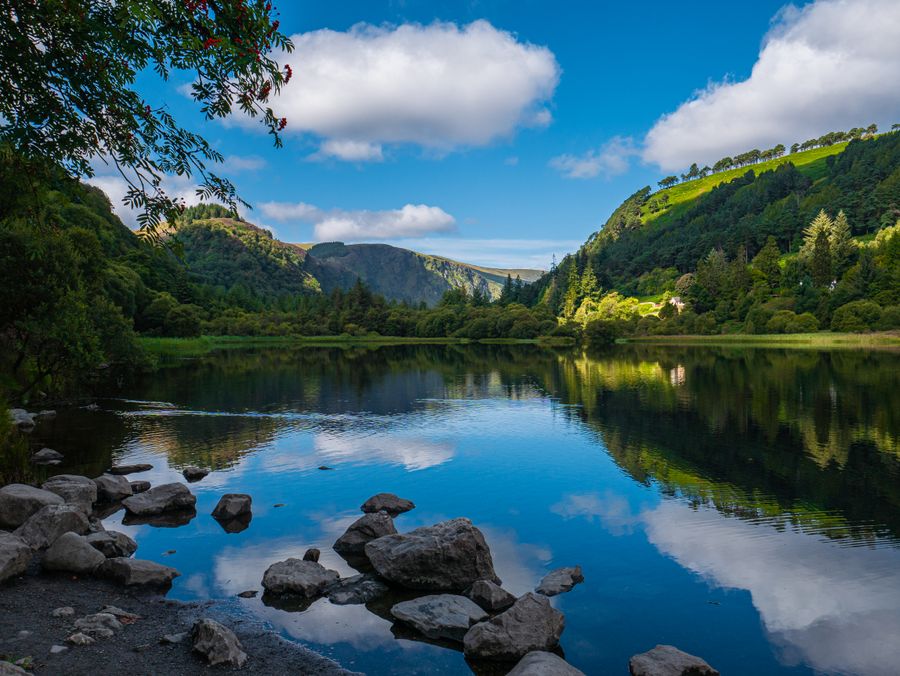
Further afield, Kilkenny and Waterford are reachable by rail and make a contrast to the capital, while the Wicklow Mountains are close enough for a day trip when the weather is clear. Transport for Ireland has a journey planner covering Dublin Bus, Luas, DART and the wider rail and coach network, and timetables change, so check before booking.
Timetables change and winter services can be reduced. Use the Transport for Ireland journey planner and check Iarnród Éireann or Dublin Bus for the days you plan to travel.
Eating and drinking
Dublin has a wide spread of places to eat, from casual lunches to longer evening meals. In winter, a warm lunch in the middle of the day suits the light, leaving the afternoon free for a museum or a walk. The area around Grafton Street and the streets south of the river has plenty of choice, and the north side around Parnell Square and Capel Street has its own cluster.
Pubs serve food through much of the day, and many keep a fire or a warm room through the winter. The trad session tradition is closely tied to the pub, so an evening meal and music can often be combined. It is worth checking whether a venue takes bookings at weekends, particularly in December.
Markets and food halls are another option, though opening days vary and some reduce their hours in winter. Checking ahead avoids a wasted trip. For anyone staying outside the centre, the suburban villages along the DART line have their own restaurants and pubs, often quieter than the city centre at weekends.
Practical winter notes
Pack for rain and for cold rather than for snow. A waterproof outer layer and warm layers underneath cover most winter days, and comfortable shoes matter on wet pavements. Daylight is short, so a small torch or a phone light is useful for unlit paths in the late afternoon, particularly on coastal walks.
The emergency number is 112 or 999, and plugs are the three-pin type G. The Republic of Ireland uses the euro, with distances in kilometres and speeds in km/h. Ireland is not in the Schengen area, so entry rules depend on the passport held; check the Irish Immigration Service before travelling.
Traffic drives on the left. If arriving by air, Dublin Airport is the main gateway, with bus and coach links into the city centre. Around the Christmas period, some services run reduced timetables and many venues close for a day or two, so checking official sources before travelling is worthwhile.