St Patrick's Day falls on 17 March and is a public holiday in the Republic and a bank holiday in Northern Ireland. Dublin holds the biggest programme, but towns across the island run their own parades, and many visitors base themselves outside the capital.
Who Patrick was
Patrick was a Romano-British Christian who, according to his own writings, was taken to Ireland as a captive in his youth and later returned as a missionary. He worked mainly in the north and east of the island. The traditional date of his death is 17 March.
Two short Latin texts are accepted as his: the Confessio, an account of his life and mission, and the Epistola, a letter to a British chieftain. Both are held in Irish collections and are widely translated. Nothing in them mentions snakes or shamrock.
The shamrock and the snake story belong to later tradition, recorded centuries after his death. The three-leafed plant was used as a teaching illustration of the Trinity. The story that he drove snakes from Ireland reflects the absence of native snakes, which is a fact of the island's natural history rather than the saint's doing.
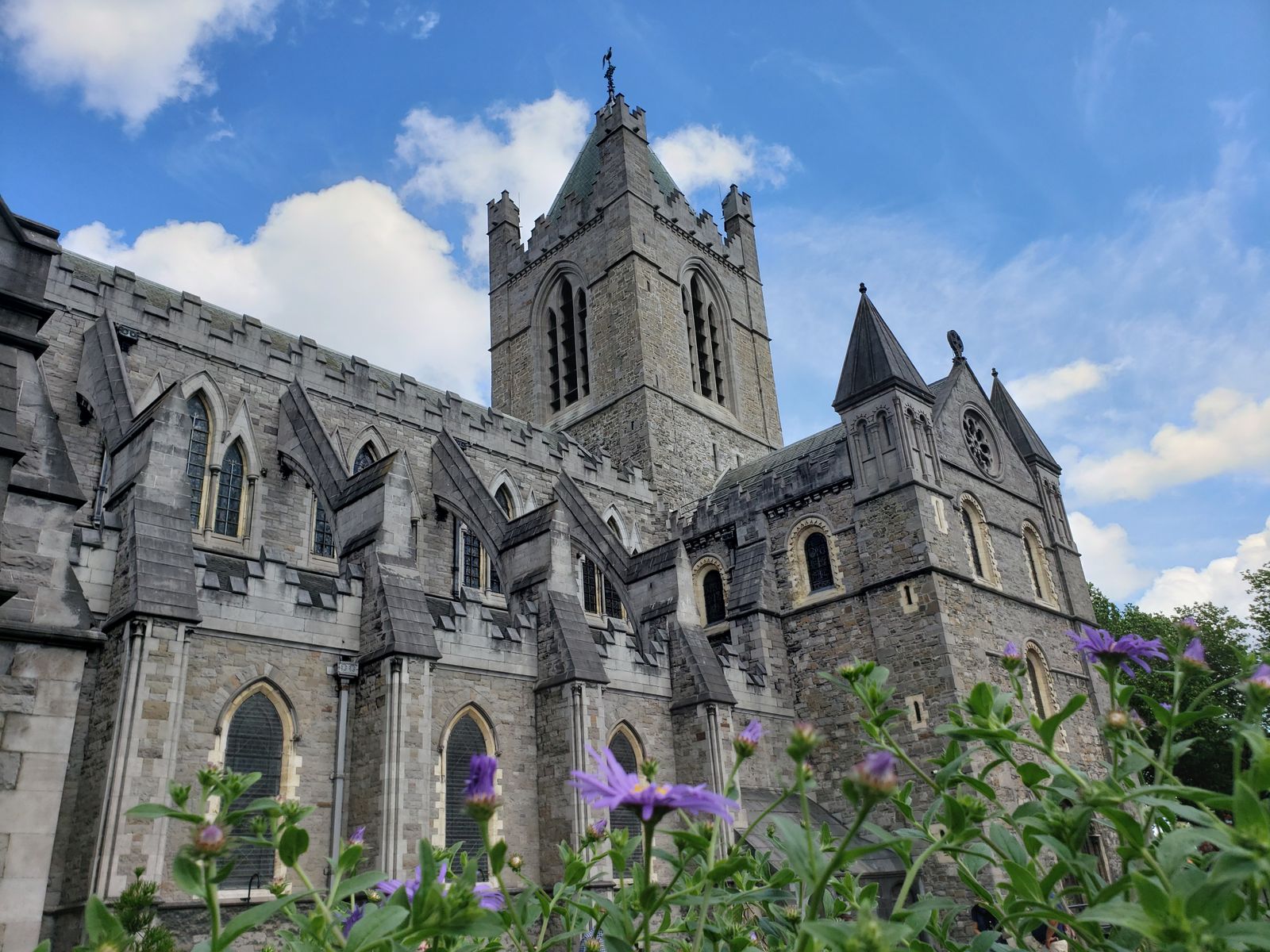
Dublin on the day
Dublin's parade is organised by the city council with Fáilte Ireland support, and takes a route through the north inner city before finishing near the city centre. It starts in the afternoon. Streets along the route close for several hours, and public transport runs to a holiday timetable.
The festival around the day runs over several days rather than one, with events at museums, theatres and public buildings, a céilí and a programme for children. Many of these are free to attend, though some venues are ticketed. The full programme is published by the organisers in advance.
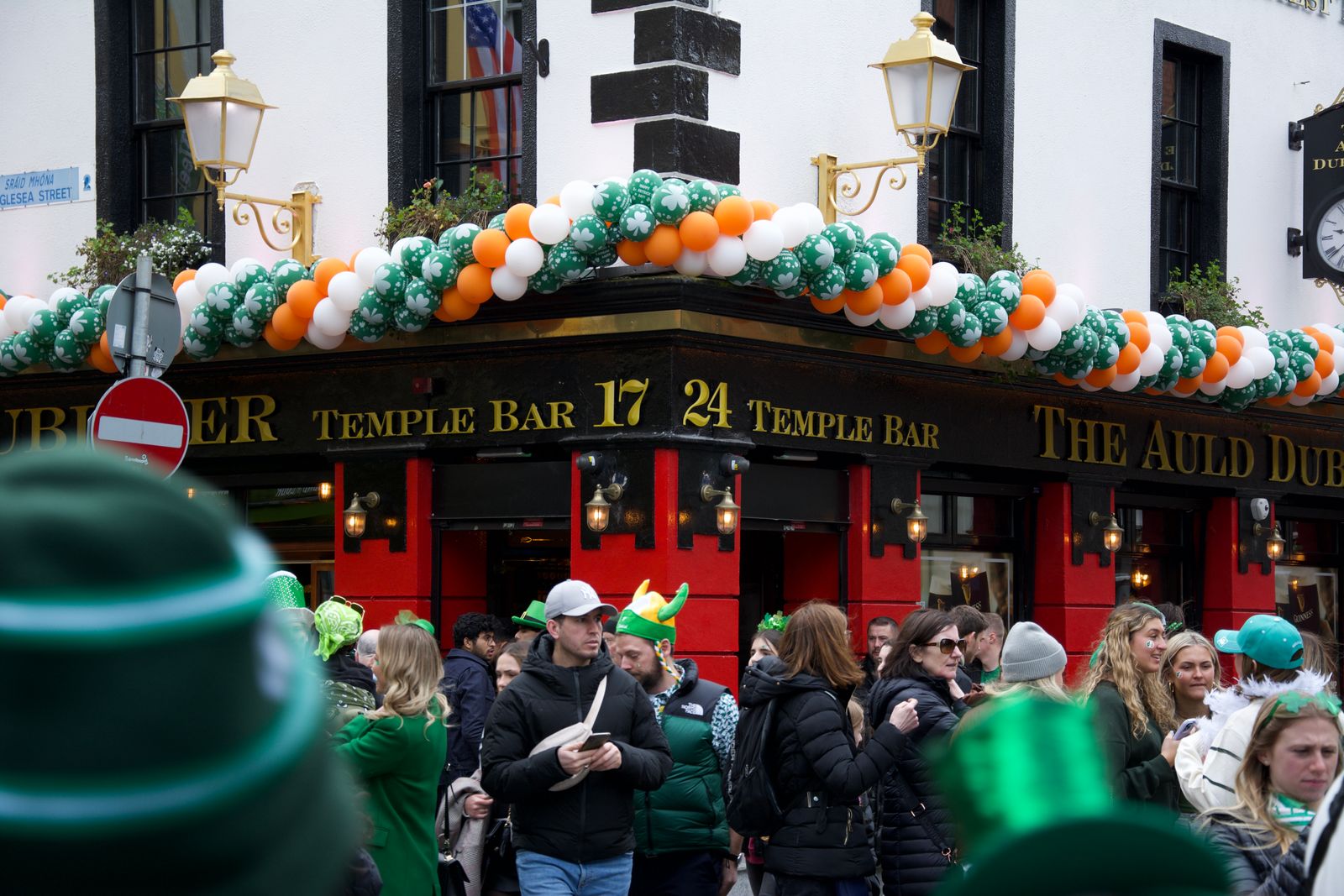
The city is busy on 17 March. Pubs and restaurants fill early, and the area around Temple Bar is the most crowded. Those wanting a quieter day often watch the parade and then move out to the suburbs or head for the coast on the DART, which runs a Sunday-style service.
Parade times, routes and road closures change each year. Check the official Dublin festival programme and Transport for Ireland before travelling.
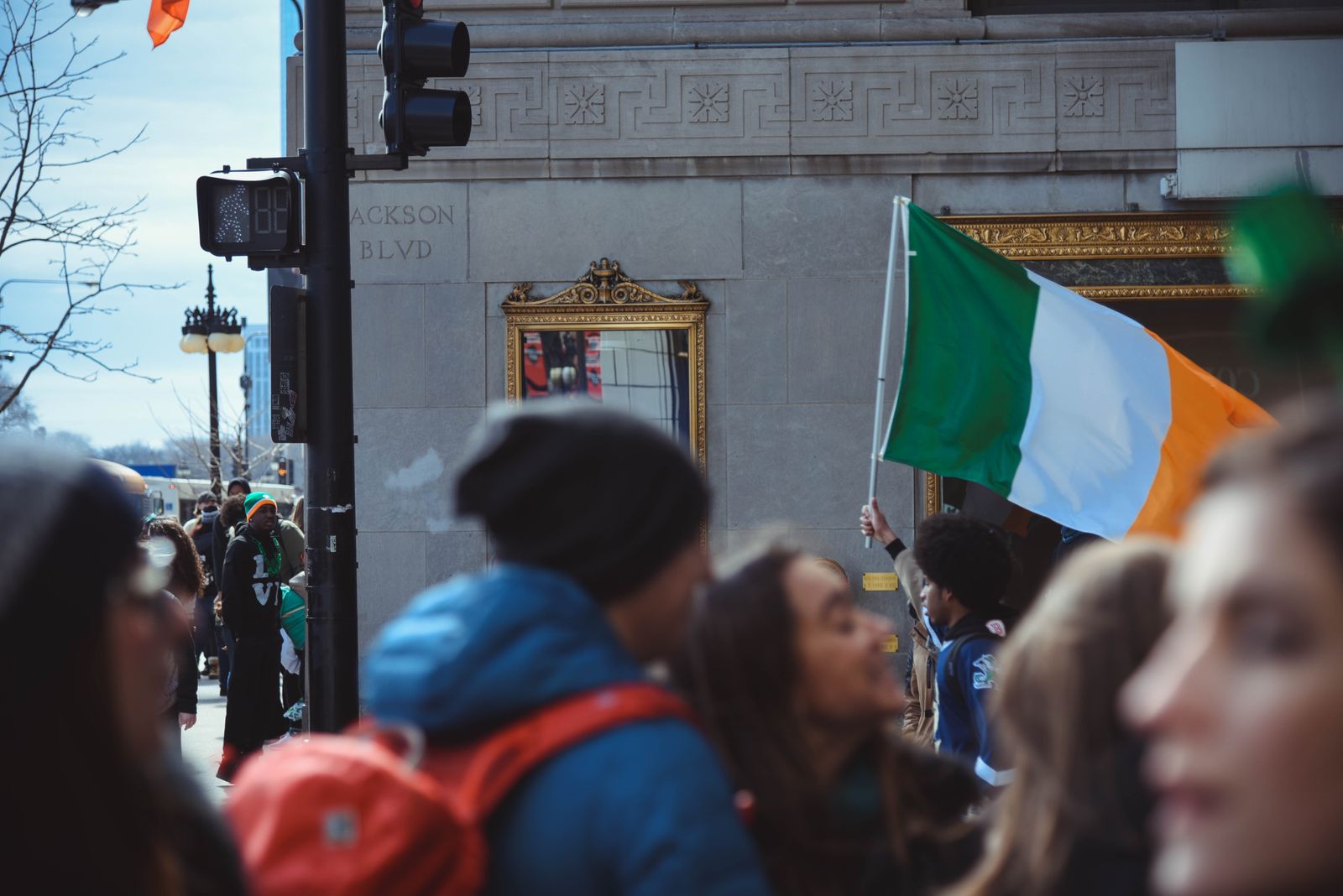
Parades in the towns
Almost every sizeable town on the island holds some kind of 17 March event, usually a morning or early afternoon parade with local clubs, schools and marching bands. Smaller places often have a shorter route and a gathering afterwards rather than a full festival programme.
Kilkenny, Waterford, Cork, Galway, Sligo and Limerick all run parades, and many draw visitors from surrounding counties. In Northern Ireland, Belfast and Derry~Londonderry hold events, and the day is a bank holiday there, with pounds sterling used for anything bought.
Towns with a strong GAA or pipe band tradition tend to put on the fullest parades. If the plan is to see one without the Dublin crowds, a mid-sized town within an hour of the capital, such as those in Wicklow or Kildare, is a reasonable choice, and the parade usually finishes by early afternoon.
Choosing where to stay
Dublin is the obvious base if the parade is the main reason for the trip, and booking well ahead matters because demand on the night of 16 March is high. Staying slightly outside the centre, near a DART or Luas stop, keeps the day manageable and the journey in simple.
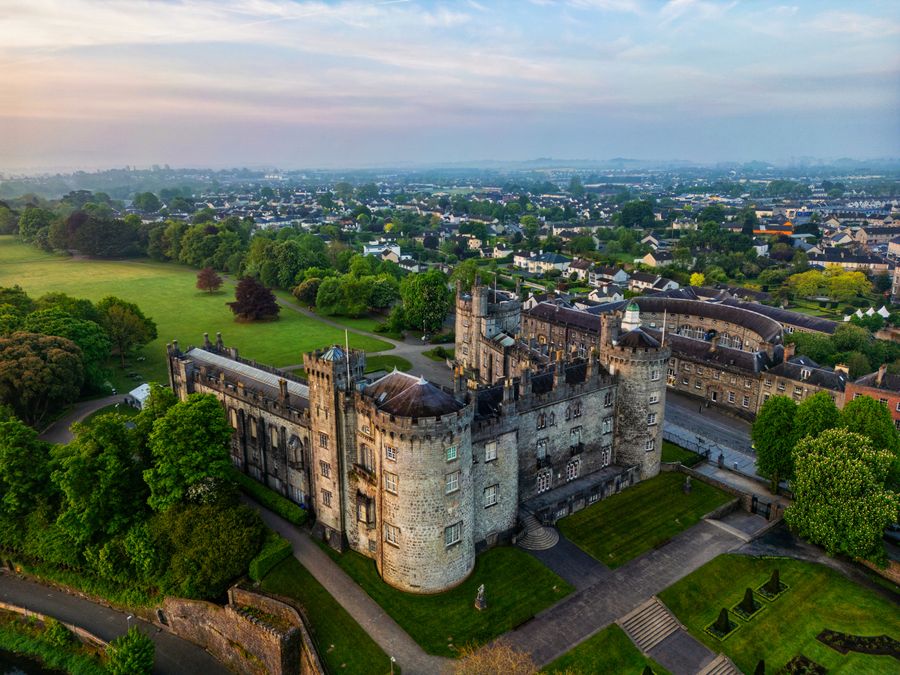
Other towns work well as bases for a longer stay. Kilkenny and Waterford are both compact, with parades of their own and good rail links. Galway and Cork suit a western or southern trip, and both have city-centre events plus easy access to the coast and countryside.
For a quieter day, a base in the Wicklow Mountains or in a coastal village gives the option of a walk instead of a parade, with Dublin reachable by train or road. Wherever the base, expect accommodation to fill early for the weekend nearest 17 March, and check cancellation terms carefully.
Accommodation near parade routes fills months ahead. Confirm booking terms directly with the property and check Iarnród Éireann or Bus Éireann timetables for holiday services.
Attending the parade
Arrive early if a spot near the barriers matters. The route is long, and the crowds thin towards the outer sections. Standing room is free along most of the route; grandstand seating, where it exists, is ticketed and allocated in advance.
Dress for rain, because March weather is changeable and a wet morning is common. Layers and a waterproof are more useful than an umbrella in a crowd. Daylight in Dublin in mid-March runs to roughly twelve hours, so the parade and the journey home are both in daylight.
Families with young children often find a smaller town parade easier: shorter, less crowded and with parking closer to the route. Toilets, food stalls and first aid points are usually marked on the official route map, which the organisers publish in the weeks before the day.
The rest of the weekend
The day itself is only part of a longer weekend for many visitors. The 17 March holiday often falls close to a weekend, and the days either side are a good time to see the museums, cathedrals and public buildings of Dublin, several of which run special events.
Outside the capital, the same weekend is a chance to see the country before the main season starts. Heritage sites run by the Office of Public Works are generally open, and national parks are free to walk at any time of year, though visitor centres keep shorter hours in March.
The weather in March is mild but unsettled, with rain possible on any day. A plan that keeps one indoor option for each day is sensible. Met Éireann publishes a short-range forecast that is worth checking on the morning of the parade.
Marking the day well
For many people in Ireland the day begins with mass, and 17 March is a religious feast as well as a public holiday. Churches in most towns hold services, and these are open to visitors who wish to attend. Dress and behaviour in a church follow the usual conventions.
The parade is a family event, and drinking in the street is not permitted in most places. Licensing hours on the day follow the normal rules, though premises are busier than usual. Those drinking should plan the journey home in advance, as late services are limited on a holiday.
Irish is the first language of the Gaeltacht areas, and some parades and events there are conducted in Irish. Road signs in those areas are in Irish only. Elsewhere, events are in English, and the day is as much a community occasion as a tourist one.