Ireland has no dry season and no closed season. What changes through the year is daylight, the number of other visitors, and which boats, tours and heritage sites are running. Choosing a month is mostly a choice between long evenings and quiet roads.
How the year runs
The island sits in the temperate oceanic zone, which means mild winters, cool summers and rain possible in any month. Snow is uncommon at low level and rarely lies for long. The west and the hills are wetter than the east, so a week in Dublin and a week in Connemara can feel like different climates.
Daylight is the bigger variable. Around the June solstice Dublin has roughly seventeen hours of light, and the sky stays bright well into the evening. By late December that falls to about seven and a half hours, with sunset in the late afternoon. Spring and autumn sit in between and change quickly, gaining or losing several minutes a day.
Because the weather is rarely extreme, nothing closes for a season in the way ski resorts or Mediterranean coasts do. What shifts is the volume of visitors, the frequency of boats and tours, and the opening pattern of smaller heritage sites, which often run reduced days outside the summer.
Spring, February to May
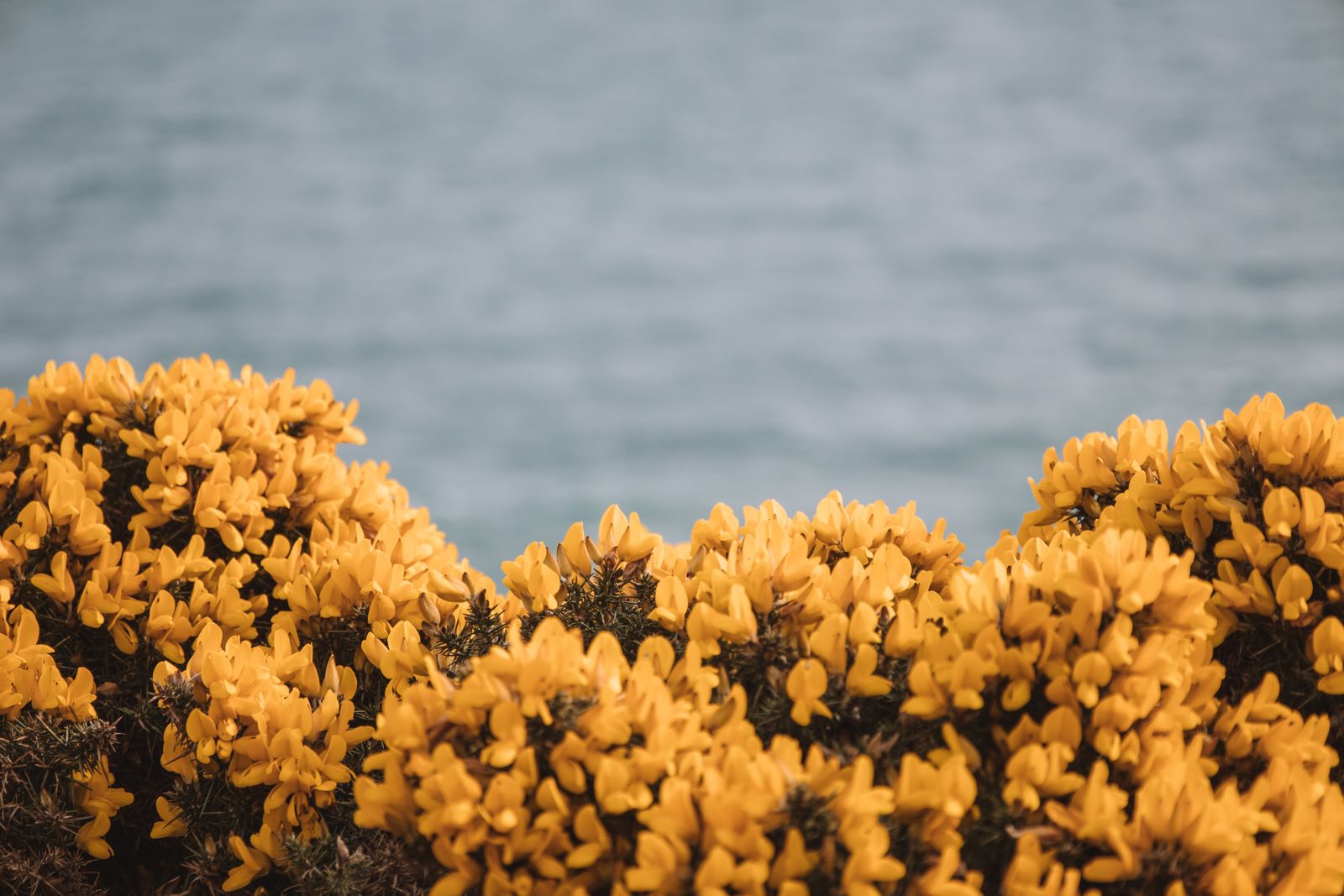
Spring arrives slowly and then all at once. February is still winter in feel, but March brings longer evenings and the first dry spells, and by April the hedges and roadsides are filling in. Days gain light quickly, which makes spring a good compromise for walking: enough daylight for a full day out, without the midsummer crowds.
Many historic sites in the Republic are run by the Office of Public Works and open year round, though some smaller ones keep reduced hours until Easter. National parks run by the National Parks and Wildlife Service stay open, and spring is a quiet time on the trails at Glendalough, Killarney and Connemara.
Puffins and other seabirds return to Atlantic cliffs and islands in late spring. The exact timing varies by colony and by year, so check with BirdWatch Ireland in the Republic or the RSPB in Northern Ireland before planning a boat trip around them. Ferries to the islands begin to run more often as the season builds.
Summer, June to August
Summer brings the long evenings, the fullest calendars and the most other visitors. June is often the sweet spot: daylight is at its longest, school holidays have not yet begun, and the weather is usually as settled as it gets. July and August are busier, particularly on the west coast and in Killarney, Galway and Dublin.
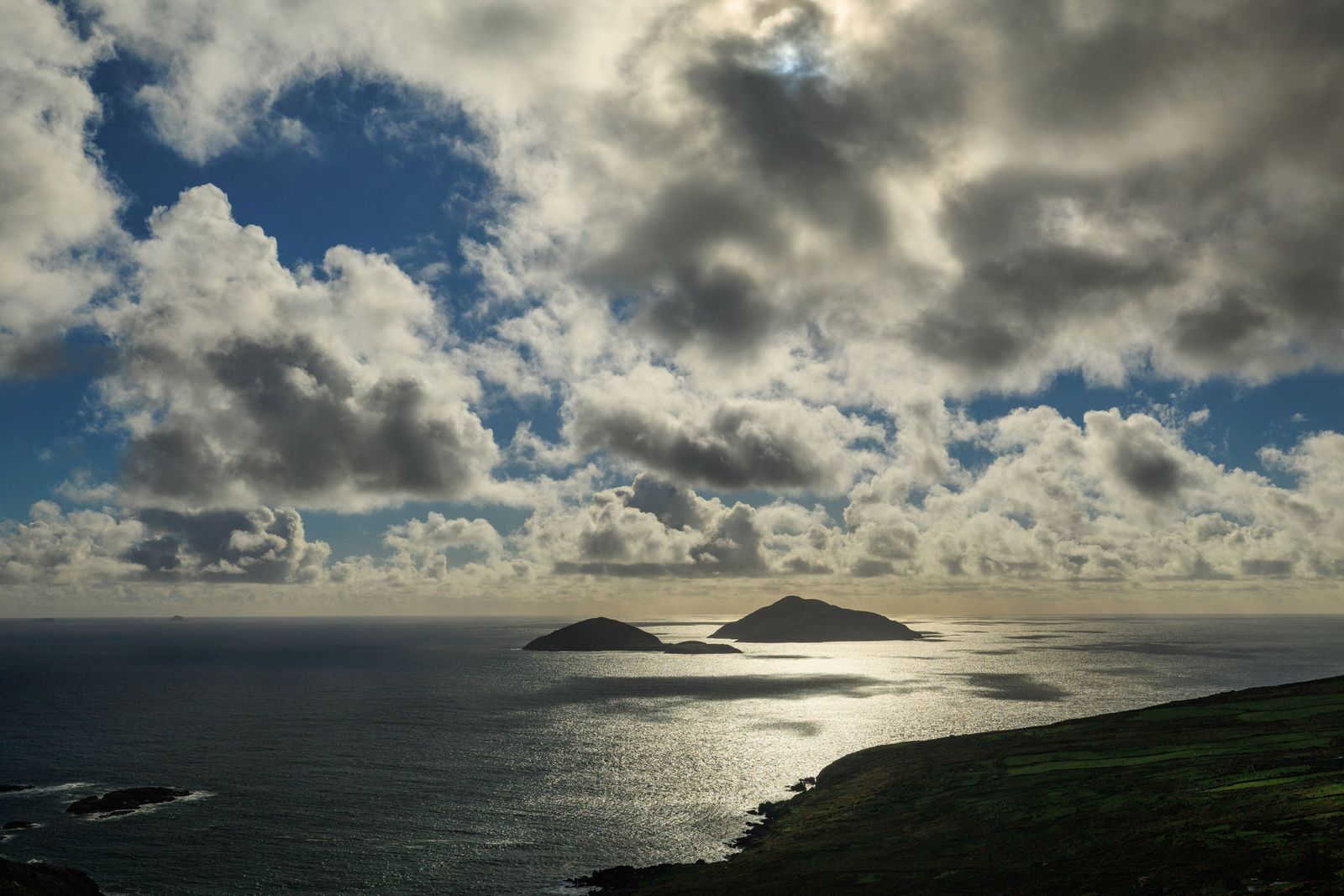
This is the season for the things that only run in summer. Boats land on Skellig Michael only in the summer season, weather permitting, with a limited number of licensed craft, so book well ahead and confirm with the Office of Public Works. Ferries to the Aran Islands and other Atlantic islands run their fullest timetables now.
Book accommodation early for July and August, especially in the west and in Dublin. Even in high summer, rain is possible in any week, and the hills can be wetter than the coast. A waterproof layer and a spare pair of shoes matter more than a forecast.
Summer boat landings and island ferries depend on weather and fill early. Confirm schedules with the operator and, for Skellig Michael, with the Office of Public Works.
Autumn, September to November
Autumn is often the most comfortable stretch of the year for touring. September keeps much of the summer light and warmth while the crowds thin, and October brings colour to the woods and bogs. Rain becomes more frequent and the west can be windy, but the roads are quieter and accommodation is easier to find.
Heritage sites and national parks remain open, though some smaller OPW sites and seasonal tours wind down after September. Island ferries reduce their sailings and some stop for the winter, so check with the operator before building a day around a crossing. The same applies to boat trips along the coast.
Days shorten noticeably through November, and by the end of the month sunset comes in the late afternoon. This is a good season for cities, museums and indoor heritage, and for shorter walks rather than long days on the hills. The light in the low sun can be clear and long, which suits photography.
Winter, December to January
Winter is quiet, dark and often mild. Daylight runs to about seven and a half hours around the solstice, so days out need planning around a short window of light. Rain and wind are common, and the west takes the brunt, but hard frost and snow at low level are unusual.
Cities come into their own now. Dublin, Cork, Galway and Belfast have museums, galleries, theatres and covered markets that do not depend on the weather, and the streets are far less crowded than in summer. Smaller heritage sites may open at weekends only or by arrangement, so check with Heritage Ireland or the site before travelling.
Many island ferries and boat tours do not run in winter, and some rural attractions close entirely. National parks stay open for walking, but daylight is short and the ground is wet. Winter is a good time for a short city break rather than a touring holiday.
Choosing a base
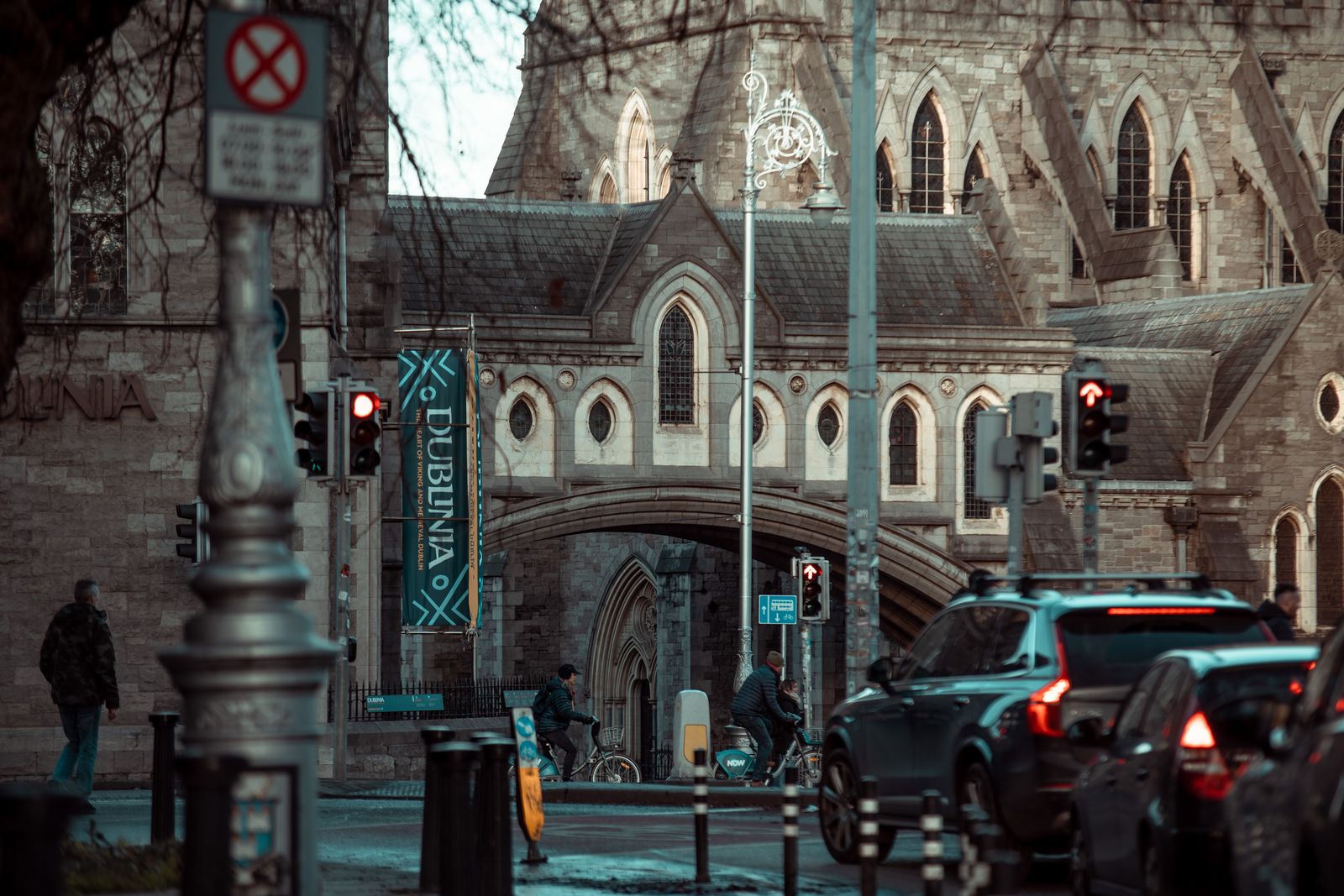
Where you base yourself matters more than the month. Dublin suits a first trip and a short break at any time of year, with the airport, the DART coastal trains and the national rail and coach network on hand. It also works as a base for day trips to the Wicklow Mountains, Glendalough and the Boyne valley.
For the west, Galway city is a natural base for Connemara, the Burren and the Aran Islands, while Westport and Sligo serve Mayo and the northwest. Killarney and Dingle suit Kerry, and Cork city or a town in West Cork covers the south. In Northern Ireland, Belfast is the base for the Causeway Coastal Route.
A single base for a whole trip means long drives. Two bases, one in the east and one in the west, cover most of what a first visit includes without spending every day in the car. The booking search on this page is set to the Dublin region, which is a practical starting point for a first night or a city stay.
Practical notes
The island holds two jurisdictions. The Republic of Ireland uses the euro, kilometres and km/h. Northern Ireland is part of the United Kingdom and uses pounds sterling, miles and mph. There are no routine checks on roads crossing the border, but the currency and speed limits change. Traffic drives on the left everywhere.
Ireland is not in the Schengen area. Entry rules depend on your passport: check the Irish Immigration Service for the Republic and gov.uk for Northern Ireland. Plugs are the three-pin type G on both sides, and the emergency number is 112 or 999 everywhere on the island.
Timetables change with the season. Rail and coach services are run by Iarnród Éireann, Bus Éireann, Translink and others, and rural TFI Local Link buses vary by day. Check with the operator or the Transport for Ireland journey planner before relying on a connection, especially on Sundays and in winter.
The Wild Atlantic Way, the Ring of Kerry and the Causeway Coastal Route are all signed driving routes that can be followed in any season, though winter daylight limits how much of each can be covered in a day.
Check seasonal opening with Heritage Ireland for OPW sites, the National Parks and Wildlife Service for park facilities, and the relevant ferry operator for island crossings.