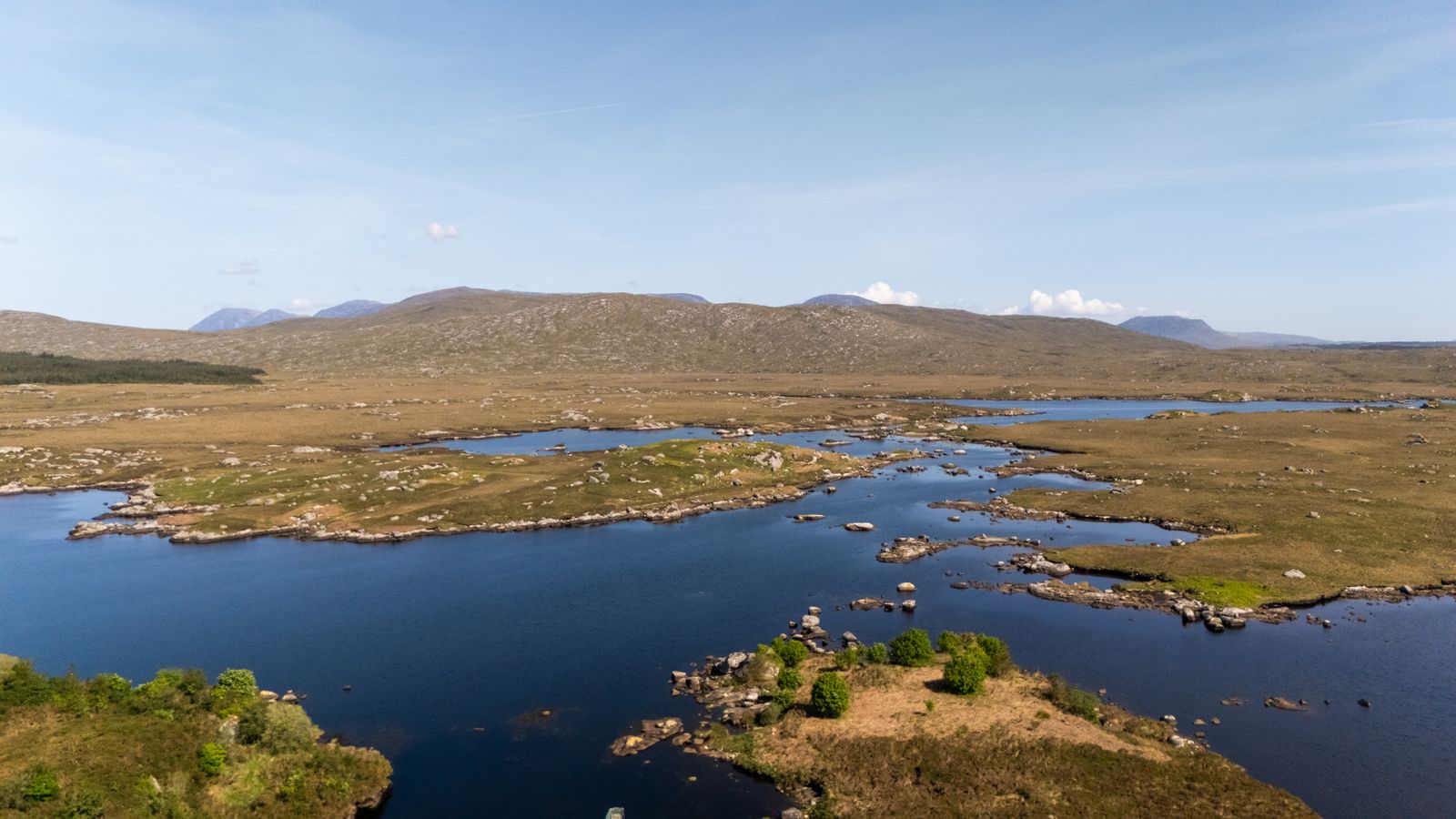
Most first trips to Ireland run between five days and two weeks, and most of them are built around two or three bases rather than a new bed every night. The choice matters more than the itinerary: get the bases right and the days between them stay short.
How many bases
A short trip works best with one base. If you have four or five days and arrive in Dublin, staying in the city and taking day trips out by train or coach removes the need to move luggage at all. The Wicklow Mountains, Howth and the Boyne valley are all reachable without a car.
With a week, two bases are comfortable. A common shape is Dublin first, then Galway or Killarney, with the driving done once in the middle of the trip. Three bases in a week means a lot of packing and checking in, and little time left for the places between them.
With ten days or more, three bases let you cover the east, the west and the south without long days in the car. The rule that holds is simple: each move between bases should take no more than about half a day, so the rest of the day is still yours.
Timetables and seasonal services change. Check the Transport for Ireland journey planner before fixing a base that depends on public transport.
Dublin as a base
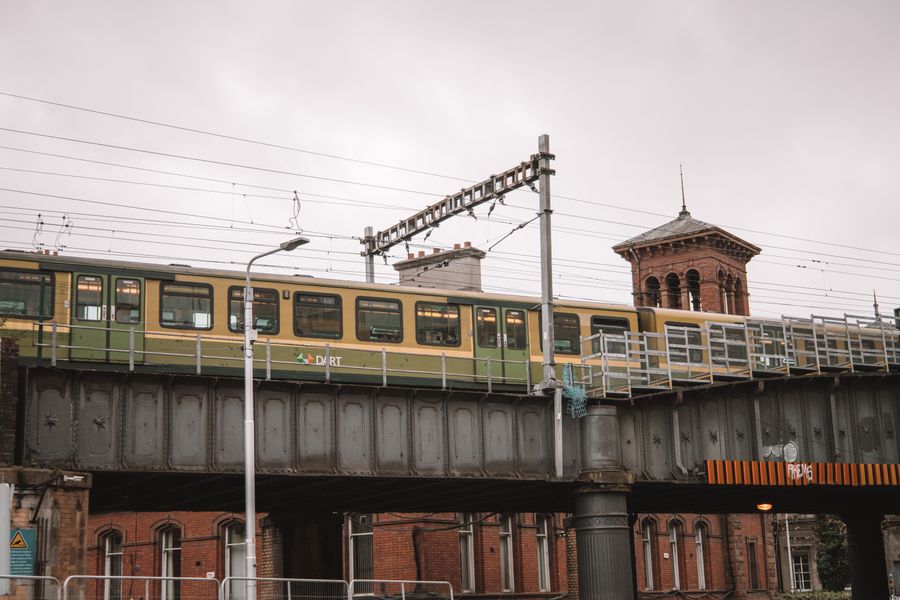
Dublin suits a first visit because it is where most flights arrive and because it works without a car. The city centre is compact and walkable, the Luas trams and Dublin Bus cover the suburbs, and the DART runs along the coast from Howth and Malahide in the north to Bray and Greystones in the south.
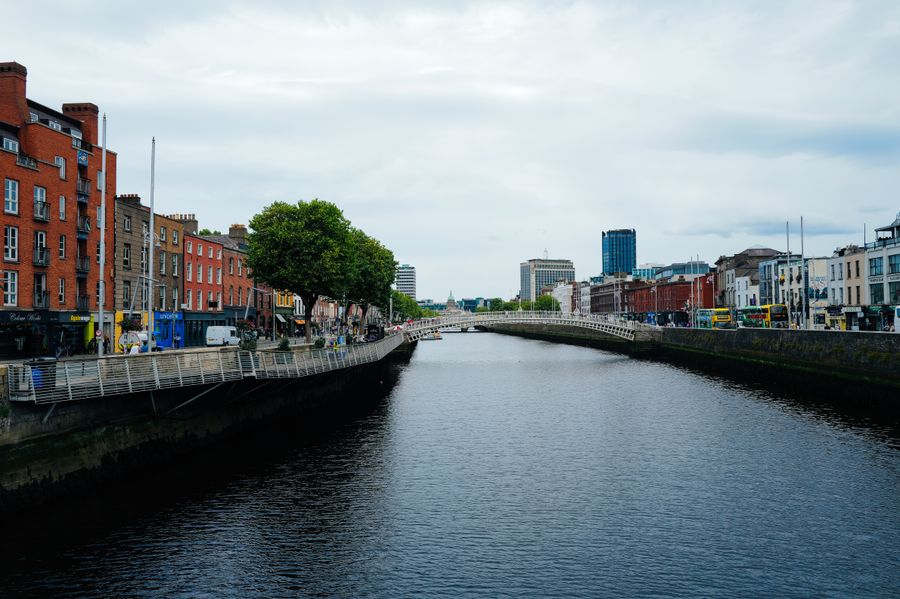
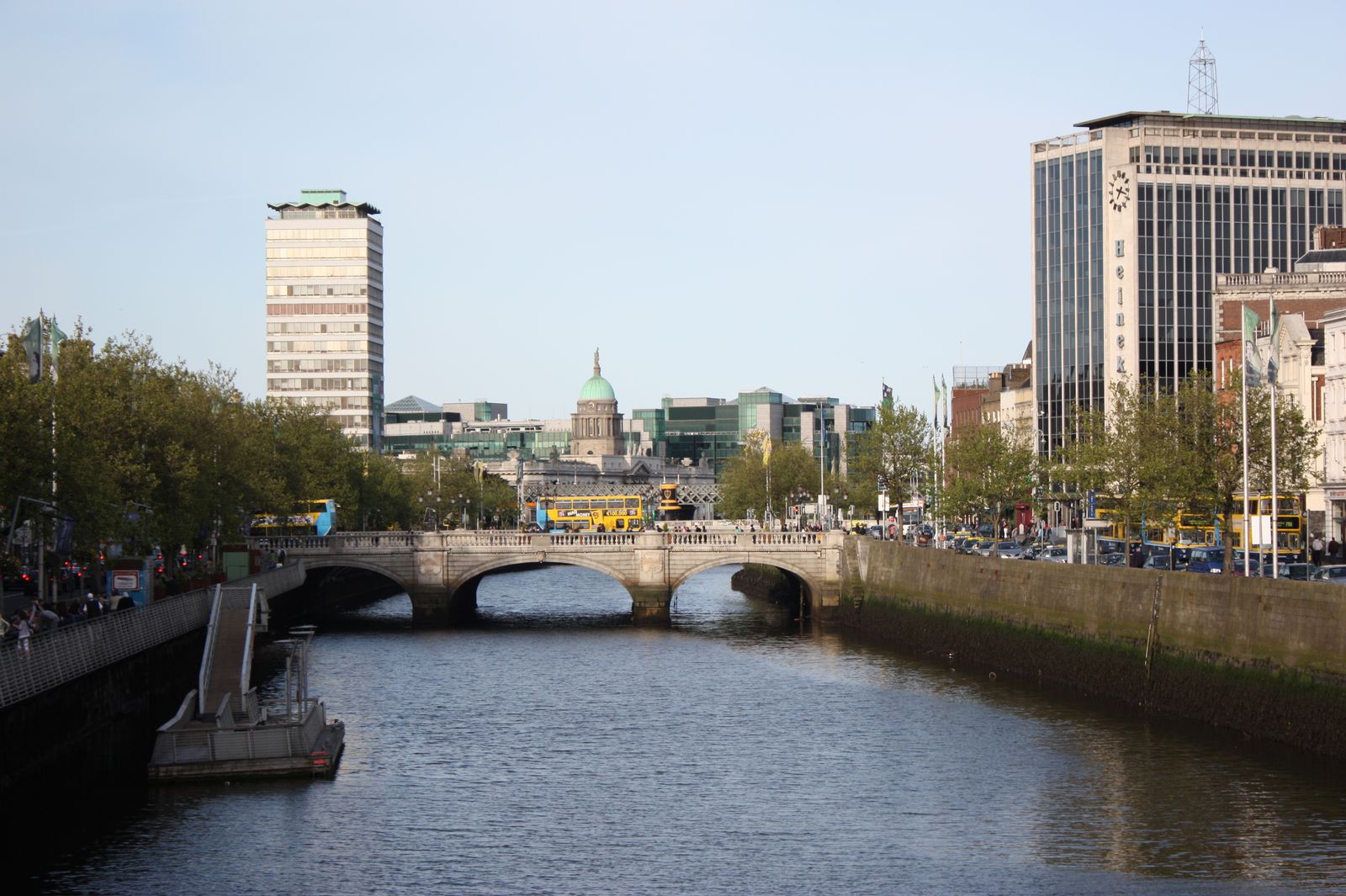
From the city you can reach Glendalough in the Wicklow Mountains by coach, walk the Howth cliff path on a DART trip, and see the passage tombs at Brú na Bóinne on an organised day out. The Ha'penny Bridge and the streets around Temple Bar are within walking distance of most central beds.
Dublin also works as a base for the east and southeast. Kilkenny and Waterford are reachable by train for a day or an overnight, and the border with Northern Ireland is a straightforward drive or train ride north. Staying two or three nights here at the start or end of a trip is the usual pattern.
The west
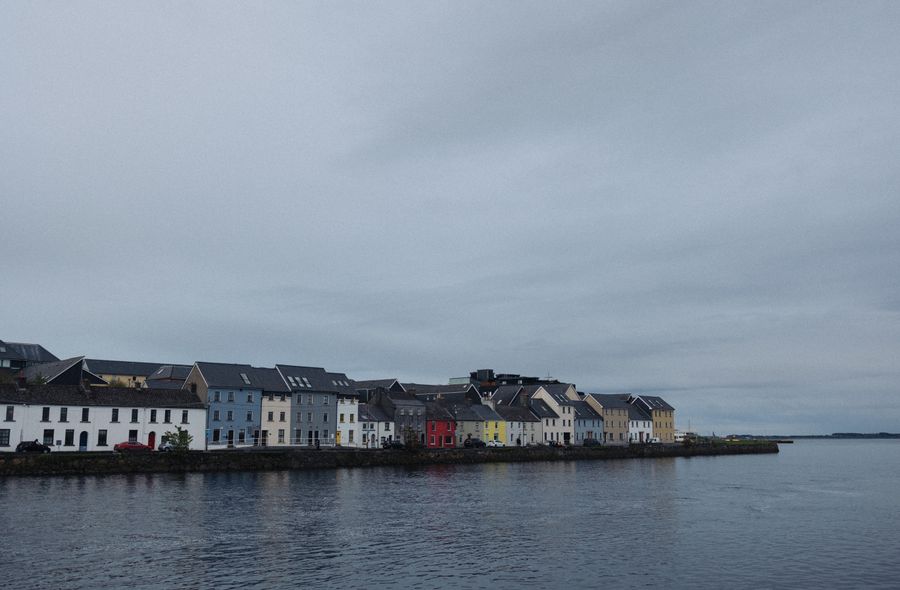
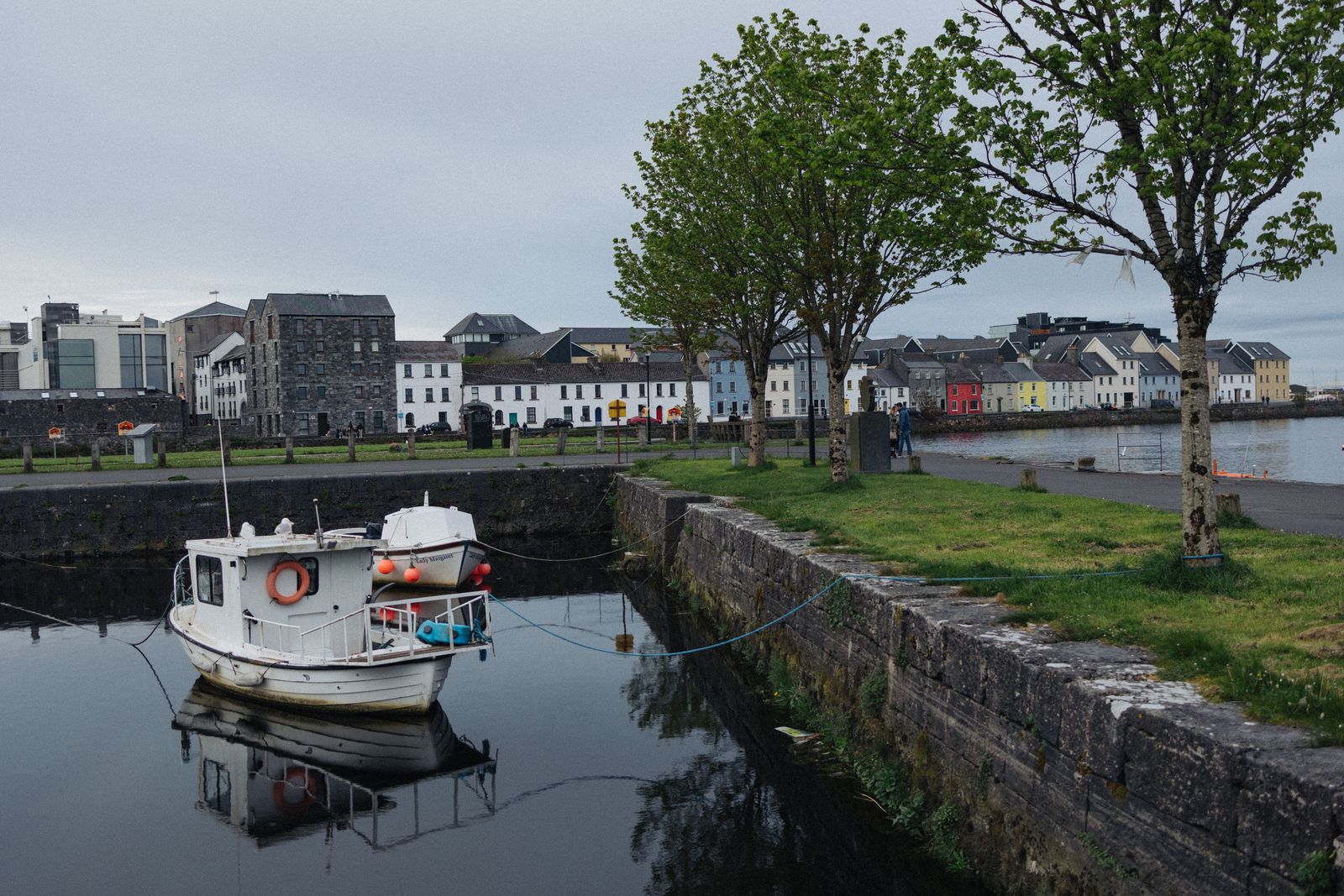
Galway city is the natural base for the west. It is a compact city with trains and coaches from Dublin, and it sits at the edge of Connemara and within reach of the Burren and the Cliffs of Moher. The Latin Quarter is central and the coast is a short bus ride away.
From Galway, Connemara and Kylemore Abbey fill a day, and the Burren and the cliffs fill another. Doolin, further south in County Clare, is a smaller base for the cliffs and the Burren, and it suits travellers arriving at Shannon. Both work well for a two or three night stay.
Further north, Westport in County Mayo is a good base for a quieter western trip, with the greenway and the mountains of Connemara and south Mayo around it. Sligo and Donegal suit a longer trip that goes beyond the standard first-visit route.
The south
Cork city is the base for the south, with trains from Dublin and a compact centre around the English Market. West Cork, with its small towns and long coastline, is a separate trip in itself and rewards an overnight rather than a day return.
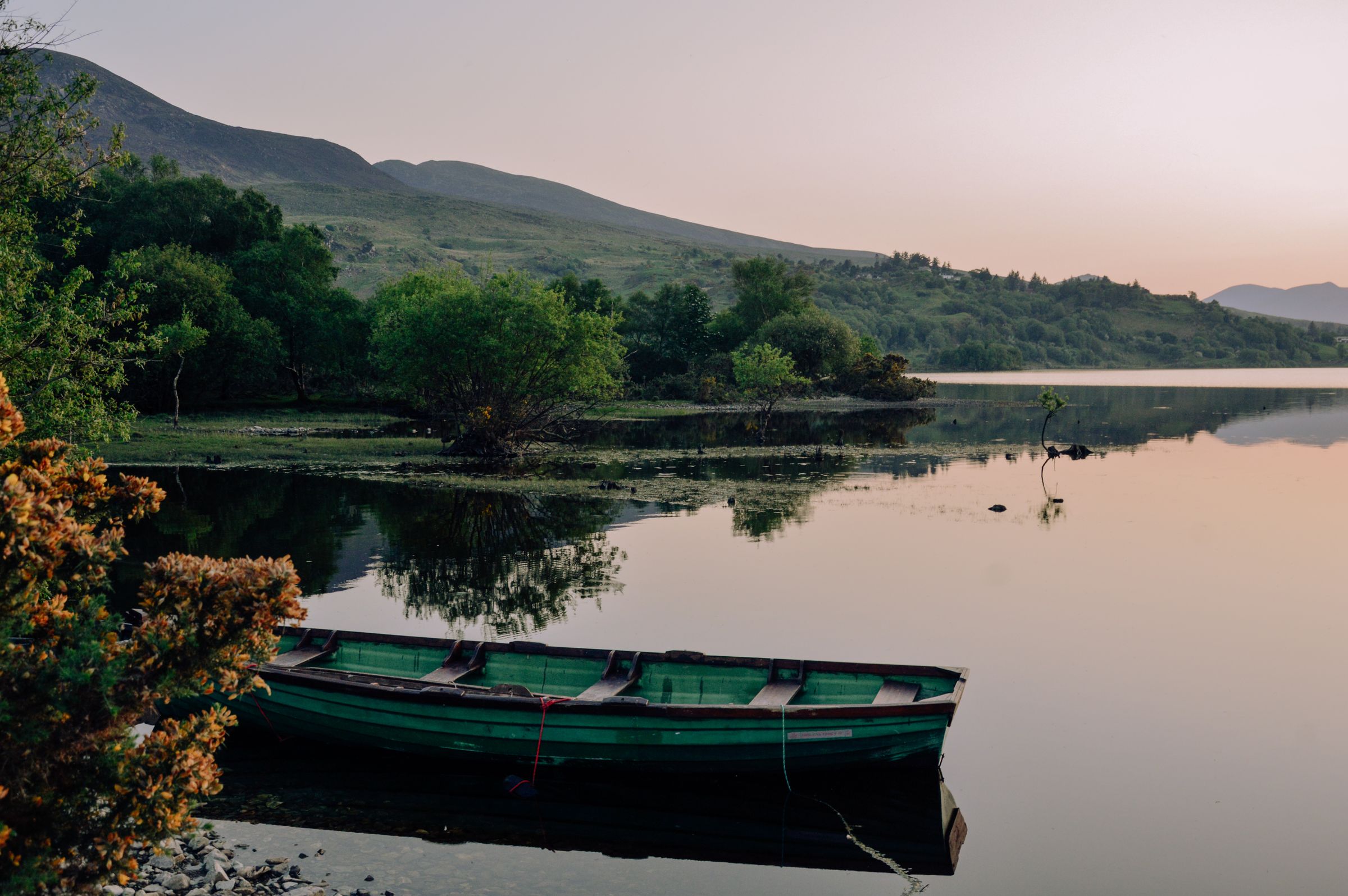
Killarney is the base for Kerry. It sits at the edge of Killarney National Park, and the Ring of Kerry loops from the town around the Iveragh Peninsula. The Dingle Peninsula, with the Slea Head Drive and Dingle harbour, is a further day out to the west.
Kilkenny and Waterford cover the southeast. Kilkenny has the castle and a walkable medieval street pattern, and Waterford has the river and the greenway to Dungarvan. Either makes a useful stop between Dublin and Cork rather than a base for a whole trip.
Skellig Michael landings run only in summer, weather permitting, with a limited number of licensed boats. Check with the Office of Public Works before planning a day around it.
Northern Ireland
Northern Ireland is part of the United Kingdom, so a trip there uses pounds sterling and miles. Belfast is the base for the Causeway Coast, with the Giant's Causeway, Dunluce Castle and the coastal route north of the city. The Enterprise train links Dublin and Belfast directly.
Derry~Londonderry suits the western end of the Causeway Coastal Route and the north coast. A first trip that includes the north usually gives it two nights, either from Belfast or split between Belfast and Derry.
There are no routine checks on roads crossing the border, but entry rules depend on your passport. Check the Irish Immigration Service for the Republic and gov.uk for Northern Ireland before travelling. Traffic drives on the left on both sides.
Practical points
Traffic drives on the left everywhere on the island. In the Republic, distances are in kilometres and speeds in km/h; in Northern Ireland, miles and mph. A car gives the most freedom in the west and on the peninsulas, where buses run less often.
Without a car, base yourself on a rail or coach line. Dublin, Galway, Cork, Killarney and Belfast all have rail connections and coach services onward. Rural TFI Local Link buses fill some gaps but run infrequently, so check timetables before committing.
The climate is temperate and rain is possible in every month. The west and the hills are wetter than the east, so a base with indoor options nearby is useful. Daylight runs from about 17 hours around the June solstice to about 7.5 hours in late December, which changes how much a day out can hold.
Entry rules depend on the passport. Check the Irish Immigration Service for the Republic and gov.uk for Northern Ireland before booking.
Making the choice
Start from the places you most want to see, then group them by region. The Cliffs of Moher, the Burren and Connemara sit together in the west. Killarney, the Ring of Kerry and the Dingle Peninsula sit together in the southwest. Glendalough and the Wicklow Mountains sit with Dublin.
Then check the travel time between the groups. A base that looks central on a map can be two hours from the next one on small roads. Keeping each move under half a day leaves the rest of the day for the place itself.
Finally, match the base to how you are travelling. A car opens up Doolin, Westport and the peninsulas. Public transport favours Dublin, Galway, Cork, Killarney and Belfast. The booking search on this page is set to the Dublin region as a starting point; change it once the shape of the trip is clear.