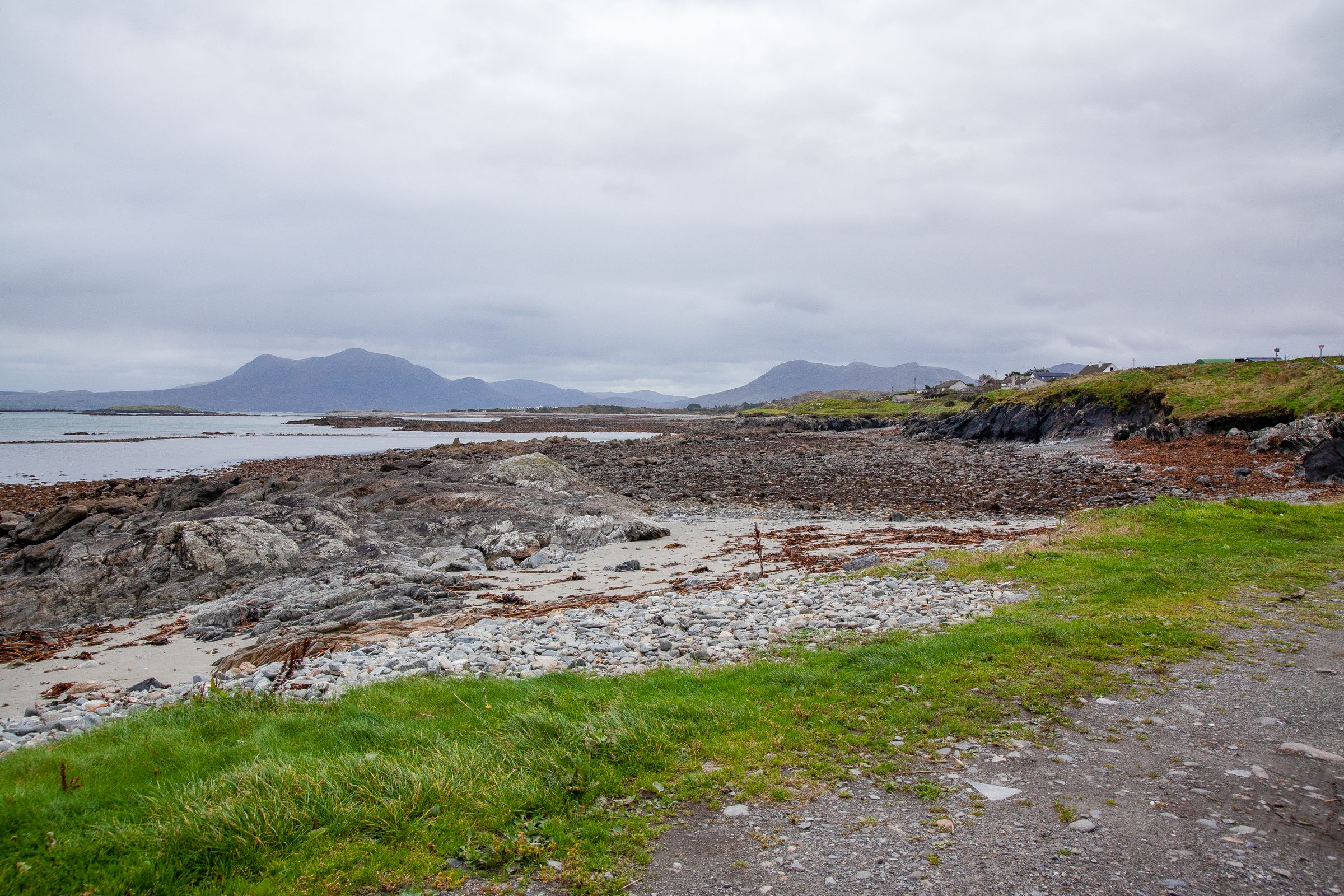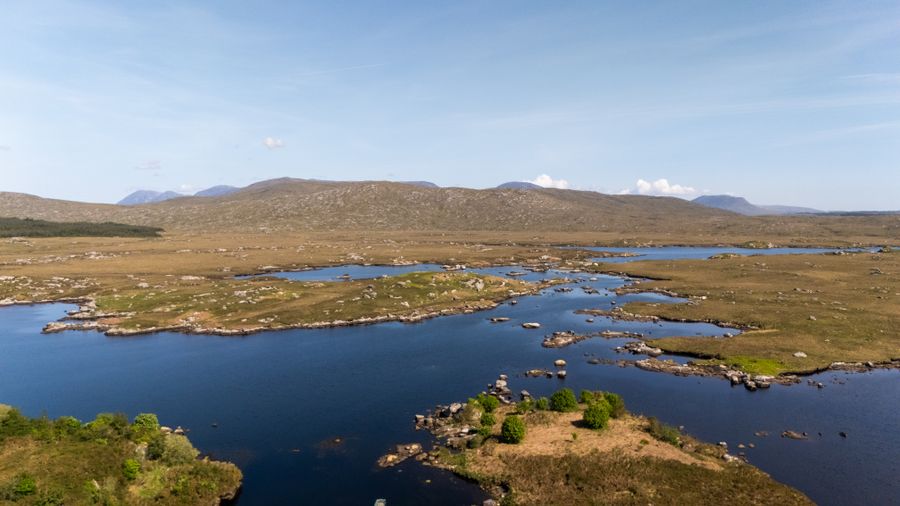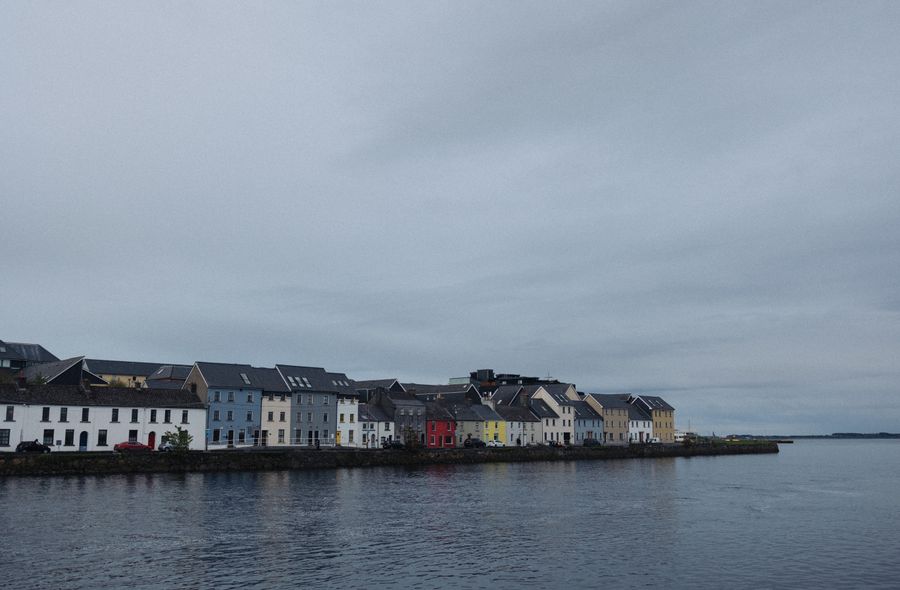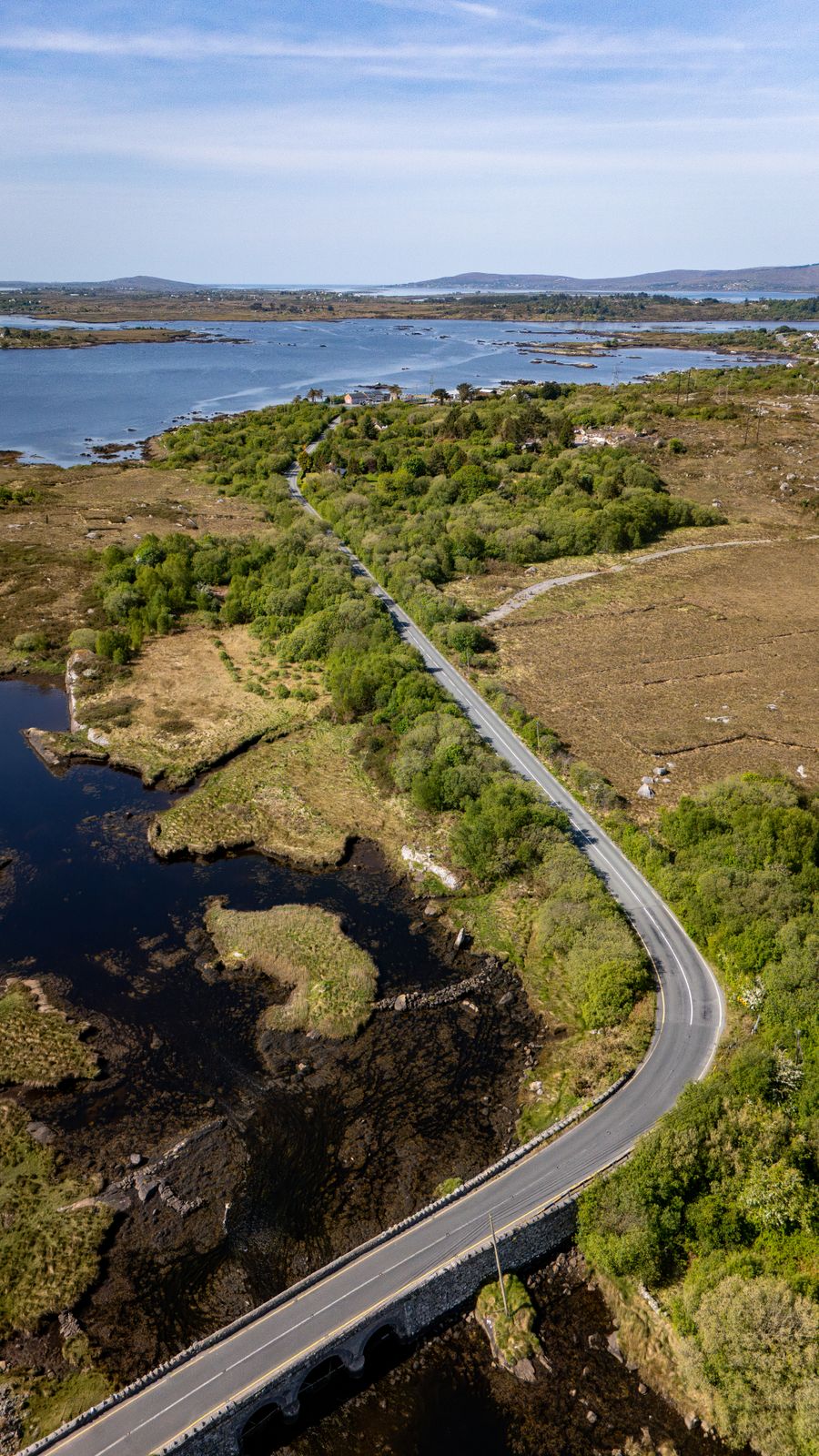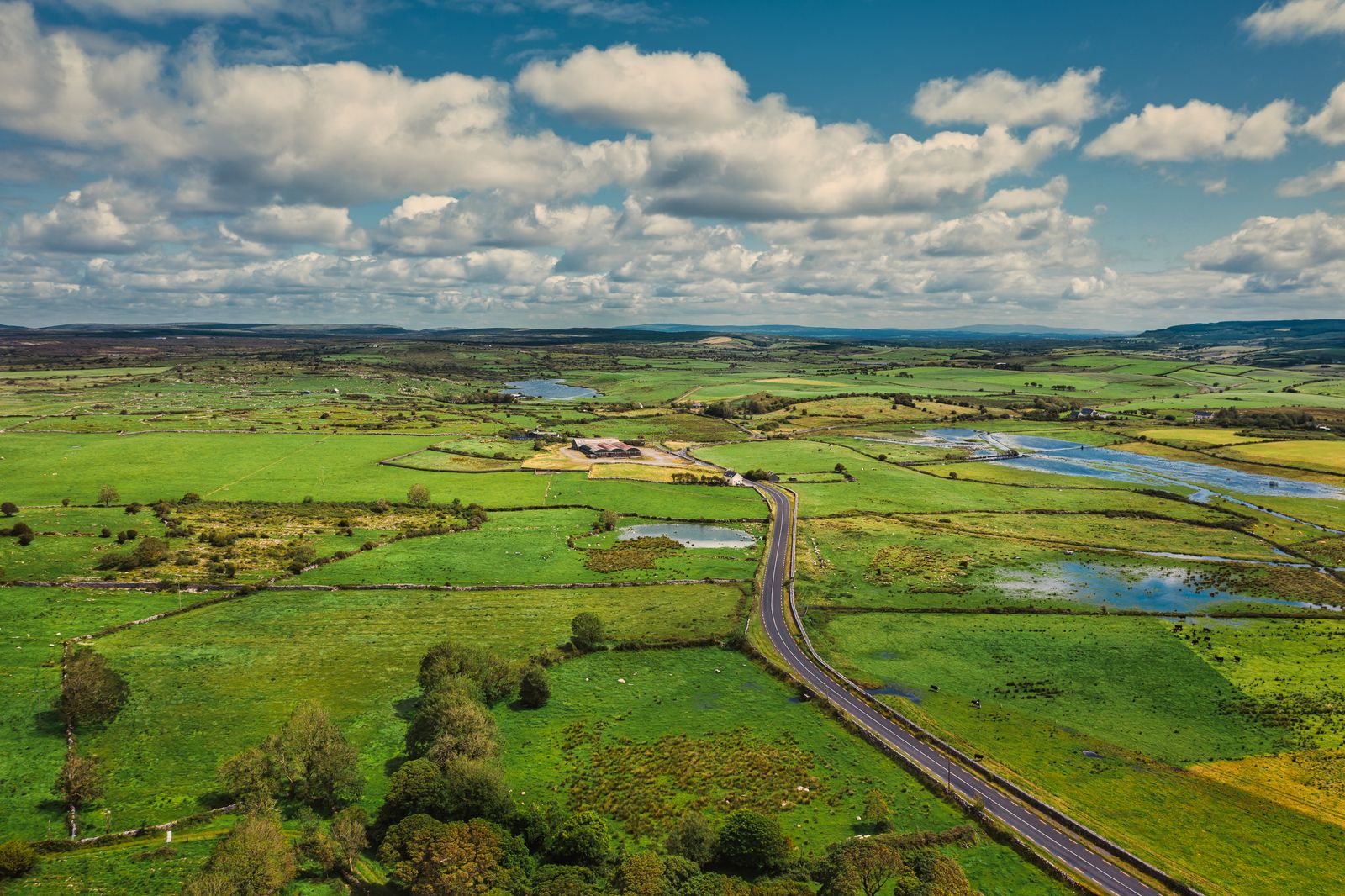
A week in Ireland rewards a slow shape. Two bases of three nights, with a travel day between, cover more ground than four rushed stops. The west and southwest hold most of what first-time visitors come for, and Galway sits well as a first base before a second further south or west.
The shape of the week
Seven nights works best as two bases of three nights with a travel day between, or three bases of two nights if the stops are close together. Every move costs half a day once packing, checkout and the drive are counted, so the fewer moves the better the week feels.
Arrive and leave from the same airport if you can. Dublin, Shannon and Cork all serve the west and south well, and Shannon puts the Atlantic coast within an hour of the runway. A week that starts in Dublin and ends in Cork, or the reverse, avoids retracing the same road.
Build one blank day into the plan. Irish weather changes quickly, and a flexible day lets a wet morning become a museum or a dry afternoon become the cliff walk. Booking every hour in advance leaves no room to move when the rain arrives.
Check airport transfer times with Transport for Ireland before fixing the first night. A late landing can make a nearby town a better first base than a distant one.
Galway as a first base
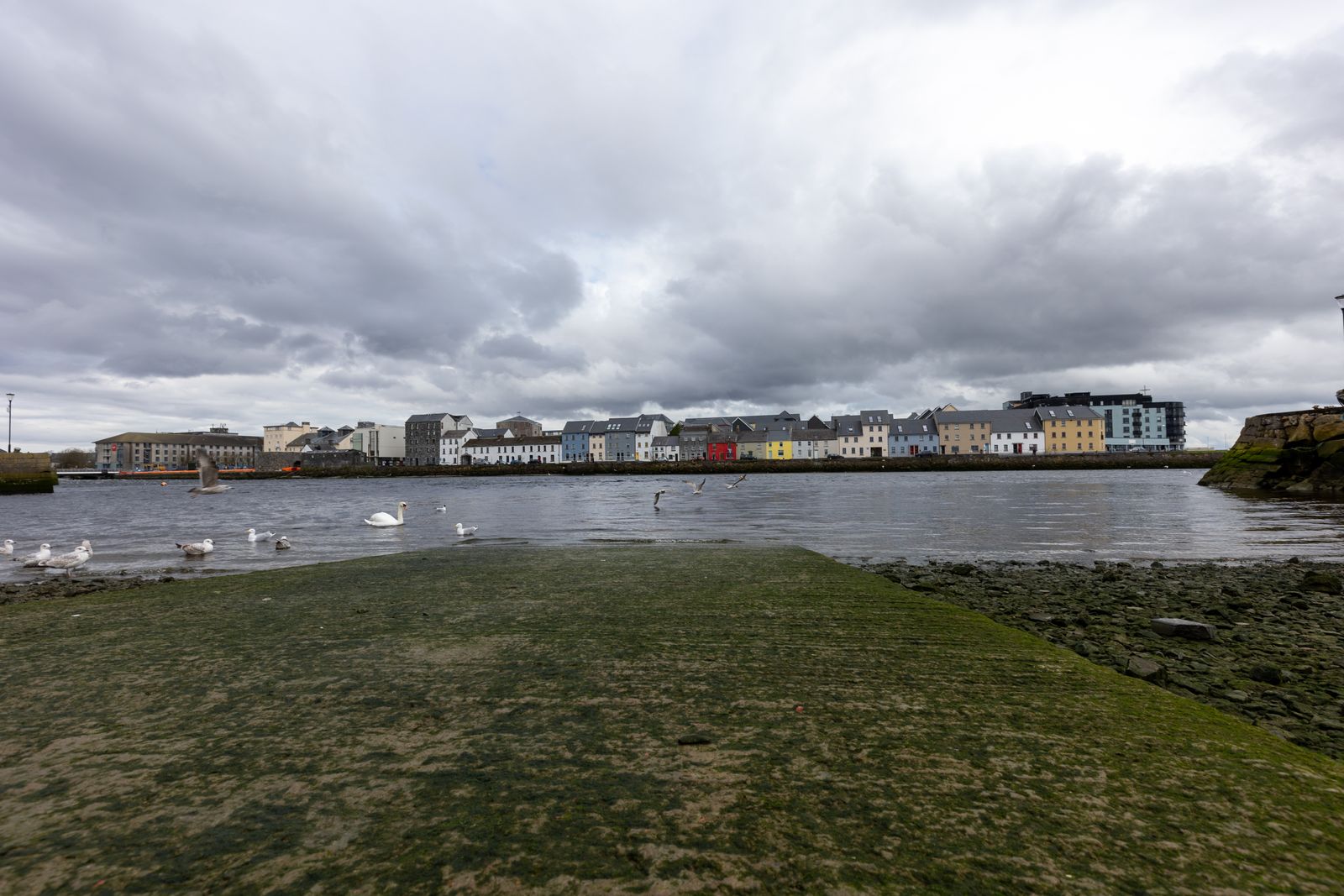
Galway city is a strong first base. It has trains and coaches from Dublin, a compact centre to walk, and a harbour with music in the evenings. From the city, Connemara lies west, the Burren and the Cliffs of Moher south, and the Aran Islands are reached by ferry from Rossaveal or, in season, from Doolin.
Three nights in Galway covers the city itself, a day in Connemara taking in Kylemore Abbey and the Inagh valley, and a day south to the Burren and the cliffs. That is a full programme without long drives, and each day can be swapped if the weather turns.
Towns near the city also work as bases. Salthill is a walk from the centre, Oranmore sits east on the road to Dublin, and Clifden or Westport suit travellers who want the coast rather than a city. All are within reach of the same day trips.
Ferries to the Aran Islands depend on weather and season. Check sailing times with the operator and the OPW for site opening before planning the day.
A second base in the south
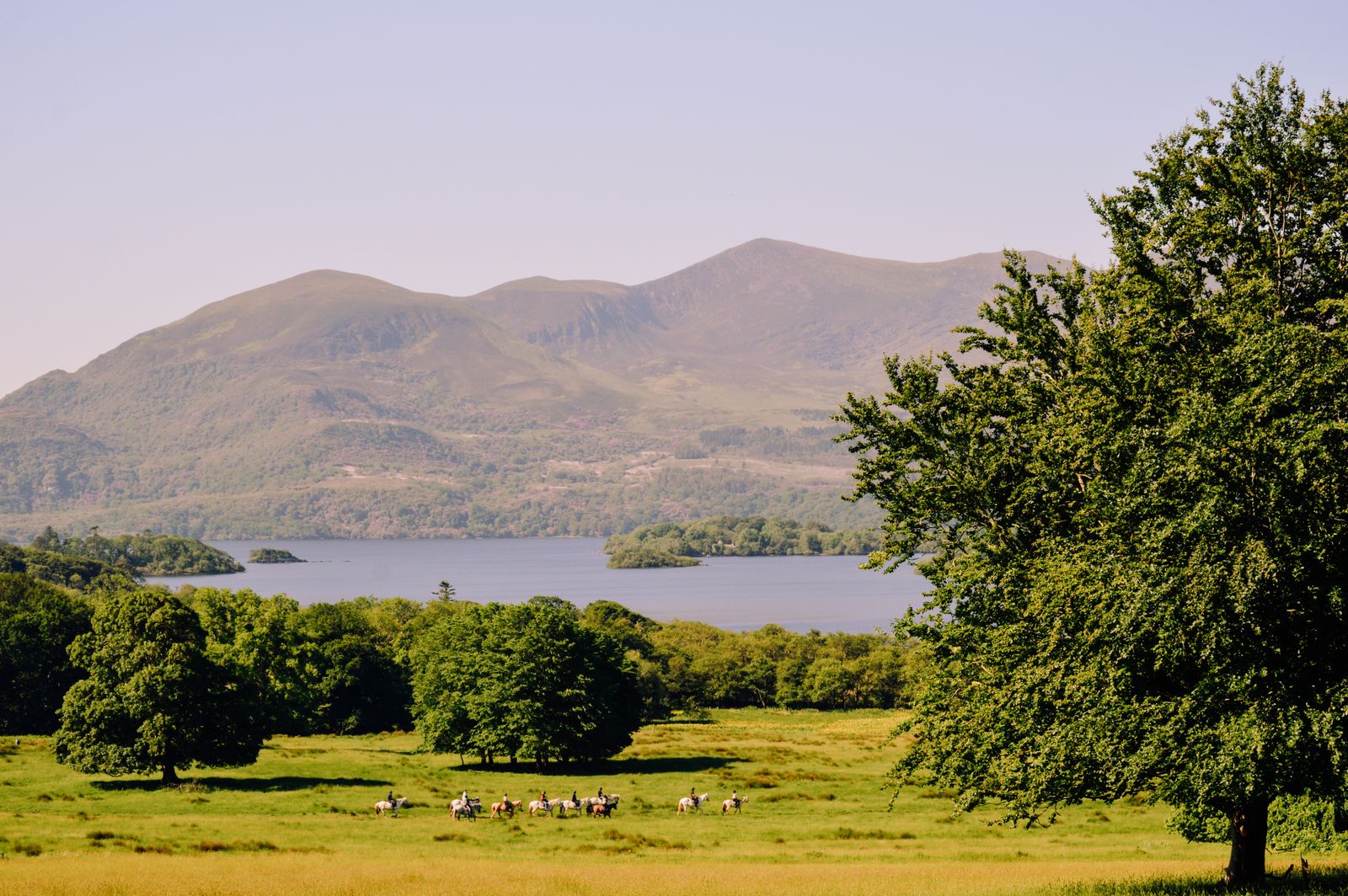
For a second base, Killarney covers the Ring of Kerry, Killarney National Park and the Gap of Dunloe, with Dingle an hour further west. Cork city gives the English Market, Cobh and Kinsale, and West Cork stretches from there towards Skibbereen and the peninsulas.
The drive from Galway to Killarney takes in the Burren and Limerick and can be broken at the Cliffs of Moher or Adare. It is a long day if stops are added, so an early start helps. The train from Galway to Cork via Limerick is an option for travellers without a car.
Three nights in Killarney or Cork leaves two full days for the surrounding area and one for the move. Dingle and the Slea Head Drive make a good day from Killarney, and the Skellig Michael landing season is short and weather dependent, so check with the Office of Public Works before building a day around it.
Dublin and the east
Some weeks start or end in Dublin. Two nights in the city covers the Book of Kells, the Ha'penny Bridge and a walk through Georgian streets, with Howth and its cliff path a DART ride away. Glendalough and the Wicklow Mountains make a day trip south of the city.
The east also holds Kilkenny, Waterford and the Rock of Cashel, all within a few hours of Dublin by train or road. A week split between Dublin and Galway, with a stop in Kilkenny or the Wicklow Mountains between, is a common and comfortable shape.
If the week is spent mostly in the east, a car is less necessary. Trains and coaches link the main towns, and Transport for Ireland's journey planner shows the connections. Rural buses run less often, so check timetables before planning a day around one.
Book a seat on intercity trains and coaches for Friday and Sunday evenings, when services fill. Check with Iarnród Éireann or Bus Éireann.
Adding Northern Ireland
Northern Ireland is part of the United Kingdom, with pounds sterling, miles and mph. A week that includes Belfast and the Causeway Coast is a different trip from one spent in the west, and the two are hard to combine well in seven nights unless the week is split between Belfast and Galway or Dublin.
The Enterprise train links Dublin and Belfast, and the Causeway Coastal Route runs between Belfast and Derry~Londonderry. The Giant's Causeway is cared for by the National Trust, and state monuments by the Department for Communities. Check opening and access with those bodies before travelling.
There are no routine checks on roads crossing the border, but entry rules depend on the passport. Check the Irish Immigration Service for the Republic and gov.uk for Northern Ireland before booking. Currency changes at the border, so carry both or use a card.
Keeping travel days short
Aim for no more than two hours of driving on a moving day. Longer transfers eat the afternoon and leave little energy for the place arrived at. The map is small, but roads west of Galway narrow and slow, and a route that looks short can take longer than expected.
Trains are the easiest moving days. Dublin to Galway, Cork, Belfast, Westport and Sligo are all direct, and the journeys are comfortable. Coaches reach towns without rail, including much of the west and Donegal. Rural TFI Local Link buses fill gaps but run infrequently.
Traffic drives on the left everywhere on the island. Visitors unused to it should keep the first day's drive short and avoid arriving after dark on narrow roads. Parking in city centres is limited, so a base with parking or a station nearby makes the week easier.
Check road conditions and any closures with Transport Infrastructure Ireland before a long drive, especially in winter.
Choosing where to stay
Within a base, choose a town or village with food, a shop and a station or bus stop if possible. Galway city, Westport, Killarney, Dingle, Cork city, Kilkenny and Sligo all offer that, and each has day trips on the doorstep. Smaller villages suit a quieter week but need a car.
The booking search on this page is set to the Galway region, a sensible first base for a week that heads west. From there, a second base in Kerry or Cork keeps the travel day short and the return to the airport manageable. Belfast suits a week that includes the north.
Leave the last night near the departure airport. A final night in a distant town turns departure day into a rush, and morning flights from Shannon, Cork or Dublin are easier from a nearby base. Check-in times and transfer times are worth confirming with the airline and the airport.
Confirm opening seasons for castles, parks and heritage sites with the Office of Public Works or the National Parks and Wildlife Service, as many run reduced hours outside summer.