Ireland has made real progress on access, but provision is uneven. Cities and major heritage sites are generally well served, while rural paths, older buildings and island ferries vary widely. Planning around confirmed step-free routes, and checking with the body that runs each place, saves difficulty on the day.
Two jurisdictions
Accessible travel in Ireland means planning across two jurisdictions. The Republic of Ireland uses the euro and kilometres, and its transport and heritage bodies publish their own access information. Northern Ireland is part of the United Kingdom, uses pounds sterling and miles, and its access guidance comes from different bodies.
There are no routine checks on roads crossing the border, so a route can move between the two without formalities. Standards for ramps, lifts and accessible toilets are broadly similar, but the details differ. Check the relevant body for each stop rather than assuming a policy carries across.
The practical effect is that a single trip may need two sets of checks. A train in the Republic is booked through Iarnród Éireann, while one in Northern Ireland is booked through Translink. Heritage sites are run by the Office of Public Works in the Republic and by separate bodies in the north.
Rail and coach travel
Iarnród Éireann runs the rail network in the Republic, with step-free access at many larger stations and assistance available if booked ahead. Not every station is fully accessible, and older rural stations may have platforms reached only by steps. The operator publishes station-by-station access notes.
Bus Éireann and private coach operators run much of the intercity network. Many coaches have low-floor access and a wheelchair space, but this is not universal on every route. TFI Local Link rural buses vary by vehicle, so confirm when booking rather than on arrival.
In Northern Ireland, NI Railways and Translink run trains and buses, with their own accessibility policy and assistance booking. The Enterprise train links Dublin and Belfast and can be booked with assistance at either end. Timetables and access arrangements change, so check with the operator before travelling.
Book assistance with Iarnród Éireann or Translink at least a day ahead where possible, and confirm the specific train or coach is accessible.
Getting around Dublin
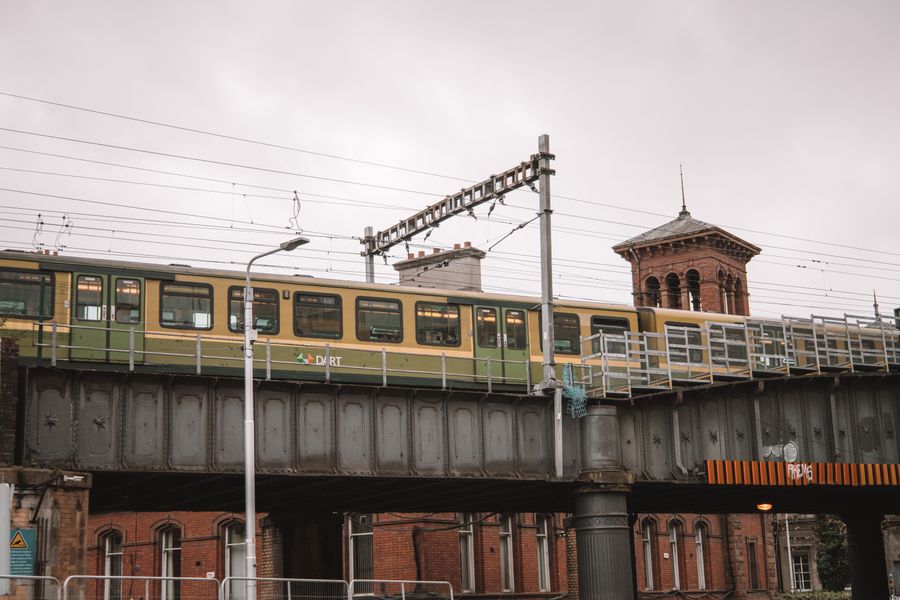
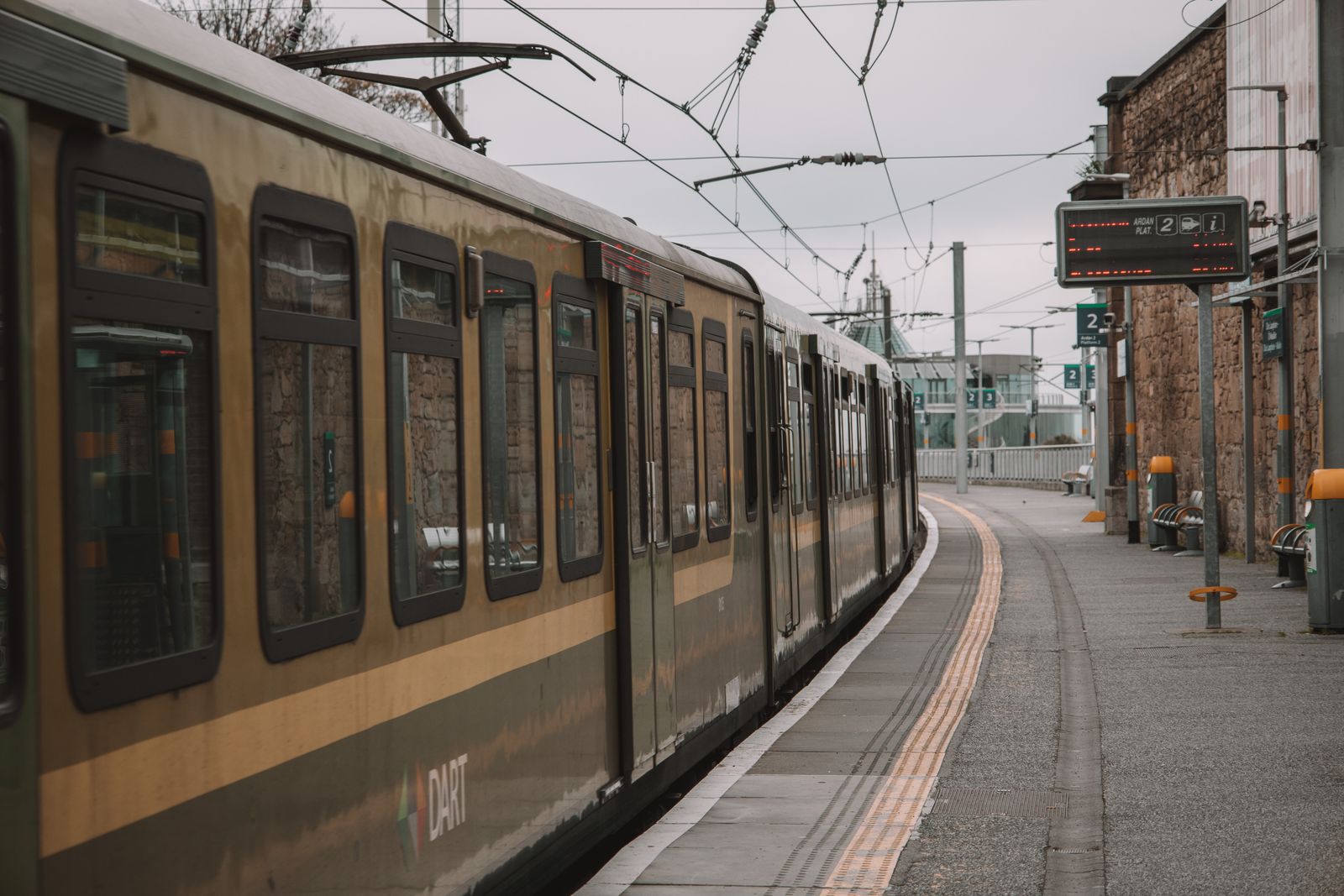
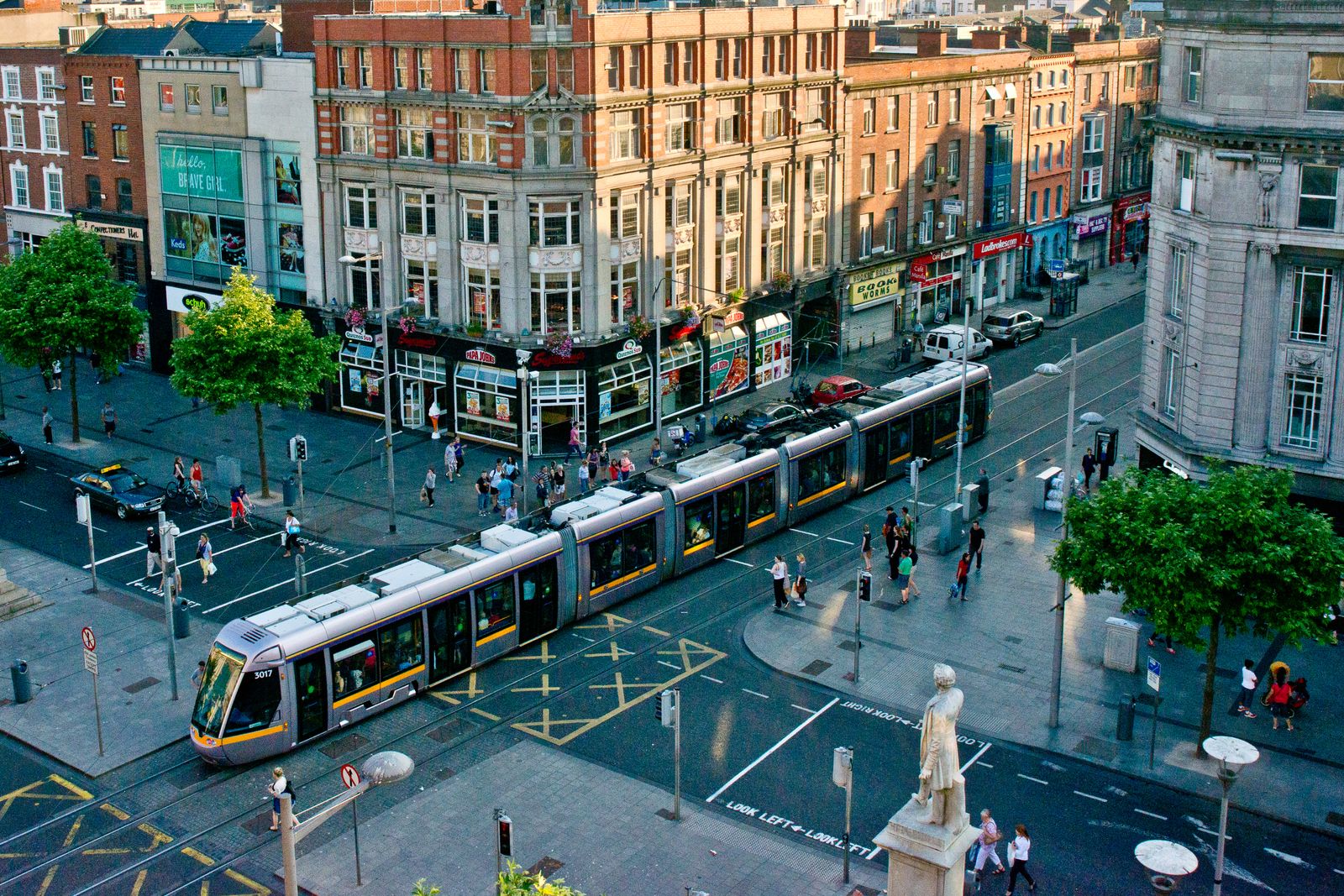
Dublin is the most straightforward city for accessible travel. Dublin Bus runs low-floor vehicles on most routes, the Luas tram network is step-free at its stops, and the DART coastal railway has lifts at the busier stations. Transport for Ireland publishes access information for each.
The Luas is often the simplest option for the city centre, running on two lines with level boarding. The DART serves coastal suburbs and towns such as Howth, Malahide, Bray and Greystones, useful for a day out without a car. Not every station has a lift, so check the one you plan to use.
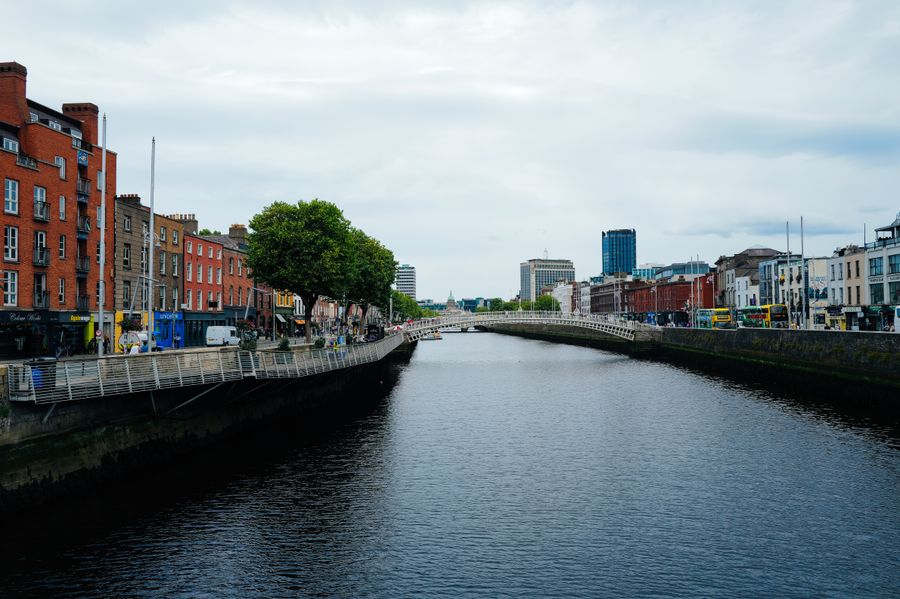
Streets in the Georgian core have uneven paving and narrow footpaths in places, and Temple Bar is busy in the evenings. The wider city centre around O'Connell Street and the docklands is flatter and easier to move through. Dublin makes a sensible base for a first accessible trip.
Heritage and museums
Many of Ireland's most visited sites are managed by public bodies that publish access details. In the Republic, the Office of Public Works runs sites such as Kilkenny Castle, the Rock of Cashel and Brú na Bóinne, and its Heritage Ireland service lists access for each. Some have step-free visitor centres and lifts; others, including ruined abbeys and round towers, do not.
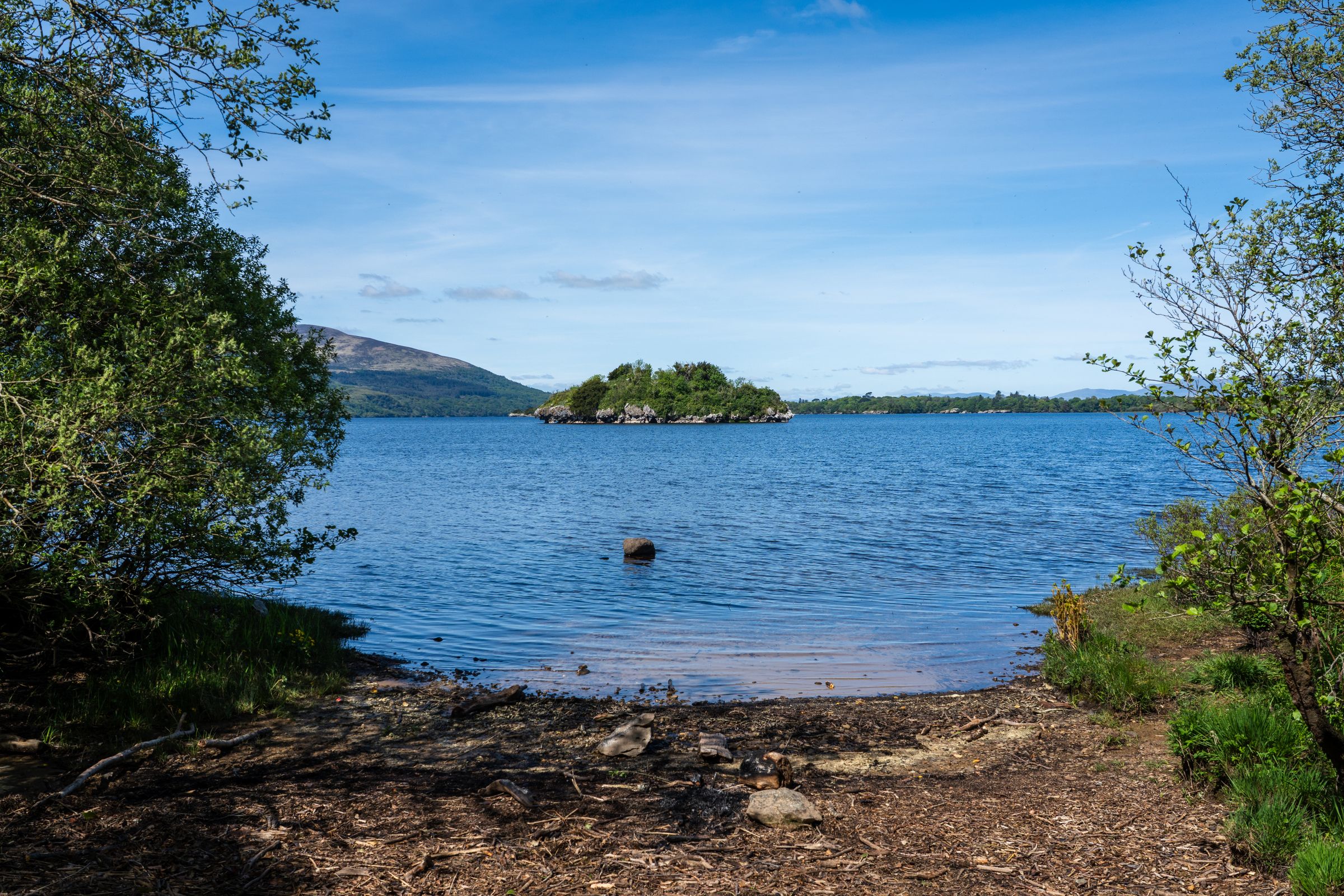
The National Parks and Wildlife Service manages the six national parks, including Killarney, Connemara and Wicklow Mountains. Visitor centres are generally accessible, while trails vary from level paths to rough mountain ground. Check the specific trail rather than the park as a whole.
In Northern Ireland, the Giant's Causeway is cared for by the National Trust, which publishes its own access guidance, and state monuments fall to the Department for Communities. Museums in both jurisdictions usually have step-free entry and accessible toilets. Opening arrangements change, so confirm before setting out.
Check access notes for the individual site on Heritage Ireland or the National Trust before travelling, as facilities differ sharply between buildings.
Coasts and islands
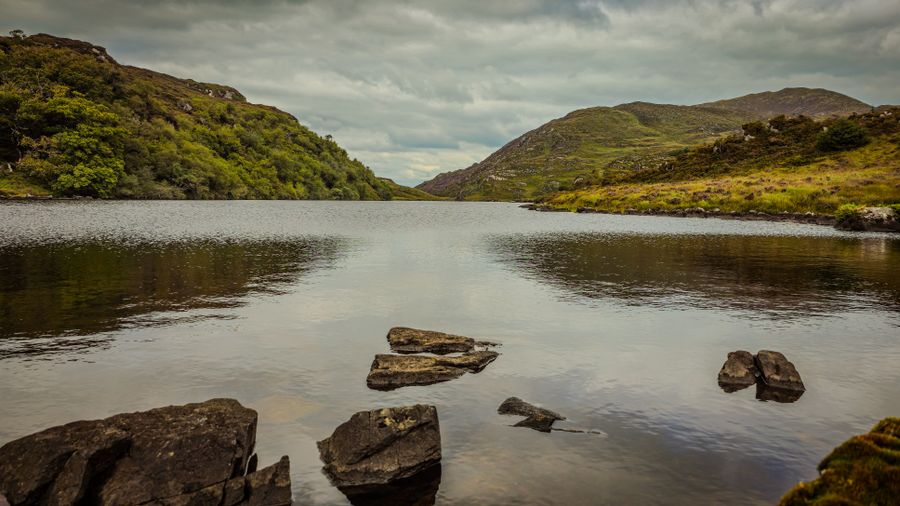
Coastal and mountain landscapes are the hardest part of accessible travel in Ireland. Cliff paths such as those at the Cliffs of Moher and Howth have viewing areas near the car parks, but the longer walks are on uneven ground with steep drops. Visitor centres at the main sites are usually step-free.
Island ferries vary. Some passenger boats can take a wheelchair with notice, while others cannot, and landings depend on weather and tide. Skellig Michael landings run only in summer, weather permitting, with a limited number of licensed boats, and the climb is steep. Check with the Office of Public Works.
Beaches are uneven ground, and few have beach wheelchairs. A small number of local authorities and community groups provide them, but this changes. Ask the relevant local authority or the site directly rather than relying on older information.
Choosing a base
A base with step-free transport links makes the rest of a trip easier. Dublin is the obvious starting point, with the Luas, DART and accessible buses, and day trips by train to coastal towns. Cork city is compact and flat around the centre, with rail links to Cobh and West Cork.
Galway city is walkable in the centre and works as a base for Connemara, though rural buses vary. Kilkenny and Waterford have compact centres and rail connections. Killarney suits a stay near Killarney National Park, where the visitor centre and some paths are accessible.
For Northern Ireland, Belfast has the best transport links, with accessible buses and trains and the Causeway Coastal Route within reach by rail. Derry~Londonderry is compact and walkable. In all cases, check the specific hotel or guesthouse for step-free entry and adapted rooms, as older buildings vary.
Practical points
Emergency numbers are 112 or 999 on both sides of the border. Plugs are the three-pin type G throughout the island. Pharmacies are common in towns, and larger hospitals are in the cities. Travel insurance that covers pre-existing conditions is worth arranging before travelling.
Accessible toilets are found at motorway services, larger train stations, museums and many visitor centres, but are less reliable in small villages and on rural routes. Blue badge parking schemes differ between the two jurisdictions, so check the rules where you park.
Weather affects access more than in drier countries: rain makes paths and boardwalks slippery, and wind can close ferries and cable cars. Met Éireann and the Met Office publish forecasts. Build some flexibility into the plan, and keep a wet-weather alternative for each day.