Ireland suits families better than its weather suggests. Distances are short, beaches and ruined castles are free to walk, and most towns have a park within reach. The trick is to base yourself well and resist the urge to tour the whole island in a week.
Choosing a base
The single biggest decision for a family trip is where to sleep. One base for four or five nights beats three bases in the same week, because packing and driving eat the days that children enjoy most. Dublin, Cork, Galway, Kilkenny and Killarney all work as hubs, each with day trips within an hour or so.
Dublin city suits families who want museums, parks and short tram rides, with the coast and the Wicklow Mountains reachable by DART and by road. Cork city gives access to the harbour, Cobh and the beaches of West Cork. Galway city is a compact base for Connemara and the Burren.
Kilkenny is small and walkable, with a castle in the middle and countryside around it. Killarney puts a national park, lakes and mountain walks on the doorstep. Westport and Sligo work for families who want the west without long transfers, and Belfast covers the northern coast.
Wherever you choose, look at the map before booking. A place that looks central may sit on a busy road with no footpath, and a cottage in the hills may be twenty minutes from the nearest shop. Ask about parking, stairs and heating before you commit.
Book accommodation with a kitchen or a nearby shop. Self-catering cuts mealtimes short and keeps costs down. Check with Fáilte Ireland for registered accommodation.
Short walks and parks
Children do not need long hikes. A walk of an hour with something at the end works better than a five hour trek. Forest parks, demesnes and national parks all have waymarked trails, and many have shorter loops suitable for small legs. The National Parks and Wildlife Service runs the six national parks in the Republic, and each has walking routes of different lengths.
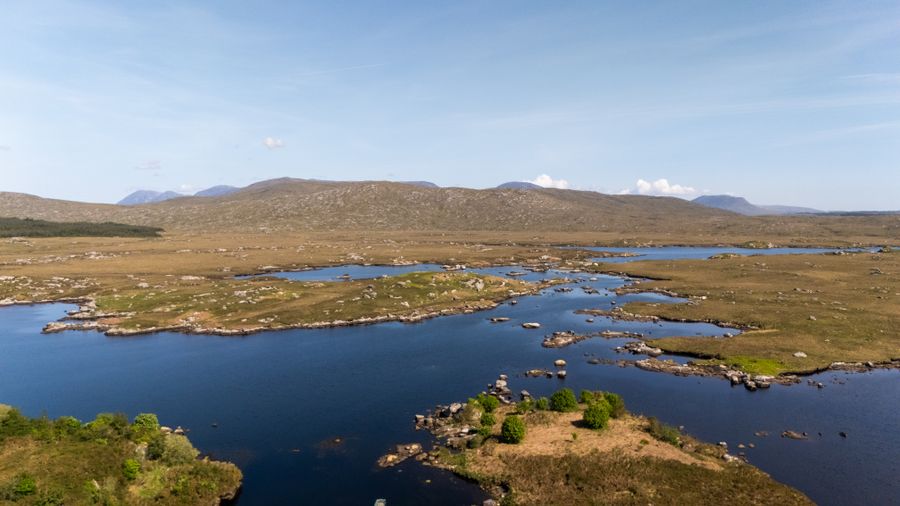
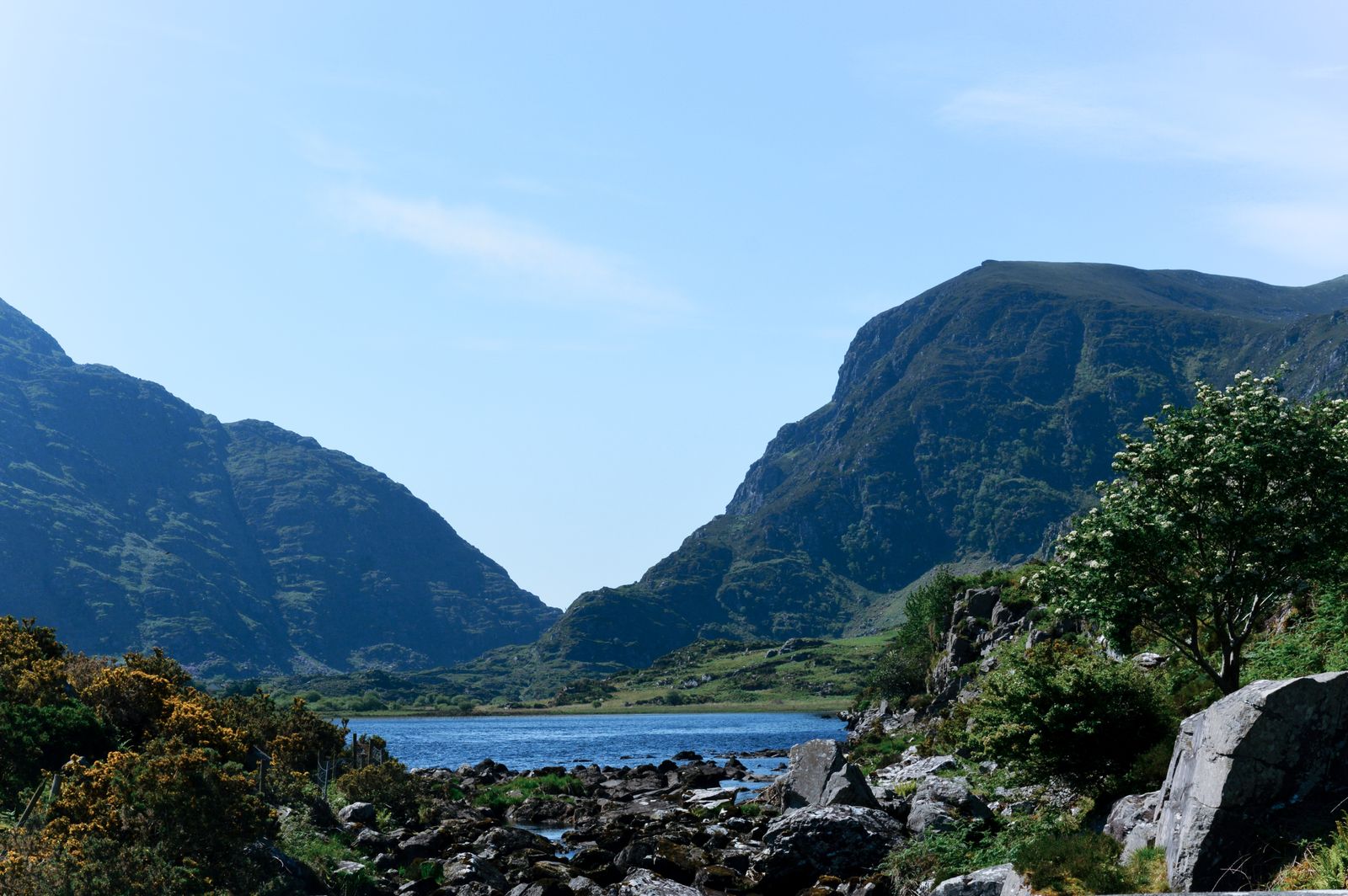
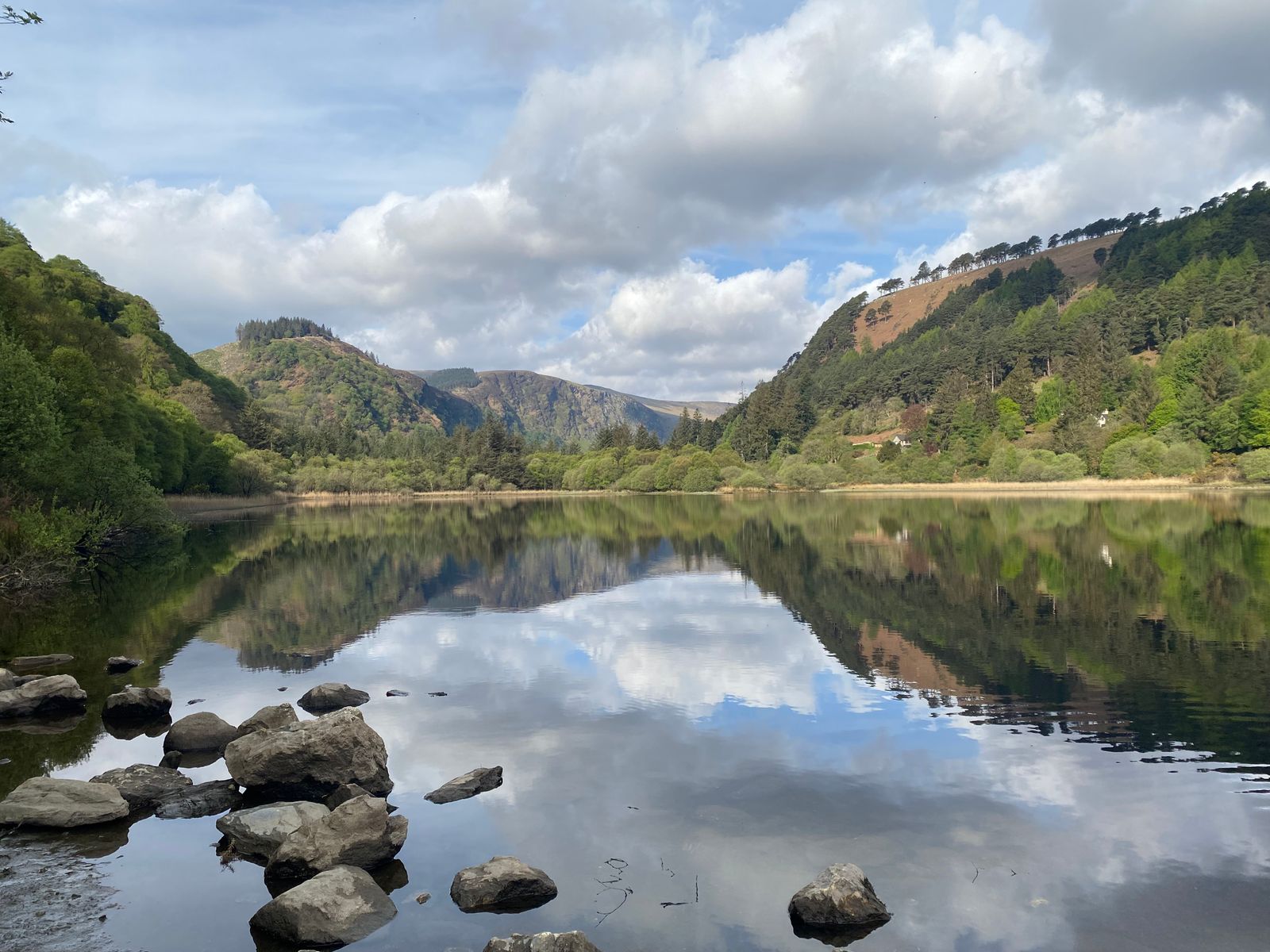
Killarney National Park has lakeside paths and carriage roads that are easy underfoot. The Wicklow Mountains have forest trails around Glendalough and Laragh. Connemara National Park has a short trail to a viewing point below the Twelve Bens, and Glenveagh in Donegal has a lakeside walk to the castle.
Town parks are underrated. The People's Park in Dun Laoghaire, the Lough in Cork and Eyre Square in Galway all give children space to run. Playgrounds are common in towns and villages, and many are marked on local maps.
Weather changes quickly, so carry waterproofs rather than umbrellas. A change of socks and a flask make more difference than any plan. Check trail conditions with the National Parks and Wildlife Service before setting out in winter.
Beaches and the coast
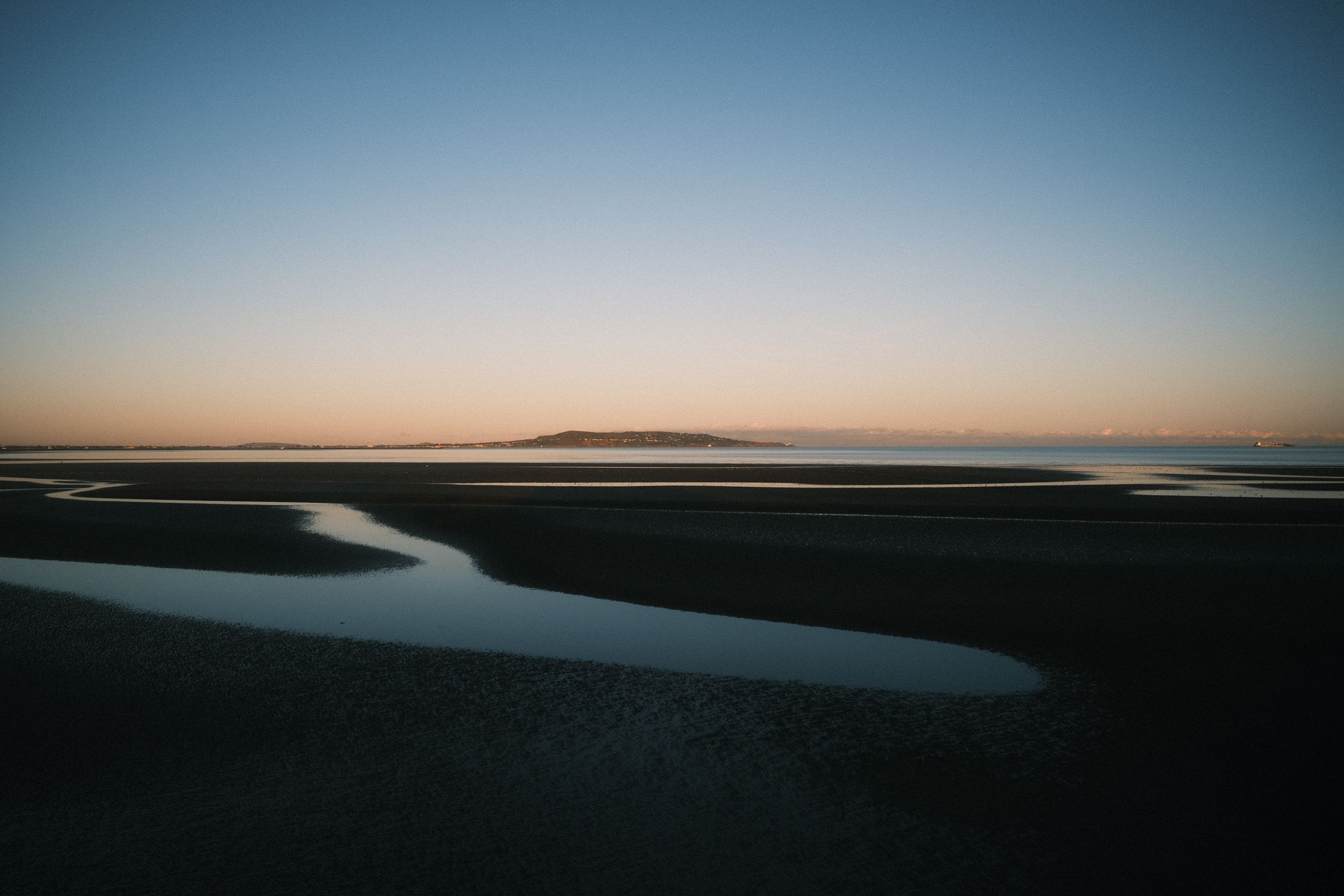
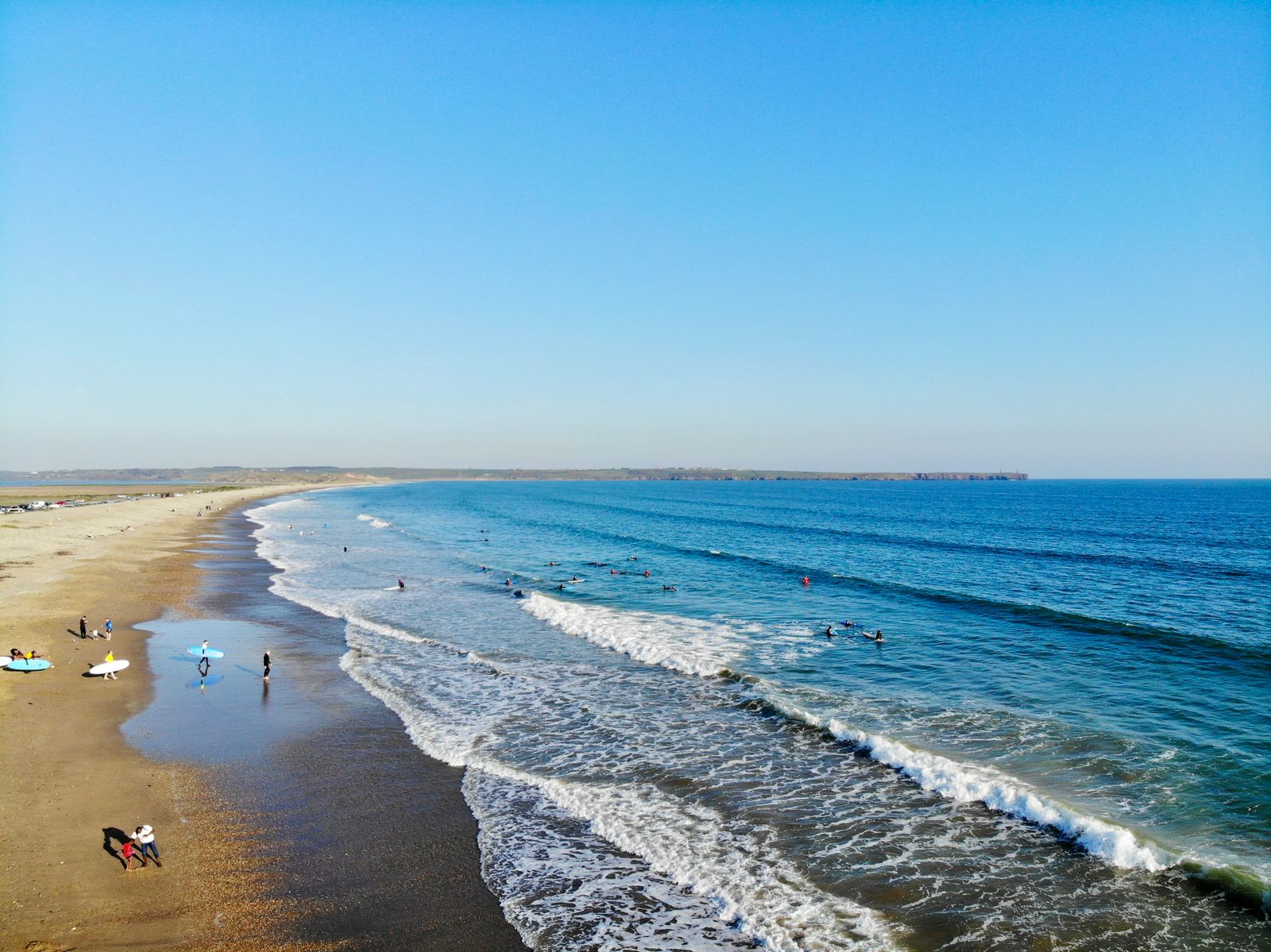
Ireland has a long coastline and most of it is free to walk. Sandy beaches are common on the east and west coasts, and many have lifeguards in summer. The beach at Portmarnock and the strand at Howth are close to Dublin. In the west, the beaches of Achill, Keem Bay and the Maharees in Kerry are wide and shallow.
Sea swimming is cold at any time of year, and currents can be strong. Children should stay within their depth and within sight. Lifeguard cover is seasonal, so check locally before swimming outside the summer months.
Rock pools are a reliable attraction. Crabs, anemones and small fish turn up in the pools at low tide, and a bucket and net keep children busy for an hour. The shore is also a good place to see seals and seabirds.
Tides matter. Some beaches shrink to nothing at high water, and causeways flood. Check tide tables with Met Éireann or a local harbour office before planning a walk along the strand.
Check tide times before a beach day. Met Éireann publishes forecasts, and local harbour notices give tide tables.
Castles and heritage sites
Castles are the reliable hit with children. Many are in ruins and free to walk around, which suits short attention spans. Others are run by the Office of Public Works and have exhibitions, films and guided tours. Kilkenny Castle, the Rock of Cashel, Trim Castle and King John's Castle in Limerick all have something to see indoors as well as out.
In Northern Ireland, state monuments are looked after by the Department for Communities, and the Giant's Causeway is cared for by the National Trust. Dunluce Castle stands on a cliff above the sea, and Carrickfergus Castle has walls to walk.
Brú na Bóinne and Newgrange are ticketed and busy in summer, so book ahead. The passage tomb at Newgrange is a short walk from the visitor centre, and the tour takes about an hour.
Not every child wants a guided tour. A ruin with a grassy bank and a view often works better than a formal exhibition. Pick one heritage site a day at most, and let the rest of the day be free.
Book ticketed sites such as Newgrange ahead in summer. Check opening times with the Office of Public Works or Heritage Ireland.
When it rains
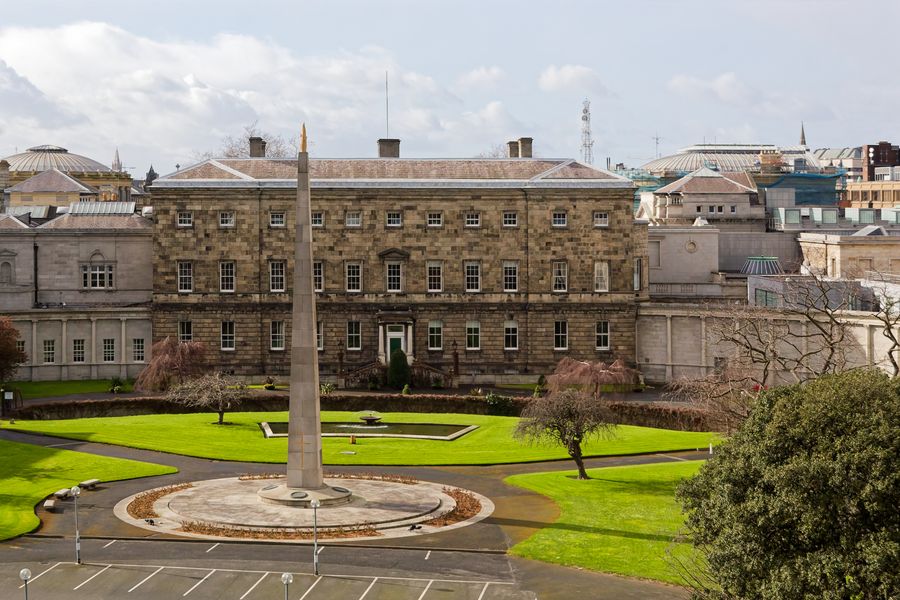
Rain is part of the trip, not a reason to cancel it. Museums, galleries and visitor centres give shelter and something to do. In Dublin, the National Museum of Ireland and the National Gallery of Ireland are free to enter, and both have rooms that suit children. These collections hold plenty of armour, animals and old maps to keep a wet morning moving along.
In Belfast, the Ulster Museum has natural history and dinosaurs, and the Titanic Belfast exhibition is indoors. Cork has the Butter Museum and the city gaol, and Galway has the city museum. Most towns have a library with a children's section, and many run story hours that welcome visitors on wet afternoons.
Swimming pools and leisure centres are another option, and many towns have one. Cinema trips work on the wettest days, and so does a long lunch. A covered market is a good halfway stop, since children can walk about while the rain passes over.
The rain rarely lasts all day. A shower in the morning often gives way to brighter weather by afternoon. Carry waterproofs and plan the indoor visit for the middle of the day, then go out again once the sky clears.
Check the forecast with Met Éireann each morning. Rain in the west is often heavier than in the east.
Keeping the driving down
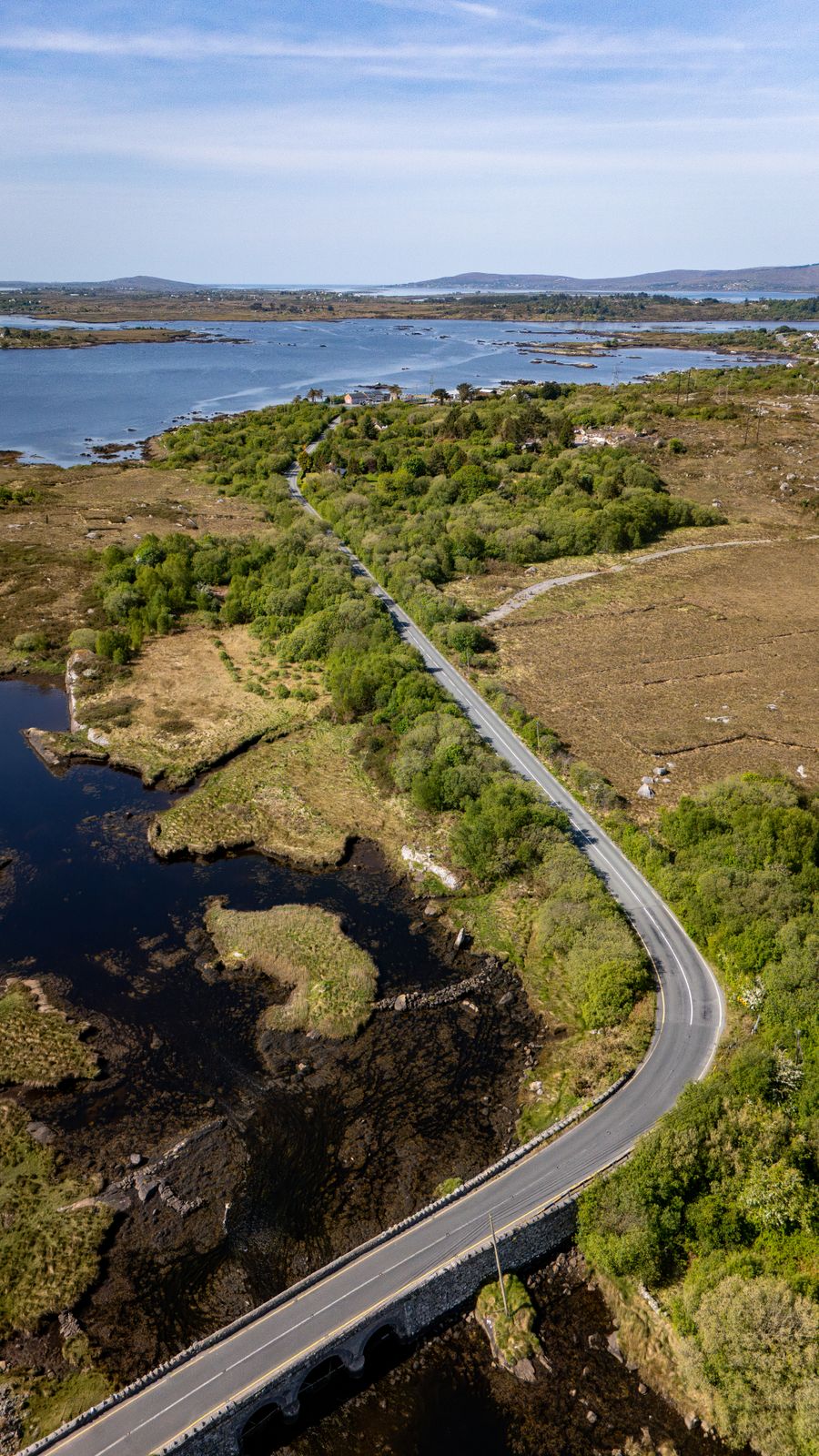
Driving distances in Ireland look short on paper and feel longer on the road. Minor roads are narrow and winding, and a journey of sixty kilometres can take well over an hour. Children notice this more than adults do.
A good rule is one hour of driving for every two hours out of the car. That means choosing a base with several things close by, rather than touring the island. A week based in Killarney or Galway will see more than a week spent moving every night.
Traffic drives on the left everywhere on the island. Child seats are required by law, and hire companies supply them if asked in advance. Check the rules with the Road Safety Authority in the Republic and with gov.uk for Northern Ireland.
Crossing the border involves no routine checks, but the currency changes to pounds sterling and speed limits change to miles per hour. Tell children about the change before the day, and keep small change for car parks.
Hire child seats with the car and confirm the fit in advance. Check current rules with the Road Safety Authority.
Practical points
Plugs are the three pin type G on both sides of the border, so one adapter covers the whole island. Emergency numbers are 112 and 999 everywhere. Pharmacies are common in towns, and larger hospitals have emergency departments. It helps to note the nearest one to your base before anything goes wrong, since rural distances can be longer than they look.
Food is rarely a problem. Most cafes and restaurants offer smaller portions, and supermarkets stock familiar brands. High chairs are common, though not universal in smaller places. Portion sizes tend to be generous, so sharing a main course between two young children often works well and keeps the meal short.
Baby changing facilities are found in most shopping centres and many museums. Public toilets are less common in rural areas, so plan stops around towns. Petrol stations on main roads usually have toilets, which makes them a sensible place to break a longer drive with children in the back.
Entry rules depend on the passport you hold. Check the Irish Immigration Service for the Republic and gov.uk for Northern Ireland before booking flights. Rules can change, so confirm close to travel.