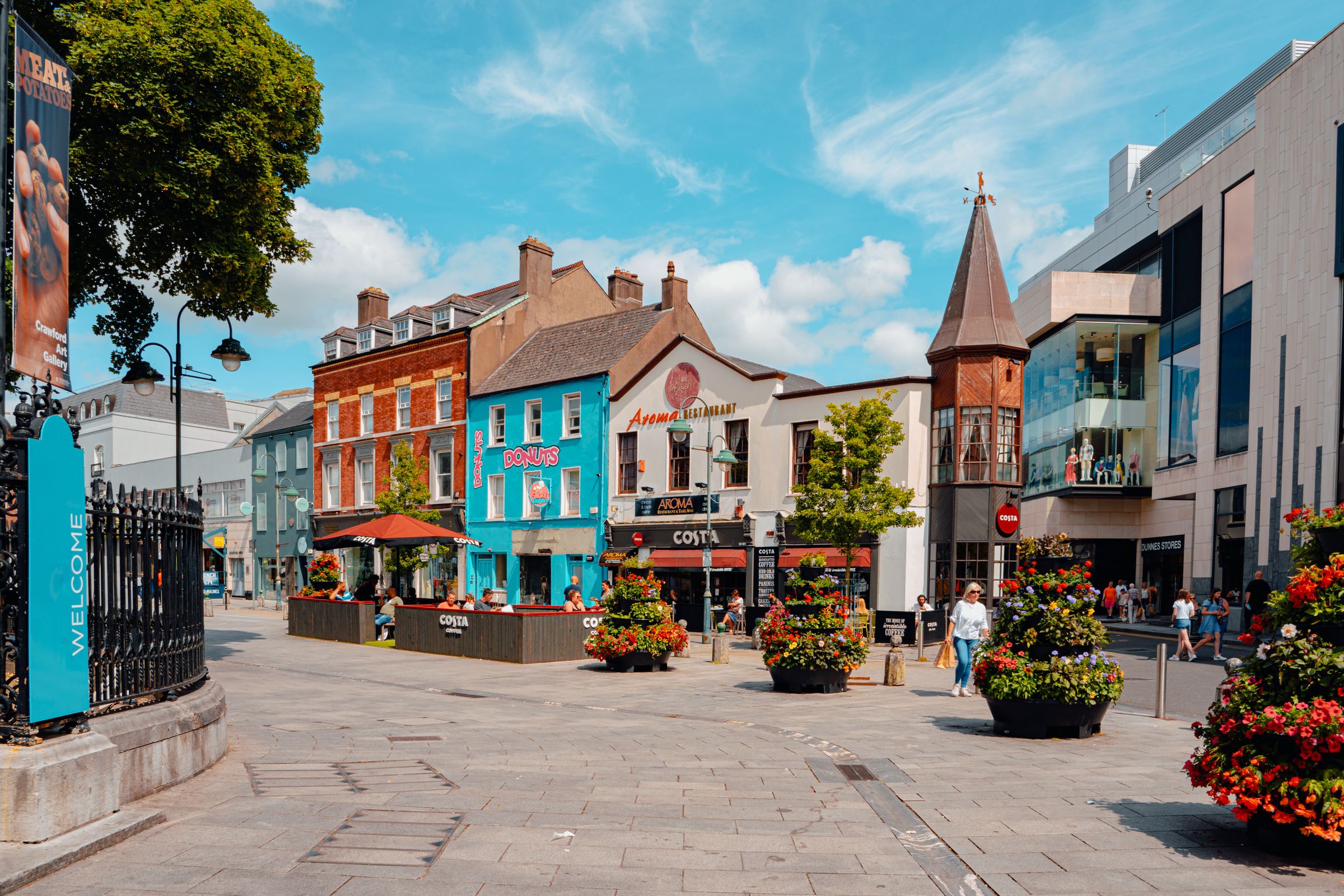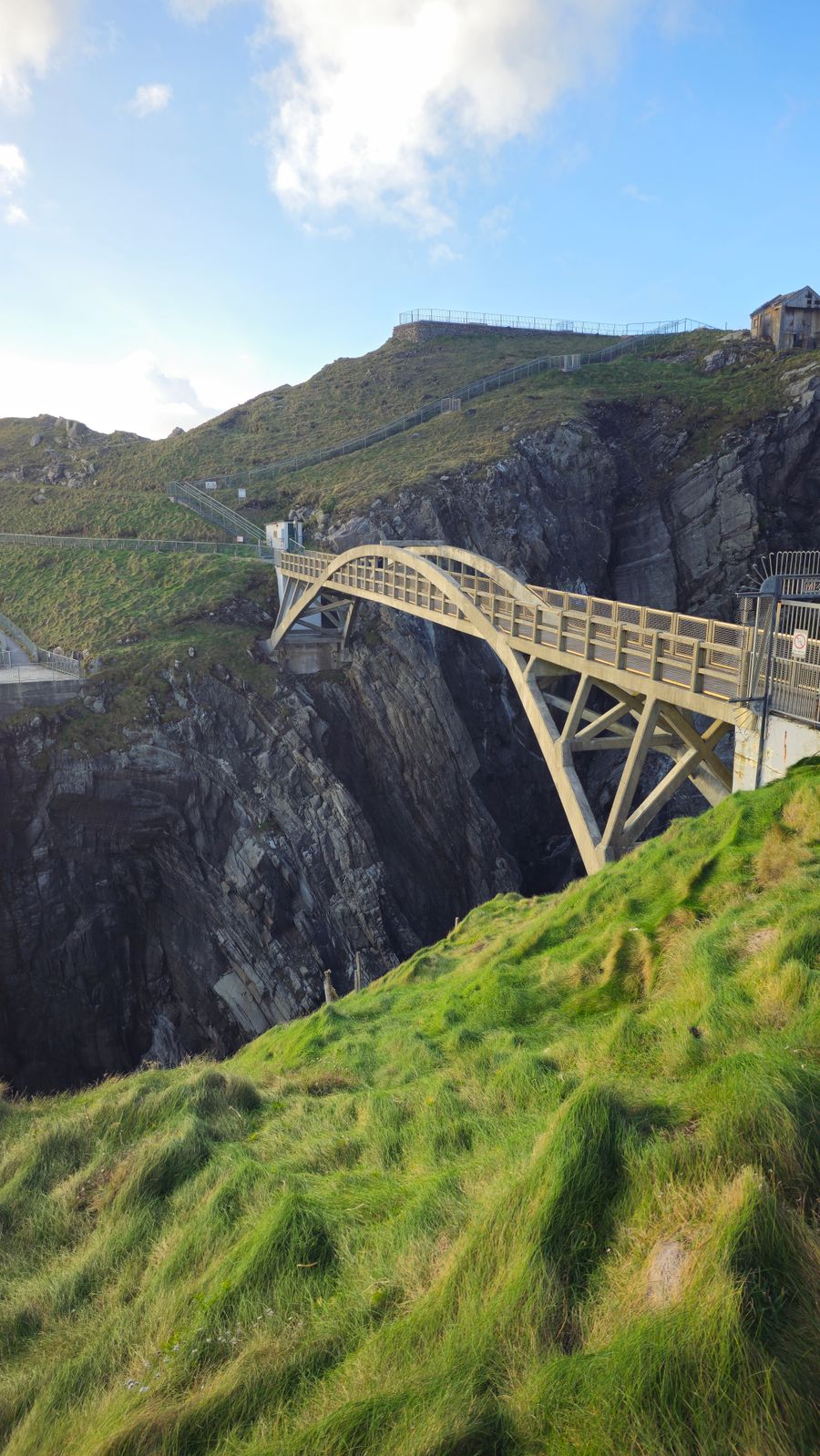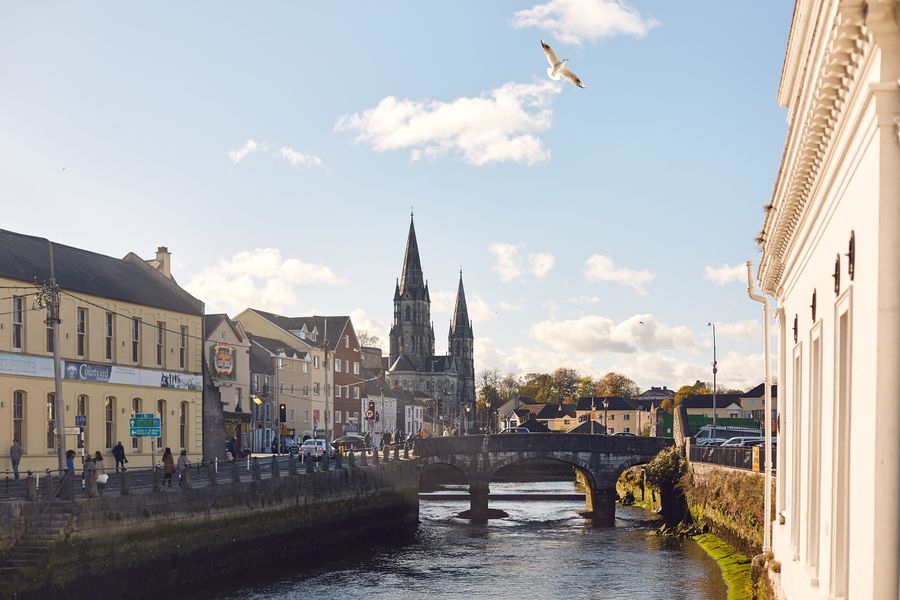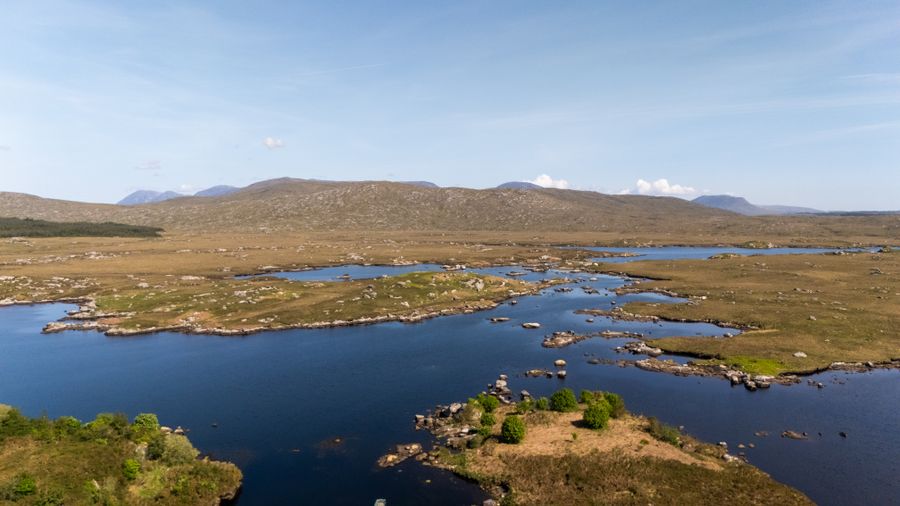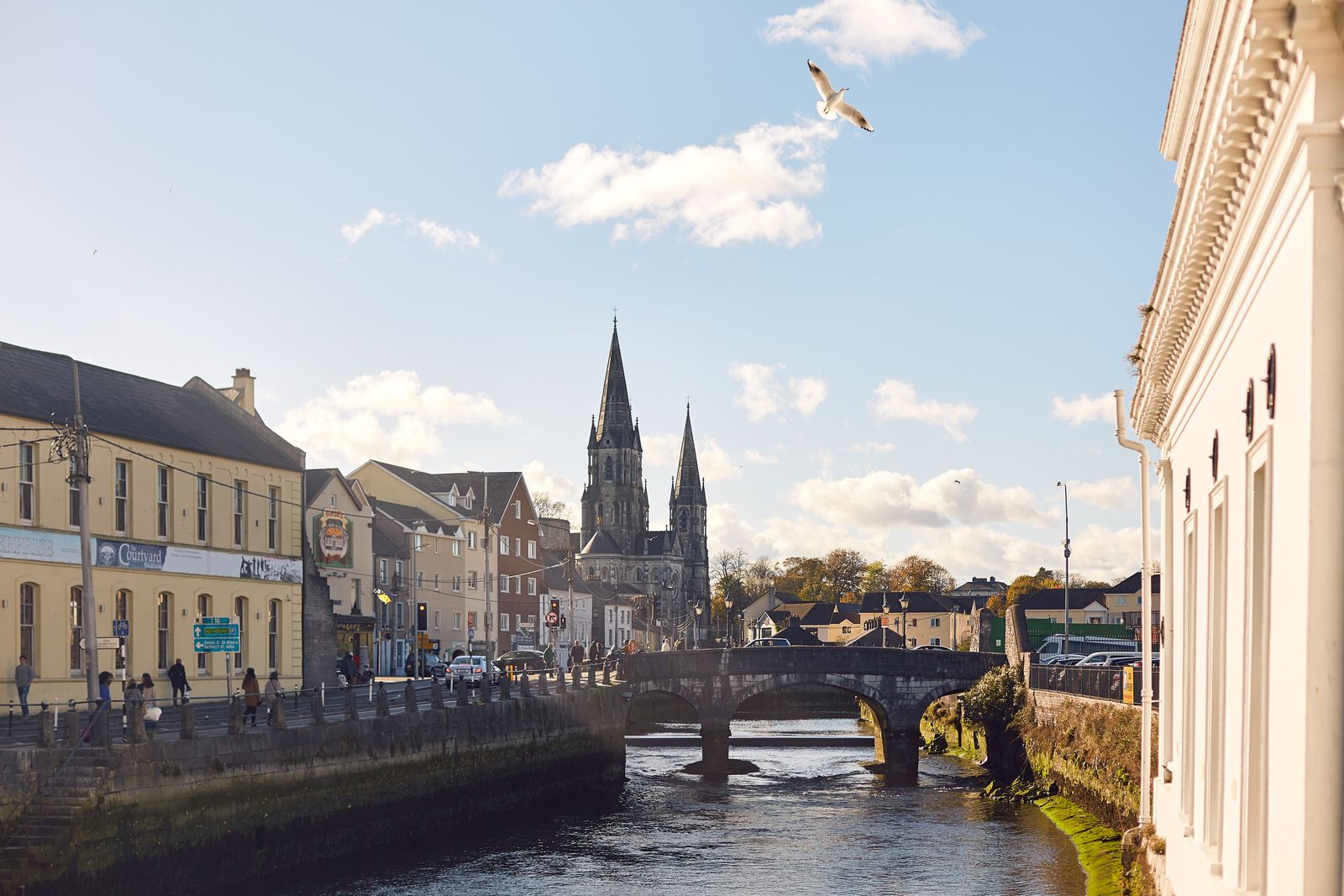
Cork City is the second city of the Republic of Ireland and the main gateway to County Cork. The centre sits on an island between two channels of the River Lee, with streets rising steeply to the north and south. It makes a useful base for the harbour and west Cork.
The island city
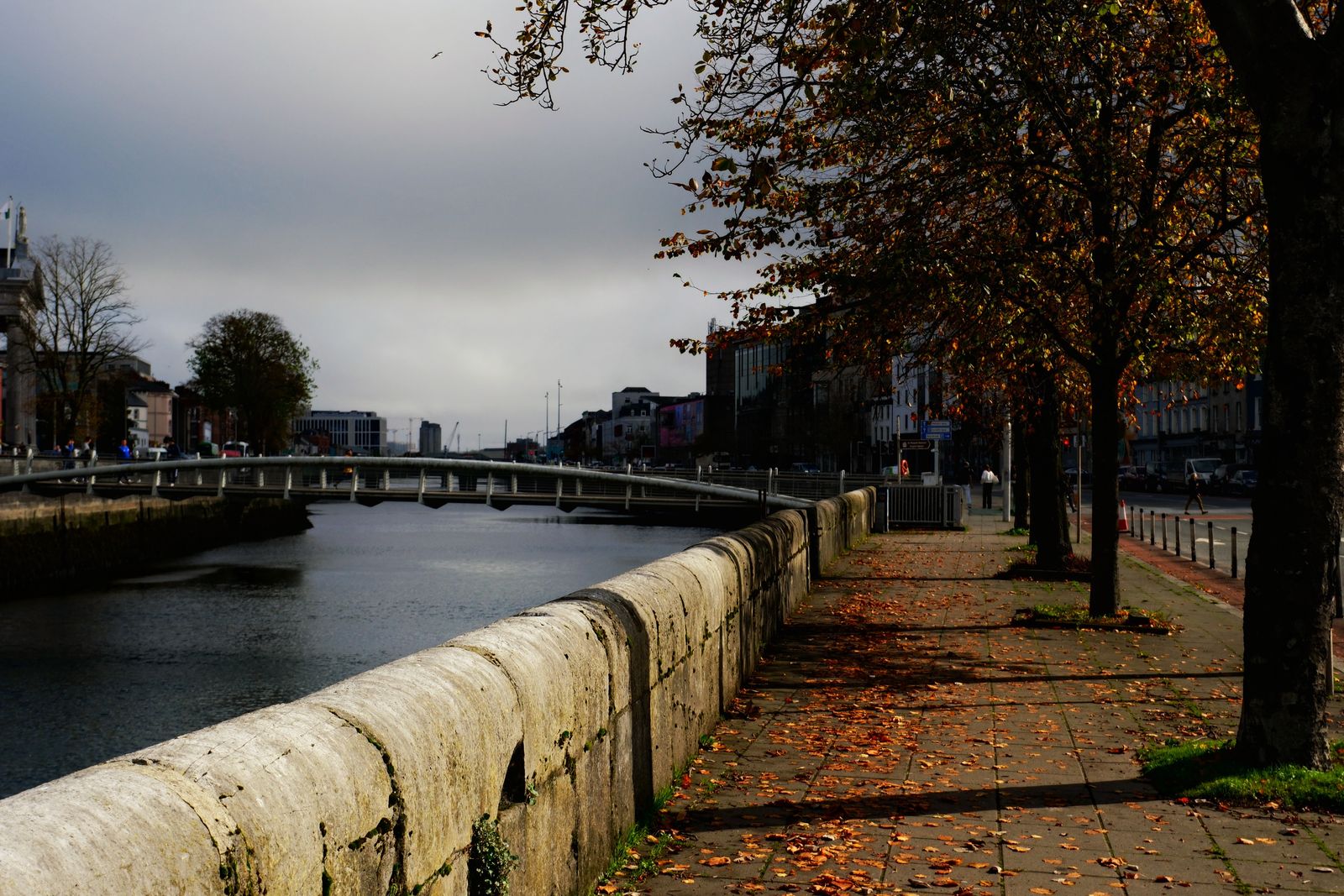
The historic core of Cork stands on an island formed by the two channels of the River Lee. Patrick Street and Grand Parade run across it, and bridges connect it to the north and south sides of the city. The south channel is largely covered by quays and streets, but the water is still visible in places.
The city grew around a monastic settlement founded by Saint Fin Barre in the seventh century. Viking and Norman traders later shaped the street pattern. Many older buildings were replaced in the nineteenth and twentieth centuries, but the network of narrow lanes off the main streets survives.
Walking is the best way to see the centre. The distances are short and the island is flat and easy to cross. The streets that climb away from the river, such as Shandon Street and Barrack Street, are steeper and take longer on foot.
The English Market
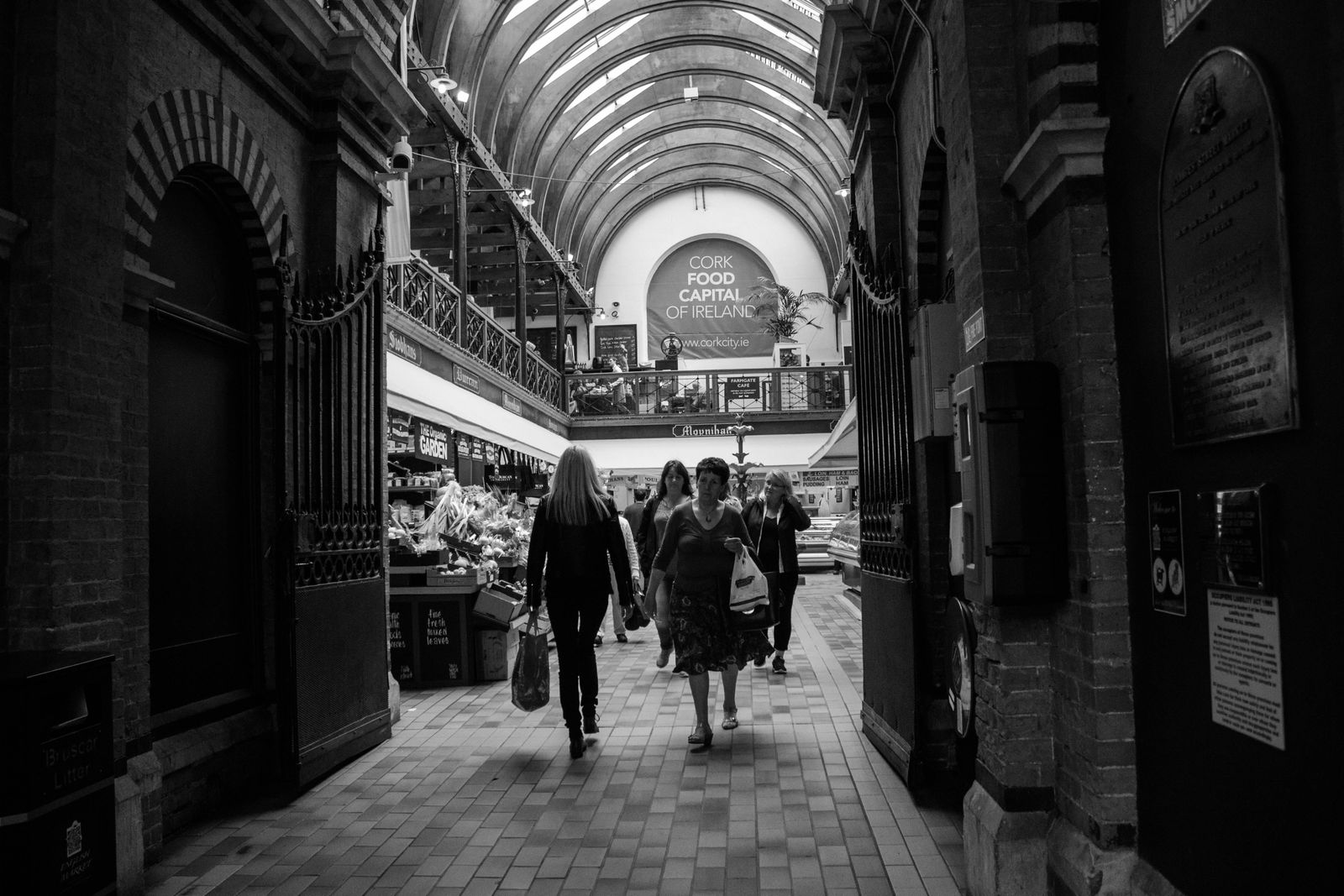
The English Market is a covered food market in the centre of the city, entered from Princes Street and the Grand Parade. It has traded on the site since the eighteenth century and is free to walk through. Stalls sell meat, fish, cheese, bread, fruit and vegetables, and there are places to eat.
The market is a working place, not a museum. It is busiest on Saturday mornings. The building has two main aisles and a gallery level, and the atmosphere is lively. Visitors can buy produce or simply look around at the counters and the tiled interior.
The market is a good place to start a visit to the city, and it gives a sense of the local food culture. It closes on some public holidays, so check the days before making a special trip across the city for it.
The English Market is a public market, not a visitor attraction. Check opening days with Cork City Council before making a special trip.
Shandon and the north side
The north side of the city rises steeply from the river. At the top of Shandon Street stands the church of Saint Anne, Shandon, with its two-faced tower. The tower is known for its bells, and visitors can climb to the belfry for a view over the city.
The climb is ticketed and involves a narrow stone stair. The reward is a close look at the bells and a view across the rooftops to the south. The church itself is open to visitors at set times, which change with the season.
The streets around Shandon are old and narrow, with terraced houses and small shops. This is a residential area, so walk quietly. The Butter Exchange, a former market building, stands nearby and is worth a look from the street.
The harbour and the coast
Cork Harbour is one of the largest natural harbours in the world, and the city grew around its trade. The harbour stretches from the city centre to the sea at Roches Point. Several islands lie within it, including Great Island, which holds the town of Cobh.
Cobh is a port town on the south side of the harbour, with a railway station and a waterfront. It is known for its association with the Titanic and for the cathedral that stands above the town. The harbour is also used by cruise ships in season.
Boats run on the harbour, and there are walking routes along the shore. The harbour is tidal, and the water can be rough in windy weather. Check with the Port of Cork for shipping movements and with operators for seasonal sailings.
Harbour trips and ferries change with the season. Check with the operator or the Port of Cork before relying on a crossing.
Museums and galleries
Cork has a number of museums and galleries. The Crawford Art Gallery, near the Opera House, holds a collection of Irish and European art. It is housed in a nineteenth-century building and is free to enter.
The Cork Public Museum in Fitzgerald Park covers the history of the city and county. The Glucksman gallery at University College Cork shows contemporary art. Both are worth checking for opening hours, which vary through the year.
The city also has a small museum devoted to the writer Frank O'Connor, and the Triskel Arts Centre in the old church of Christ Church presents music and exhibitions. These venues are scattered across the centre and the university area, so plan a route between them.
Food and drink
Cork is known for its food. The English Market supplies many of the city's restaurants, and there are several good places to eat around the centre. The county has a long tradition of butter and beef production, and the harbour supplies fish and shellfish.
The pub scene is varied. Traditional music sessions are held in some pubs, especially on the north side and around the university. The city also has a number of craft breweries, though visits to them are not always possible and should be checked in advance.
The city hosts a number of festivals through the year, including a jazz festival in October and food events in the autumn. These can make accommodation harder to find, so book ahead if a visit coincides with one.
Where to base yourself
The city centre is the obvious base for a visit to Cork. It has the widest choice of accommodation and the main sights within walking distance. The areas around Patrick Street, the Grand Parade and the quays are central and convenient for a short stay.
For a quieter stay, the suburbs of Blackrock and Douglas to the south, and Sunday's Well and Montenotte to the north, have guesthouses and hotels. They are a short bus or taxi ride from the centre and suit visitors with a car.
Cobh and Midleton, both in the harbour area, are useful bases for exploring the harbour and east Cork. Kinsale, a coastal town to the south, is another option. All are within easy reach of the city by road or rail, and each has its own character.
Buses and trains around Cork are run by Bus Éireann and Iarnród Éireann. Check timetables with Transport for Ireland before choosing a base outside the centre.