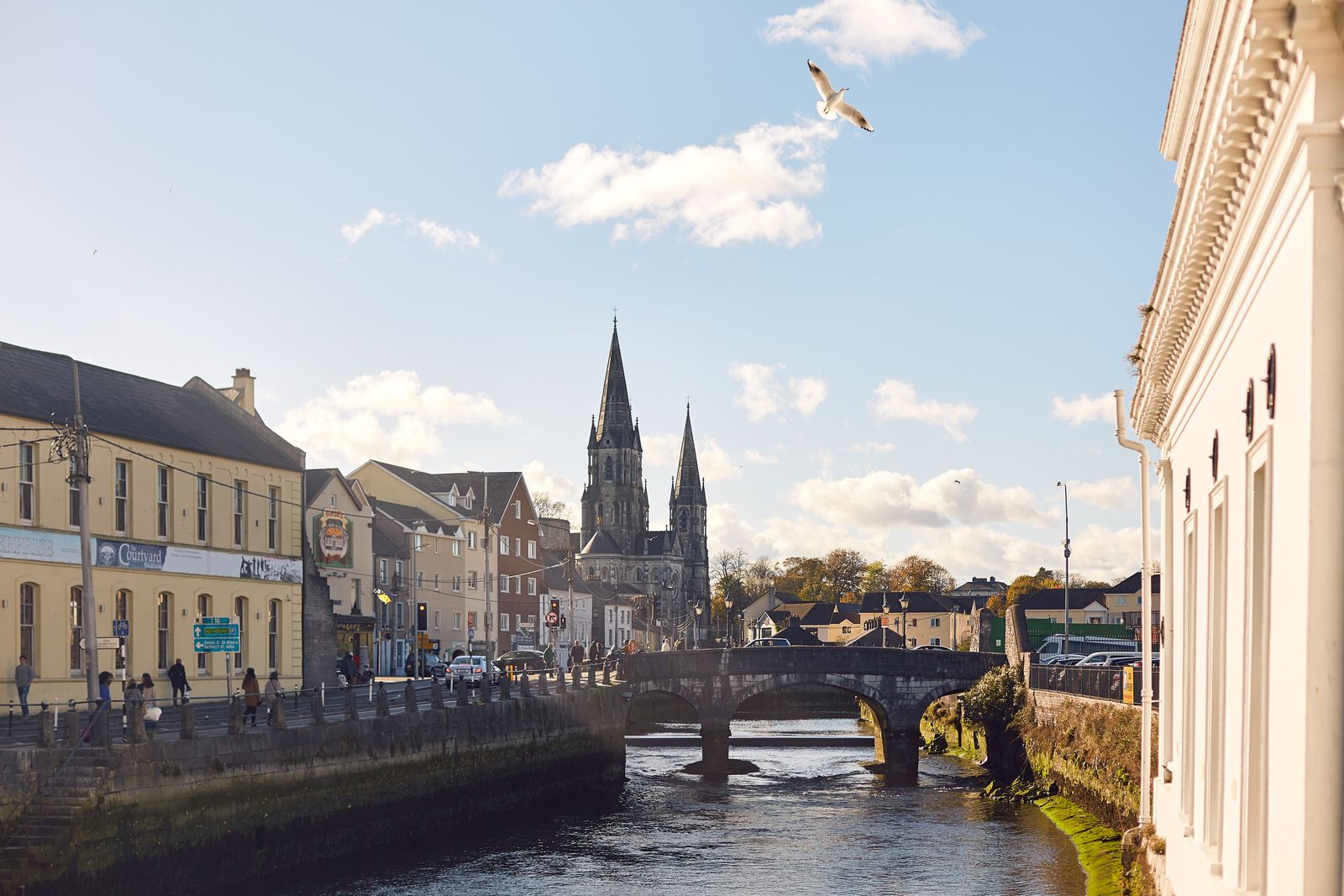
The English Market sits between Princes Street and the Grand Parade in the centre of Cork city, under a roof rebuilt more than once since the market opened in 1788. It is a working food market first and a visitor stop second, which is why it still feels like a city doing its shopping.
A market since 1788
The market was laid out in the late eighteenth century on ground beside the old city walls, and it has traded on the same site ever since. The name marks it as the market of the English, or Protestant, town establishment, as distinct from the Irish market that stood nearby.
The building has burned and been rebuilt. A fire in 1980 closed the Princes Street side for years, and the market reopened in the mid 1980s with its present layout. The glass and cast iron roof over the central aisle dates from that restoration.
The market is held in trust by Cork City Council and run as a public market. Traders hold stalls on leases, and several families have worked the same counter for generations. That continuity, rather than any single attraction, is what draws visitors.
What is sold
The market is strongest on fresh food. Butchers sell beef and lamb from Cork and Kerry farms, and there are counters for pork, poultry and cured meats. Fishmongers work with boats out of Castletownbere, Ballycotton and Kinsale, so the range follows the season and the weather.
Bakers sell soda bread, sourdough and pastries through the day, and there are stalls for cheese, olives, spices, fruit and vegetables. A few counters sell prepared food to eat on the spot, which makes the market a practical lunch stop rather than only a shopping trip.
Traders set their own opening hours, and many close by late afternoon. Saturday is the busiest day. If you want to buy fish or bread, come in the morning; if you want to look around without crowds, come on a weekday.
Stall hours vary and some close early. Check the market's own website or the notice boards at the Princes Street entrance before making a special trip.
The building
The market runs as a covered arcade between two entrances, one on Princes Street and one on the Grand Parade. The Princes Street side has a decorative facade with a fountain in front of it, a common meeting point in the city centre.
Inside, the central aisle is roofed in glass and iron, with side aisles under lower ceilings. The structure is modest rather than grand: this is a municipal market building, designed to keep goods dry and air moving, not to impress.
Look up as you walk through. The roof trusses and the tiled walls show how the market was rebuilt after the fire, and the older stonework at the Princes Street end shows what survived.
Around the market
The market sits in the middle of the island that forms the historic core of Cork, between the north and south channels of the River Lee. Most of the city's central streets are within a short walk of the entrances.
The Huguenot Quarter, around Paul Street and Carey's Lane, is a few minutes north and has cafés and small shops. St Patrick's Street, the main shopping street, is immediately south of the Grand Parade entrance.
The Crawford Art Gallery and Bishop Lucey Park are both close by, and the walk along the quays takes you towards the opera house and the bridges. A morning at the market fits easily into a half day in the city centre.
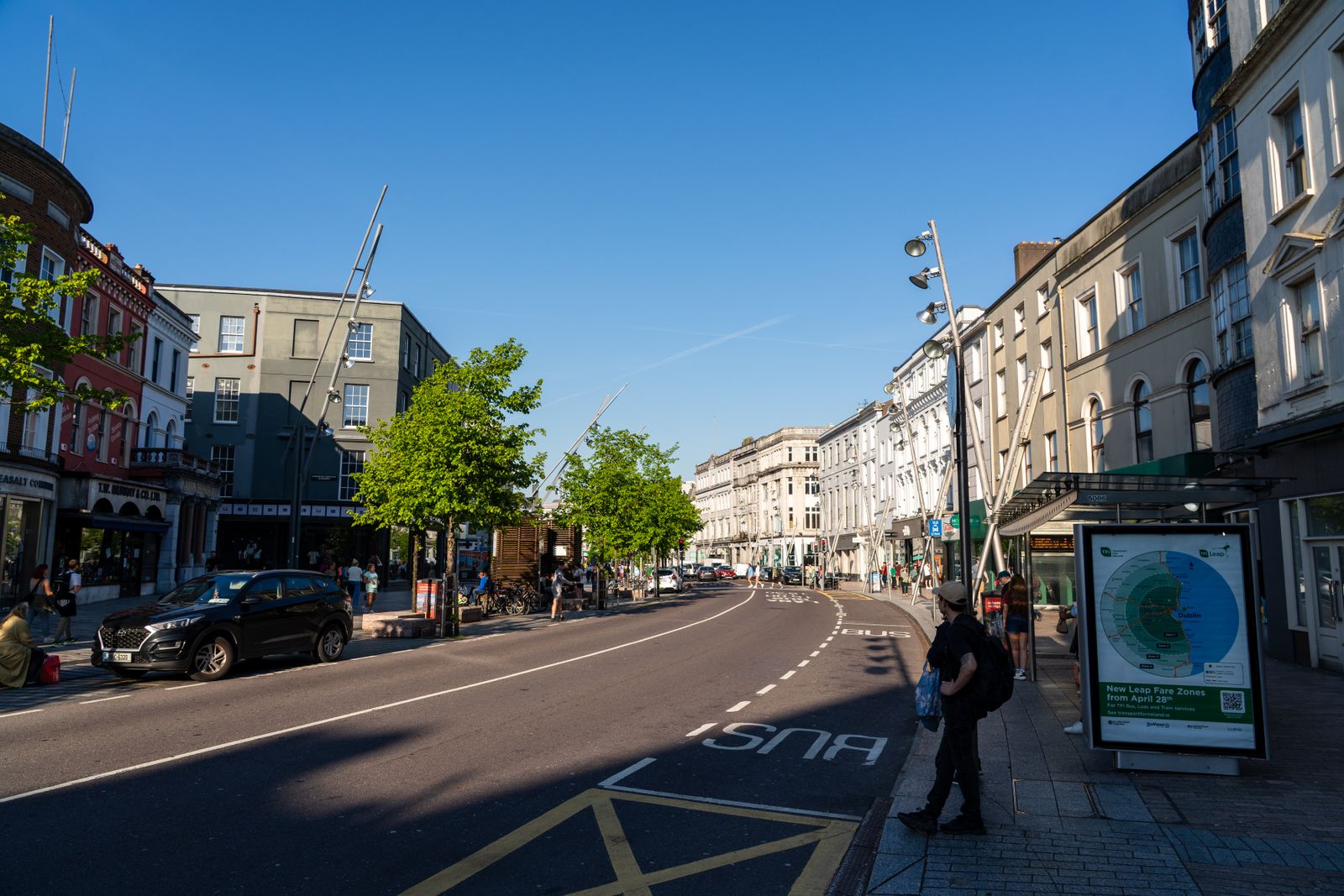
Cork city centre streets are busy with traffic and buses. Use the footpaths and crossings, and allow extra time on match days.
Eating in and near
Several stalls in the market sell hot food, sandwiches and coffee, and there is seating in the gallery above the Princes Street end. It fills up at lunchtime, particularly on Saturdays.
Around the market, the streets of the Huguenot Quarter and the area near the Grand Parade have cafés and restaurants for every budget. The city is known for its food scene, and much of what is served locally is bought in the market itself.
Cork has a long tradition of food markets and food writing, and the market is often used as a starting point for talking about the county's produce: beef, butter, fish and cheese from west Cork and the Lee valley.
Getting there
The market is in the city centre, within walking distance of most central hotels and of the bus and rail stations. Cork Kent railway station is about twenty minutes on foot, and buses from the suburbs stop on St Patrick's Street and the Grand Parade.
If you are driving, park in one of the city centre car parks and walk. The streets around the market are narrow and mostly pedestrianised or one way, and on-street parking is limited. Allow extra time on weekday afternoons when delivery vans serve the stalls.
The market is on level ground with step-free entrances, but the aisles are narrow and busy at peak times. Visitors with mobility difficulties may find a weekday morning easier, and the gallery above the Princes Street end can be reached by lift.
For bus and rail times into Cork, check Transport for Ireland's journey planner, Iarnród Éireann and Bus Éireann; timetables change.
Where to base yourself
Cork city itself is the obvious base for a market visit. Staying in the centre puts the market, the galleries and the restaurants within walking distance, and the city has a good range of places to stay in every category.
West Cork, reached by road or bus from the city, is a good base for a longer stay: Clonakilty, Skibbereen and Bantry are all within reach of the coast, and the market is an easy day trip from any of them.
Kinsale, Cobh and Midleton are also practical bases, with rail or bus links to the city. Wherever you stay, check the timetables for the route into Cork before you book, as services vary by season.