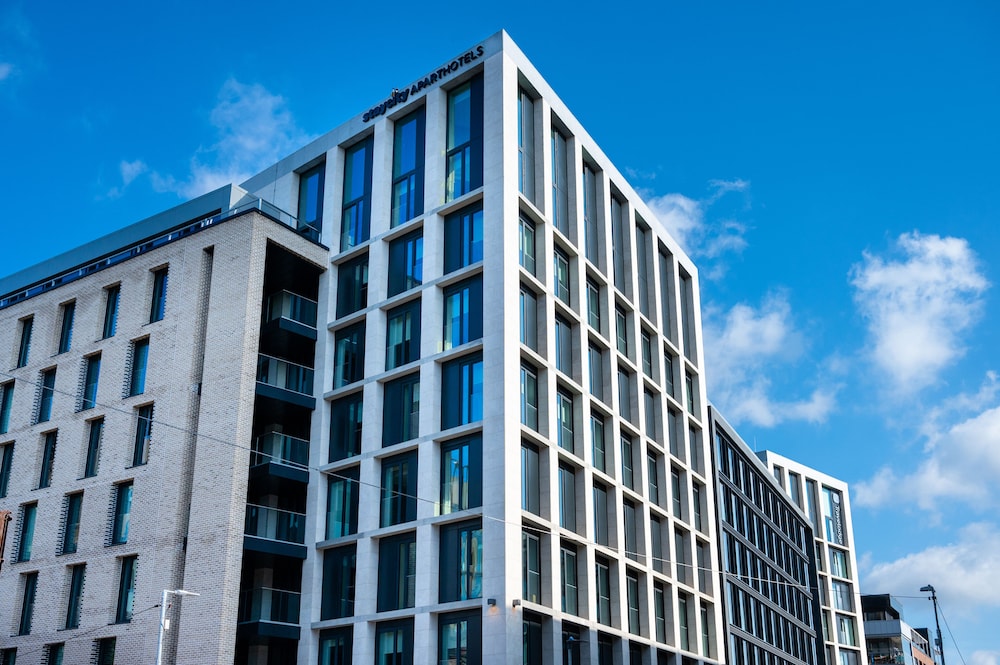
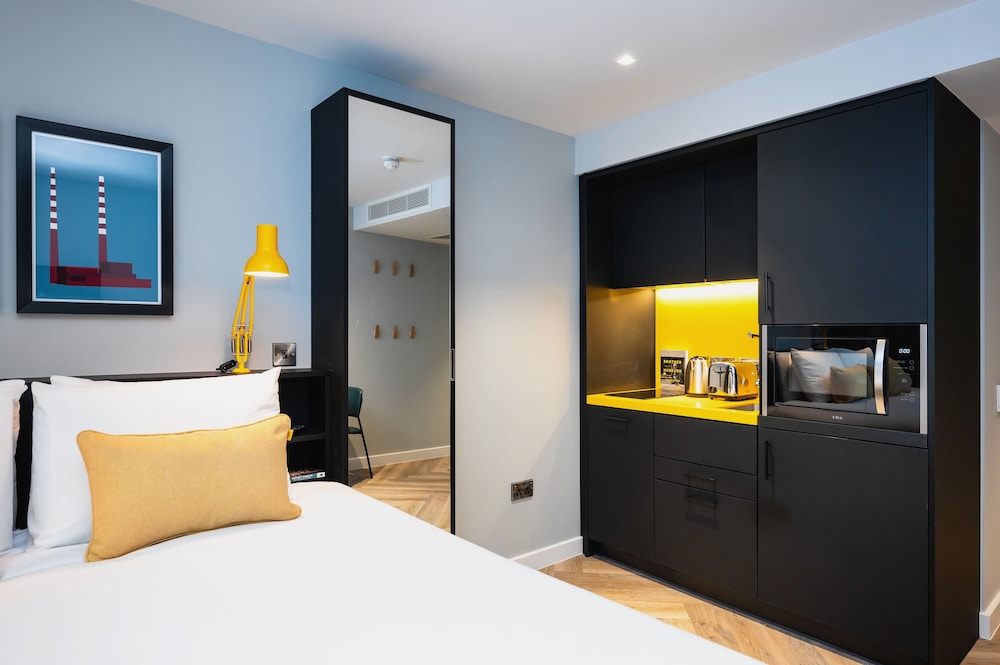
If your short break is built around gardens and estate houses, Dublin city centre is the practical start: Dublin Airport and the Port Tunnel put you on the M50 within minutes, and you can reach Powerscourt near Enniskerry in about 45 minutes, the National Botanic Gardens in Glasnevin in 20 minutes from O'Connell Street, and Malahide Castle's gardens north of the city in half an hour. A hotel in Dublin 2 or Dublin 8 gives you restaurants and transport in the evening; only stay outside the city if you plan two consecutive days of driving.
Choosing a Base: Dublin, Kildare or Kilkenny
Kildare and Kilkenny suit travellers who want the estates without city traffic. From Maynooth or Naas you are close to Carton House's parkland, the Japanese Gardens and National Stud at Tully, and Larchill Arcadian Garden near Kilcock. Kilkenny city is a better evening base for the south-east: Kilkenny Castle and its long parkland walk are in the centre, and Woodstock Gardens above the Nore at Inistioge is around 25 minutes away. If I had three nights, I would book two in Dublin and one in Kilkenny rather than moving hotels each day.
The Estates Worth Your Time
Powerscourt in County Wicklow remains the benchmark: the terraced gardens, the Pepper Pot Tower and the walk to Powerscourt Waterfall, with the house, shops and cafe on site and a compact, well-signposted layout that takes two to three hours. Nearby Glendalough is a separate stop, 30 to 40 minutes further into the mountains on the R756, and worth the detour for the monastic round tower and the two lakes. Skip the temptation to do both plus the Wicklow Gap in one afternoon in winter; the light goes early and the mountain road demands attention.
In County Kildare, the Japanese Gardens and National Stud at Tully share one entrance and make a natural half-day, followed by a short drive to Larchill Arcadian Garden, a rare surviving ferme ornée with follies around a small lake. Further south, Altamont Gardens near Tullow in County Carlow are free to enter and particularly good in late spring for snowdrops and daffodils, with a walled garden and a riverside walk down to the Slaney. Kilkenny Castle's parkland is free and open daily; the house tour is the only part you book.
Timing, Costs and Practical Driving
Late April to mid-June is the sweet spot: rhododendrons and bluebells at Powerscourt and Altamont, long evenings for driving, and none of the August pressure on car parks. September is nearly as good and quieter again. July and August bring the fullest gardens but also coach traffic at Powerscourt and the National Stud, so arrive at opening. Many estates close or run reduced hours from November to February; check before you build an itinerary around a single house. Expect to pay garden entry of roughly €10 to €15 per adult at the larger private estates, with the National Botanic Gardens in Glasnevin free.
A Workable Three-Day Shape
Day one: National Botanic Gardens and Glasnevin in the morning, then Malahide Castle gardens in the afternoon if the weather holds, both within easy reach of a Dublin hotel. Day two: collect a car early and drive to Powerscourt for opening, take the terraces and the waterfall walk, then continue to Glendalough for late afternoon and return via the M50. Day three: west to Tully and Larchill, or south on the M9 to Kilkenny for the castle parkland and an afternoon at Woodstock Gardens in Inistioge before an evening in Kilkenny city.
One honest caution: Irish estate gardens reward slowness, and a schedule that tries to bag five in a day will feel like motorway driving with short walks attached. Two estates a day is realistic on country roads, one if you are crossing the Wicklow Mountains. And book your Dublin hotel early if you are travelling around St Patrick's Day in March or during the June bank holiday weekend, when city room rates rise sharply and the good mid-range options in Dublin 2 fill first.