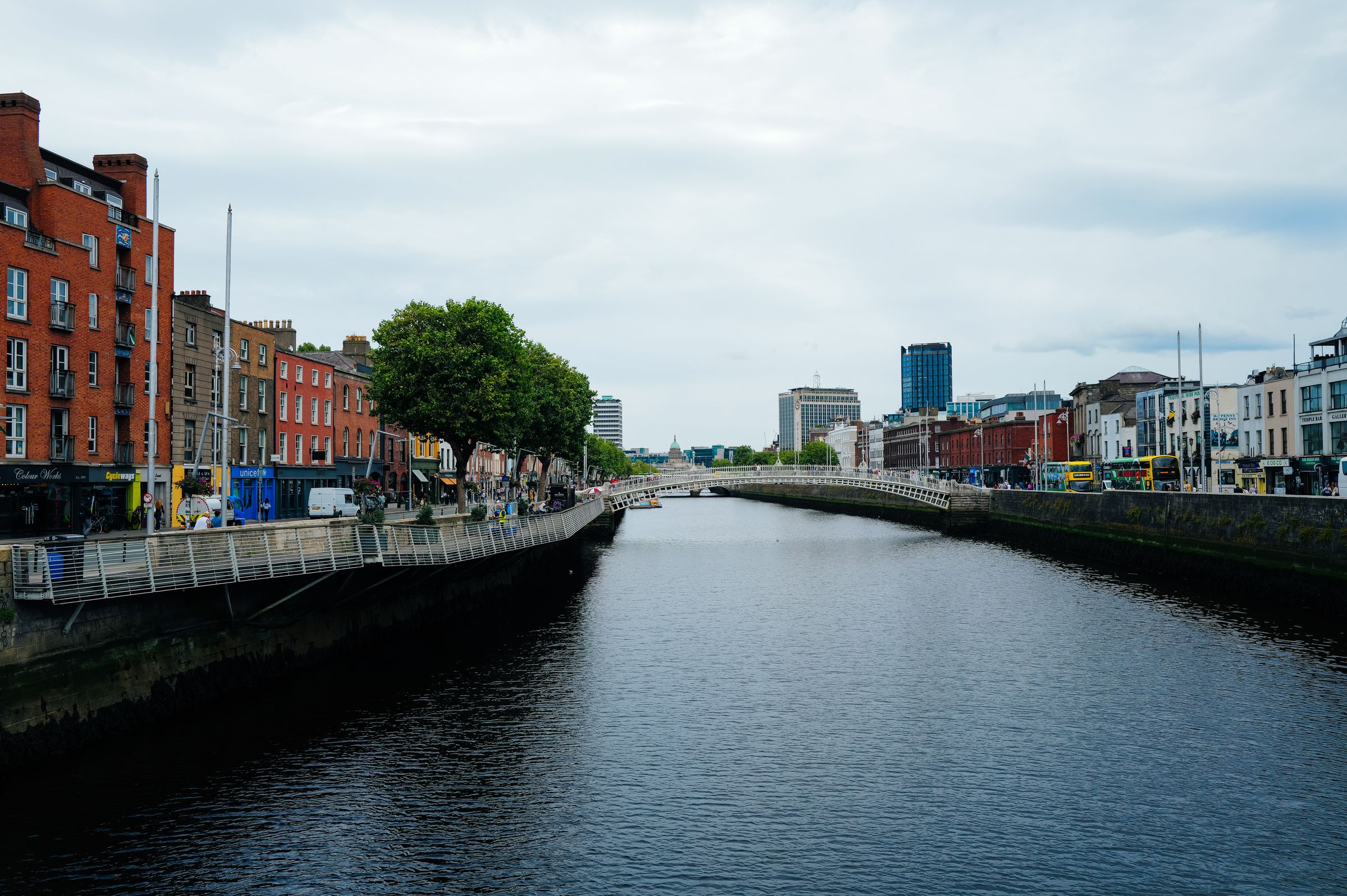
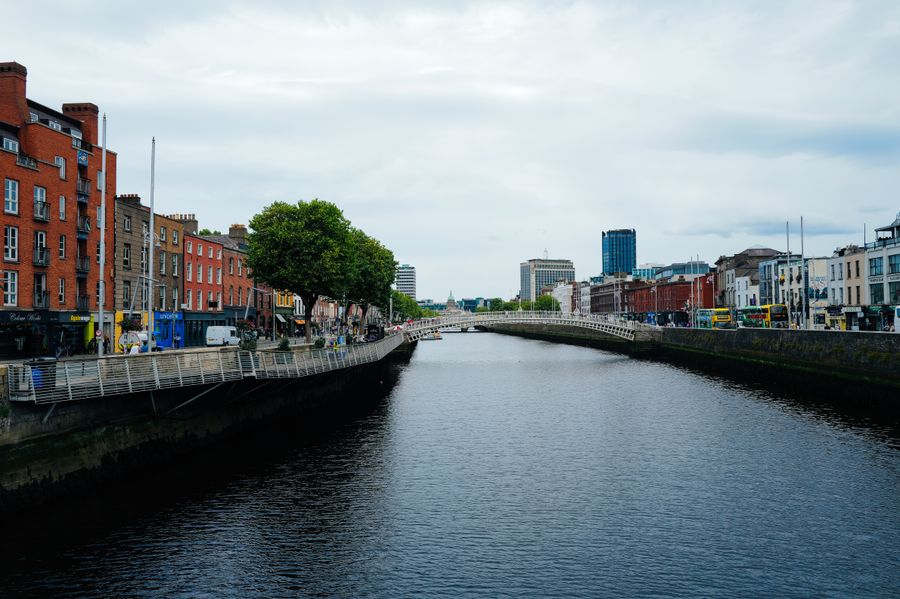
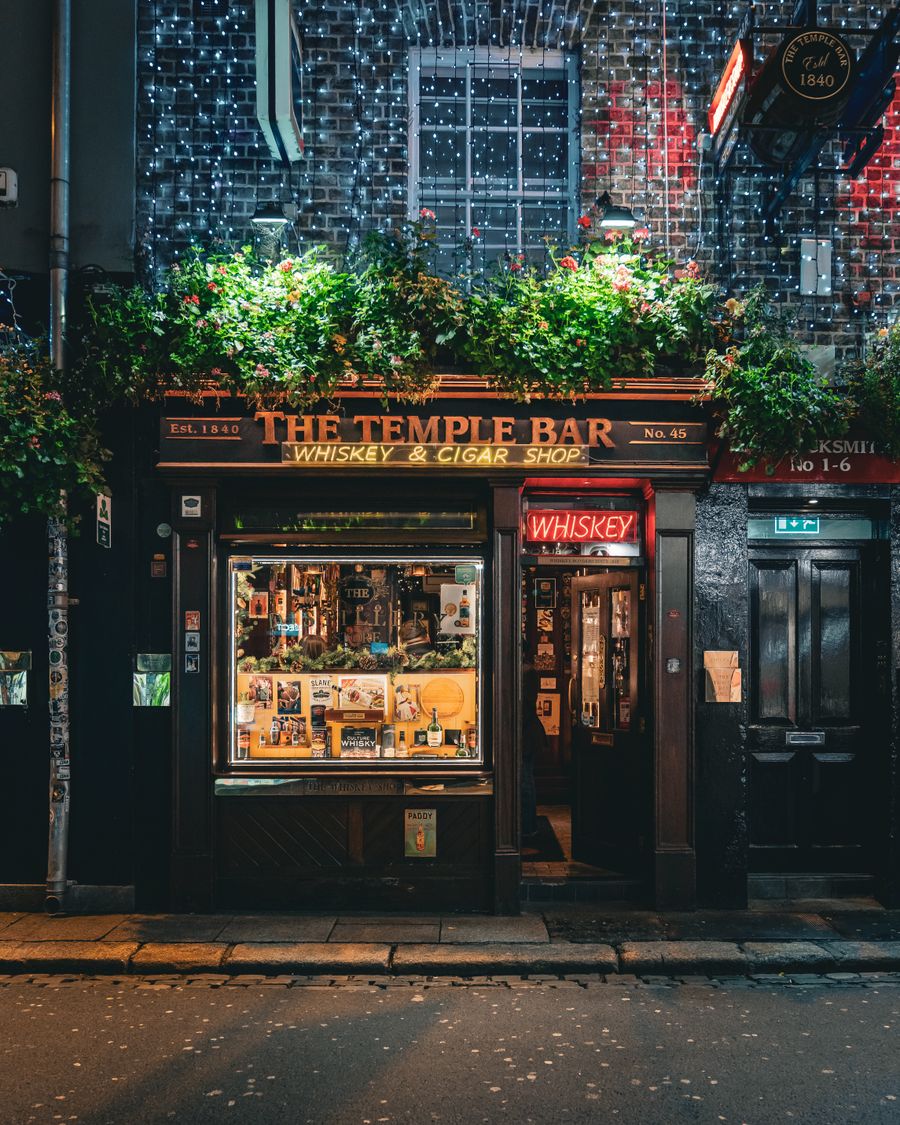
Dublin is the easiest starting point for a wheelchair user. Accessible rooms are concentrated around St Stephen's Green, Ballsbridge and the IFSC, where newer builds have step-free entrances, wide doorways and roll-in showers. Expect to pay more for space: Dublin rates climb sharply from June to September and during rugby weekends at the Aviva Stadium. If you want to be within pushing distance of Grafton Street and the National Gallery, book around Merrion Square rather than Temple Bar, whose narrow pavements and cobbles make it a tiring detour.
Choosing a Base: Dublin, Galway or Cork
Galway suits a slower trip. The Latin Quarter is cobbled and hilly, but the Salthill promenade is flat and wide, and hotels along the coast road generally have parking at the door. Cork rewards drivers: the city centre around Patrick Street is compact but steep in places, while suburbs such as Blackrock and Douglas offer quieter, newer properties with lifts and accessible bathrooms. For a first visit I would book Dublin for three nights, then move west by train rather than trying to see both from one base.
Trains are the practical backbone. Irish Rail runs intercity services with accessible carriages and assistance bookable in advance, and Heuston to Galway takes about two and a half hours. Driving opens up the west but adds pressure: the N59 through Connemara is narrow in sections, and parking in Westport or Clifden fills quickly in July and August. If you hire a car, choose an automatic and confirm the boot size with the rental company before you commit.
Matching the Hotel to the Trip
Ask specific questions before booking, because 'accessible' means different things across properties. Confirm whether the bathroom has a roll-in shower or a bath with grab rails, whether the bedroom door is at least 80 centimetres wide, and whether the lift reaches every floor including breakfast. Sea-front hotels in Salthill and Kinsale often have ground-floor rooms opening onto a terrace, which is easier than a city property with a single lift.
Location beats star rating. In Dublin, a hotel near the Luas Red Line at Connolly or Heuston puts you on step-free tram stops and cuts taxi spending. In Galway, properties on the Headford Road side have flat footpaths into Eyre Square. Rates generally sit lower in November and February outside event weekends, and many city hotels price Sunday to Thursday below the weekend. Book a refundable rate if your mobility needs are still being assessed.
Days That Work Without Strain
Build days around one anchor and short transfers. In Dublin, the National Gallery, National Museum at Collins Barracks and the Chester Beatty are free, step-free and close to tram stops. Phoenix Park has accessible paths from the Chapelizod and Parkgate Street entrances, and the zoo publishes its own access information. Skip the Book of Kells in high season unless you have timed tickets: the queue and the Long Room layout make it a slow visit.
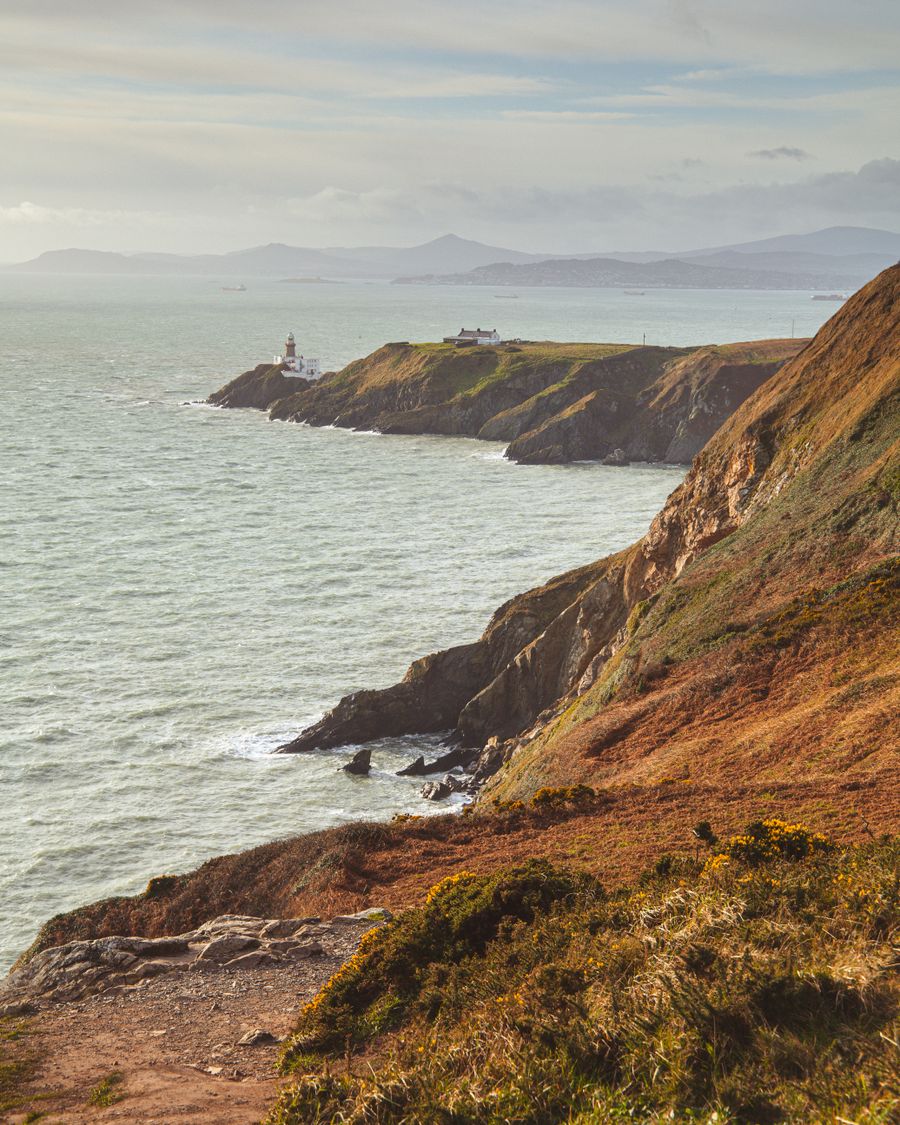
West of the Shannon, the Cliffs of Moher visitor centre has a designated accessible viewing area and a lift, though the wind can be fierce outside June to August. Kylemore Abbey in Connemara has accessible grounds and a shuttle to the walled garden. In Cork, Fota Wildlife Park is largely level and easier than city-centre streets. Best months overall are May, June and September: daylight is long, temperatures are mild and crowds at the main sites are thinner than in August.
Transport, Ferries and What to Skip
Accessible taxis exist in Dublin, Cork and Galway but are limited at peak times, so book ahead through your hotel. Buses in Dublin are increasingly low-floor, yet kerb height at older stops varies. For longer hops, the train is more predictable than the coach. Ferries to the Aran Islands require notice for wheelchair users, and Inis Oírr is the flattest of the three. If you are travelling with a companion, confirm whether the hotel charges for a second person in the same room.
What I would skip: multi-stop coach tours of the Ring of Kerry, crammed into a single day with long boarding times; upstairs seating in older pubs; and anywhere marketed as accessible without a specified shower type. Build in a rest afternoon rather than pushing a seven-day itinerary. A three-night Dublin stay with one day trip to Glendalough, then two nights in Galway, gives a realistic shape. Check access details directly with the property before you pay a deposit.