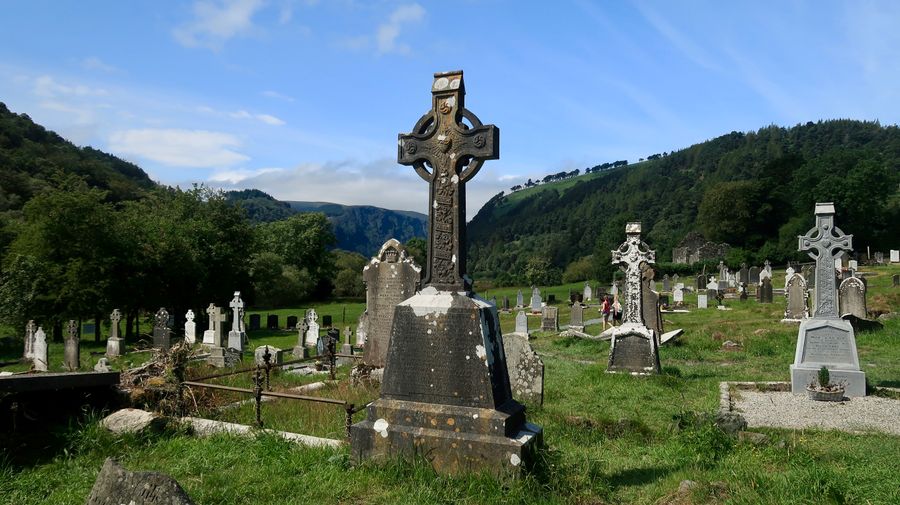
Book a hotel between O'Connell Street and St Stephen's Green and you can walk to most of the city's winter highlights. The National Museum of Ireland on Kildare Street and the National Gallery at Merrion Square are free and warm, and the Chester Beatty at Dublin Castle fills a wet afternoon. Daylight fades by about 4.30pm in December, so plan outdoor time first: a morning at Glasnevin Cemetery or the Botanic Gardens in Glasnevin, then indoors after lunch. Temple Bar pubs fill early; the streets around Exchequer Street and South Great George's Street are calmer for an evening meal.
Dublin in the cold months: base yourself centrally
Hotel rates in Dublin drop noticeably from January, outside the St Patrick's Festival weekend in March. Expect to pay less midweek than at a weekend, and ask whether breakfast is included before comparing totals. The Luas Red and Green lines and the DART cover most of what a short break needs; a Leap card bought at a machine cuts fares. If you are arriving at Dublin Airport, the Aircoach and Dublin Express buses run into the city centre in roughly 30 to 45 minutes depending on traffic. For a two-night stay I would choose a hotel within a ten-minute walk of Trinity College rather than out at the docklands, where evening options thin out.
Galway and the west: weather, music and the coast
Galway holds up well in winter because so much of it happens indoors. Traditional music sessions run through the week in the pubs off Shop Street, and the city's small size means a hotel near Eyre Square puts you within walking distance of the Spanish Arch, the Claddagh and the Cathedral. The drive from Dublin takes about two and a half hours on the M6; from Shannon Airport it is under an hour. Expect wind and frequent rain rather than snow, with temperatures usually between 3 and 9 degrees. Pack a waterproof jacket and shoes with grip.
The Connemara loop, taking in Oughterard, Leenane and Kylemore, is spectacular on a clear frosty morning but the light is short, so leave early and check road conditions before setting out. The Aran Islands ferries from Rossaveal run year-round but sailings are weather-dependent; the alternative is the short flight from Connemara Airport at Inverin. Winter is also when Galway's pub food and seafood chowder earn their reputation. I would book a hotel on or just off Eyre Square for convenience, and treat Salthill as a place to walk the promenade rather than to stay. Rates here are lower than Dublin's in January and February, and many smaller guesthouses close for part of the season, so confirm opening dates before you commit.
Cork and Kerry: quieter, cheaper, still open
Cork city makes a good winter base. The English Market trades six days a week, the Crawford Gallery on Emmet Place is free, and the walk from the centre out to Blackrock Castle along the old railway line takes about an hour each way. Trains from Dublin's Heuston station reach Kent Station in around two and a half hours. Hotels around the South Mall and Patrick Street sit close to the restaurants on Washington Street and McCurtain Street. Kinsale, 30 minutes south by car, is prettier but most of its seasonal restaurants and guesthouses reduce their hours from November.
Further west, Killarney stays open year-round because it serves as a gateway to Killarney National Park and the Ring of Kerry. Muckross House and the Torc Waterfall walk are manageable in winter, though the Gap of Dunloe road is best left to dry days. Hotel rates in Killarney fall sharply outside the summer and the Christmas period. Bear in mind that many coastal and island businesses in Kerry close from November to March, and some rural roads are untreated after frost. I would pick Cork city for a first winter trip and save Killarney for a spring return.