Inishowen sits north of Derry and Letterkenny, bounded by Lough Swilly on one side and Lough Foyle on the other, with Malin Head at its tip as the official northernmost point on the Irish mainland. The peninsula forms one loop of the Wild Atlantic Way, signposted but rarely crowded compared with Clare or Kerry. Most visitors base themselves in Derry or Letterkenny and treat Inishowen as a long day out, which means missing the quieter back roads, the early-morning light at Malin Head, and the small towns that only come alive once the tour coaches have gone home.
Why Inishowen deserves more than a day trip
The landscape changes constantly over roughly 100 kilometres of coast road: sandy strands at Culdaff and Five Fingers Strand, the steep Gap of Mamore mountain pass, working fishing harbours at Greencastle and Moville, and the 1,700-year-old ring fort at Grianán of Aileach overlooking Lough Swilly. Few Irish peninsulas pack in this much variety within such a short drive, which is exactly why rushing it in one afternoon from Derry undersells what Inishowen actually offers a traveller with two or three days to spare.
Mapping the loop: where the road actually goes
Most drivers start from Derry, crossing into County Donegal near Bridgend and climbing to Grianán of Aileach first, since the fort's hilltop views over Lough Swilly and the Inishowen hills make a natural orientation point before the coast road proper begins. From there the R238 runs north through Fahan and into Buncrana, a seafront town with a long promenade and the Vintage Car and Carriage Museum, a sensible first stop for fuel, food, or an overnight if you are splitting the loop into two days rather than pushing straight through to Malin Head.
Beyond Buncrana the road climbs through the Gap of Mamore before dropping to Clonmany and Doagh, where Five Fingers Strand and the Doagh Famine Village sit just off the main route. Continuing north brings you to Malin Head itself, then back down the eastern side through Culdaff, Carndonagh, Moville, and Greencastle, which faces Lough Foyle and Northern Ireland's Magilligan Point across the water. From Greencastle it is a short run back to Derry, closing the loop in roughly three to four hours of driving if you skip every stop, which nobody actually does.
Where to base yourself for the loop
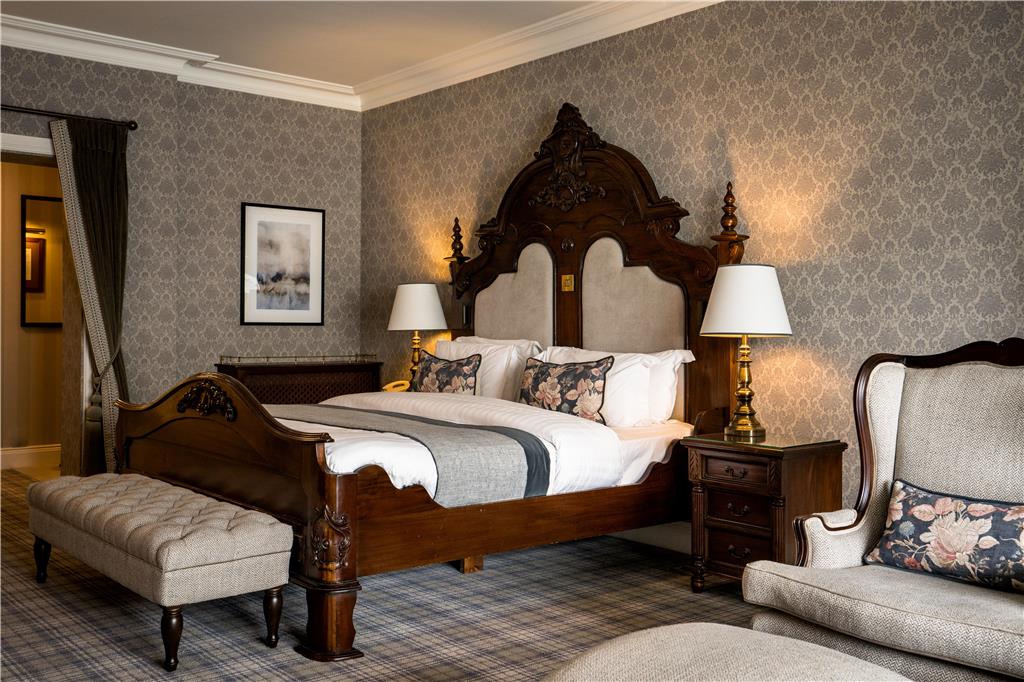
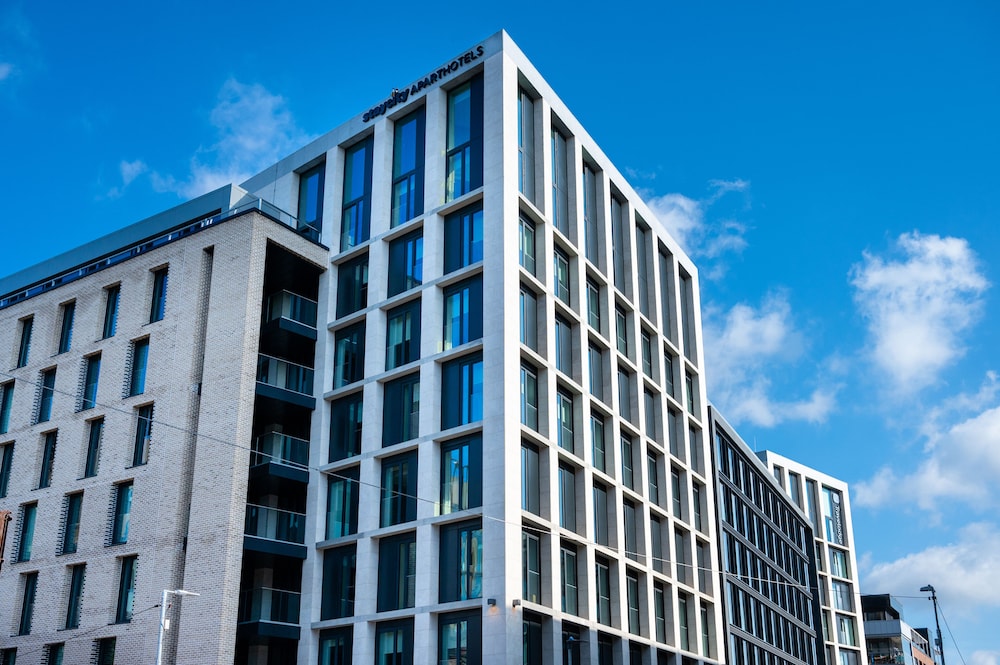
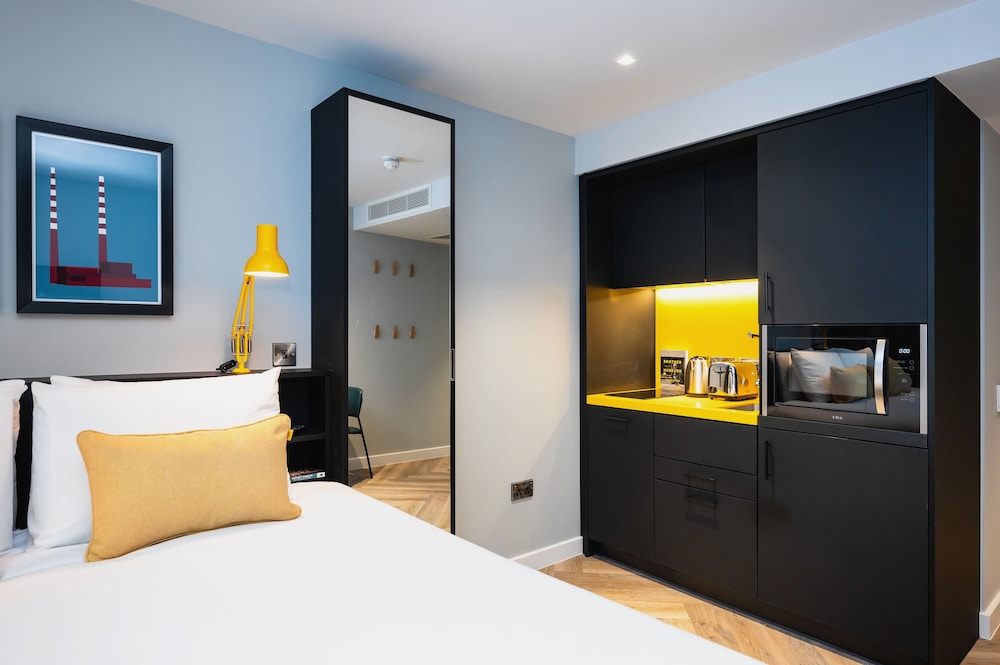
Buncrana works best as a single base for travellers who want one hotel and day trips in both directions, since it sits almost centrally on the western side with quick access to Fahan, Inch Island, and the Gap of Mamore. Fahan itself, just south of Buncrana on Lough Swilly, suits those arriving from Letterkenny who want a quieter setting a short drive from the main town. Either option keeps Malin Head within about 45 minutes and Derry within 30 to 40, which matters if you are flying into Derry's Eglinton Airport or arriving by train from Belfast or Dublin.
Travellers focused on the eastern coast, particularly Culdaff's beach or the harbour towns of Moville and Greencastle, are better served basing there instead of backtracking from Buncrana each evening. Moville has the advantage of direct views across Lough Foyle and easy onward access to the ferry-linked routes toward Derry, while Greencastle suits anyone keen on fresh seafood and the Inishowen Maritime Museum housed in the old coastguard station. Booking a hotel in whichever end of the peninsula matches your main interest saves real driving time rather than circling back nightly to one fixed point.
What to skip, and what to add instead
Skip the temptation to squeeze Malin Head into a tight late-afternoon schedule, since the site's appeal depends heavily on light and weather, and arriving at dusk in poor visibility means missing the view entirely. It is better to plan an overnight near Buncrana or Carndonagh and reach Malin Head in the morning, when the cliffs, Banba's Crown signal tower, and the walk out to Hell's Hole are far more rewarding than a rushed photo stop squeezed between other sights on a single long day from Derry.
Worth adding instead: Fort Dunree, a 19th-century coastal defence battery on Lough Swilly with its own small military museum, and Glenevin Waterfall near Clonmany, an easy half-hour walk through woodland that most day-trippers never find. Five Fingers Strand, close to Doagh, is another detour worth the extra twenty minutes off the main road, particularly outside midsummer when the dunes and beach are nearly empty. None of these add serious distance to the loop, but each needs time set aside rather than being treated as a drive-by stop.