Most Irish towns of any size still hold a weekly market day, and it shapes everything around it: the car park fills by half nine, the cafés open early, and by four in the afternoon the streets are yours again. Tuesday to Thursday you get the good version of this without the weekend hen parties that swell towns like Westport and Killarney from Friday. Hotel rates in regional towns commonly sit a band or two below Dublin city centre midweek, and you rarely need to book more than a few days ahead outside July and August.
Why midweek works in Ireland's market towns
Late spring and September are the sweet spots. May gives you long evenings and hedgerows in flower; September keeps the light and loses the family traffic. July and August are genuinely busy in Kerry and west Cork, and many small hotel restaurants close on Mondays or Tuesdays because that is when the town itself goes quiet. Check opening days before you commit, and build the trip around a two-night stay rather than one, because the point of these places is the unhurried morning.
The east and midlands: Clonmel, Kilkenny and Trim
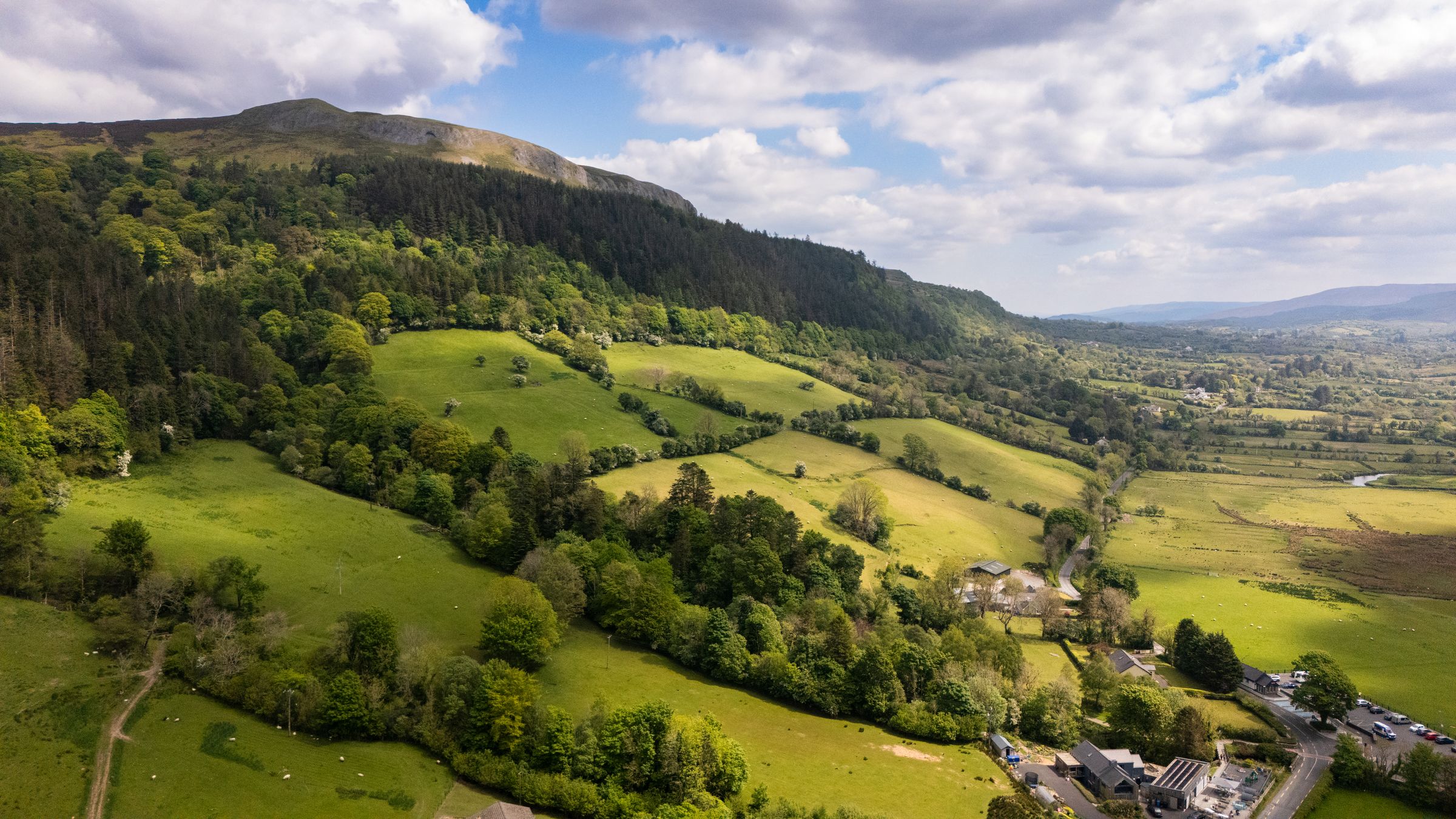
Clonmel in County Tipperary sits on the Suir with the Comeragh Mountains visible from the town's higher streets, and it makes a sensible base for the Vee drive and for walking at Glenary. The market tradition here is long and the town centre has kept its shape. Kilkenny, forty minutes up the N76, is the polished version — medieval lanes, the castle, and a food scene that punches well above its size — but it is also the busiest of the three, so midweek is when it earns its keep. Trim in County Meath is quieter again, with the largest Anglo-Norman castle in Ireland standing at the edge of the town and the Boyne valley, Newgrange and the Hill of Tara all within half an hour's drive.
If I were booking one, I would take Trim for a first trip: the drive from Dublin is under an hour via the M3, parking is easy, and you can be at Brú na Bóinne in twenty minutes. Kilkenny suits couples who want restaurants and a bit of evening life; Clonmel suits walkers. All three have small independent hotels and guesthouses in the town centre, generally in the mid-range bracket, and the difference between a Friday and a Tuesday rate is often worth a night's dinner.
The west: Westport, Clifden and Ballina
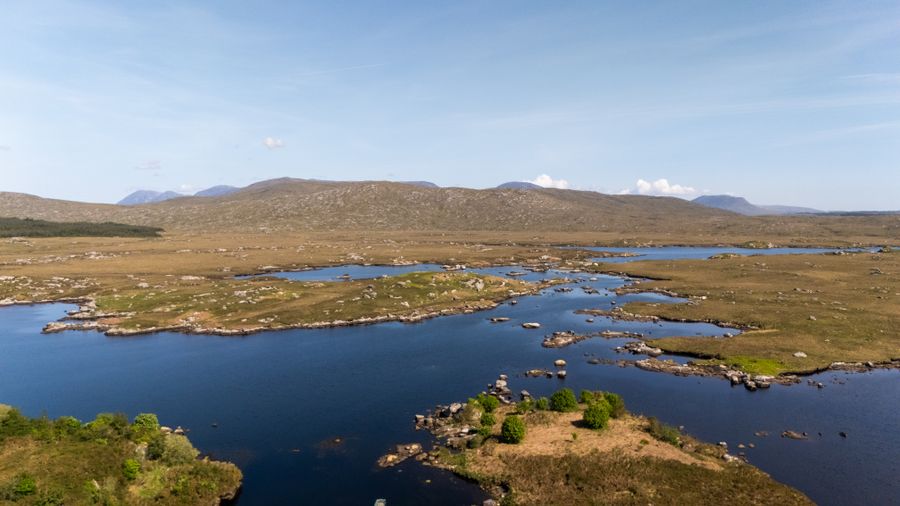
Westport in County Mayo is the most complete market town in the west — a planned Georgian street plan with the Carrowbeg river running through the middle, Croagh Patrick on the skyline and the Greenway running out to Achill. It is also the busiest, and the difference between a Tuesday and a Saturday here is considerable. Clifden, an hour and a quarter further west through the Connemara passes, is smaller and wilder, with the Sky Road loop and Connemara National Park at Letterfrack within easy reach. Ballina on the Moy in County Mayo is the underrated one: a salmon river through the town, the Jackie Clarke Collection, and Enniscrone's beach twenty minutes away.
For a quiet midweek break I would book Clifden over Westport every time in high season, and Westport in May or October, when it is lively enough without being crowded. Bear in mind the Connemara roads are slow — allow an hour for what looks like forty minutes on the map — and that many Clifden restaurants close on Tuesdays and Wednesdays outside summer. Ballina works well as a stop between Sligo and Galway and has the best value of the three.
The south and south-east: Skibbereen, Dungarvan and Listowel
Skibbereen in west Cork anchors a web of small harbours — Baltimore, Schull, Castletownshend — and has the kind of food culture you would not expect from a town of its size, largely built on the farming and fishing around it. Dungarvan in County Waterford has a fine square, a castle, the Greenway running inland to Waterford city, and the Comeragh Mountains behind it. Listowel in north Kerry is a literary town with a square that still functions as a meeting place, and it puts you within reach of the Shannon ferry at Tarbert and the beaches at Ballybunion.
The trade-off in the south is distance: Skibbereen is roughly an hour and a half from Cork city and much longer from Dublin, so it rewards a three-night stay rather than a flying visit. Dungarvan is the easiest of the three to reach, an hour from Cork and two from Dublin on the M9, and I would pick it for a first midweek trip in the south-east. Listowel is the choice if you want to combine the town with the Kerry coast. In all three, book directly with a town-centre hotel and ask about parking, because on-street spaces fill on market mornings.
Practical notes before you book
Ireland's regional rail network is thinner than the road network. Clonmel, Kilkenny, Westport, Ballina and Dungarvan all have stations or decent bus links, but Clifden, Skibbereen and Listowel are effectively car-only for a short break. If you are arriving without a car, Kilkenny and Westport are the two easiest: both are walkable from the station and both have enough restaurants within ten minutes of the main street to fill three evenings. Rent a car from the airport rather than in town, where choice is limited.
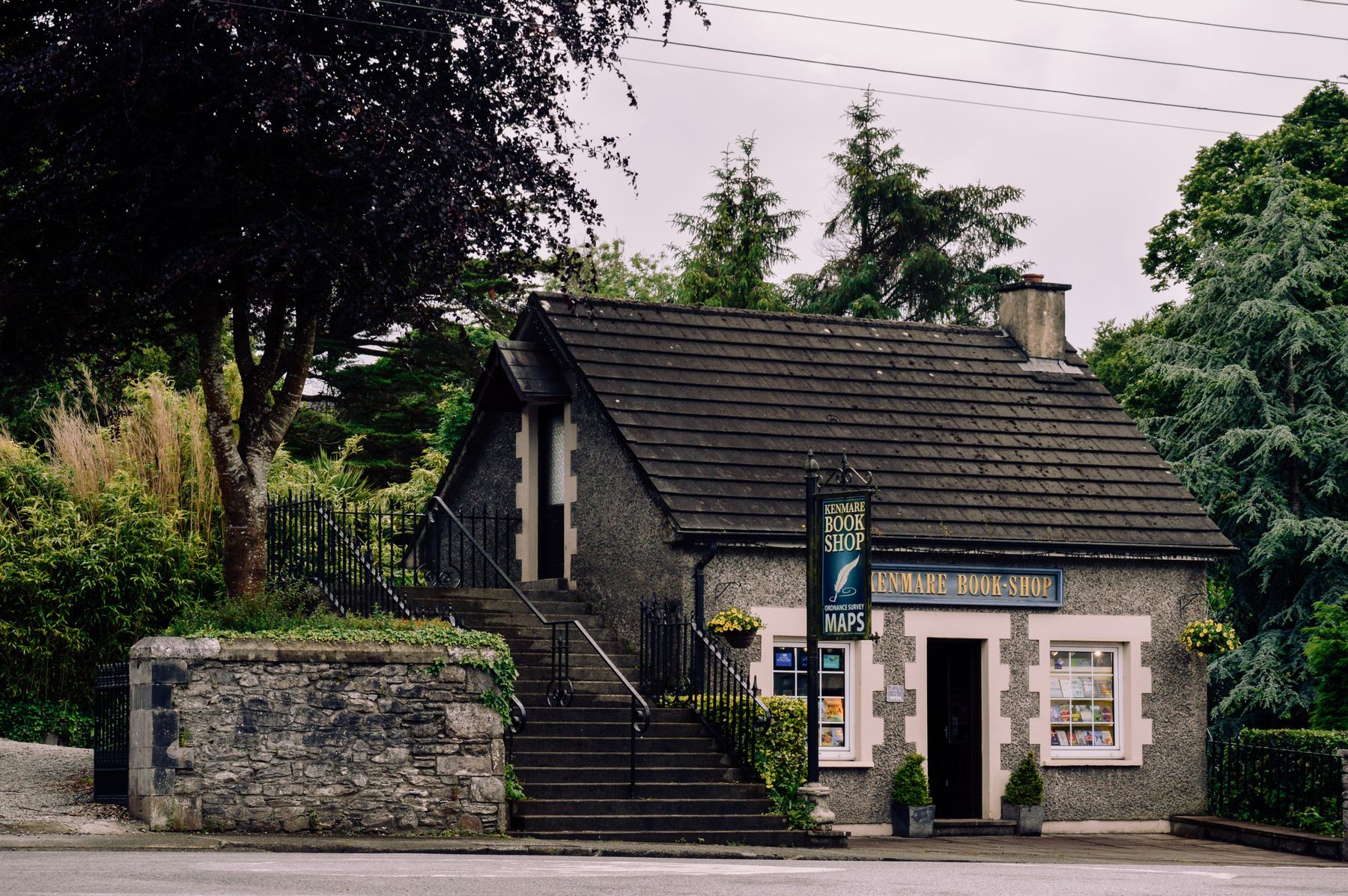
Book accommodation for two or three nights rather than one, because the minimum-stay rules many small hotels apply at weekends disappear midweek and the midweek rate usually improves with length. Ask whether the hotel restaurant serves on the nights you are there — Monday and Tuesday closures are common outside the bigger towns — and check whether a market day will affect parking outside your door. None of this requires much planning. The pleasure of these towns is that a wet Tuesday still has a bookshop, a decent lunch and a walk.