Most Irish markets run weekly, usually Saturday, from roughly 9am to 2pm, and the best of them sell out of bread, smoked fish and soft fruit well before noon. Expect a mix of farm produce, small-batch cheese, sea salt, preserves, coffee carts and hot food. Typical spend is modest: a filled sourdough sandwich, a coffee and a wedge of farmhouse cheese will set you back somewhere in the region of 15 to 20 euros, though exact prices vary by stall. Bring coins and small notes, plus a tote, because many smaller producers still prefer cash and plastic bags cost extra.
Dublin: Markets Worth the Walk
Irish stallholders are generally happy to talk, and asking what is in season is the quickest way to a good purchase. The rhythm is unhurried, dogs on leads are common, and there is usually a bench or a wall nearby to eat on. If you are self-catering, this is where to buy: a handful of new potatoes, a bunch of spring onions and a piece of smoked mackerel make a better lunch than most restaurants near the tourist trail. Going early is the single best piece of advice; the atmosphere at 9.30am is calm, the choice is complete and the coffee queue is short.
Dublin Neighbourhoods and the Coast
Dublin has no single farmers market of national scale, so the smart approach is to match the market to your neighbourhood. In the city centre, the Saturday food market at Meeting House Square in Temple Bar is small but handy for visitors staying south of the Liffey, with cheese, bread and hot food. The bigger, more serious option is the weekend market at Grand Canal Dock, a ten-minute walk from the Docklands and about 20 minutes on foot from Trinity College, where producers from Wicklow and Meath bring vegetables, charcuterie and pastries. Both are morning affairs and both are within easy reach of hotels around St Stephen's Green and Merrion Square.
For a half-day trip, take the DART south from Pearse Station to Dun Laoghaire, roughly 20 minutes, where the Saturday market in the People's Park draws a good spread of coastal producers. It is a local market rather than a visitor attraction, which is exactly why it works. I would book a hotel in Dublin city centre rather than out near the airport if markets are part of the plan: the difference between a 15-minute walk and a 40-minute bus ride decides whether you actually get there before the bread runs out. City-centre rates are highest in June, July and August, and again around St Patrick's Day in March; late September and October are quieter and cheaper.
Galway, Cork and the West
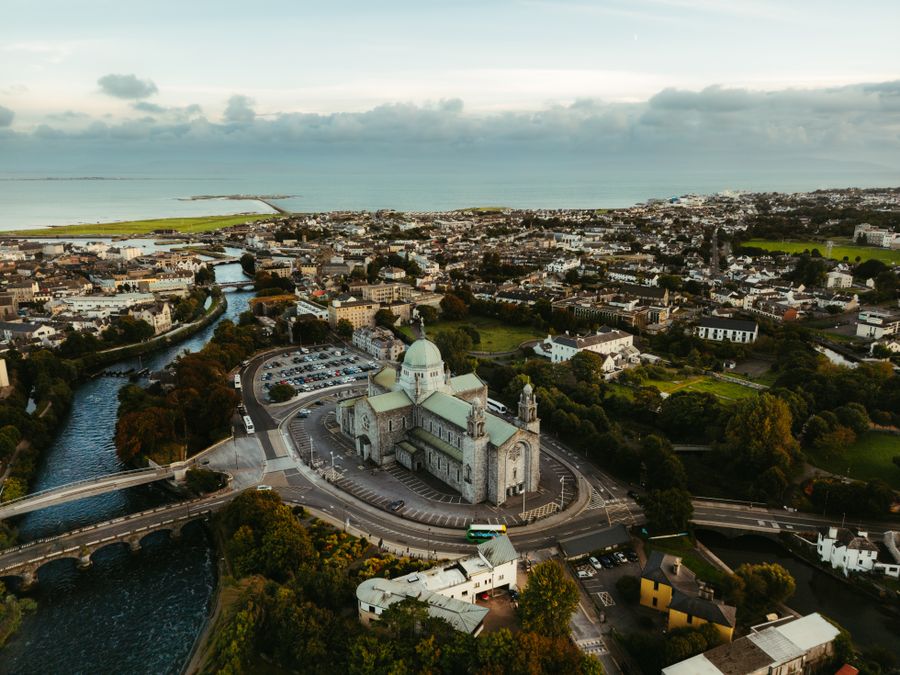
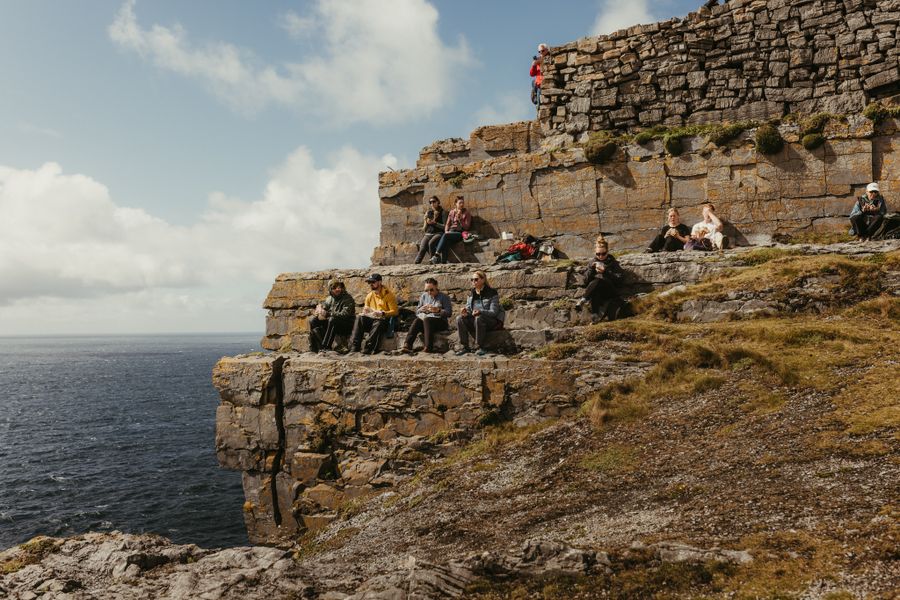
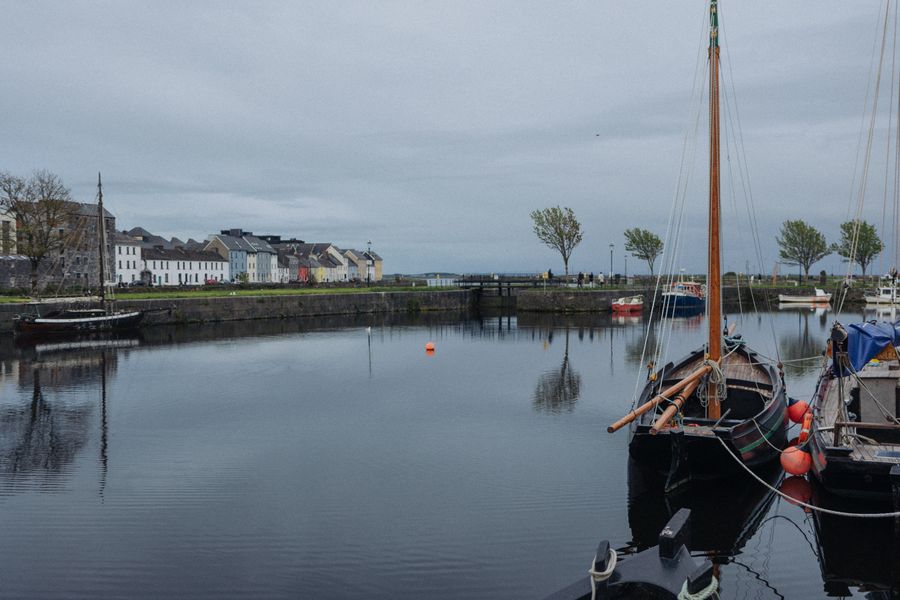
Galway's Saturday market in Church Lane, off Shop Street in the Latin Quarter, is the one I would choose above all others for a first visit: compact, central and genuinely producer-led, with oysters, farmhouse cheese, vegetables from Connemara and a strong line in baked goods. It runs through the morning and is a five-minute walk from most hotels in the city centre, which makes it easy to combine with a walk along the Claddagh and the Long Walk. In summer it is busy by 11am, so go at opening. From Galway, day trips to the Connemara coast and the Aran Islands ferry at Rossaveal, about 40 minutes by road, fill the rest of the weekend nicely.
Cork's English Market, between Princes Street and Grand Parade, is not a farmers market but a covered municipal market open six days a week, and it is the best single food destination in the south. Stalls sell tripe, cured beef, buttered eggs and local cheese, and the upstairs cafe is a good lunch stop. For a true farmers market, head to Midleton on a Saturday, about 20 minutes by train from Cork Kent, or to Bantry on the Wild Atlantic Way, where the Friday market is smaller and slower. Cork city hotels are busiest during the jazz weekend in late October, so book well ahead if that is your date. For visitors using Ireland's rail network, the practical rule is to base yourself in one city and take short hops rather than moving hotels every night.
Practicalities: Timing, Transport and Self-Catering
Most markets are outdoors or under a light canopy, so dress for rain in any month and expect a bit of mud underfoot in winter. Spring and early summer bring the best salad greens, asparagus and strawberries; late summer and autumn bring apples, blackberries and mushrooms; winter is for root vegetables, cabbage, smoked fish and preserves. If a market is your main reason for a trip, target May, June or September. Avoid bank holiday weekends if you dislike crowds, and check opening hours before travelling, because some markets close in January or run fortnightly rather than weekly.
Transport matters more than most guides admit. Dublin's markets are best reached on foot or by LUAS, Galway's on foot, and Cork's English Market by walking from the city centre. Regional markets often sit in towns with a train station, which makes a car unnecessary, but if you are visiting smaller towns in Kerry, Clare or Donegal, a car gives you the flexibility to reach a market and then a beach in the same morning. Self-catering apartments in Galway, Cork and west Kerry are worth considering for a family, since a kitchen turns a market haul into lunch. For a short city break I would book a hotel near the market and skip the car entirely. If you can only do one market on a first trip, make it Galway's on a Saturday and stay two nights in the Latin Quarter.