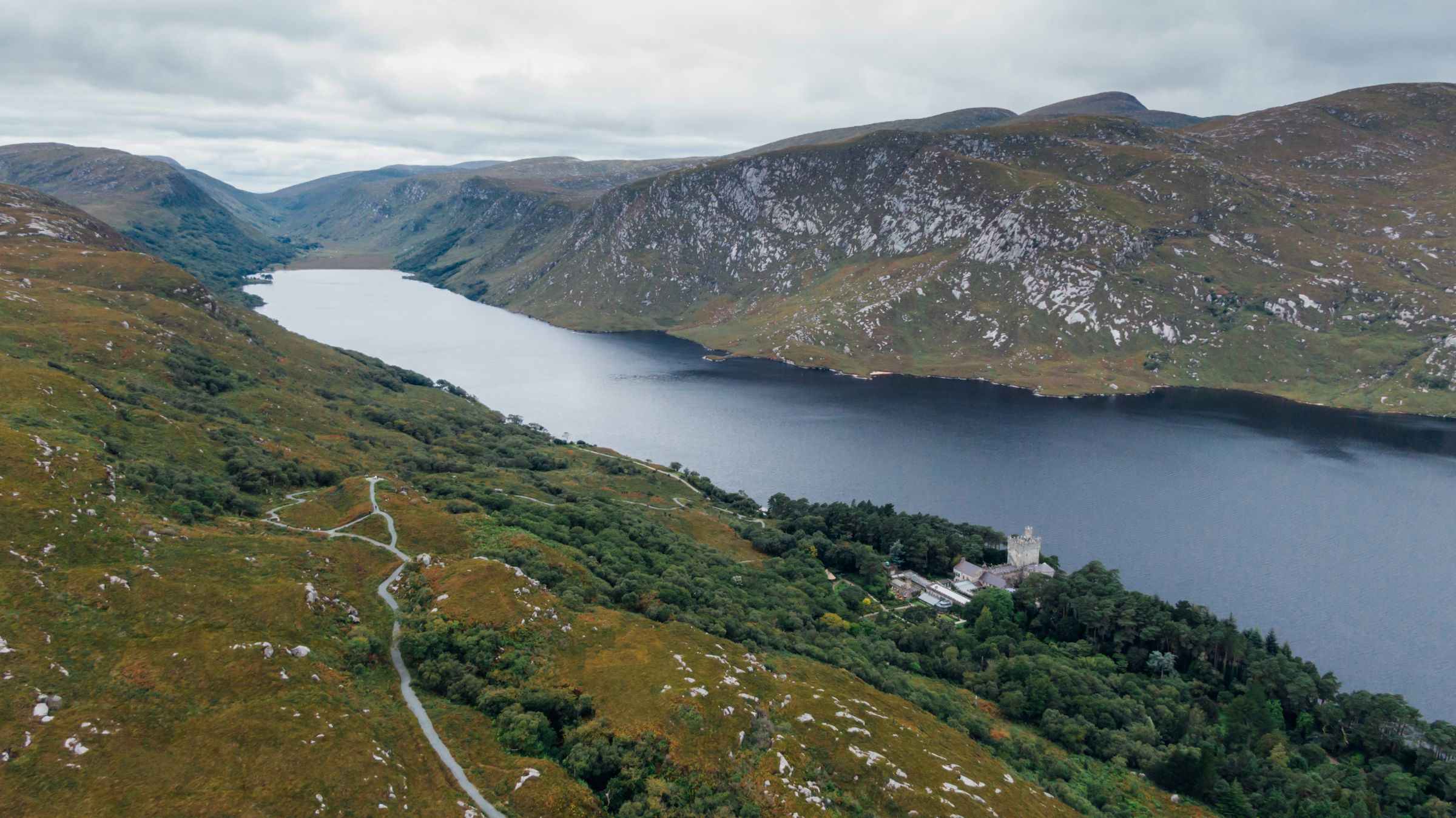
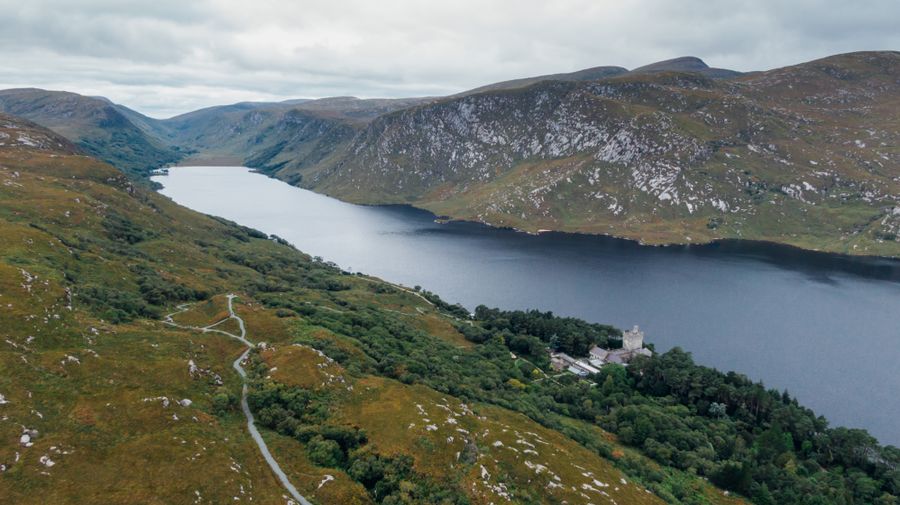
The loop from Howth DART station around the cliff to the Bailey Lighthouse and back takes most people two to three hours, which suits a December or January day that gives you light from about 8.30am to 4.30pm. The path is waymarked and mostly firm underfoot, though the section above the Balscadden cliffs gets slippery after rain. Go anticlockwise so the steepest climb comes early. Weekday mornings are quiet; Sunday afternoons bring crowds from the city. Afterwards, the harbour front has plenty of places for chowder and coffee, and you are 25 minutes by DART from Connolly.
Howth Cliff Path, County Dublin
Stay in Dublin city centre rather than Howth itself for a winter trip: you get more choice of hotels, better evening options and an easy train ride out. Hotels around Connolly and Talbot Street put you within a five-minute walk of the DART, and rates outside summer sit well below the June to August peak you would see in the same buildings. Book a place with a decent breakfast included, because the first trains out are early and you will want to be walking by ten.
Bray to Greystones, Counties Wicklow and Dublin
The cliff walk between Bray and Greystones is about seven kilometres and takes roughly two hours at a steady pace. It is one of the few Irish coastal routes with a railway at both ends, so you can walk one way and take the DART back rather than retracing your steps. The surface is gravel and boardwalk with a couple of short climbs, and there are no facilities between the two towns, so carry water. Winter storms occasionally close the path; check with Irish Rail before setting out after heavy weather.
Greystones is a good base if you want sea air without Dublin prices. The town has a small cluster of guesthouses and hotels near the harbour, plus the DART for day trips into the city. Bray, ten minutes away by train, has more budget options and a longer seafront promenade for evening strolls. I would book Greystones for a two-night stay and use the train rather than a car; parking near Bray seafront is limited and paid.
The Kerry Cliffs and Valentia Island, County Kerry
The Kerry Cliffs near Portmagee offer a shorter alternative to the Cliffs of Moher: a 25-minute walk from the car park to viewing platforms above 300-metre drops, with the Skellig islands visible on clear days. The path is gravel and mostly level, and the whole visit fits into an hour, which matters when sunset arrives before 5pm in midwinter. The drive from Killarney is about 75 minutes via Cahersiveen. Pair it with a crossing of the bridge to Valentia Island for the lighthouse and the slate quarry.
Portmagee and Cahersiveen have small hotels and guesthouses that stay open year-round and drop their rates between November and March. Killarney, an hour and a quarter away, gives you far more choice and reliable restaurants in the evening. For a winter trip I would book two nights in Killarney and drive the Ring of Kerry section as a day loop rather than moving hotels. Skip the Skellig boat trips: they do not run reliably in winter and the sea crossing is rough.
Sli Cholmcille and Slieve League, County Donegal
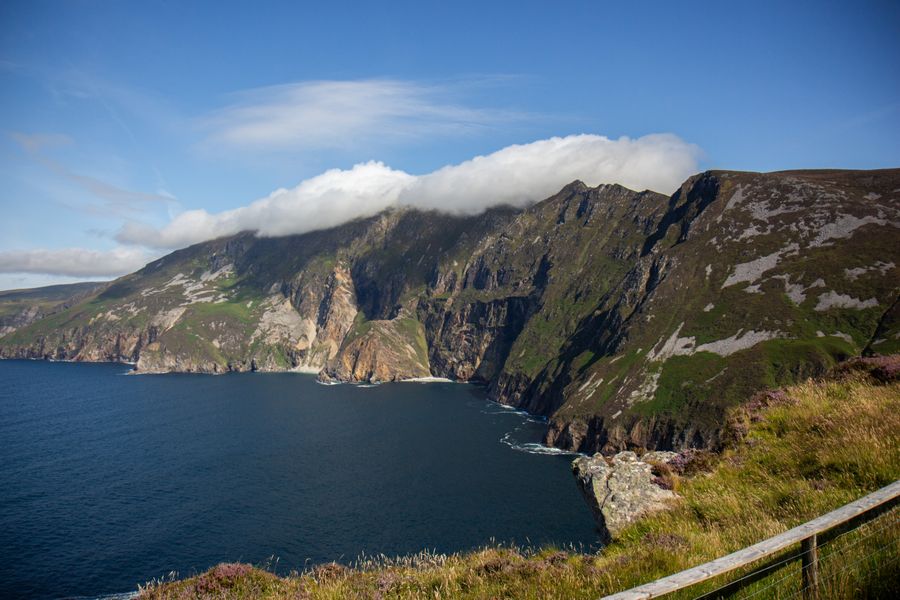
Slieve League in southwest Donegal has sea cliffs higher than any in Europe, and the Pilgrim's Path from the lower car park to the upper viewing area is a manageable 90-minute return with a steady climb. The access road closes to cars in bad weather, so check locally. The light in winter is soft and the cliffs are quieter than in July. A short drive away, the strand at Malin Beg and the harbour at Teelin make good low-effort add-ons. From Donegal town the drive is about 50 minutes.
Base yourself in Donegal town or Killybegs. Both have hotels that stay open through winter, and Killybegs puts you closer to the cliffs for an early start. Donegal town gives you more to do in the evening and a shorter drive if you are arriving from Sligo or Enniskillen. I would book one night in Killybegs and one in Donegal town rather than driving the same road twice. Bring waterproof boots: the upper path holds water even after a dry week.
Mizen Head and Barley Cove, County Cork
Mizen Head, at the tip of the peninsula, has a visitor centre and a network of footbridges over the gorge that gives you a proper coastal walk without a full day out. The loop from the car park to the signal station and back is about 45 minutes, and the surrounding lanes towards Barley Cove add another hour if the weather holds. The drive from Cork city takes roughly two hours via Bantry. Do not attempt the peninsula on a day of Atlantic gales; the bridges close.
West Cork hotels near Bantry, Schull and Skibbereen offer good out-of-season rates from November to March, often with log fires and local seafood. Schull is the nicest base for this stretch, with a harbour, a couple of bookshops and short drives to both Mizen Head and the Sheep's Head peninsula. I would book two nights in Schull and treat Mizen as a day trip. Skip the long loop around the peninsula if daylight is short; pick one headland and stop for lunch in Crookhaven instead.