In Dublin, the cold-day combination of vegetable soup and brown bread is a city-wide institution. Start around George's Street Arcade, where several cafés serve a hearty bowl with thick slices of buttered soda bread for around €6–8. The arcade, a Victorian market off South Great George's Street, is central and easily reached on foot from Trinity College or Dublin Castle. For a sit-down version, try the cafés along Drury Street or the side streets off Grafton Street; portions are generous and the bread is usually baked on site. Avoid the tourist traps on Temple Bar's main drag, where the same combination can cost double and the bread is often pre-sliced and dry.
Dublin: The City Centre Bowl
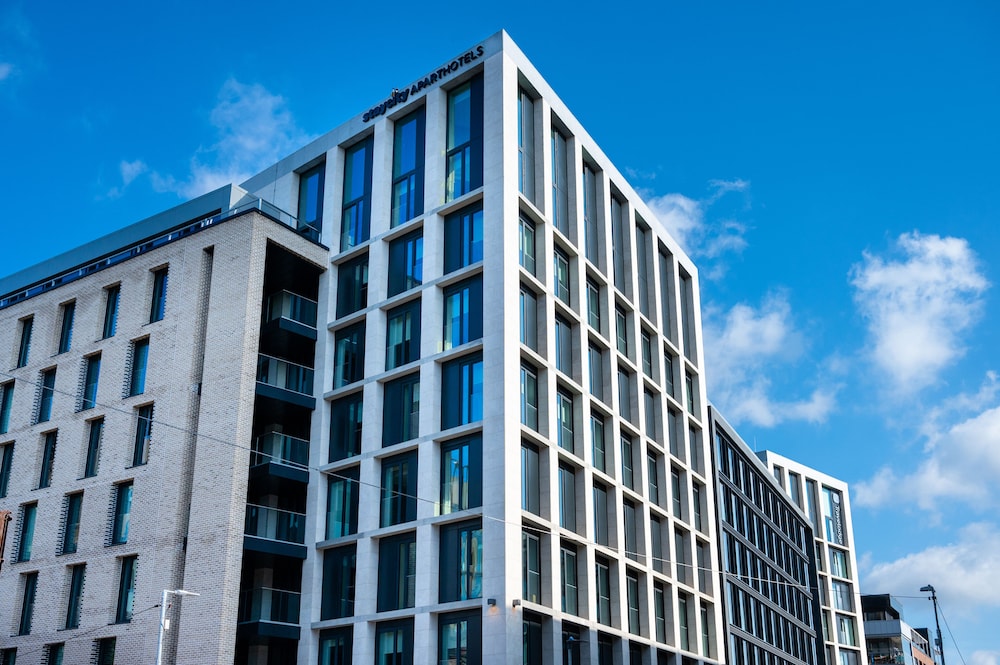
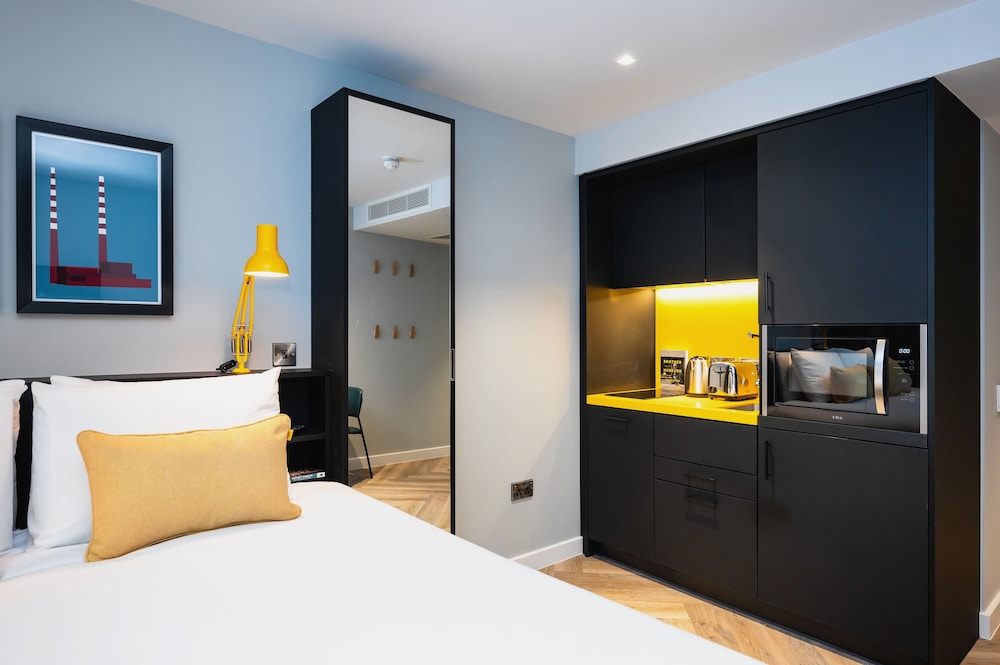
If you're staying outside the centre, the suburbs have their own classics. In Ranelagh, a short Luas ride from St Stephen's Green, cafés along the main street serve soup with brown bread for around €7. Sandymount, near the Aviva Stadium, has a couple of spots near the Strand that are perfect after a beach walk. For a hotel base, I'd book around St Stephen's Green or Merrion Square: you're within walking distance of the best bowls, and the Aircoach from the airport drops at Leeson Street Bridge, a five-minute walk away.
Galway and the West: Coastal Broth and Soda Bread
Galway city is the spiritual home of the after-swim soup. On the Claddagh, near the Long Walk, several places serve seafood chowder or vegetable soup with brown bread for €8–10. The bread here is often made with buttermilk and has a denser crumb than Dublin versions. For a classic experience, head to the Latin Quarter around Quay Street and Kirwan's Lane, but expect queues in summer. I'd skip the highly commercial spots on Quay Street itself and instead walk five minutes to the canalside cafés near the Wolfe Tone Bridge, where locals go for a quiet bowl.
Further west, in Connemara, the village of Leenane sits at the head of Killary Fjord. The cafés here serve soup with brown bread for around €7–9, and the bread often comes with smoked salmon or local cheese. Drive times from Galway city are about an hour and a half. If you're planning a night, I'd book a hotel in Clifden rather than Leenane: there are more options, and the Sky Road walk works up an appetite. The Connemara National Park visitor centre near Letterfrack also has a café with reliable soup and bread, though it closes outside summer hours.
Cork and the South: Market Stalls and Harbour Towns
Cork's English Market is the obvious starting point. The Farmgate Café, on the balcony, serves soup with brown bread for around €8, and the bread is baked downstairs. The market is a five-minute walk from Patrick's Street, the city's main shopping street. For a cheaper option, the stalls on the ground floor sell takeaway soup and brown bread for about €5. I'd avoid the chain cafés on Opera Lane and instead try the small spots on Princes Street, where the bread is often still warm at lunchtime. In winter, the market is busy but manageable; in summer, go before noon to beat the crowds.
Outside the city, Kinsale is a food destination with several cafés serving soup and brown bread for €7–9. The town is about 30 minutes' drive from Cork city, and the walk from the harbour to Charles Fort is a good way to build an appetite. Further west, Skibbereen and Bantry have traditional pubs that serve soup with brown bread all day. For a hotel base, I'd book in Cork city centre near the market: you can walk to the best bowls, and the train from Dublin's Heuston station takes about two and a half hours to Kent station, a 15-minute walk from the centre.
Belfast and the North: A Different Bread
Belfast has its own brown bread tradition, often called wheaten bread, which is lighter and slightly sweeter than the southern soda version. The St George's Market, open Friday to Sunday, has stalls selling soup with wheaten bread for around £5–7. The market is a 10-minute walk from Belfast City Hall. For a sit-down bowl, try the cafés on Botanic Avenue near Queen's University, where the bread is usually made in-house. Avoid the chain coffee shops on Donegall Square; the bread is often mass-produced and the soup lacks depth.
A short drive from Belfast, the town of Cultra in County Down has the Ulster Folk and Transport Museum, which sometimes serves traditional soup and wheaten bread in its café (check opening hours). The coastal town of Bangor, 20 minutes by train from Belfast, has cafés near the marina serving soup and bread for £6–8. For a hotel, I'd book in Belfast's Cathedral Quarter: it's central, walkable to St George's Market, and has good transport links to the airport. The Aircoach from Dublin takes about two and a half hours and drops at Glengall Street, a five-minute walk from the quarter.