Ireland's busiest tolled road is the M50, Dublin's ring motorway linking the Airport, Blanchardstown, Tallaght and the N7 south. It's barrier-free: cameras read your plate and you settle the charge with eFlow, either by tag, online account, or in person at outlets like some Payzone shops, before midnight the next day. Miss that window and a fine follows. Other tolled sections include the M1 near Drogheda, the M3 around Clonee and Kells, the M4/M6 corridor between Kinnegad and Athlone, the M7/M8 junction near Portlaoise, the M8 at Fermoy, and the N25 Waterford city bypass.
Where the tolls actually are
Cork and Limerick add two more: the Jack Lynch Tunnel under the River Lee on the N25/N40 and the Limerick Tunnel on the M18/N18, both charging cars a modest per-crossing toll. In Dublin city itself, the Tom Clarke Bridge (formerly the East-Link) still tolls eastbound traffic along the docklands. None of these are expensive compared with motorway tolls elsewhere in Europe, but they add up on a multi-city trip, so budget a small cash or card reserve for each leg rather than assuming a single flat fee covers the whole journey.
Planning drives between the main cities
Dublin to Galway on the M6 takes roughly two hours ten minutes and crosses one toll plaza near Kinnegad. Dublin to Cork via the M8 runs about two and a half hours with two toll points plus the Jack Lynch Tunnel on arrival. Dublin to Limerick on the M7 is close to two hours fifteen with a toll near Portlaoise. Dublin to Belfast on the M1 and A1 takes around an hour forty-five to two hours; this route also crosses the border, where speed limits switch from kilometres to miles and fuel prices follow sterling rather than euro.
If you're touring rather than making a single transfer, consider breaking the Dublin–Cork or Dublin–Galway run with a night in Kilkenny or Athlone rather than pushing straight through; both sit just off the motorway and let you walk to a hotel instead of hunting for parking in a city centre at rush hour. Renting from Dublin Airport and dropping off in Shannon or Cork is common for one-way loops around the Wild Atlantic Way, and most agencies will outline toll liability in the rental agreement before you drive off.
Payment methods and where to base yourself
Rental cars increasingly come with a pre-fitted eFlow tag, with the toll cost added to your final bill, so ask at the counter whether tolls are tracked automatically or whether you'll need to log the M50 crossing yourself. Away from the M50, most plazas still accept cash, card or tag in a staffed or automated lane, so keep some coins or a card handy rather than relying solely on an app. Speed cameras and average-speed zones are common on these motorways, so stick to the posted limit even where traffic is light.
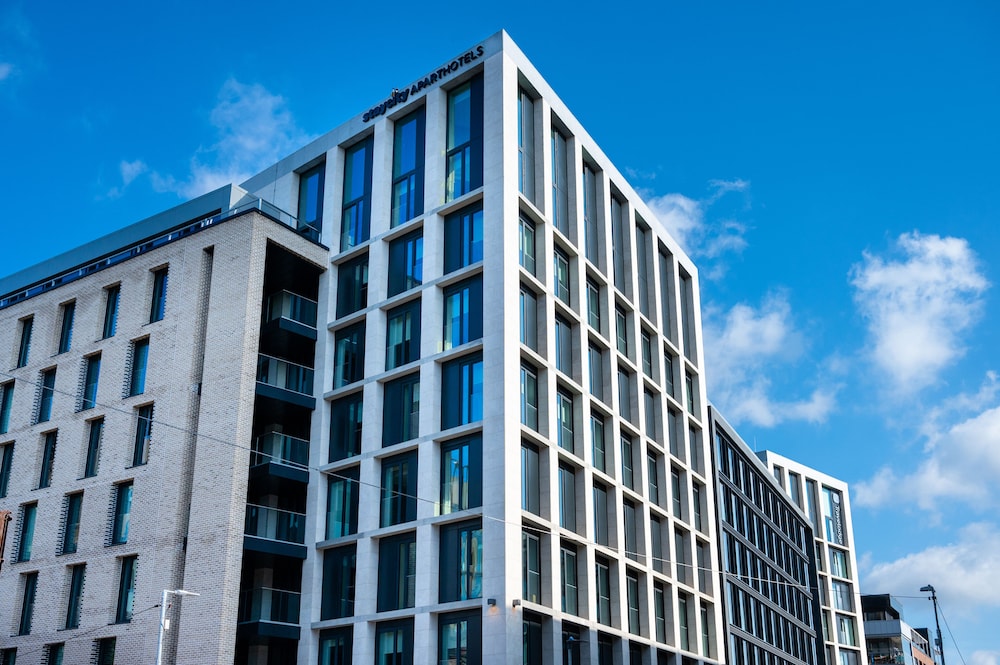
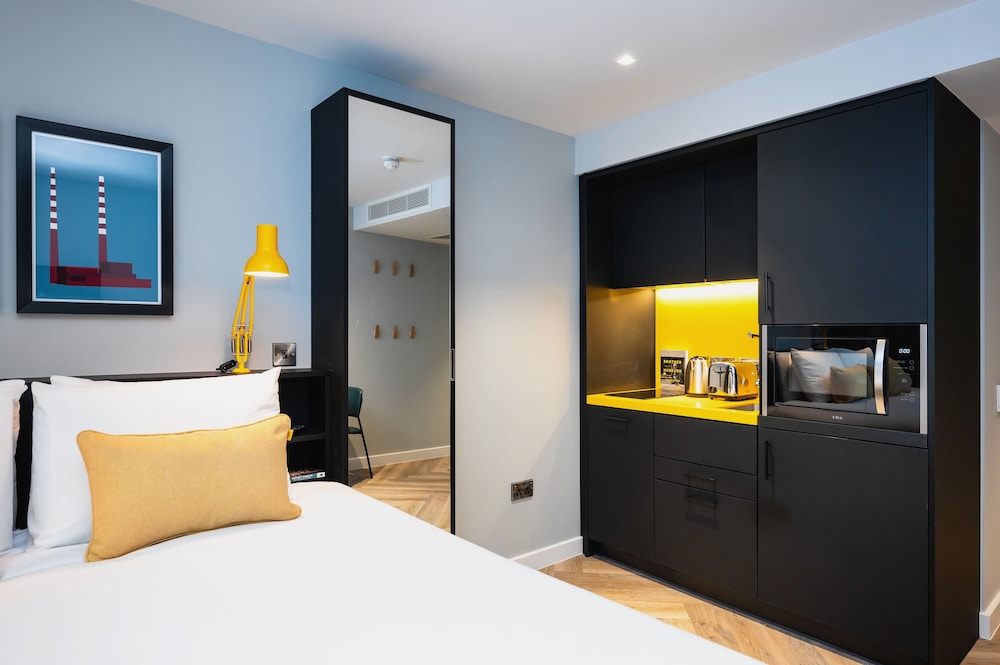
For travellers who'd rather skip driving across the city altogether, booking a hotel near Dublin's Connolly or Heuston stations, or in Galway's Eyre Square and Cork's city centre near Kent Station, puts you within walking distance of shops, restaurants and rail connections, leaving the rental car for day trips only. If your itinerary is mostly motorway-based, a hotel just off a junction near Portlaoise, Fermoy or Ennis can cut an hour of driving time each morning and is worth checking before you commit to a route.