The Slieve Bloom Way is a waymarked long-distance route of roughly 70 kilometres across the Slieve Bloom Mountains, which straddle the Laois–Offaly border. It is a linear trail rather than a loop, running between Glenbarrow in the east and Monicknew in the west, with the high ground around Arderin and Glendine Gap in between. Most of it is on forest track, bog road and open hillside, with the roughest footing on the sections above the tree line. A short break usually means picking one or two stages rather than the whole thing.
What the Way actually is, and how to shorten it
The two most rewarding stretches are Glenbarrow to Clonaslee, and the central section through Glendine Gap. Glenbarrow has the waterfalls and the steepest climb, so it suits fresh legs on day one. The middle section gives the widest views on the clearest ground. Walkers who want a gentler alternative should take the towpath along the Grand Canal at Ballycommon or the forest tracks around Emo, both of which stay dry underfoot in wet weather. The ridge above the tree line is where navigation matters, and it is the part I would skip if the cloud is down.
Where to base yourself, and how to get there
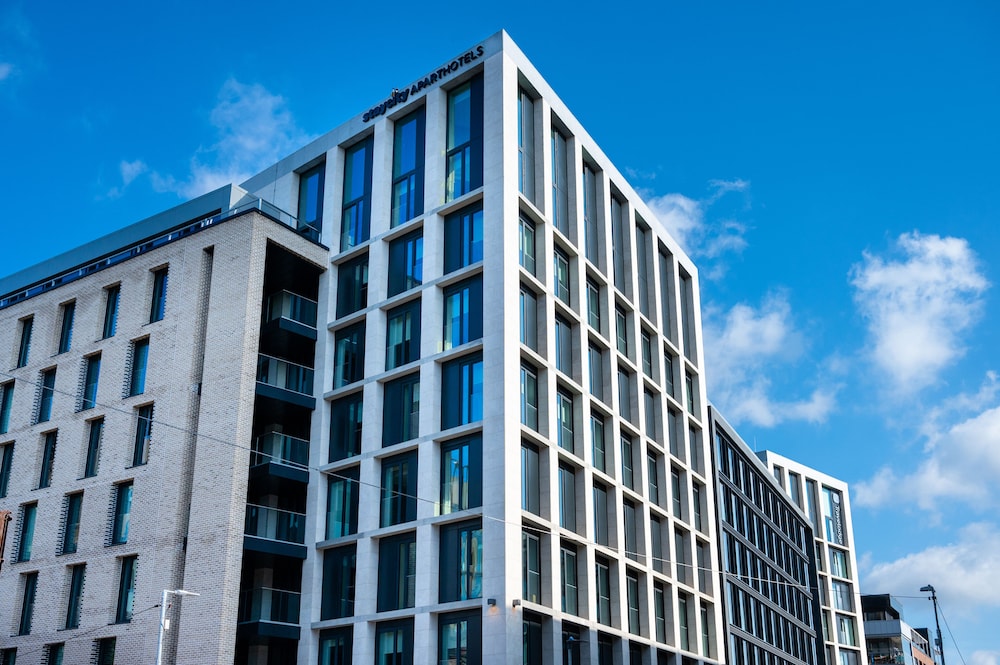
The nearest towns for a walking base are Portlaoise, Tullamore, Mountmellick and Kinnitty. Portlaoise has the strongest practical case: it is on the M7, has the main train station on the Dublin–Cork line, and puts you within about twenty minutes of the Glenbarrow trailhead near Rosenallis. Tullamore is similar in size and suits the western end of the range. Kinnitty, at the foot of the mountains, is the most atmospheric option if you want to walk from the door, though it is small. Hotel rates in the region sit in a moderate midlands band compared with Dublin or Galway, and weekend demand rises in summer.
Transport is the main planning constraint. The Way is not served by a regular bus along its length, and taxis from Portlaoise to Glenbarrow are the usual solution for a one-way walk back to your hotel. Agree the return pickup before you set out, because phone coverage on the high ground is patchy. Trains from Dublin Heuston to Portlaoise take roughly an hour, which makes a two-night break feasible from the east coast. If you have no car, base in Portlaoise and use it as a spoke, rather than trying to move luggage between villages.
When to go, what to wear, and the honest downsides
May to September gives the best combination of light and dry ground, with June and early July the longest evenings. The mountains are low, topping out at Arderin at 527 metres, but they are exposed and the weather turns fast. Low cloud is common in any month, so a paper map and compass are worth carrying even with a phone app. Winter walking is possible on the forest tracks but the open sections become unappealing, and daylight shortens sharply from late October. Autumn is quiet and often clear, and the birch and rowan colour on the eastern slopes is the best reason to go then.
Expect wet ground rather than technical difficulty. Boggy patches persist on the central plateau even in dry spells, and waterproof boots with ankle support are the right call. Midges are a nuisance near the trees in still, humid conditions from June to August. There are no shops or cafés directly on the trail, so carry water and food for the day. The nearest places for a proper meal at the end of a walk are Clonaslee, Kinnitty and Rosenallis. What you should not expect is a serviced, signposted visitor trail throughout: this is a working mountain landscape.
Two days that work, and what to leave out
For a two-night break, I would book a hotel in Portlaoise for both nights and treat the town as a fixed base. Day one: Glenbarrow to Clonaslee, taking in the waterfall steps early and the forest roads after, then a taxi back. Day two: drive to Kinnitty, walk the western approach towards Glendine Gap and return the same way, which avoids committing to a full traverse. This gives you the best scenery without the logistics of moving bags, and it leaves the afternoon free for Emo Court or the gardens at Ballinakill.
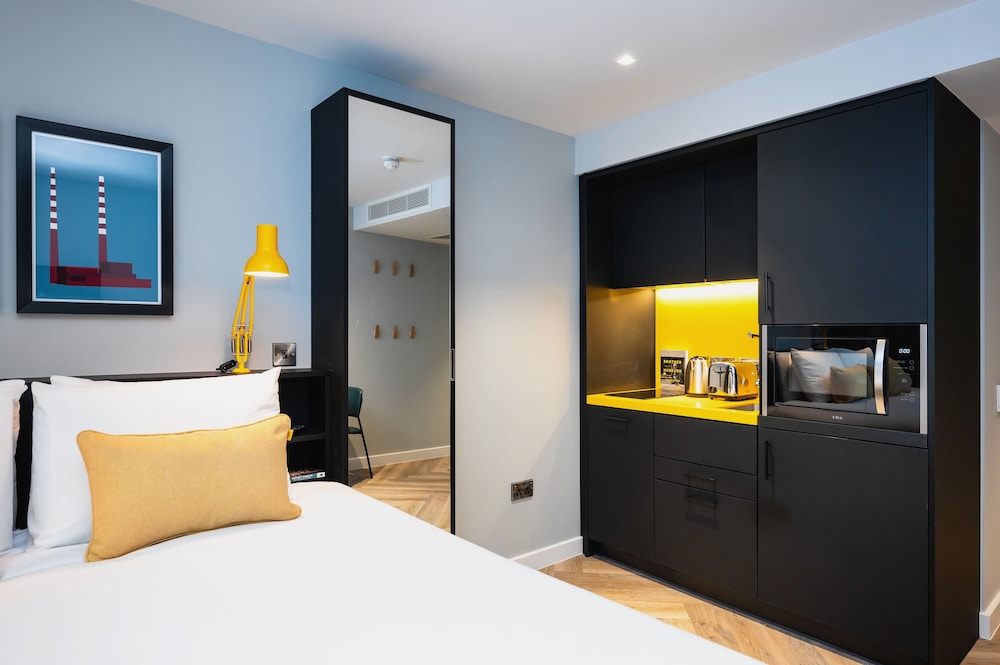
If you have a third day, add the section between Clonaslee and the Gap, or drop the walking entirely and spend the morning on the canal towpath at Ballycommon, which is flat and easy. Skip the full end-to-end traverse unless you have two cars or a willing driver, and skip the summit plateau in poor visibility. For a short break, book somewhere with a drying room or at least a decent radiator, confirm early breakfast, and ask at reception about local taxi numbers. A modest, well-placed hotel beats a distant one with a longer drive each morning.