The Wexford Slobs are reclaimed polderland on the north shore of Wexford Harbour, split into the North Slob and South Slob and separated from the open water by a low sea wall. In winter the flooded grasslands hold a large share of Ireland's Greenland white-fronted geese, along with greylag and brent geese, golden plover, lapwing, curlew and redshank. The birds are close to the road and viewable from the car, which is what makes a two-day trip realistic rather than optimistic.
Why the Slobs Work as a Weekend Base
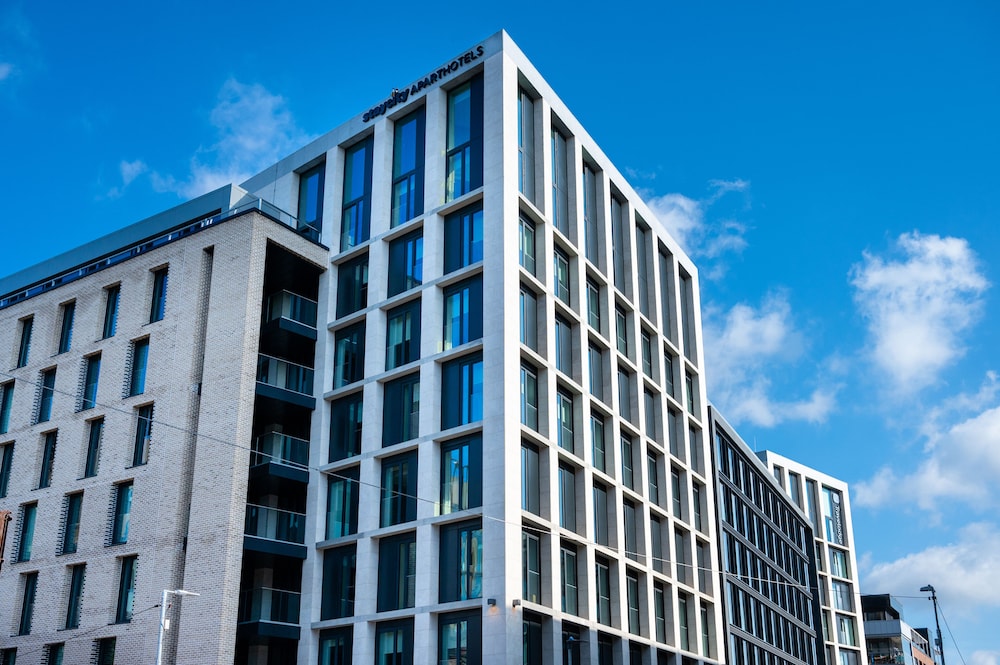
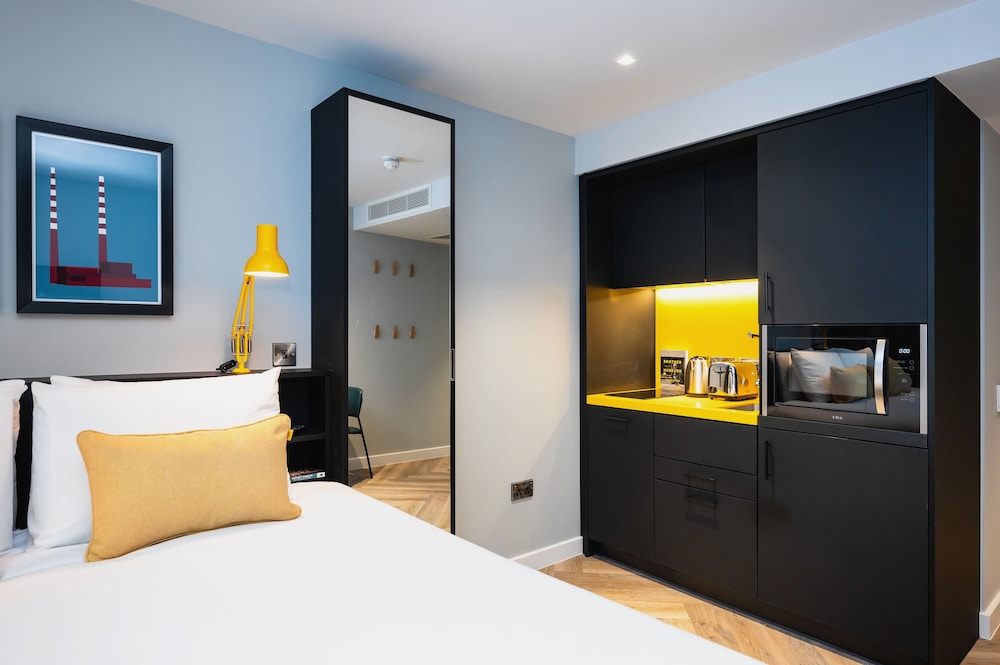
Base yourself in Wexford town, which gives you a bridge crossing to the North Slob in under ten minutes. Hotels near the quays and along the Rosslare Road put you on the right side of town for the harbour, while B&Bs on the Rosslare Road side are the sensible pick if you intend to be out at first light. Around Wexford town expect roughly EUR 90 to 150 for a double in spring and autumn, higher at weekends in July and August.
The North Slob: Irish National Heritage Park and the Sea Wall
The North Slob is reached by the bridge at Wexford Harbour and is the easier of the two for a first visit. The Irish National Heritage Park sits on its edge and is a useful wet-weather half-day. The lane running along the sea wall gives clear views over the mudflats at low tide, when godwit, knot and dunlin feed on the exposed mud, and over the grass fields at high tide, when the geese move in to roost. Dawn and the two hours either side of high water are the productive windows.
Bring a scope if you have one, but binoculars will do; much of the birds' activity happens within 200 metres of the lane. Drive the loop slowly and pull fully onto the verge to let local traffic pass. Skip the middle of the day in December and January, when the light is flat and the birds are loafing. February and March give longer days and the first signs of movement; November is the peak for the white-fronted geese arriving from Iceland.
The South Slob and Wexford Harbour
Cross back through town and take the road towards Rosslare for the South Slob, where the channels and pools attract wigeon, teal, shoveler and pintail in numbers, plus a scattering of whooper swans in hard winters. The lanes are narrower and there is less room to stop, so choose a few established pull-ins and walk rather than cruising. The harbour itself is worth a scan from the quays in Wexford town at dusk, when gulls and terns gather and the occasional diver or grebe appears.
Tides govern the day here more than the clock. Check a Wexford Harbour tide table before you leave the hotel and plan the North Slob for high water and the harbour mudflats for low water. A car is close to essential; the walk from Wexford town to the North Slob bridge is pleasant but long, and the lanes beyond it are not lit. Do not walk out onto the mud or the sea wall at rising tide, and respect the signed private farmland along the banks.
Where to Sleep and What Else Fills the Day
Wexford town has the deepest stock of hotels and guesthouses, with Trinity Wharf, the quays and the area around Redmond Square all within a short walk of restaurants for the evening. Rosslare Harbour, 20 to 25 minutes south, is quieter and convenient if you are arriving by ferry, but it leaves you further from the geese. I would book Wexford town for a birding weekend and use Rosslare only as a stopover. Book two nights minimum, and ask for a room away from the street.
For non-birding hours, the Irish National Heritage Park fills a wet morning, and the beaches at Curracloe and Ballinesker are a 20-minute drive north. Wexford town has a good cluster of pubs and restaurants around Monck Street and the Bull Ring. Summer weekends are busy with domestic visitors and hotel rates climb, so if you want the slobs at their best, aim for November to March and book well ahead for the goose season.