From late March the Wicklow garden belt wakes up first, and Powerscourt Estate near Enniskerry is the easiest big garden to reach from Dublin — around 50 minutes by car via the M50 and N11, or the 44 bus from the city. The Italian and walled gardens hold structure all year, but April and May are when the herbaceous borders start to fill in. Budget €8–€14 per adult for the main gardens depending on what is open, and go on a weekday morning: coach traffic builds from about 11am.
Spring: the season that justifies the trip
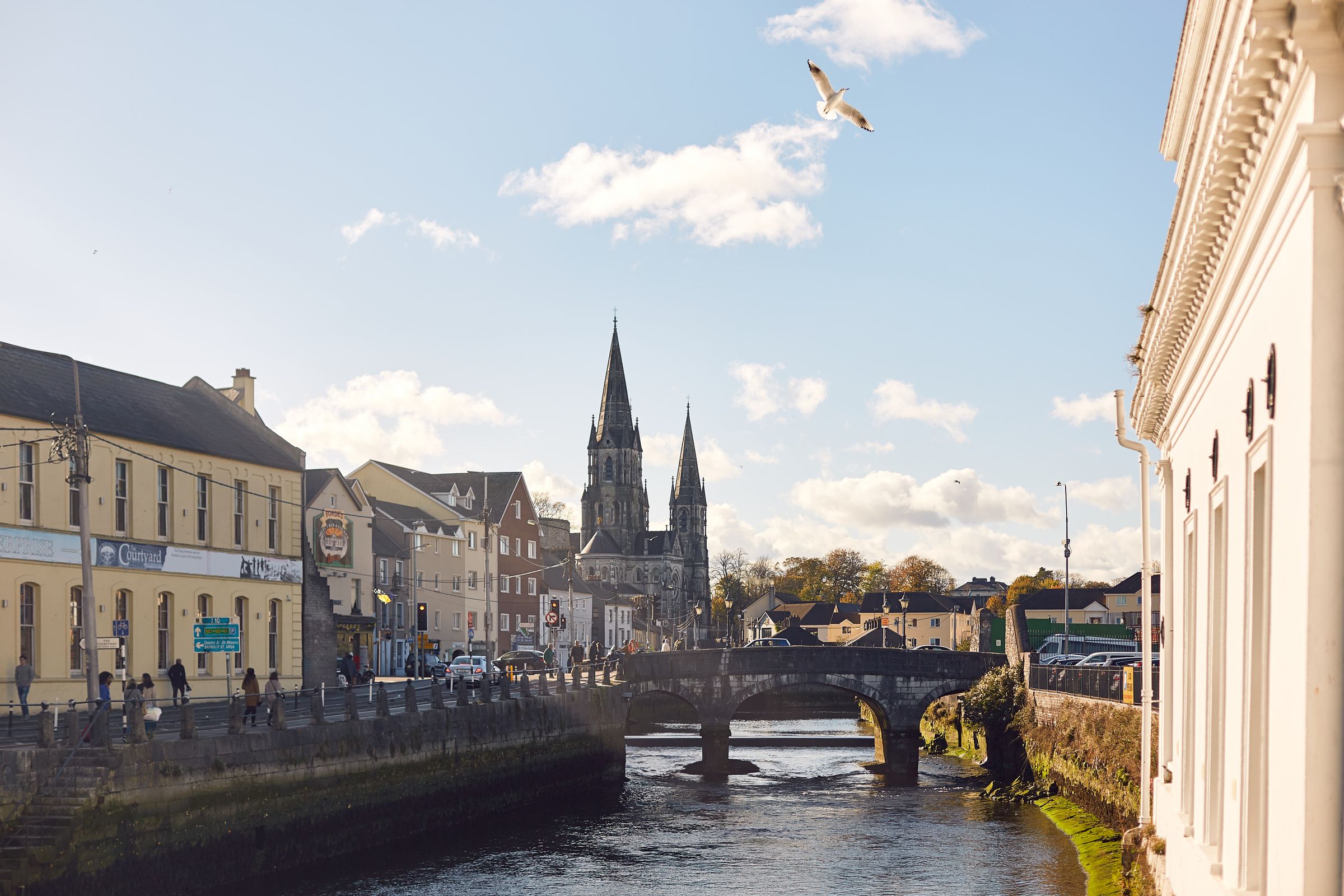
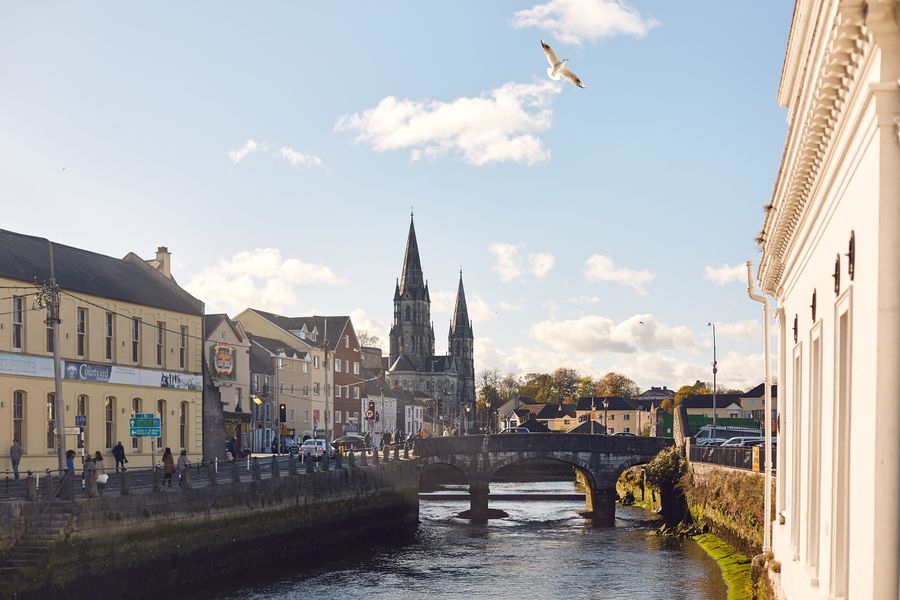
Further south, Fota Arboretum and Gardens in east Cork is the other essential spring stop. It sits just off the N25, fifteen minutes from Carrigtwohill and twenty from Cork city centre, and the walled garden's tender collection is under glass until May. Late April to early June is the sweet spot — the rhododendrons and azaleas are the reason people come. Base yourself in Cork city or Cobh rather than trying to do Fota and west Cork in one day; the drive to Bantry is another 90 minutes.
Summer: long light, full borders, and the crowds to match
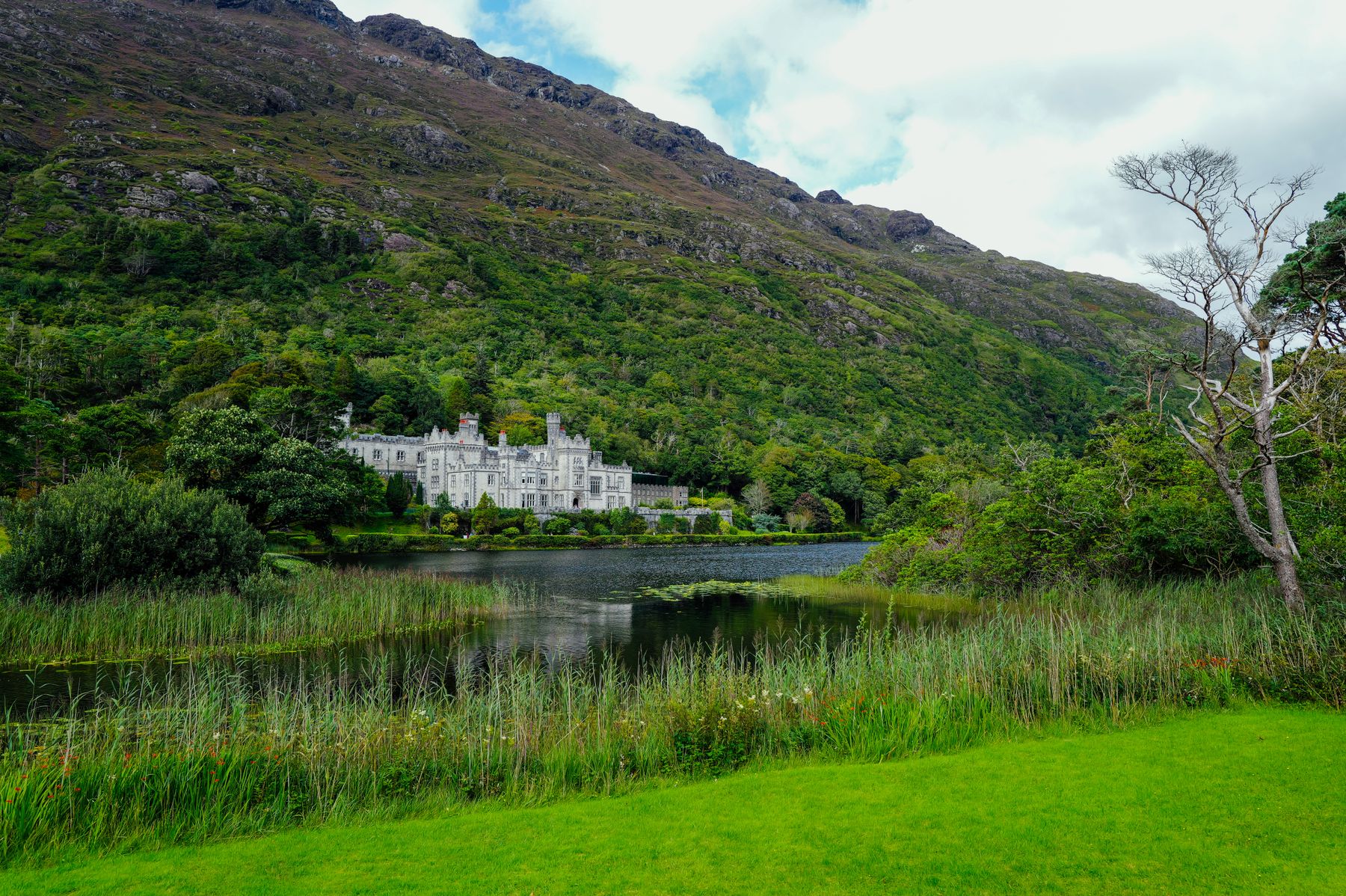
June and July are when Ireland's parklands pay off, simply because daylight lasts until nearly 11pm in the west. Connemara's Kylemore Abbey and its Victorian walled garden, roughly 15 minutes from Letterfrack on the N59 and 75 minutes from Galway city, is best done before 10am — the car park fills by mid-morning in high season. A combined ticket runs in the mid-teens in euros. The contrast to note: formal gardens here are compact, while the surrounding estate walks are the real draw on a fine day.
The other strong summer option is the National Botanic Gardens at Glasnevin, Dublin, which has been free to enter for years and is a 20-minute bus ride from O'Connell Street. It is smaller than people expect and the glasshouses are hot in July, so an early slot suits. If you want a parkland rather than a garden, the Phoenix Park's 700-plus hectares are open and free, and the visitor centre at Ashtown is a useful anchor. Book Dublin for these two; a suburban hotel near the M50 saves on parking.
Autumn and winter: what actually stays open
September and October are the most underrated months for Irish gardens — colour in the arboretums, no coach queues, and prices in Kilkenny, Cork and Galway dropping after the school return. But winter changes the map. Many privately run gardens close from November to February or open only the estate grounds; grand houses such as Powerscourt stay accessible but the walled garden may be reduced. Always check opening before driving to a rural garden, because a two-hour detour to a locked gate is the classic Irish garden mistake.
The reliable winter options are the publicly funded sites: the National Botanic Gardens, the parklands at Killarney National Park (Muckross House grounds remain walkable almost year-round, 10 minutes from Killarney town), and the big urban parks. Killarney in December is quiet and cheap; the trade-off is rain and short light, so plan a two-night stay rather than a day trip from Cork, which is a 90-minute drive each way on the N22.
Where to base yourself — my honest picks
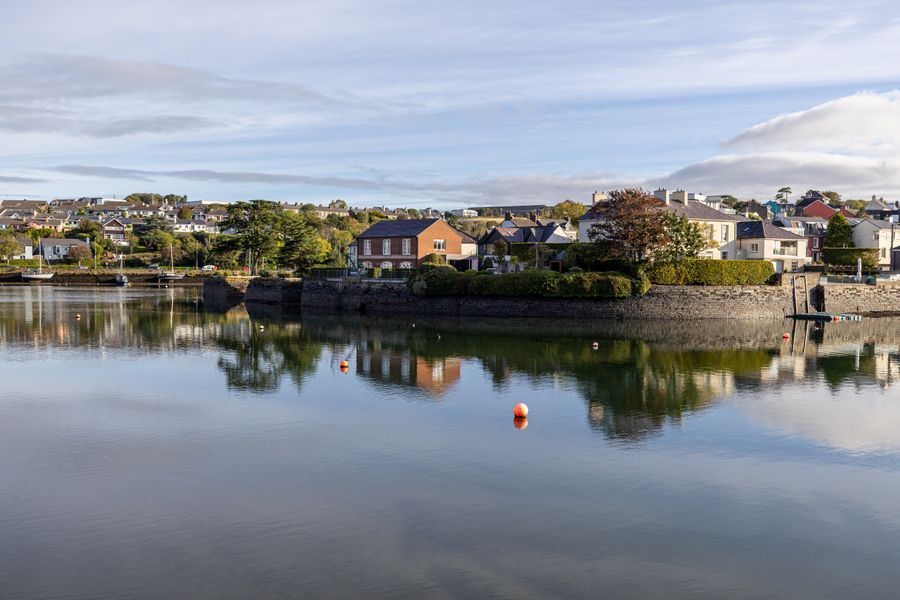
For a gardens-focused trip I would split the stay three ways rather than touring from one hotel. Base in Dublin for Glasnevin and Powerscourt, in Cork city for Fota and as a springboard west, and in Galway or Clifden for Connemara and Kylemore. Galway to Kylemore is about 80 minutes on the N59; Clifden cuts that to 25. Hotel rates in Clifden run higher in July and August and drop noticeably in May and October, when the garden is still very much worth seeing.
Skip the temptation to drive the whole Wild Atlantic Way and see gardens en route — the distances defeat you. Also skip the big-house gardens that charge separately for house and grounds unless you actually want the interior; the garden ticket alone is usually the better value. For a first trip, three nights Dublin, two Cork, three Galway gives you the strongest gardens with sane drives. Book early for June, when Irish and overseas visitors overlap and coastal rooms fill first.