Irish gardens split into two personalities. From May to August, the big names — Powerscourt in Enniskerry, the National Botanic Gardens at Glasnevin in Dublin 9 — fill car parks by mid-morning. Between November and early March the same places are close to empty, opening hours shorten (many estates run roughly 10am to 4.30pm, with last entry around 3.30pm), and entry to the walled gardens at National Botanic Gardens sites remains free, while places like Powerscourt charge an estate admission in the region of €9–€12 for adults depending on season. Check each garden's own site before travelling, as winter closures for storm damage are common.
Why the Off-Season Suits Garden Visits
What you lose is colour in the borders; what you gain is structure. Bare beech, yew and box hedges show the bones of a designed landscape, and glasshouses at Glasnevin and at Fota Island in Cork stay warm and green all winter. Rain is the honest trade-off: expect short daylight, roughly 8am to 4.30pm in December, and plan one indoor-glasshouse garden per day rather than two outdoor ones. Bring boots rather than trainers; Irish lawn edges stay soft from October to March.
Dublin and Wicklow in a Short Break
Base yourself in Dublin city centre and the gardens come to you. The National Botanic Gardens at Glasnevin sit about 3.5km north of O'Connell Street — a 15-minute bus ride on the 4 or 9, or a 40-minute walk through Phibsborough — and their Victorian glasshouses are the best winter interior in the city. Pair that with a morning at Iveagh Gardens off Harcourt Street, a five-minute walk from St Stephen's Green, which stays open year-round and is quiet enough in January to have the sunken lawn to yourself. Both are free.
For a full day out, take the DART south to Bray and a taxi or the 185 bus up to Enniskerry for Powerscourt, around 25 minutes from Bray station. The Japanese garden and the terraces read well in low winter light, and the waterfall walk suits a dry, cold day. If you have a car, drive 40 minutes further to Mount Usher at Ashford, where the river garden holds up in rain better than most. I would book two nights in Dublin city centre and treat Wicklow as one long day rather than moving hotels.
The West and South: Cork, Kerry and Galway
Cork rewards a winter garden trip more than most counties. Fota Island, 16km east of Cork city and roughly 20 minutes by car or a short train to Fota station plus a walk, keeps its arboretum and walled garden open year-round, with admission around €10 for adults and reduced winter hours. Add the Crawford Gallery or a wander around the English Market in Cork city, and the day works even in drizzle. From Cork, Kinsale is 25 minutes by car and makes a gentler second base than the city if you want quiet evenings.
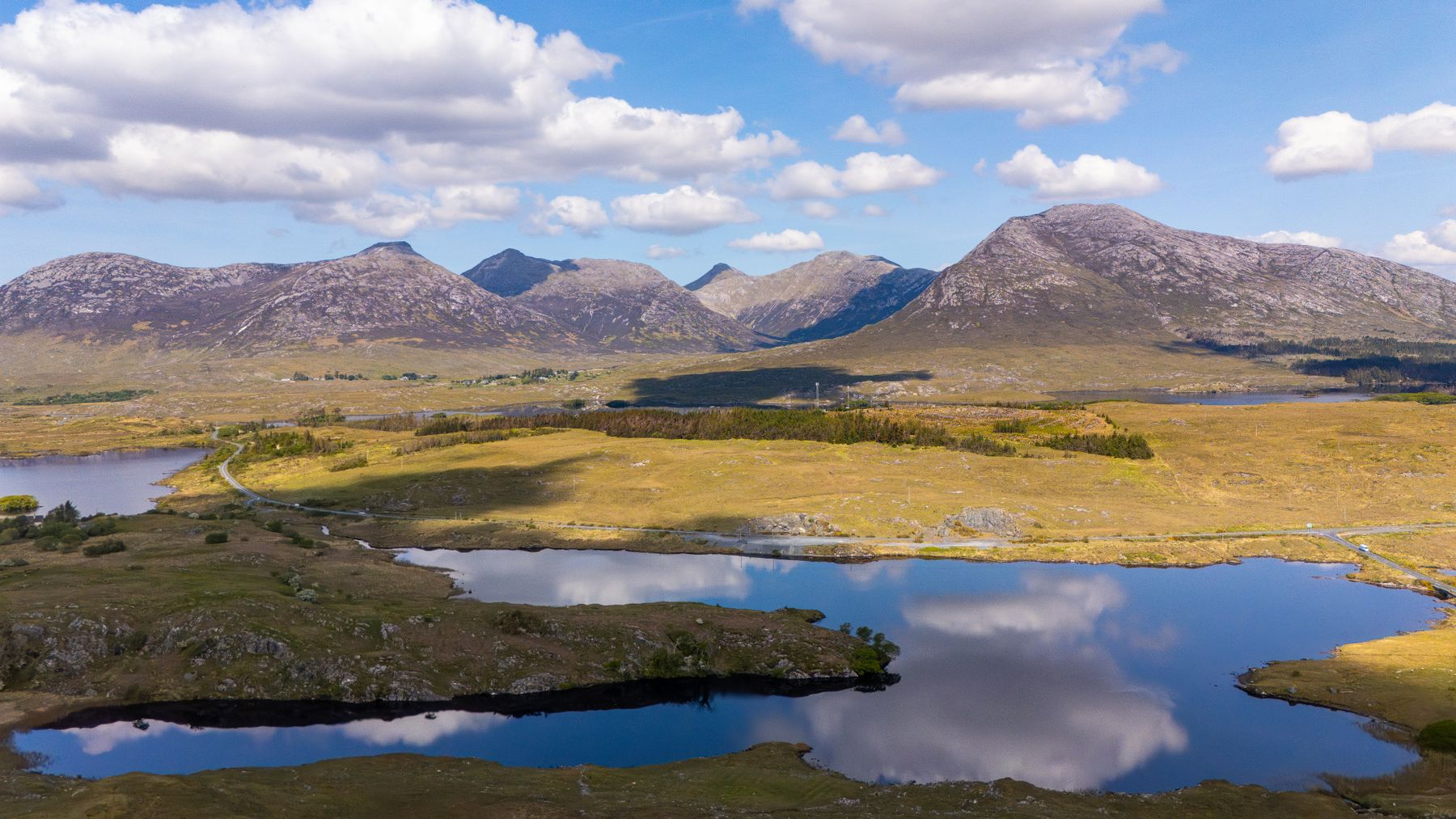
In Kerry, the Killarney National Park gardens and the Muckross estate grounds are free and open daily; the short walk from Muckross House to the abbey ruins is at its most atmospheric in mist. Allow 90 minutes and decent footwear. Galway city has less in the way of formal gardens, but Connemara's Kylemore Abbey walled garden — about 1 hour 15 minutes from Galway city by car on the N59 — is worth the drive in a dry spell, with admission around €15 including the abbey. Book Galway as a two-night stop, not a day trip from Dublin.
Practical Timing, Transport and Where to Stay
February and early March are the sweet spot: snowdrops and early daffodils appear, days stretch past 5pm, and hotel rates in Dublin, Cork and Galway sit well below summer levels. Avoid the week around St Patrick's Day if you want quiet, and check opening hours carefully between Christmas and New Year, when several estate gardens close entirely for a fortnight. Many regional gardens shut on Mondays and some close for January; phone ahead if travelling to somewhere like Altamont in County Carlow, which is free but runs limited winter hours.
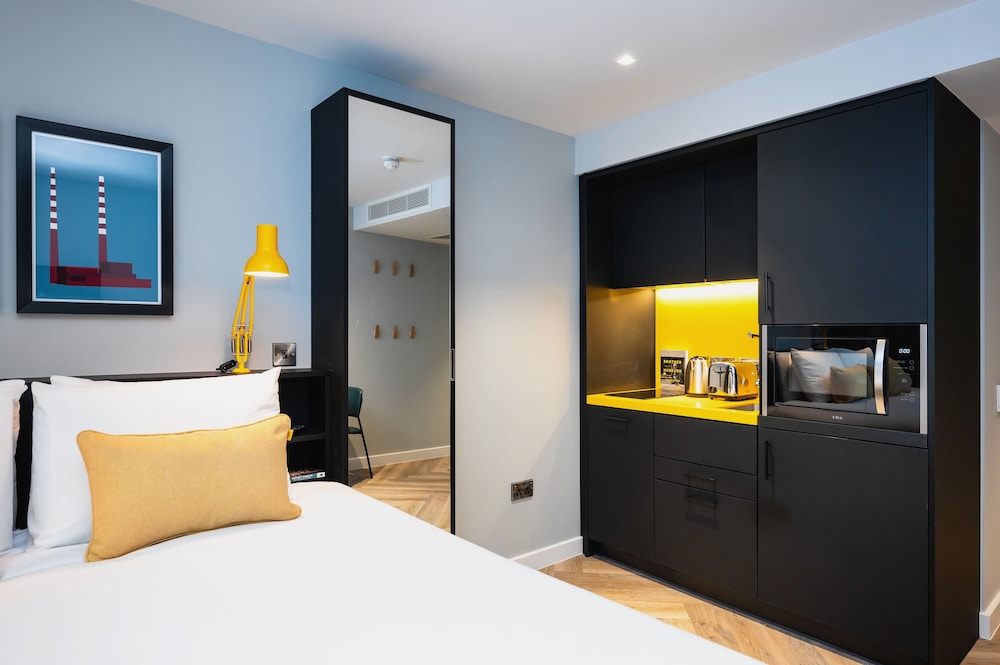
Transport shapes the plan. Public gardens in Dublin and Cork are reachable by bus, DART or suburban rail; Wicklow, Kerry and Connemara gardens effectively need a car, and winter hire is cheaper than summer but daylight is short, so avoid long drives after 3.30pm on minor roads. Book accommodation close to the garden you most want to see rather than splitting a short trip across three counties. For a first visit, I would choose two nights in Dublin and two in Cork, using each city as a base and picking one garden day from each.