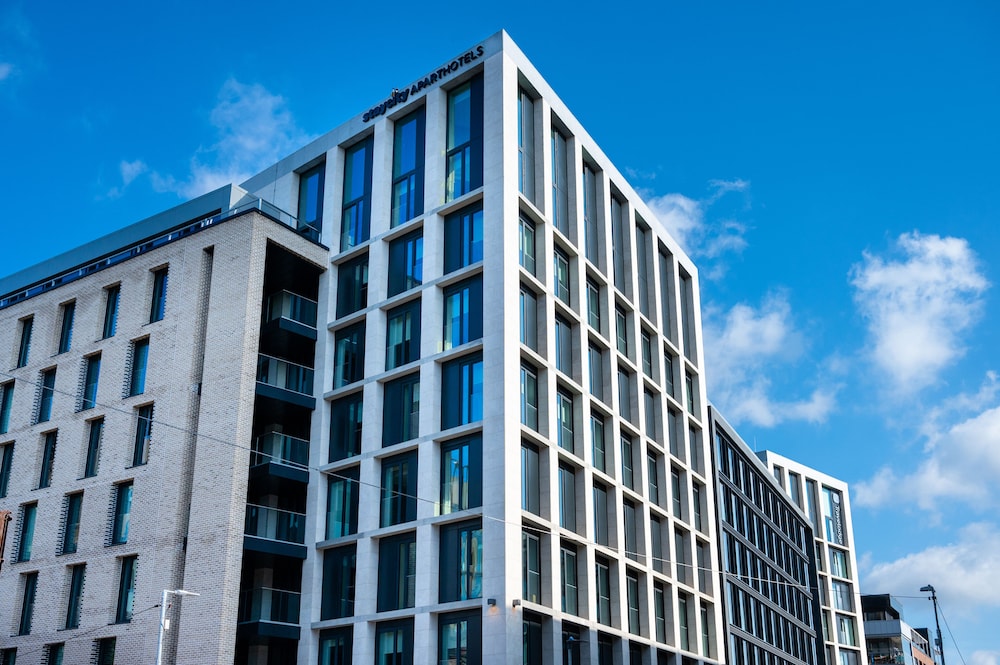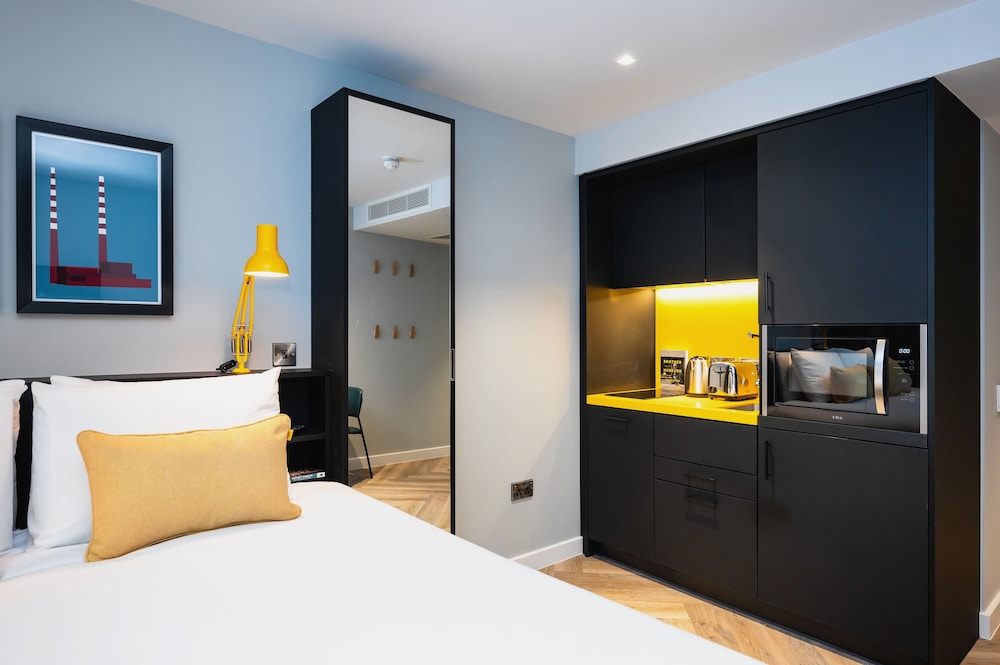
Dublin is the easiest starting point for most wheelchair users arriving into Ireland. Dublin Airport is roughly 30 to 45 minutes from the city centre by taxi, and all terminals have step-free routes and accessible toilets; the Aircoach and Dublin Express coaches to the city take around 30 minutes and carry wheelchairs if booked in advance. Hotels around Ballsbridge, the IFSC and the south quays tend to have the widest doorways and roll-in showers, while older Georgian properties on Harcourt Street or Fitzwilliam Square often have steps at the front door. Expect €150 to €280 a night for an accessible four-star room in high season.
Choosing a Base: Dublin, Cork or Galway
Cork suits travellers who want a smaller, flatter centre. Kent Station is about a 15-minute walk from the main shopping streets, and the city's pavements along Patrick Street and the Grand Parade are mostly level with dropped kerbs, though the older lanes off North Main Street are rough. Galway is compact and friendly but the Latin Quarter's cobbles around Quay Street and Kirwan's Lane are genuinely difficult in a manual chair. If Galway is on your list, base yourself along the Salthill promenade or by Eyre Square, where surfaces are smooth and hotels are modern.
Getting Around Without a Car
Ireland's trains are more accessible than many visitors expect. Irish Rail provides ramped access at staffed stations, including Heuston and Connolly in Dublin, Kent in Cork, and Ceannt in Galway; you should ring ahead at least 24 hours so staff can meet you. Intercity journeys run Dublin to Cork in about 2 hours 30 minutes and Dublin to Galway in roughly 2 hours 20 minutes. Bus Éireann and Dublin Bus coaches are low-floor with ramps, though not every rural stop is suitable. Taxis are plentiful in the cities but wheelchair-accessible taxis are limited outside Dublin, so booking a day ahead is sensible.
Driving gives the most freedom, especially for the west coast. Hire firms at Dublin and Shannon airports offer adapted cars with hand controls, usually needing two to four weeks' notice and a higher daily rate than a standard automatic. The M6 to Galway and the M8 to Cork are straightforward motorways, but remember that many of the scenic routes, such as the Conor Pass in Kerry or parts of the Wicklow Gap, have narrow verges and few passing places. Parking in smaller towns is generally free or inexpensive, and blue badge spaces are common outside supermarkets and churches.
Days Out That Work Well
In Dublin, Trinity College's campus is largely step-free and the Book of Kells exhibition has lift access, though the Long Room itself can be crowded in July and August; book a morning slot. The National Gallery of Ireland on Merrion Square has level entry, lifts and accessible toilets, and the Smithwick Room is a calm place to pause. Further out, the Phoenix Park's main paths and the visitor centre at Ashtown Castle are manageable, and Dublin Zoo has a clear accessible route map. Skip the cobbled lanes of Temple Bar if you are in a manual chair, and note that many Georgian houses open to the public have steps at the entrance.
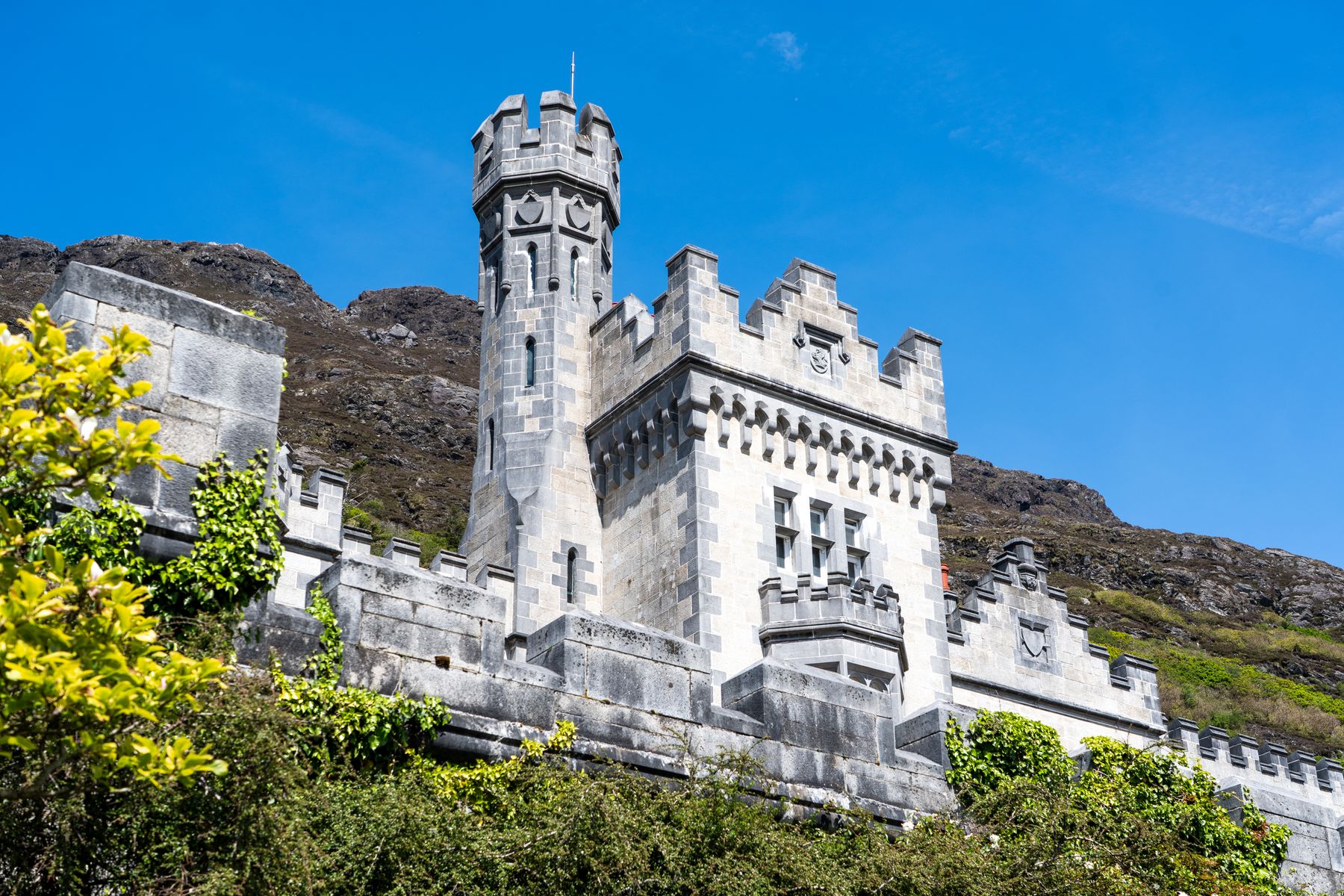
Outside the cities, the big accessible draws are gardens and estates rather than cliff walks. Powerscourt Estate in County Wicklow has a tarmac path to the waterfall and accessible toilets, and it is about 40 minutes from south Dublin. In County Clare, the Cliffs of Moher visitor centre is fully accessible with lifts and a level viewing platform, though the clifftop paths themselves are exposed and often windy. Blarney Castle's grounds near Cork are partly accessible but the castle itself is not. Westport in County Mayo is one of the friendliest towns for wheels: the Greenway is tarmac and level for miles, and the town centre has good dropped kerbs.
When to Go and What to Book
May, June and September are the best months for an accessible trip. Daylight lasts until around 10pm in June, which makes evening strolls along the Salthill promenade or the Grand Canal possible, and the weather is usually drier than in April or October. July and August bring the highest hotel rates and the biggest crowds at the Book of Kells and the Cliffs of Moher, which can make manoeuvring harder. Winter is quiet and cheaper but daylight fades by half four, and some smaller attractions close entirely between November and February.
For hotels, look for rooms described as having a roll-in shower and a minimum door width of 80 centimetres, and email the property directly to confirm the bed height and bathroom layout rather than relying on a booking filter alone. The best-value accessible rooms tend to be in modern chain hotels on the edge of city centres, such as around the Aviva Stadium in Dublin or the western approach to Cork. I would book a Dublin hotel with a lift and on-site parking for a first trip, then add two or three nights in Galway or Westport once you know how the transport is working out.