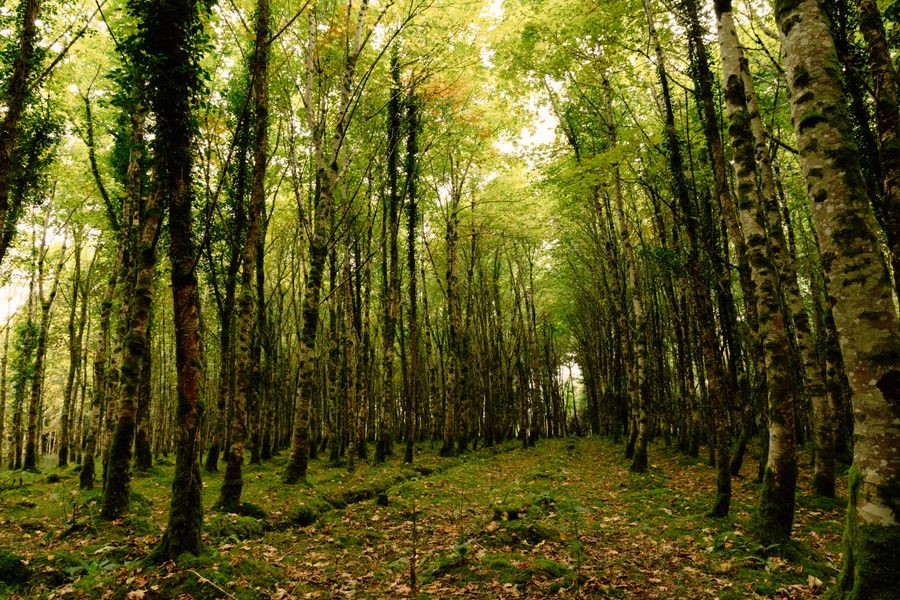
Glendalough in County Wicklow is the reliable choice when daylight is scarce. From the Upper Lake car park, the green road to the Poulanass waterfall and back takes about 40 minutes at child pace, mostly on a wide track with a gentle climb. Continue to the monastic site for the round tower and stone churches, another 30 minutes on the flat. Arrive before 10am off-season; the Upper Lake car park fills by mid-morning on weekends. From Dublin city centre it is roughly an hour by car via the M50 and R755 through Laragh.
Forest walks that work in a short day: Wicklow and Dublin
Closer to the capital, the Massey's Wood and Hell Fire Club loop on Montpelier Hill above Tallaght gives a two-hour outing with a proper reward: the ruined hunting lodge on the summit and views over Dublin Bay. The path is uneven and can be muddy after rain, so boots rather than trainers. Kilmashogue and Ticknock forest car parks on the Dublin Mountains Way are free and 30 to 40 minutes from the city centre; Ticknock's gravel trails suit buggies better than the Hell Fire Club climb.
Killarney, Gougane Barra and the Cork woods
In Killarney, the Muckross Lake loop from the Muckross House car park is around 4km and flat, with gravel underfoot and views to Torc Mountain. Allow 90 minutes with small children. Torc Waterfall itself is a 10-minute walk from the N71 car park — a short stop that suits a day when light fades by half four. Killarney National Park is about 5km from Killarney town; there is no public bus into the park off-season, so a car or a taxi is practical.
Gougane Barra in west Cork, 90 minutes from Cork city by car on the N22 and R584, has a forest park walk of about 2km around the lake, with a church on the island and a small oratory. The paths are steep in places but short. Near Blarney, the woods at Castlelyons and the trails around Farran Wood are quieter alternatives on bank holiday weekends, when Gougane Barra's car park overflows by noon.
Connemara, Sligo and the northern forests
Connemara National Park at Letterfrack offers the Ellis Wood nature trail, a 1.5km boardwalk and gravel loop suitable for a pushchair, and the lower Diamond Hill path, which climbs steadily for about 40 minutes to a viewing point before turning back. From Galway city, Letterfrack is roughly 80 minutes by car on the N59. The visitor centre has toilets and a café; the car park is €5 and fills on dry weekend afternoons in spring.
In Sligo, the Hazelwood loop along the shore of Lough Gill is a gentle 2km of forest track, 10 minutes' drive from Sligo town, and pairs well with a visit to Parke's Castle. Further north, Glenveagh National Park in Donegal runs a shuttle bus from the visitor centre to the castle and gardens; the lakeside walk back takes about an hour on a good path. In winter the shuttle runs a reduced timetable, so check before setting out.
Timing, gear and where to stay
Between November and February, daylight in Ireland runs roughly from 8.30am to 4.30pm, so plan to start walking by 10am and be back at the car by 3pm. Forest tracks hold water; waterproof boots and a spare pair of socks for each child matter more than a rain jacket. Forest car parks in Wicklow, Killarney and Connemara often have no lighting and few bins, so carry out what you carry in. Most Coillte forest trails are free; a few, including parts of Connemara National Park, charge a small parking fee.
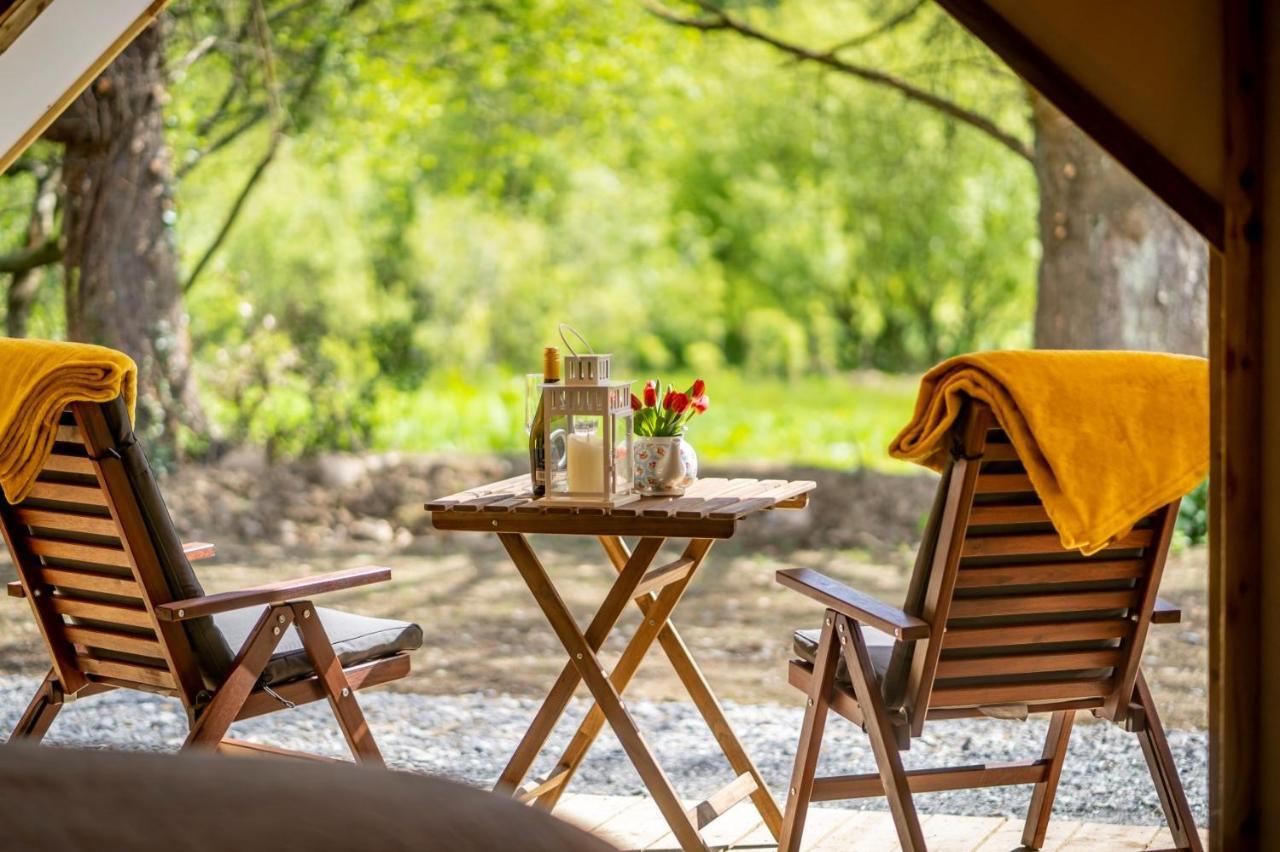
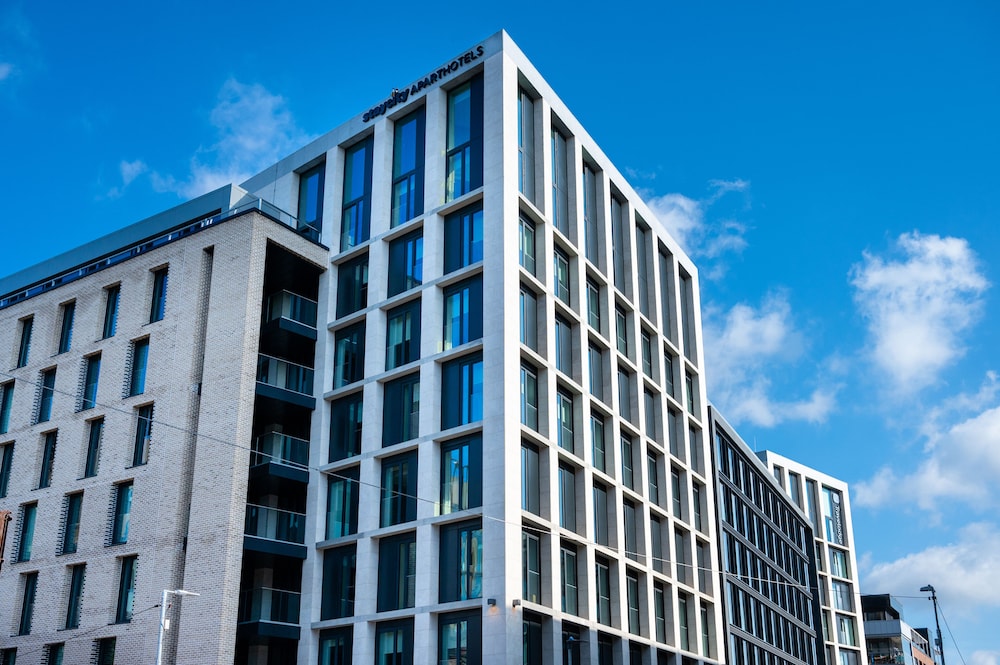
Base yourself to keep drives under an hour. For Wicklow, Bray or Greystones give you the DART into Dublin and a 20-minute drive to Glendalough. For Killarney, a hotel in the town centre puts you 10 minutes from Muckross and near the bus and train station. For Connemara, Clifden or Westport work better than Galway city if you want short morning drives. Book ahead for school holidays in February and Easter; outside those weeks, midweek rates in Killarney and Westport are notably lower.