Most travellers start on the express network. Bus Éireann's X51 links Limerick, Galway and Cork, while the X20 and 760 services run Dublin to Galway in roughly two and a half to three hours. Aircoach and GoBus compete on the Dublin–Cork and Dublin–Galway corridors, often with more frequent departures and slightly higher fares. Book online a few days ahead for the cheapest seats; walk-up fares are higher but rarely sell out outside summer weekends. If your trip is Dublin, Galway, Cork and Belfast only, this is all you need.
The Spine: Express Coaches Between Cities
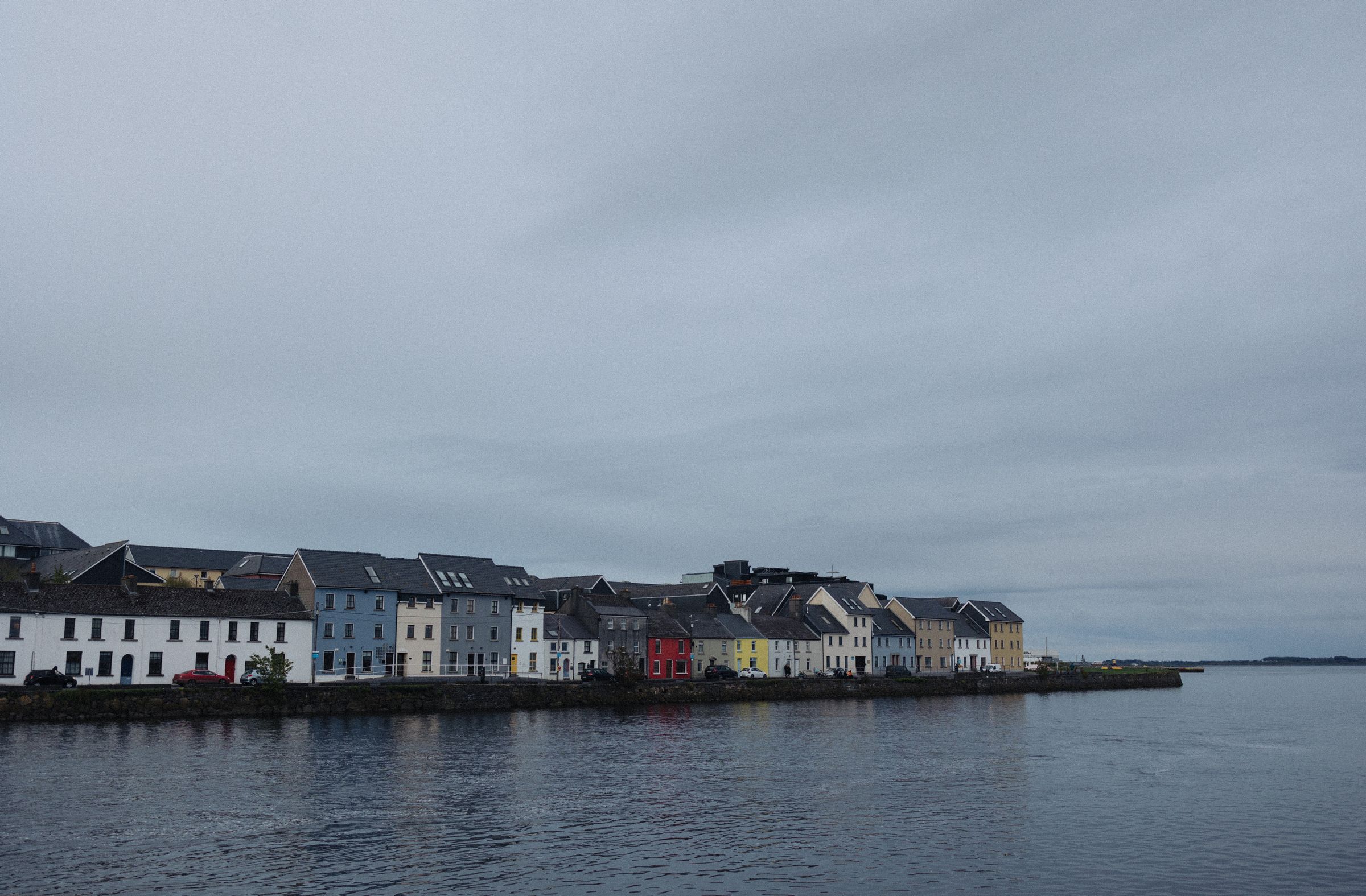
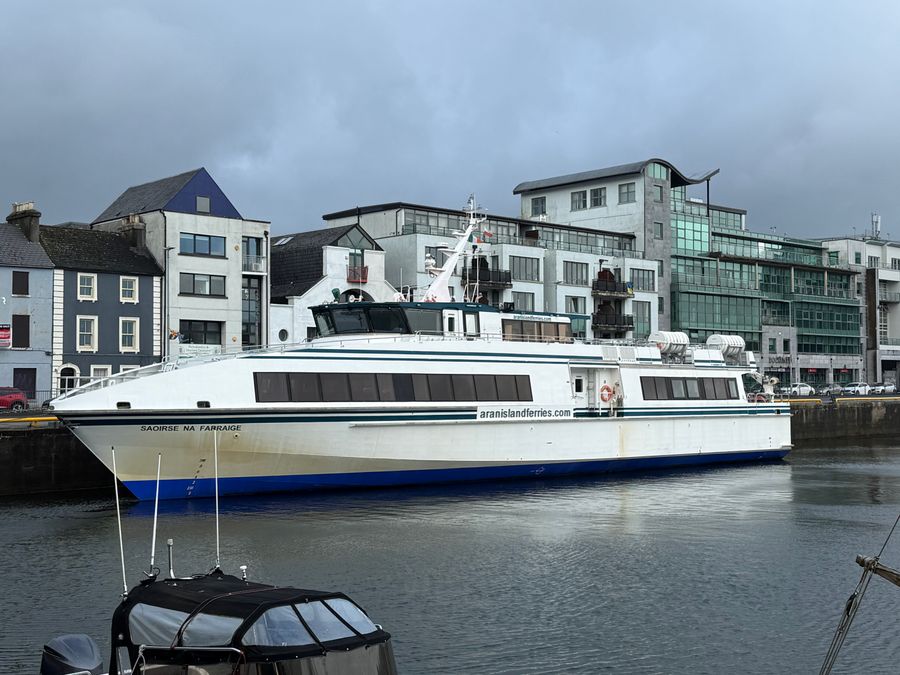
For a city-focused trip, Galway is the best base outside Dublin: from Ceannt Station you can reach Connemara, the Burren and the Aran Islands ferry at Rossaveal without a car. Cork's Parnell Place bus station serves west Cork and Kerry. Dublin's Busáras on Store Street handles most national routes, with Aircoach picking up on O'Connell Street. Allow twenty minutes at these stations for ticket machines, toilets and a coffee before departure.
If you are only visiting Dublin and Galway, book hotels near the coach stops rather than out by the ring roads. In Galway, properties within ten minutes' walk of Eyre Square make early departures to Clifden or Doolin painless, and the city's guesthouses on College Road and Lower Salthill are quieter than the Latin Quarter in summer.
Regional Routes Into Small Towns
The real reach comes from local routes. Bus Éireann's 350 runs Galway to Ennis via Kinvara, Doolin and the Cliffs of Moher, useful for reaching Lahinch and Ennistymon. Route 423 links Clifden and Westport through Connemara's villages, and the 456 crosses from Galway to Sligo. In the southwest, the 236 serves Kinsale from Cork, and the 40 runs Cork to Tralee and Killarney. These buses are slower, stop often and sometimes run four or five times a day, so check the last return before you set out.
Local Link rural services fill the gaps — they connect villages to market towns and are cheap, but timetables are thin and some routes run only a few days a week. Use the Transport for Ireland journey planner rather than a single operator's site; it stitches together Bus Éireann, Local Link and private coaches. Summer timetable changes begin in late May and end in early September, so a route that works in July may not exist in November.
Book hotels in the market town and day-trip outward rather than moving every night. Ennis, Westport and Kenmare all have enough evening restaurants and a bus stop within walking distance of most guesthouses, which beats staying in a village where the last bus leaves at six.
Where It Works and Where It Doesn't
Buses work well along the west coast and in the south. A comfortable loop is Galway to Doolin for the Cliffs, on to Ennis, then a train or bus to Limerick and Cork. Kerry is manageable if you base in Killarney — the Ring of Kerry is awkward by public transport, but the Gap of Dunloe and Muckross are reachable, and day tours fill the gaps. Northern Ireland adds complexity: cross-border coaches run Dublin to Belfast frequently, but onward rural connections are sparser.
Skip buses for the Wild Atlantic Way's remote stretches, the Beara Peninsula and much of Donegal. There, a hire car or a guided day tour is the honest answer; waiting for a twice-weekly service eats a holiday. Driving times are short — Galway to Doolin is about ninety minutes — but the roads are narrow and you will not average motorway speeds.
For a first trip, I would book three or four nights in Galway and use it as a hub for Connemara and the Burren, then two nights in Killarney. It gives you small-town Ireland without a car and without changing hotels every morning.
Practicalities and Timing
Buy tickets online where the operator allows it, especially for express routes on Friday afternoons and Sunday evenings, when students and commuters fill the coaches. Leap cards work on Dublin commuter services and some regional routes but not on all private coaches, so keep a card for the machines. Carry cash for the smallest Local Link services, and confirm the pickup point — many rural stops are marked only by a pole and a timetable, not a shelter.
May, June and September are the sweet spot: daylight is long, timetables are at full summer frequency and hotels are cheaper than in July and August. October brings fewer services; January and February are quietest, with some rural routes running a winter schedule or pausing. Check each leg the week before you travel, then book your accommodation near the station you will actually use.
Given the choice, I would book a Galway hotel near Eyre Square with a later checkout and spend the saved morning on a bus to Connemara, rather than rushing a series of short stays.