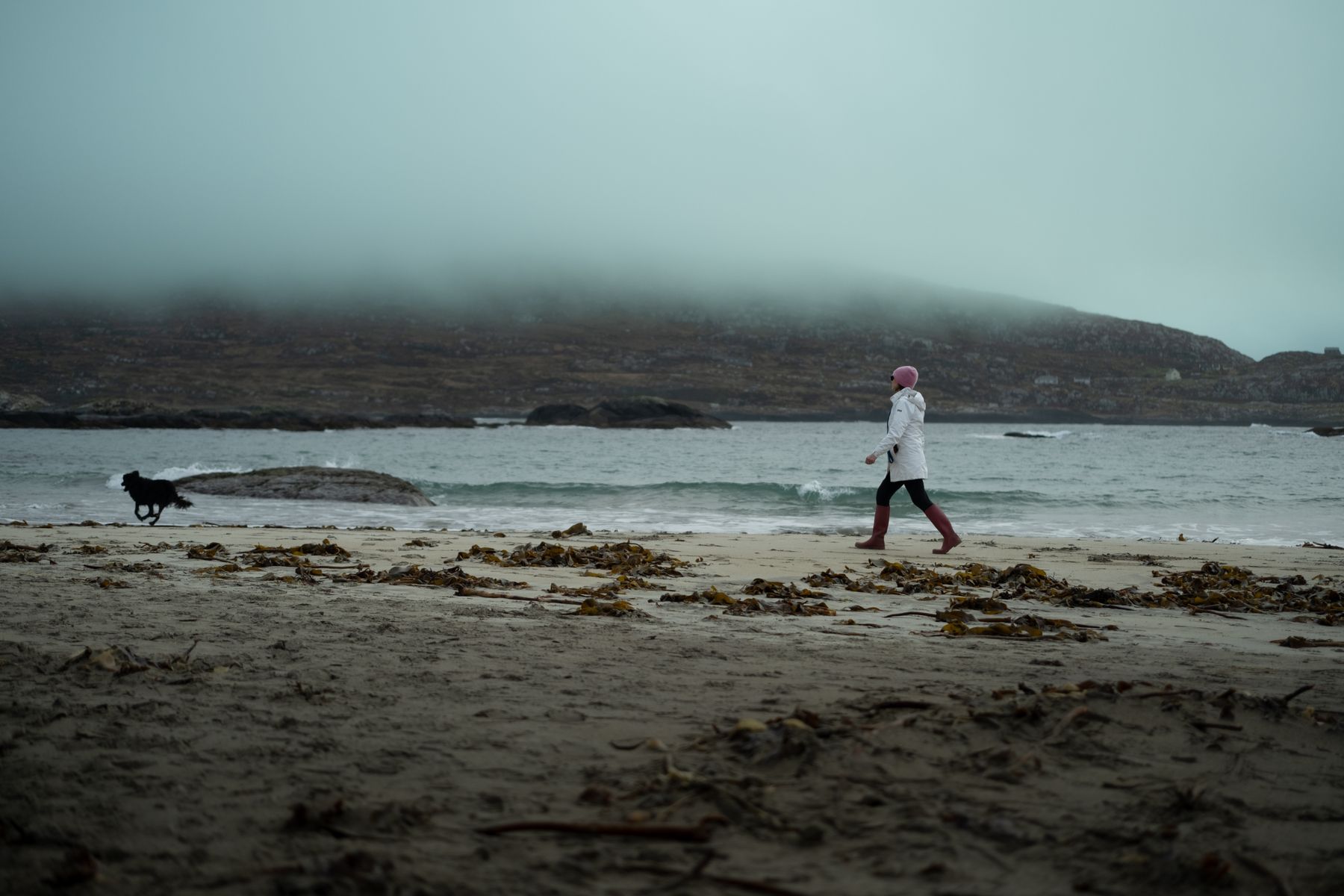
Daylight runs from roughly 8am to 5.45pm in early February and stretches past 6pm by month's end, enough for a solid four to five hour walk if you start before ten. Rainfall is high but rarely constant; you get squalls followed by clear light that makes the Atlantic coast genuinely spectacular. Midweek hotel rates in Dublin, Galway and Killarney sit far below June levels, and you can usually book a room with breakfast a week out rather than months. Pack waterproof boots, gaiters and a warm mid-layer; boggy ground is the norm on upland routes.
Why February Works for Walkers
The trade-off is wind and short days. Mountain forecasts change hourly, and many upland paths hold standing water through the month. Coastal and forest trails drain far better than open bog, so plan low routes with a bail-out option. Visitor attractions outside Dublin often run reduced winter hours, with some closed entirely until March. Check opening times before you commit to a day's drive — a closed heritage site can waste half a morning.
Dublin: City Base, Hill Access
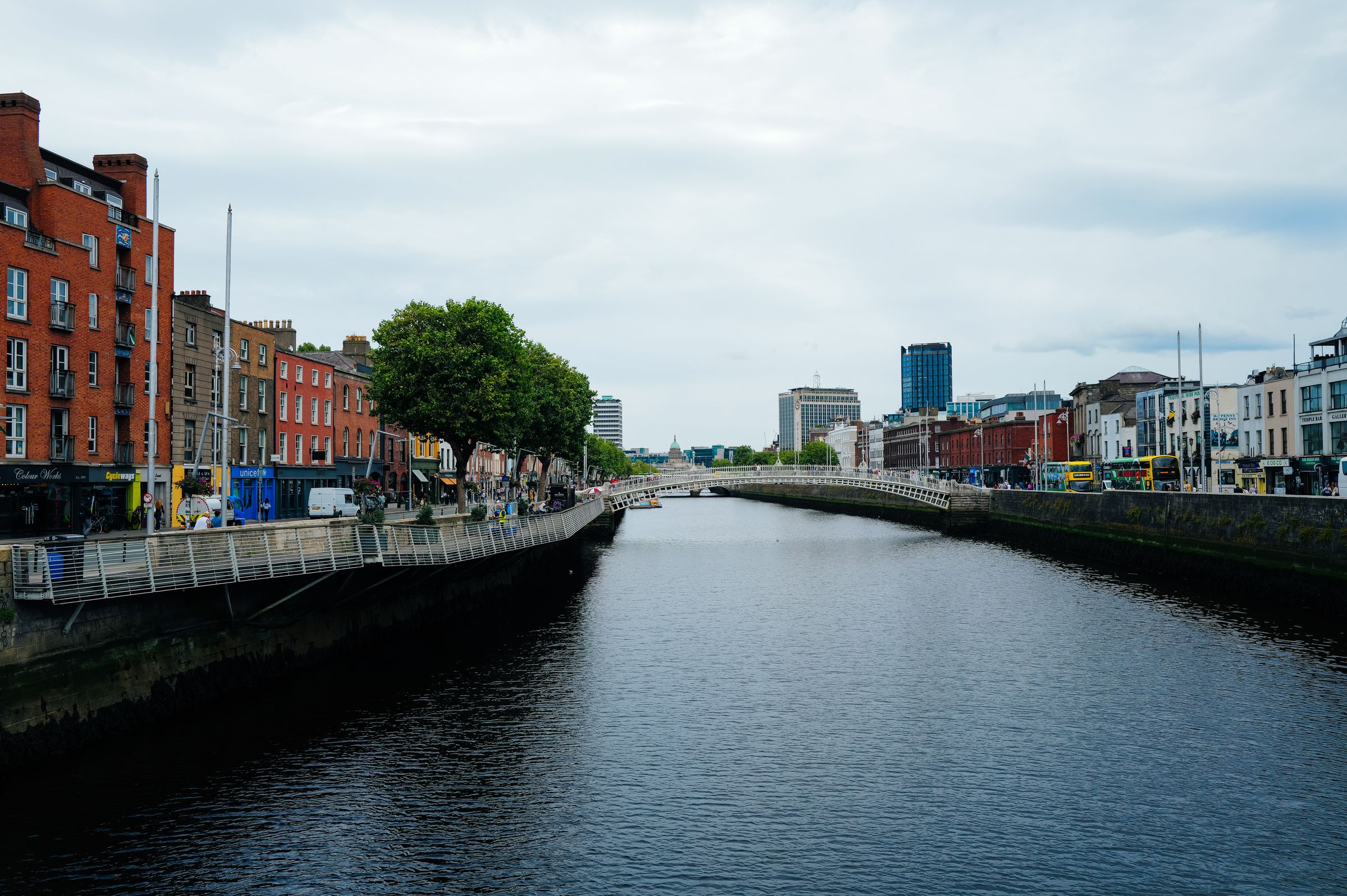
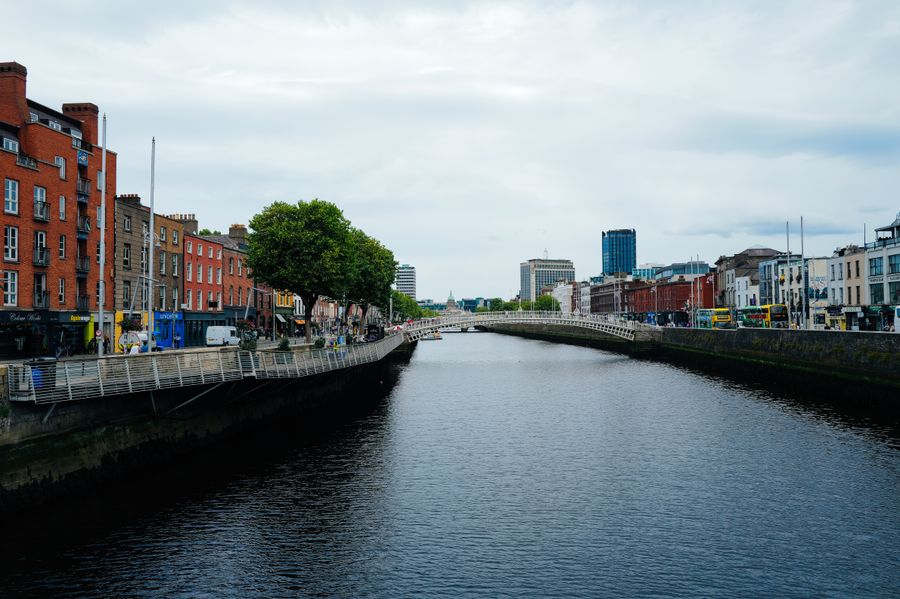
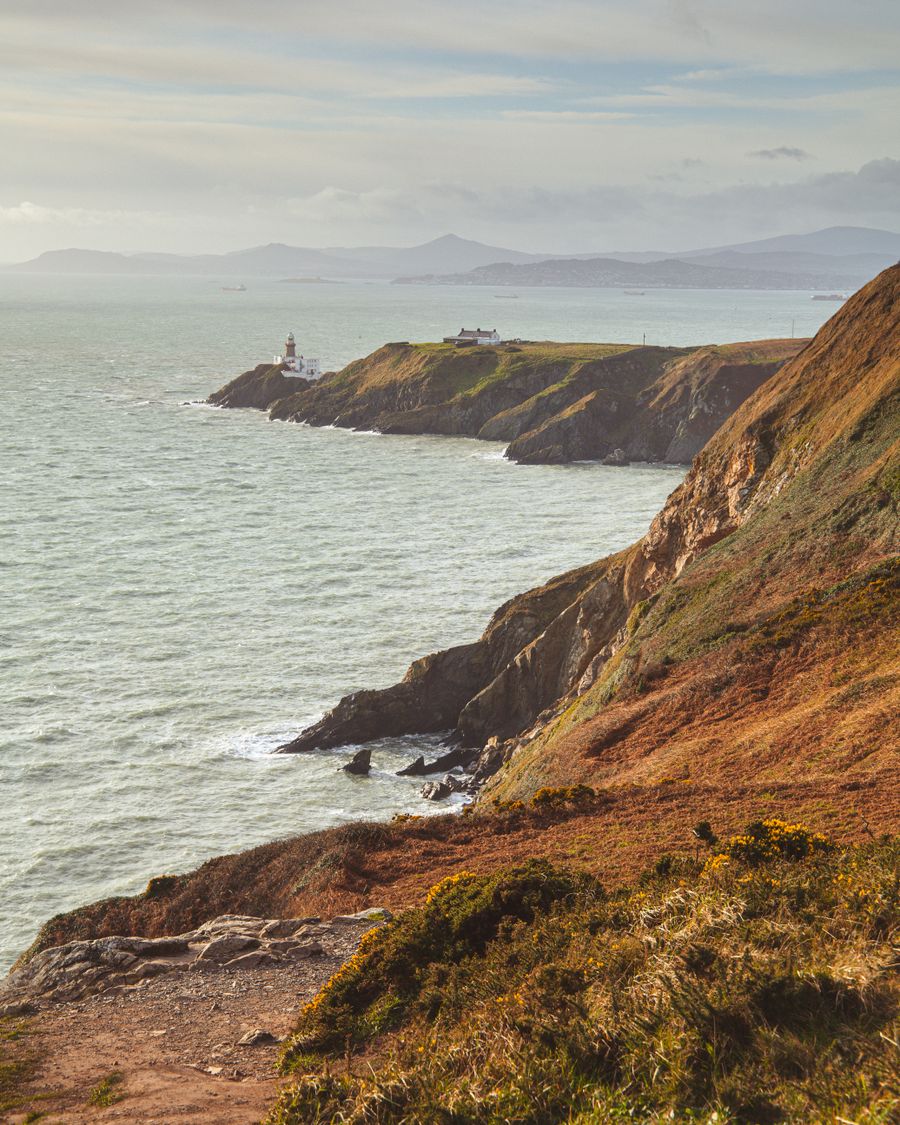
Dublin is the practical base for a first February trip: flights land at Dublin Airport, the Aircoach and Dublin Express run into the city centre in about 30 minutes, and you can be on a hillside by late morning. The Dublin Mountains Way offers sections above Glencullen and Ticknock, roughly 40 minutes by car from the centre, with views across the city and bay. The Howth cliff path, a DART train ride from Connolly, is a superb two-hour loop with a village and harbour to return to.
Stay in Dublin 2 around Merrion Square or Dublin 8 near Kilmainham for walkable evenings and good bus links; the north quays around Smithfield suit anyone wanting quieter streets. I would book two nights in the city, then move west rather than day-tripping long distances. Skip Temple Bar for food — it is fine for a pint but poor value — and eat around Camden Street or Stoneybatter instead. City hotels in February are noticeably cheaper midweek than at weekends.
The West: Galway, Connemara and Clare
Galway city is the best western base for mixed weather. From Eyre Square you can reach Connemara in under an hour by car, and the Western Way and the Letterfrack area offer forest and low-hill walks that hold up in rain. Salthill's promenade gives a two-hour seafront walk straight from the hotel door, and the Dunguaire area near Kinvara is a short drive south. The Cliffs of Moher in February are quieter than summer but the wind can make the clifftop path unsafe; check conditions at the visitor centre before setting out.
Book in Galway city centre, around Shop Street or the Latin Quarter, if you want restaurants and pubs within walking distance; stay in Clifden or Letterfrack if the walking matters more than nightlife. Clifden is about 80 minutes from Galway by car and puts you close to the Sky Road and the Twelve Bens foothills. I would choose Clifden for two nights of walking and one in Galway for the city. Do not attempt the Bens in poor visibility — the navigation is genuinely serious.
Killarney and the Southwest
Killarney is the strongest February choice for woodland and lake walking. Muckross Abbey and the surrounding demesne paths drain well, the Torc Waterfall loop takes about an hour, and the Kenmare road section of the Kerry Way gives a longer day without high exposure. Killarney's national park is free to enter and open year-round, and the town has enough restaurants to fill a week of evenings. From Kerry Airport, or a three-hour drive from Dublin, it is manageable for a short break.
Base yourself on the town's east side near the park gates for walking access, or in Kenmare for a quieter alternative with good food. Kenmare is roughly 40 minutes from Killarney and sits on the Kerry Way itself. Expect cool, bright days around 6 to 9 degrees, with frost on higher ground in the early morning. I would skip the Ring of Kerry drive in February — fog often hides the views — and spend the time on foot instead.